How to Inspect Window Frames for Water Damage
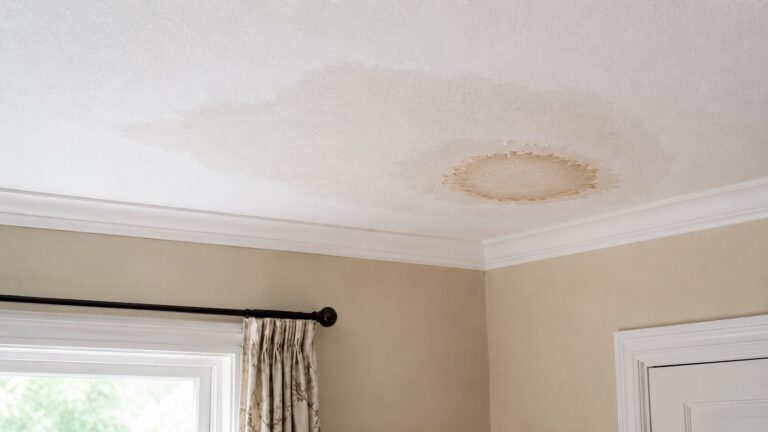
To inspect window frames for water damage, start at the lower corners, sill, side joints, and trim edges. Look for staining, peeling paint, swelling, soft wood, separated caulk, musty odor, or damp areas that appear after rain. These signs can show whether the damage is limited to the surface or may be spreading into nearby wall materials.
If you are already seeing warning signs like stains or peeling paint, reviewing signs of water leaks around windows can help confirm whether moisture intrusion is likely. This guide goes a step further by showing you exactly how to inspect window frames and surrounding areas to evaluate the extent of damage.
For the broader inspection path across rooms, walls, and other hidden moisture locations, see how to find hidden moisture in different areas of your home.
Why Inspecting Window Frames Is Critical
Window frame damage often starts at small joints, corners, and trim edges before it spreads into drywall, insulation, or framing. Inspecting early helps you separate minor surface wear from signs of repeated water entry.
The most important clue is pattern. A single old stain may be cosmetic, but staining that returns after rain, soft wood, swelling, or recurring paint failure usually points to an active moisture problem.
If there is concern that moisture may already be inside the wall, more advanced detection methods may be needed. These are explained in how to detect window leaks inside walls.
Where Water Damage Usually Appears
Water damage around windows tends to appear in predictable locations. These areas are more vulnerable because of how water flows and collects around the window opening.
- Bottom corners: Check where the lower frame, sill, and side trim meet. This is one of the first places repeated leakage shows up.
- Window sill: Look for swelling, soft spots, lifted paint, dark edge staining, or water that sits instead of draining away.
- Side joints: Inspect the vertical seams where frame parts, trim, drywall, or caulk meet.
- Top edge: Look for stains or drip marks that suggest water is entering above the frame and running downward.
- Interior trim: Check for raised edges, separated corners, nail pops, or discoloration along the trim line.
Inspect these areas when the frame is dry, then check again after heavy rain. A stain that darkens, a joint that feels cool and damp, or paint that continues to bubble after storms is more concerning than old discoloration that never changes.
Step-by-Step Window Frame Inspection
Work around the frame in the same order each time: lower corners, sill, side seams, top edge, trim, and nearby drywall. This makes it easier to compare one window with another and notice patterns that repeat after rain.
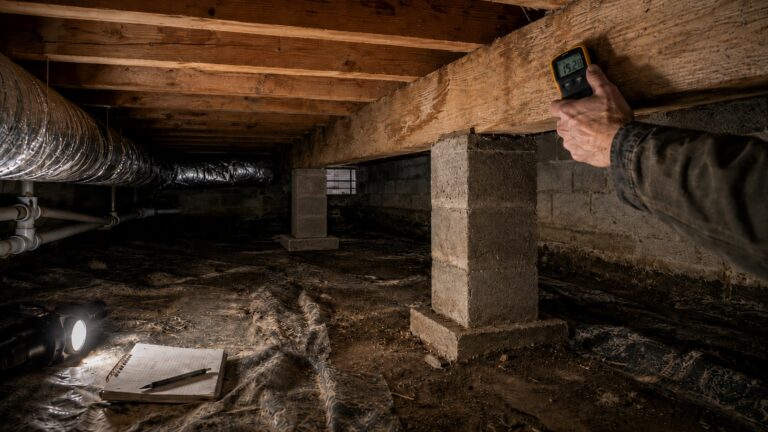
Useful tools include a flashlight, paper towel, small screwdriver or plastic probe, and a pinless moisture meter if you have one. Do not force tools into soft wood or open painted joints aggressively unless you are prepared for repair.
Visual Inspection
Start with the window closed and the area dry. Use a flashlight along the frame edges so raised paint, open seams, stains, and shadowed gaps are easier to see.
- Discoloration or dark staining on the frame or nearby drywall
- Peeling, cracking, or bubbling paint
- Warping or distortion of frame components
- Visible gaps between the frame and surrounding surfaces
Pay close attention to subtle changes. Early-stage damage may not be dramatic but can still indicate ongoing moisture problems.
Touch and Pressure Testing
After visual inspection, gently test the materials by touch. This helps identify areas that may have absorbed moisture.
- Press lightly with a fingertip or plastic probe to check for softness, sponginess, or crumbling wood
- Feel for damp or cool areas compared to surrounding surfaces
- Check for slight movement or instability in joints
Healthy materials should feel firm and dry. Softness or sponginess usually indicates moisture damage that has progressed beyond the surface.
If using a moisture meter, compare the suspicious area with a dry area of the same material on the same window or another nearby window. A higher reading in one corner or joint is more useful than a single isolated number.
Checking Joints and Seams
Joints and seams matter because they show where different materials have separated, moved, or lost their seal. Interior gaps may show where moisture has already affected the finish, while exterior-facing caulk or trim gaps may point to the entry path.
Inspect these areas closely:
- Where the window frame meets interior trim
- Where trim meets drywall
- Where the sill meets the lower frame
- Where side frame pieces connect at corners
- Any visible caulk lines around the window
Look for cracked sealant, separated joints, dark lines, or small openings. Even narrow gaps can allow water to enter repeatedly during storms.
Inspecting the Sill and Lower Corners
The sill and lower corners are high-risk areas because water often collects before it drains away. In this article, inspect them as part of the frame system rather than doing a full sill repair evaluation.
During inspection, check for:
- Soft or swollen sill material
- Dark staining at the lower corners
- Paint failure along the sill edge
- Water marks trailing downward from the frame
- Gaps where the sill meets side trim
Damage in these areas often indicates repeated moisture exposure rather than a one-time event. Lower-corner damage is especially important because water may already be entering the wall cavity.
How to Identify Early vs Advanced Damage
The purpose of inspection is not just to notice damage. It is to decide whether you are seeing light surface wear, an active leak pattern, or deterioration that may require deeper investigation.
Early Water Damage
Early damage is often cosmetic or surface-level, but it should still be taken seriously because it may indicate a developing leak.
- Minor staining near joints
- Slight peeling paint
- Small cracks in caulking
- Light dampness after rain
- Subtle swelling in trim edges
At this stage, the damage may still be limited if the moisture source is corrected quickly.
Advanced Water Damage
Advanced damage usually means water has been present repeatedly or for a long period. These signs may indicate that materials have begun to deteriorate.
- Soft or crumbling wood
- Deep discoloration or black staining
- Warped frame components
- Trim separating from the wall
- Persistent musty odors
- Damage spreading beyond the window area
Advanced damage should not be painted, caulked, or covered until the moisture source is understood. Soft wood, spreading stains, or trim pulling away from the wall can mean water has moved beyond the visible frame area.
If the inspection suggests that water is entering repeatedly, it is important to understand the underlying cause. Common causes are explained in why windows develop water leak problems.
Common Materials and How They Respond to Water
The inspection signs vary by material. Wood usually shows the damage directly, while vinyl, composite, or clad windows may hide the problem in the surrounding trim, drywall, or framing.
Wood Frames and Trim
Wood is highly vulnerable to water damage because it absorbs moisture. When exposed repeatedly, it can swell, soften, rot, or support mold growth.
Signs of water-damaged wood include:
- Soft spots
- Swelling
- Dark staining
- Paint failure
- Cracking or splitting
Vinyl Window Frames
Vinyl does not rot like wood, but water can still enter around seams, joints, or surrounding materials. Damage may show up in nearby drywall or trim rather than the vinyl itself.
With vinyl windows, inspect carefully around:
- Frame corners
- Drainage openings
- Interior trim edges
- Adjacent drywall
Composite or Clad Frames
Composite and clad frames may resist surface moisture better than unfinished wood, but they still depend on proper installation and sealing. Water can enter behind cladding or around joints if protective layers fail.
Common False Alarms During Window Frame Inspection
Not every mark around a window means active water damage. Old paint lines, dust trapped along caulk, minor surface condensation, or previous repairs can look concerning even when the frame is dry and firm.
The warning signs become more serious when they change after rain, appear with softness or swelling, return after repainting, or show up in the same corner repeatedly.
What Your Inspection Results Mean
After completing a window frame inspection, the next step is interpreting what you’ve found. The goal is to understand whether the issue is minor, developing, or already advanced—and what that means for next steps.
Minor Surface Issues
If you find only small cracks in caulking, light staining, or minor paint damage, the issue may be limited to early-stage moisture exposure. These problems are often manageable if addressed quickly.
- Damage is localized and not spreading
- Materials remain firm and structurally sound
- No persistent dampness or odor is present
In these cases, the focus should be on correcting the source of moisture and maintaining protective elements to prevent further exposure.
Developing Moisture Problems
If inspection reveals soft spots, repeated staining, or damage that appears to be spreading, the problem is likely ongoing. This indicates that water is entering the system more than occasionally.
- Moisture appears after rain or humid conditions
- Damage extends beyond a single point
- Materials show early signs of weakening
At this stage, identifying the cause becomes critical. Understanding why windows develop water leak problems can help determine where water may be entering.
Severe or Structural Damage
Severe damage suggests prolonged moisture exposure and possible structural impact. This may involve deterioration of wood, compromised framing, or moisture inside the wall cavity.
- Wood is soft, crumbling, or visibly rotted
- Frame components are warped or misaligned
- Damage spreads into adjacent walls or flooring
- Strong odors suggest long-term moisture presence
These conditions usually require more than surface patching. The frame, trim, and nearby wall materials may need to be opened or tested before repair decisions are made.
When to Call a Professional
Many surface checks are safe for homeowners, but some findings suggest the problem has moved beyond a simple frame inspection. Professional evaluation becomes more important when damage appears structural, keeps returning after storms, or affects more than one window.
You should consider calling a professional if:
- You find soft or deteriorating structural materials
- Damage continues to worsen over time
- You cannot determine where the water is entering
- Stains, softness, or damp readings suggest moisture has moved behind the trim or into the wall
- Multiple windows show signs of similar damage
A professional may check behind trim, test deeper materials, inspect exterior flashing or caulk joints, and confirm whether moisture has spread beyond the visible frame.
If you suspect hidden moisture beyond what you can inspect visually, it may be helpful to review how to detect window leaks inside walls for additional guidance.
Frequently Asked Questions About How to Inspect Window Frames for Water Damage
How do I know if my window frame is rotting?
Rotting wood usually feels soft or spongy when pressed and may crumble under light pressure. You may also notice dark discoloration, cracking, or a musty smell. These signs indicate prolonged moisture exposure.
What does water damage look like on window frames?
Water damage can appear as stains, peeling paint, swelling, warped materials, or soft spots. In early stages, it may be subtle, but over time it becomes more visible and affects the structure of the frame.
Can window frame damage be repaired?
Minor surface damage may be repairable if the frame is still firm and the water source is corrected. Soft, crumbling, warped, or repeatedly wet areas usually need deeper evaluation before repair decisions are made.
How serious is soft wood around windows?
Soft wood is a strong indicator of moisture damage and should be taken seriously. It usually means the material has absorbed water over time and may no longer be structurally sound.
When is the best time to inspect window frames for water damage?
Inspect once when the frame is dry and again after heavy rain. New dampness, darkening stains, soft trim, or recurring bubbling paint after storms is more concerning than old discoloration that stays unchanged.
Can a vinyl window frame still have water damage around it?
Yes. Vinyl itself does not rot like wood, but water can still enter around the frame, trim, flashing, or surrounding wall materials. With vinyl windows, inspect the drywall, sill, lower corners, and trim edges closely.
What to Do After Inspecting the Window Frame
If the frame is firm, dry, and unchanged after rain, continue monitoring the area during future storms. If you find soft wood, swelling, recurring stains, musty odor, or damage spreading beyond the frame, do not cover it with paint or caulk until the water source has been identified.
If inspection reveals ongoing or worsening damage, review why windows develop water leak problems or use how to detect window leaks inside walls if the moisture may have moved behind the visible surface.
Key Takeaways
- Start inspection at the lower corners, sill, joints, trim edges, and top of the frame.
- Softness, swelling, recurring stains, bubbling paint, or musty odor are stronger warnings than old cosmetic marks.
- Check the same area before and after rain to tell whether moisture is active or old.
- Do not paint, caulk, or cover damaged areas until the source of water entry is understood.