
Signs of Failed Basement Waterproofing: Warning Signs Your System Is No Longer Working
Failed basement waterproofing usually shows up as moisture returning after a basement had been dry for a while. The warning signs may start small: musty odors after rain, white mineral residue on walls, damp floor edges, peeling coatings, or a sump pump that suddenly runs more often than before.
These symptoms do not always mean the entire system has collapsed. More often, one part of the system is clogged, overwhelmed, damaged, or no longer keeping up with water pressure around the foundation.
This guide explains the most common signs of failed basement waterproofing, how to tell them apart from normal basement dampness, and when the problem needs a closer inspection. For a broader look at how these systems are supposed to work, see how basement waterproofing systems control water intrusion.
What Failed Basement Waterproofing Really Means
Failed basement waterproofing does not always mean total system collapse. In most homes, failure occurs gradually as individual components stop performing correctly. Waterproofing systems typically rely on multiple layers of protection working together.
These systems may include:
- Interior drainage channels
- Perimeter drain tile systems
- Sump pump installations
- Foundation sealants or coatings
- Exterior waterproof membranes
- Grading and exterior drainage improvements
When one of these components fails, water begins to follow natural pressure paths back into the basement. In many cases, the earliest signs are subtle and easily overlooked.
Homeowners often assume waterproofing failure happens suddenly, but in reality, problems typically develop slowly. Moisture conditions may worsen over several seasons before visible leaks appear.
The most important clue is change. A basement that stayed dry for months or years but now develops moisture in the same areas after rain is showing a stronger failure pattern than a basement that has always felt mildly humid.
Early Signs Your Basement Waterproofing Is Not Working
Early warning signs usually appear before major water entry occurs. These indicators often signal declining system performance rather than complete failure.
Recurring Musty Odors After Rain
One of the earliest signs of failing waterproofing is the return of musty smells, especially after rainfall. These odors develop when moisture lingers in materials such as concrete, wood framing, or insulation.
Unlike visible leaks, odor changes may be subtle and intermittent. Homeowners often notice the smell only during humid weather or shortly after storms.
Musty odors typically indicate:
- Hidden moisture accumulation
- Reduced drainage effectiveness
- Minor seepage beginning behind walls
- Moisture trapped in structural materials
If these odors return after waterproofing work was completed in the past, it strongly suggests early system deterioration.
Efflorescence Appearing on Basement Walls
Efflorescence appears as a white, chalky residue on concrete or masonry surfaces. It forms when water travels through porous materials and leaves mineral deposits behind.
Although efflorescence is not harmful by itself, it indicates that water is moving through foundation materials.
Common locations include:
- Lower portions of basement walls
- Near wall-floor joints
- Around cracks or patched areas
- Behind stored items near foundation walls
Repeated efflorescence buildup usually means that moisture is bypassing protective barriers. In some cases, this can result from drainage system limitations, which are further evaluated in how to inspect basement waterproofing systems for damage.
Damp Wall Surfaces After Heavy Rain
Moisture that appears only during rain events is one of the strongest indicators of declining waterproofing performance.
This dampness may appear as:
- Darkened wall patches
- A damp film or darkened concrete that appears only after storms
- Moisture streaks near corners
- Temporary wet spots that dry slowly
Rain-triggered dampness often suggests that hydrostatic pressure is forcing water through weakened sections of the waterproofing system. If this behavior is consistent during storms, it is often linked to drainage or pressure-related failures discussed in how hydrostatic pressure causes basement leaks.
Humidity Levels Rising in the Basement
A rising humidity level without visible water entry may indicate slow moisture infiltration. Even small amounts of water entering foundation materials can increase overall humidity levels.
Signs of humidity-driven problems include:
- Condensation on stored items
- Metal corrosion on shelving
- Musty air without visible leaks
- Clammy or damp-feeling surfaces
Track basement humidity with a hygrometer instead of relying only on how the air feels. If relative humidity repeatedly stays above about 60% after rain, especially in a basement that used to stay drier, review how to test indoor humidity levels and look for hidden water entry rather than treating the issue as normal dampness.
Minor Mold Growth Returning After Cleanup
Mold that returns after removal is often a symptom of ongoing moisture exposure. Waterproofing systems that once controlled moisture may be losing effectiveness.
Recurring mold growth typically appears:
- Near floor edges
- Behind stored materials
- Around foundation joints
- In corners with limited airflow
When mold reappears in the same areas, it usually indicates continued water movement rather than isolated humidity problems.
Understanding why recurring moisture leads to repeated mold growth can help clarify long-term risks. This relationship is explained further in why basement waterproofing systems fail, which covers the technical reasons systems degrade over time.
Water Patterns That Point to System Failure
Waterproofing failure is often easier to recognize by pattern than by one isolated wet spot. Repeated moisture in the same crack, joint, corner, or floor edge is more concerning than one-time dampness during unusual weather.
Water at the Wall-Floor Joint
The joint where the basement wall meets the floor is the most common location for water intrusion. This area is naturally vulnerable because it sits at the lowest point of the foundation and often connects directly to drainage systems.
If waterproofing is working correctly, water should be redirected away before reaching this joint. When failure occurs, water may begin to appear along the perimeter edges of the basement floor.
Typical signs include:
- Thin lines of moisture along the floor edge
- Water pooling after heavy rain
- Damp or discolored flooring near walls
- Recurring wet spots in the same perimeter areas
This pattern often points to clogged or overwhelmed drainage systems. If you suspect this issue, reviewing signs that basement drainage needs repair can help determine whether the problem is isolated to drainage components.
Water Seeping Through Foundation Cracks
Some hairline cracks are common in concrete, but cracks that admit water are not just cosmetic. Waterproofing systems are supposed to seal, drain, or redirect water away from these weak points. When those protections fail, cracks become direct entry points.
Seepage through cracks may appear as:
- Small trickles during rain
- Damp streaks extending downward
- Wet spots forming along vertical lines
- Widening cracks with visible moisture
Water entering through cracks is often a sign that either sealants have degraded or external pressure has increased beyond what the system can handle.
Water Appearing After Specific Weather Events
One of the clearest indicators of system failure is water appearing only during or after heavy rain. This pattern suggests that the system cannot handle peak water loads.
Common observations include:
- Basement remains dry most of the year
- Water appears during storms or prolonged rain
- Moisture increases rapidly and then recedes
- Wet areas consistently form in the same locations
This behavior often indicates that drainage capacity is insufficient or partially blocked. In these cases, the system may still function under normal conditions but fails under pressure.
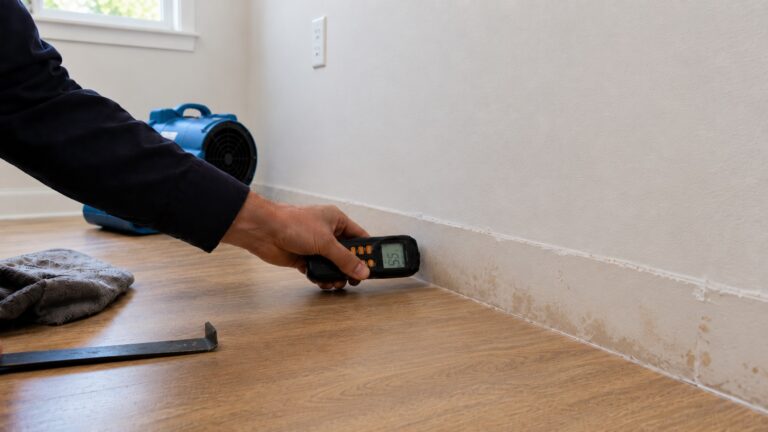
Water Behind Finished Walls or Flooring
In finished basements, water may not be immediately visible. Instead, it accumulates behind walls, under flooring, or inside insulation.
Warning signs include:
- Warped baseboards or trim
- Soft or spongy flooring
- Paint bubbling or drywall staining
- Musty odors concentrated in specific areas
These symptoms often indicate hidden moisture intrusion, which can lead to structural damage if left unaddressed.
Because hidden moisture is difficult to confirm visually, finished basements should be evaluated by pattern: where the odor is strongest, where trim is swelling, where flooring feels soft, and whether those signs worsen after rain.
Wall, Floor, and Drainage Symptoms to Watch For
As waterproofing failure progresses, structural materials begin to show visible signs of stress and moisture exposure. These symptoms typically develop after repeated water intrusion events.
Peeling or Bubbling Waterproof Coatings
Interior waterproof coatings may resist minor surface dampness, but they are not a substitute for drainage, exterior waterproofing, or pressure relief. When water pressure builds behind the wall, coatings can bubble, peel, or flake away from the concrete.
Signs of coating failure include:
- Peeling paint or sealant layers
- Bubbling or blistering surfaces
- Flaking materials exposing bare concrete
- Discoloration beneath coatings
This often indicates that water is pushing through the wall rather than being redirected. At this stage, the issue is no longer cosmetic—it reflects underlying system failure.
Persistent Damp Flooring Near Walls
Floors that remain damp near perimeter walls suggest that water is entering faster than it can be removed. This condition may not always result in visible pooling but still indicates active moisture intrusion.
Common signs include:
- Cold, damp surfaces near walls
- Recurring wet edges after rain
- Floor materials absorbing moisture over time
- Darkened or stained concrete
Persistent dampness is often tied to drainage inefficiencies. If this issue continues, it may require more advanced solutions discussed in how to fix persistent basement drainage problems.
Sump Pump Running Too Often or Not Activating
Sump pumps play a critical role in many waterproofing systems. When they begin to malfunction, water control quickly deteriorates.
Two common failure patterns include:
- Pump runs constantly, indicating excess water or system overload
- Pump fails to activate, allowing water to accumulate
Additional warning signs:
- Unusual noises from the pump
- Water remaining in the sump pit
- Delayed activation during storms
- Frequent cycling without clear cause
Because sump systems require regular upkeep, it is important to understand proper care practices. These are covered in how to maintain basement drainage systems, which explains how maintenance affects long-term performance.
Rust, Staining, or Material Degradation
Water intrusion often leads to gradual material deterioration. Even small amounts of moisture can cause visible damage over time.
Indicators include:
- Rust forming on metal fixtures
- Staining on concrete or walls
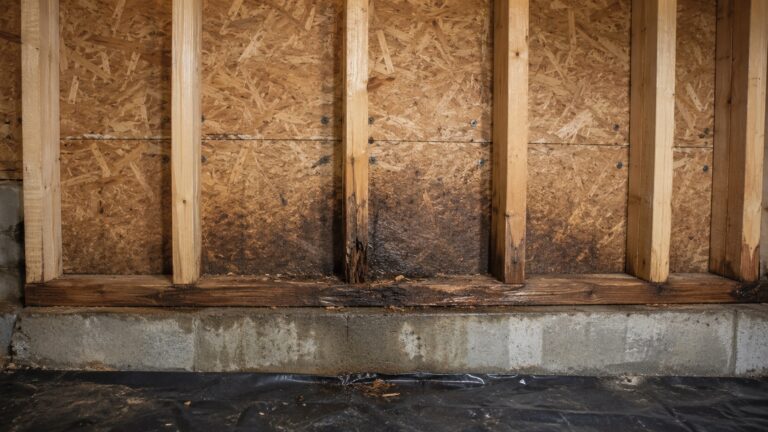
- Degradation of wood framing
- Softening of drywall or insulation
These signs may not always be directly linked to large leaks, but they confirm that moisture is present where it should not be.
How Failed Waterproofing Differs From Normal Basement Dampness
Not all moisture in a basement indicates waterproofing failure. Basements are naturally cooler and often more humid than upper levels of a home. Distinguishing between normal dampness and system failure is essential before making repair decisions.
Normal Basement Moisture Conditions
Even in properly protected basements, minor moisture conditions can occur due to environmental factors. These conditions are typically consistent and manageable.
Examples of normal moisture behavior include:
- Slight humidity during summer months
- Occasional condensation on cold surfaces
- Dry basement most of the time with no recurring leaks
- No visible water entry during storms
These situations are usually related to air moisture rather than structural water intrusion, especially when they are not tied to rainfall, cracks, wall-floor joints, or repeated wet spots. They may improve with ventilation or dehumidification, but they should not be used to explain water that appears in the same place after storms.
Signs That Indicate True Waterproofing Failure
In contrast, failed waterproofing produces specific patterns tied to water movement through the foundation.
Indicators of true failure include:
- Moisture appearing only during or after rain
- Recurring water in the same locations
- Water entering through cracks or joints
- Visible seepage or pooling
- Structural materials staying damp for extended periods
These patterns show that water is actively penetrating the structure rather than simply condensing from indoor air.
If moisture appears in predictable locations during specific conditions, it strongly suggests that waterproofing defenses are no longer functioning properly.
Why Misinterpreting Symptoms Leads to Bigger Problems
One of the most common homeowner mistakes is treating structural water problems as simple humidity issues. This often leads to temporary fixes that do not address the underlying cause.
Examples include:
- Using a dehumidifier to manage water intrusion
- Repainting walls without fixing seepage
- Ignoring early signs like efflorescence or damp edges
While these approaches may reduce symptoms temporarily, they allow water to continue damaging structural components.
Understanding the difference between moisture types is critical for choosing the correct solution and avoiding repeated repairs.
When the Problem Is Likely Bigger Than DIY
Some signs of failed basement waterproofing indicate that the issue has progressed beyond simple maintenance or minor repairs. In these cases, professional evaluation is often necessary.
Water Returns Repeatedly After Cleanup
If water intrusion continues after drying efforts, the problem is not temporary. Recurring water suggests that the system responsible for controlling moisture is no longer effective.
Repeated cleanup without addressing the source often leads to:
- Ongoing material damage
- Increased mold risk behind walls, trim, flooring, or stored materials
- Higher long-term repair costs
At this stage, identifying the root cause becomes more important than managing surface symptoms.
Cracks Continue to Grow or Reopen
Foundation cracks that expand or reappear after repair indicate structural movement or pressure that exceeds system capacity.
Warning signs include:
- Cracks widening over time
- New cracks forming near previous repairs
- Moisture entering through repaired areas
These conditions often require professional assessment to determine whether structural reinforcement or advanced waterproofing solutions are needed.
Basement Flooding Occurs During Storms
Flooding during heavy rain is a strong indicator that the system cannot handle water volume under peak conditions.
This may be caused by:
- Drainage systems reaching capacity
- Blocked or damaged drain tile
- Sump pump limitations or failure
- Excessive hydrostatic pressure
Storm-related flooding often signals that the system needs upgrades rather than minor fixes.
Multiple Symptoms Appearing at Once
When several warning signs occur together—such as damp walls, mold growth, and water pooling—it typically indicates widespread system failure.
At this stage, isolated repairs are less effective because multiple components are no longer functioning correctly.
Professional inspection helps determine whether partial repairs or full system replacement is the most appropriate solution.
What to Check Before Calling a Contractor
Before seeking professional help, homeowners can perform a basic evaluation to better understand the scope of the problem. This does not replace a full inspection, but it helps identify obvious issues.
Do not enter standing water if electrical outlets, appliances, extension cords, or the sump pump connection may be exposed. If water is deep, contaminated, or spreading near electrical equipment, stop the inspection and call a qualified professional.
Check for Visible Drainage Issues
Look for signs that water is not being properly directed away from the foundation.
- Clogged or slow-draining sump pits
- Standing water near basement floor edges
- Water pooling outside near foundation walls
- Downspouts discharging too close to the home
- Soil sloping toward the foundation instead of away from it
Drainage issues are often the first point of failure in waterproofing systems.
Inspect Walls and Floors for Entry Points
Carefully examine basement surfaces for signs of water entry.
- Cracks in walls or floors
- Damp or discolored areas
- Peeling coatings or paint
- Efflorescence buildup
These entry points often reveal where the system is no longer effective.
Observe Moisture Patterns During Rain
Monitoring your basement during or immediately after rainfall provides valuable information.
- Identify where water first appears
- Note how quickly moisture develops
- Track how long it takes to dry
- Look for recurring patterns in specific locations
These observations help determine whether the issue is isolated or widespread.
For a more structured evaluation process, homeowners can review how to inspect basement waterproofing systems, which outlines detailed inspection methods used to identify failure points.
Frequently Asked Questions About Failed Basement Waterproofing
Can basement waterproofing fail after only a few years?
Yes, especially if the system was improperly installed or if key components were missing. While many systems are designed to last for years, early failure can occur due to poor drainage design, incorrect materials, or environmental conditions that exceed the system’s capacity.
Does water after heavy rain always mean waterproofing failure?
Not always, but it is a strong warning sign. If water appears only during extreme storms, the system may still be functioning under normal conditions but failing under pressure. This usually indicates limited drainage capacity or partial blockage rather than complete failure.
Is peeling waterproof paint a serious problem?
Peeling or bubbling coatings often indicate that moisture is building behind the surface. While the paint itself is not the primary waterproofing layer, its failure usually signals that water is penetrating the foundation wall and pushing outward.
Can failed waterproofing lead to mold growth?
Yes. When waterproofing systems stop controlling moisture effectively, damp conditions allow mold to grow on organic materials such as wood, drywall, and insulation. Recurring mold is often a direct result of ongoing water intrusion.
Should I repair or replace a failed waterproofing system?
This depends on the extent of the failure. Minor issues, such as clogged drainage, a small crack, or a maintenance problem, may be repairable. Widespread symptoms affecting several walls, floor edges, cracks, or drainage components may require system upgrades or partial replacement. For the decision process, review whether to repair or replace basement waterproofing.
Conclusion: Recognizing Failure Early Prevents Bigger Damage
Basement waterproofing systems are designed to manage water—not eliminate it entirely. Over time, components wear down, drainage paths become less effective, and soil pressure around the foundation may overwhelm weak points. When this happens, water begins to re-enter the basement in predictable ways.
Recognizing early signs such as musty odors, efflorescence, and damp surfaces allows homeowners to address problems before they escalate. As failure progresses, more obvious symptoms like water seepage, mold growth, and flooding begin to appear.
Ignoring these warning signs can lead to structural damage, material deterioration, and costly repairs. Identifying whether the issue is minor or systemic is the key first step in choosing the right solution.
For homeowners seeing repeated warning signs in several areas, the next step is not simply repainting or drying the basement again. Review whether to repair or replace basement waterproofing to decide whether the problem looks isolated, maintenance-related, or systemic.
Key Takeaways
- Waterproofing systems often fail gradually rather than suddenly
- Early warning signs include odors, humidity increases, and efflorescence
- Recurring moisture in the same locations is a strong indicator of system failure
- Water appearing during storms often signals drainage limitations
- Peeling coatings and damp walls indicate pressure from behind the structure
- Persistent issues usually require more than simple surface fixes
One Comment
Comments are closed.