How to Maintain Basement Drainage Systems (Prevent Clogs, Failures, and Water Intrusion)
To maintain a basement drainage system, test the sump pump, keep the sump pit clean, check the discharge line, watch for slow drainage, and keep gutters, downspouts, and grading from sending extra water toward the foundation. These simple checks help prevent clogs, pump failures, water backup, and recurring basement moisture.
Basement drainage systems are designed to move water away from your foundation before it can cause damage, but they do not maintain themselves. Over time, sediment, debris, stuck float switches, blocked outlets, and poor exterior drainage can reduce performance.
If you’re unsure how these systems function in the first place, it helps to understand how basement waterproofing systems control water intrusion before diving into maintenance tasks.
This guide explains what to check regularly, how often to maintain key components, and when drainage problems may need more than routine upkeep.
Why Drainage System Maintenance Matters
Basement drainage systems are most stressed during rain, snowmelt, and periods when soil stays saturated. If water cannot move freely into the drain, through the sump pit, and out the discharge line, pressure can build around the foundation.
Without proper maintenance, drainage systems may:
- Clog with sediment or debris
- Drain water more slowly than intended
- Allow pressure to build against foundation walls
- Overwork sump pumps or cause them to fail
These conditions often lead to the same warning signs covered in signs of failed basement waterproofing, which homeowners frequently encounter when systems are not maintained.
Maintaining your drainage system helps prevent:
- Water intrusion and flooding
- Mold growth and moisture damage
- Structural deterioration
- Costly repairs or system replacement
How Basement Drainage Systems Work
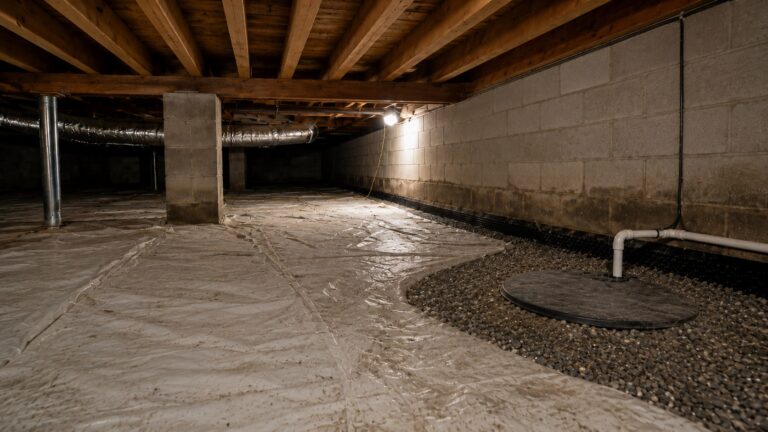
Basement drainage maintenance is easier when you know which parts must stay clear and working. Most systems rely on drain tile, a sump pit, a sump pump, discharge piping, and exterior drainage working together to move water away from the foundation.
These typically include:
- Interior drain tile systems that collect water at the foundation perimeter
- Sump pumps that remove collected water from the basement
- Discharge lines that carry water away from the home
- Exterior systems that reduce water buildup around the foundation
Water is directed into the drainage system through natural pressure and gravity. Once collected, it must be moved away quickly to prevent buildup.
If any part of this system becomes blocked, damaged, or overloaded, water begins to accumulate and may eventually enter the basement.
Because each component depends on the others, one neglected part can reduce the performance of the entire system. For a deeper look at the failure patterns behind clogs, pump problems, and drainage breakdowns, see why basement waterproofing systems fail.
Routine Maintenance Tasks Homeowners Should Perform
Most basement drainage maintenance can be handled by homeowners with basic tools and regular attention. The goal is to catch small problems early before they affect system performance.
Perform Regular Visual Inspections
Start with simple visual checks of your basement and drainage components.
- Look for damp areas near walls or floors
- Check for unusual stains or discoloration
- Monitor for musty odors or humidity changes
- Inspect the sump pit for debris or buildup
- Place a water alarm near the sump pit or lowest basement area so you are alerted before minor backup becomes flooding
These early indicators can signal developing issues before they become serious. If you notice consistent changes, it may be time to investigate further using guidance from how to inspect basement waterproofing systems.
Test Your Sump Pump Regularly
Your sump pump should be tested before heavy rain seasons and checked during routine maintenance. The detailed sump pump checklist below explains what to test, but the basic goal is simple: make sure the float moves freely, the pump turns on without delay, and water actually leaves the home through the discharge line.
Keep the Sump Pit Clean
Debris buildup inside the sump pit can interfere with pump operation. Dirt, sediment, and small objects may block the intake or affect the float mechanism.
At a minimum, remove visible debris, keep the pump intake clear, and make sure the float is not blocked by sediment, cords, or small objects.
Before reaching into the pit or handling the pump, unplug the pump or shut off power to the circuit. Do not work around standing water if wiring, outlets, or extension cords appear wet or damaged.
Check Discharge Lines for Blockages
Discharge lines carry water away from your home. If these lines become blocked or restricted, water may back up into the system.
Inspect for:
- Visible obstructions at the outlet
- Kinks or damage in the line
- Water pooling near the discharge point
- Signs of freezing in colder conditions
Ensuring proper flow is essential to maintaining system performance.
Sump Pump Maintenance Checklist
The sump pump is the most critical moving part in your basement drainage system. If it fails, even a well-functioning drainage system can quickly become overwhelmed.
Regular sump pump maintenance ensures it operates when needed—especially during storms when water levels rise quickly.
Test the Pump Quarterly
Testing your sump pump every few months helps confirm that it activates properly and removes water efficiently.
- Fill the sump pit with water until the float rises
- Ensure the pump activates without delay
- Confirm water is discharged outside
- Listen for grinding, rattling, or unusual sounds
If the pump hesitates, runs loudly, short-cycles, or fails to activate, compare the issue with signs your basement sump pump is not working before relying on the system during a storm.
Inspect the Float Switch
The float switch controls when the pump turns on and off. If it becomes stuck or obstructed, the pump may not operate correctly.
- Check that the float moves freely
- Ensure it is not tangled with cords or debris
- Test its responsiveness during operation
A malfunctioning float is one of the most common causes of pump failure.
Clean the Pump and Pit
Sediment and debris can accumulate over time, affecting both performance and lifespan.
- Remove dirt and debris from the pit
- Clean the pump intake area
- Check for buildup that could restrict flow
Keeping the system clean reduces strain on the motor and helps maintain consistent performance.
Check the Discharge Line
The discharge line must remain clear for the pump to function properly.
- Verify water flows freely through the line
- Check for obstructions or blockages
- Ensure the outlet directs water away from the foundation
- Listen for water rushing back into the pit after the pump shuts off, which may indicate a missing or failing check valve
If the discharge line is blocked, water may return to the system, increasing pressure and risk of failure.
Drain Tile and Interior Drain Maintenance
Interior drain tile systems collect water around the perimeter of your basement and direct it toward the sump pit. While these systems are often hidden, they still require monitoring.
Watch for Slow Drainage
Drainage systems should move collected water steadily toward the sump pit. If water lingers near the wall-floor joint or the pump runs more often while the basement still stays damp, it may indicate partial blockage or reduced flow capacity.
Signs of reduced drainage performance include:
- The sump pump cycling more often than usual after rain
- Damp areas that take longer to dry
- Recurring moisture in the same locations
Slow drainage often develops gradually and can lead to more serious problems if ignored.
Monitor for Sediment Buildup
Over time, fine particles can enter the drainage system and accumulate inside pipes. This reduces flow capacity and increases pressure.
While most homeowners cannot access the full system, signs of buildup may include:
- Reduced drainage efficiency
- Water appearing more frequently after storms
- Increased sump pump activity
If these symptoms appear, it may indicate a need for professional cleaning or inspection.
Check Drain Inlets and Access Points
Some systems include accessible entry points where water enters the drainage channel.
- Ensure these areas are free of debris
- Check for visible obstructions
- Confirm water can flow into the system without restriction
Keeping entry points clear helps maintain proper flow throughout the system.
Exterior Drainage Maintenance (Grading and Downspouts)
Exterior drainage plays a major role in how much water reaches your basement. Even a well-maintained interior system can be overwhelmed if too much water collects around the foundation.
Maintain Proper Grading Around the Home
The ground surrounding your home should slope away from the foundation. This helps direct water away before it can accumulate.
- Check for areas where soil slopes toward the house
- Fill low spots where water collects
- Ensure landscaping does not trap water near walls
Poor grading increases hydrostatic pressure and puts additional strain on your drainage system.
Keep Gutters Clean and Functional
Gutters control how rainwater flows off your roof. If they are clogged, water may overflow and pool near the foundation.
- Remove leaves and debris regularly
- Check for proper alignment and flow
- Repair leaks or sagging sections
Maintaining gutters reduces the amount of water your drainage system must handle.
Extend Downspouts Away from the Foundation
Downspouts should discharge water several feet away from your home. If they release water too close, it can flow back toward the foundation.
- Ensure downspouts discharge several feet away from the foundation, and farther if the yard slopes back toward the house
- Use extensions if necessary
- Check for pooling near discharge areas
Proper downspout placement helps prevent unnecessary pressure buildup around basement walls.
Seasonal Maintenance Guide
Seasonal maintenance matters because basement drainage systems face different risks during spring rain, summer humidity, fall debris, and winter freezing conditions.
Spring Maintenance (High Water Load Season)
Spring is one of the most critical times for drainage system performance due to increased rainfall and potential snowmelt.
- Test the sump pump before heavy rain begins
- Check discharge lines for proper flow
- Inspect for signs of slow drainage or moisture buildup
- Ensure gutters and downspouts are clear after winter debris
This is the time when hidden issues often become visible, making early detection especially important.
Summer Maintenance (Humidity and Inspection Focus)
During summer, drainage systems may not be under constant pressure, but humidity levels can still reveal moisture problems.
- Monitor for increased humidity or musty odors
- Inspect basement walls and floors for subtle dampness
- Check for mold growth in low-airflow areas
- Verify sump pump standby condition
Even without heavy rain, summer is a good time to identify early warning signs of system decline.
Fall Maintenance (Preparation for Rain and Cold)
Fall maintenance prepares your drainage system for upcoming weather changes.
- Clean gutters and remove leaves
- Check grading and drainage around the foundation
- Inspect discharge lines for blockages
- Ensure sump pump is ready for increased usage
Preventative work during fall reduces the risk of failure during winter and early spring.
Winter Considerations (Freezing Risks)
Cold weather introduces new risks, particularly for discharge lines and exterior drainage components.
- Check for freezing in discharge pipes
- Ensure water can still flow away from the home
- Monitor for ice buildup near outlets
- Keep pathways clear to prevent blockages
Frozen lines can prevent water from exiting the system, causing backups and potential flooding.
Signs Your Maintenance Is Not Enough
Maintenance can keep a working drainage system reliable, but it cannot fix undersized drains, collapsed pipe, poor system design, foundation movement, or chronic exterior water loading.
Recurring Moisture or Dampness
If moisture continues to appear despite routine maintenance, it may indicate underlying system limitations or partial failure.
This often signals problems such as:
- Drainage capacity being exceeded
- Partial blockage within the system
- Environmental conditions beyond system design
Sump Pump Running Excessively
A sump pump that runs frequently or continuously may be under strain. This can be caused by increased water load or reduced drainage efficiency.
Overworked pumps are more likely to fail, especially during critical moments.
Water Appearing During Storms
If water enters the basement during heavy rain despite maintenance efforts, the system may not be capable of handling peak conditions.
In these cases, further evaluation is often necessary to determine whether upgrades are required.
If these symptoms continue after basic maintenance, review signs basement drainage needs repair to decide whether the issue has moved beyond routine upkeep.
When to Call a Professional
While many maintenance tasks can be handled independently, certain situations require professional evaluation.
Persistent or Worsening Problems
If issues continue despite consistent maintenance, a professional can help identify hidden causes and recommend appropriate solutions.
Suspected Blockages or System Damage
Drain tile systems are often inaccessible without specialized equipment. If blockage or damage is suspected, professional inspection may be necessary.
Structural Concerns
Signs such as widening cracks or uneven moisture patterns may indicate structural issues beyond standard drainage maintenance.
In these cases, it is important to address both the drainage system and the underlying structural condition.
For homeowners dealing with ongoing issues, exploring solutions in how to fix persistent basement drainage problems can provide guidance on next steps.
Frequently Asked Questions About Drainage System Maintenance
How often should I maintain my basement drainage system?
Basic checks should be performed monthly, especially around the sump pit and discharge outlet. Do a more thorough inspection before heavy rain seasons, after major storms, and at least once a year.
Do drain tile systems need cleaning?
While not always required, drain tile systems can accumulate sediment over time. If performance declines, professional cleaning may be necessary.
Can I maintain my drainage system myself?
Yes, most routine maintenance tasks can be handled by homeowners. However, complex issues such as blockages or structural concerns may require professional assistance.
What happens if I don’t maintain my system?
Neglecting maintenance can allow sediment to collect in the sump pit, debris to block the discharge line, the float switch to stick, or exterior runoff to overload the system. These problems can lead to backup, pump failure, and recurring basement water intrusion.
Does maintenance prevent all waterproofing problems?
No. Maintenance reduces the risk of clogs, pump failure, and water backup, but it cannot correct poor grading, undersized drainage, foundation movement, collapsed drain tile, or a system that was not designed for the amount of water reaching the basement.
Conclusion: Consistent Maintenance Protects Your Basement
A basement drainage system is easiest to protect before it shows signs of failure. Test the pump, keep the pit and discharge line clear, control roof runoff, and watch for slow drainage after storms.
If moisture keeps returning after these steps, the problem may involve blockage, poor exterior drainage, system capacity, or repair needs rather than simple maintenance. For a broader approach to managing moisture issues throughout your home, review how to find, fix, and prevent moisture problems in homes.