How to Dry Flooring After Minor Flooding
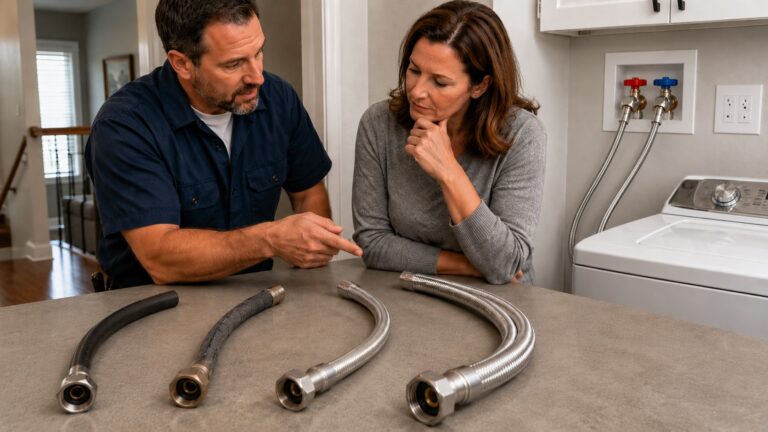
Minor clean-water flooding can happen quickly and without warning. A washing machine overflow, dishwasher leak, supply-line leak, or small plumbing failure can release enough water to soak flooring within minutes. Even when water appears shallow, moisture can move beneath flooring materials and remain trapped long after the surface looks dry.
Fast and thorough drying is essential after minor flooding. Moisture that remains beneath flooring creates ideal conditions for mold growth, structural weakening, and long-term odor problems. Many homeowners mistakenly assume that wiping up visible water solves the problem, but hidden moisture beneath flooring layers often causes damage days or weeks later.
Understanding proper drying techniques helps prevent mold growth and protects flooring materials from permanent damage. Acting quickly reduces moisture penetration and increases the chances of saving flooring without major repairs. This article focuses on drying flooring after a small water event; for broader recovery steps after leaks or repeated moisture problems, see how to prevent recurring moisture damage.
If moisture remains trapped beneath flooring after flooding, mold may develop even when floors appear dry. Understanding why floors develop mold after water damage helps explain why immediate drying is critical for preventing long-term problems.
What To Do Immediately After Minor Flooding
The first steps taken after minor flooding have a major impact on how successfully flooring dries. Quick action limits moisture spread and reduces the risk of mold growth. Delays allow water to move deeper into flooring systems, making drying more difficult and increasing the likelihood of structural damage.
Before beginning detailed drying procedures, it is important to stabilize the situation and remove as much water as possible.
Important: These drying steps apply to minor clean-water flooding. If the water may contain sewage, floodwater, chemicals, or contamination from a toilet backup, avoid direct contact with wet materials and call a professional restoration company. Also avoid using electrical fans, cords, or appliances in wet areas until electrical hazards have been ruled out.
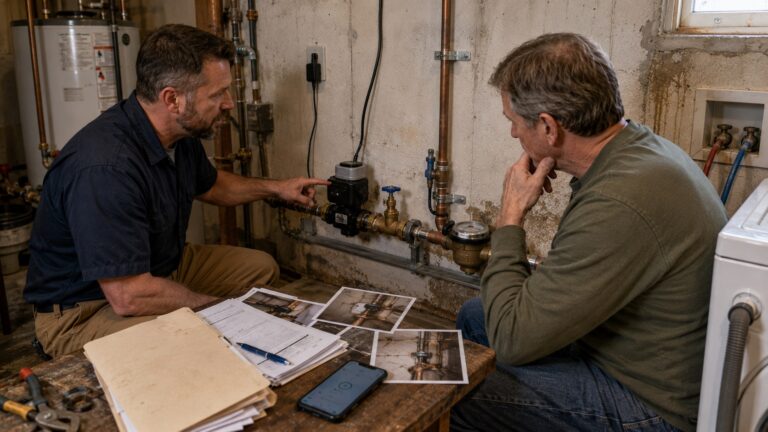
Stop the Water Source
The first priority after any flooding event is stopping the source of water. Water will continue spreading until the source is controlled, increasing the amount of moisture trapped beneath flooring.
Common steps to stop the water source include:
- Turning off appliance water supplies
- Closing main water shutoff valves
- Repairing visible plumbing failures
- Shutting down leaking equipment
- Blocking water entry points when possible
Stopping the flow of water limits the total volume entering flooring materials and reduces long-term drying time.
Remove Standing Water Quickly
Standing water should be removed as soon as possible to prevent moisture from soaking deeper into flooring layers. The longer water remains in contact with flooring, the greater the risk of damage.
Methods for removing standing water include:
- Using wet/dry vacuums
- Mopping with absorbent materials
- Using towels or cloths for small areas
- Using pumps for larger water volumes
- Redirecting water toward drains when available
Removing standing water reduces the amount of moisture available to soak into subfloor materials and underlayment layers.
Protect Surrounding Areas From Spread
Water from minor flooding often spreads beyond the initial location. Preventing further spread protects nearby flooring and reduces the total drying workload.
Helpful containment methods include:
- Using towels or barriers to limit water movement
- Removing nearby rugs or movable materials
- Blocking water paths toward adjacent rooms
- Elevating furniture away from wet areas
- Protecting vulnerable surfaces from exposure
Containing water early helps prevent hidden moisture from spreading beneath large sections of flooring.
How To Begin Drying Flooring Safely
Once standing water has been removed, the drying process must begin immediately. Drying flooring safely requires removing trapped moisture from both surface and hidden layers. Surface drying alone is not enough to prevent long-term damage.
The goal is to dry the surface while also pulling moisture out of seams, edges, underlayment, and subfloor materials.
Remove Wet Materials That Trap Moisture
Materials that remain wet can hold moisture against flooring surfaces and slow the drying process. Removing these materials improves airflow and allows moisture to evaporate more effectively.
Common materials to remove include:
- Wet rugs or carpets
- Floor mats and padding
- Furniture sitting directly on wet flooring
- Items stored on the floor
- Decorative coverings that retain moisture
Removing wet materials reduces moisture retention and speeds the drying process.
Increase Airflow Across the Flooring Surface
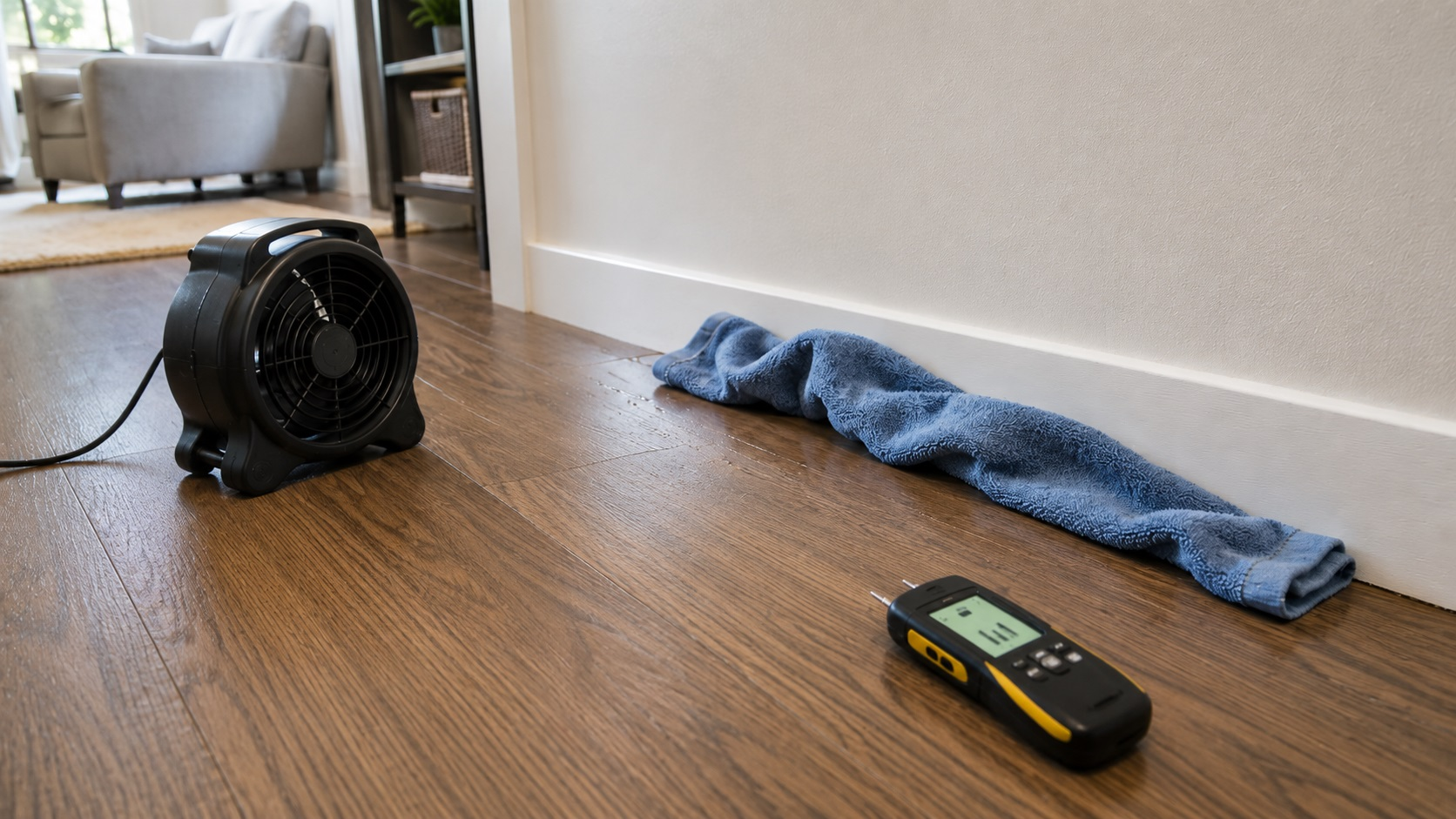
Airflow is essential for drying flooring after minor flooding. Moving air across wet surfaces increases evaporation and helps remove moisture from materials.
Effective airflow methods include:
- Using portable fans directed toward wet areas
- Opening windows when weather conditions allow
- Running HVAC systems to circulate air
- Positioning fans at multiple angles
- Maintaining consistent airflow throughout the room
Air movement helps carry moisture away from flooring surfaces, but fans should be aimed across the floor rather than straight down at one spot. Move air along seams, edges, baseboards, appliance bases, and room corners where water often lingers.
Use Dehumidifiers to Remove Moisture From Air
Dehumidifiers play a major role in drying flooring after flooding. While airflow helps evaporate moisture, dehumidifiers remove moisture from the air, allowing evaporation to continue more efficiently.
Without humidity control, moisture released from flooring may remain in the air and re-enter materials. Dehumidifiers prevent this cycle and accelerate drying.
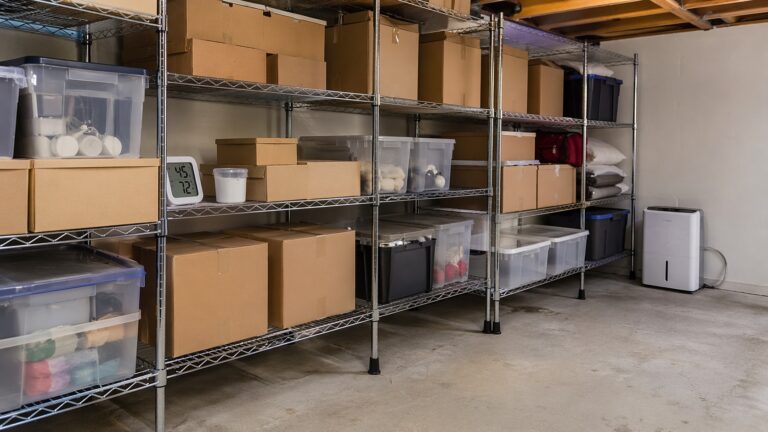
Using a dehumidifier is especially important in enclosed spaces such as basements, laundry rooms, and bathrooms where natural ventilation is limited. Empty the tank or use a drain hose so the unit can run continuously during the first stage of drying.
How Long Flooring Takes to Dry After Minor Flooding
Drying time varies depending on the type of flooring, the amount of water exposure, and environmental conditions such as humidity and airflow. Many homeowners expect floors to dry within a few hours, but deeper layers often take significantly longer to release trapped moisture.
Understanding realistic drying timelines helps prevent premature use of flooring that still contains hidden moisture.
Laminate Flooring Drying Time
Laminate flooring is highly sensitive to water exposure because its fiberboard core absorbs moisture quickly. Once water enters seams or edges, the core material can remain damp long after the surface appears dry.
Typical drying timelines for laminate flooring include:
- Surface drying: 6–12 hours
- Underlayment drying: 24–72 hours
- Subfloor drying: 2–5 days
Laminate flooring that remains wet for extended periods may swell or deform. If swelling occurs, mold risk increases significantly. Monitoring for early warning signs such as odor or distortion is important during the drying process.
If symptoms begin appearing during drying, learning to identify signs of mold under laminate flooring can help determine whether additional drying or inspection is required.
Vinyl Flooring Drying Time
Vinyl flooring resists water penetration from above but can trap moisture beneath its surface. Water trapped beneath vinyl materials often takes longer to evaporate due to limited airflow.
Typical drying timelines for vinyl flooring include:
- Surface drying: 4–10 hours
- Underlayment drying: 24–72 hours
- Subfloor drying: 2–4 days
Because vinyl flooring slows evaporation from below, drying may require additional airflow and humidity control to prevent moisture buildup.
Hardwood Flooring Drying Time
Hardwood flooring absorbs moisture and expands when wet. Although hardwood can release moisture over time, prolonged exposure increases the likelihood of warping and mold growth beneath the boards.
Typical drying timelines for hardwood flooring include:
- Surface drying: 6–12 hours
- Board drying: 2–5 days
- Subfloor drying: 3–7 days
Hardwood flooring often requires extended drying periods to prevent long-term damage. Moisture monitoring tools are particularly useful when drying hardwood materials.
How To Dry Subfloor Materials Effectively
Subfloor materials hold moisture longer than finished flooring surfaces. Because mold often develops beneath flooring layers, proper subfloor drying is one of the most important steps in preventing long-term problems.
Subfloor drying requires both airflow and moisture removal from hidden layers.
Lift Flooring Materials When Necessary
In some situations, lifting sections of flooring allows trapped moisture to escape. This step improves airflow to subfloor materials and speeds drying.
Signs that flooring may need to be lifted include:
- Persistent moisture beneath flooring
- Swelling seams or distorted boards
- Strong musty odors developing during drying
- Soft or spongy flooring areas
Lifting flooring should be done carefully to avoid unnecessary damage. When large areas are affected, professional assistance may be recommended.
Increase Airflow Beneath Flooring Layers
Directing airflow beneath flooring materials improves evaporation and reduces moisture retention. Air movement helps remove trapped moisture from subfloor materials that would otherwise remain damp.
Methods for increasing airflow beneath flooring include:
- Positioning fans toward exposed subfloor areas
- Removing baseboards where moisture is trapped
- Allowing airflow beneath lifted flooring sections
- Using air movers for larger areas
- Keeping affected areas ventilated during drying
When moisture remains beneath the floor, surface drying alone cannot fully solve the problem.
Monitor Moisture Levels During Drying
Monitoring moisture levels helps determine whether flooring is truly drying. Visual inspection alone is unreliable because surfaces often look dry before hidden layers are safe.
Useful moisture monitoring methods include:
- Using a moisture meter on flooring and subfloor materials
- Checking multiple areas, not only the visibly wet spot
- Comparing readings with unaffected flooring
- Repeating readings over several days
- Watching for readings that stop improving
If moisture readings remain elevated, drying should continue until materials return to normal levels.
For hidden moisture concerns beneath flooring, learning how to inspect flooring for hidden moisture can help confirm whether drying has reached deeper layers.
Signs That Flooring Is Fully Dry
Determining when flooring is fully dry is important because stopping too early allows trapped moisture to remain beneath the surface. Floors may appear dry long before hidden moisture has evaporated.
A floor should not be considered fully dry based on appearance alone.
Normal Moisture Readings Return
Moisture readings should return to levels similar to unaffected areas of the home. Comparing affected and unaffected flooring provides a practical baseline.
If readings remain higher in the flooded area, moisture is still present. Continued drying is necessary until readings stabilize.
No Musty Odors Are Present
A musty odor after flooding often indicates lingering moisture or early mold growth. Flooring should smell normal before drying equipment is removed.
Odors may become more noticeable when fans or dehumidifiers are running because air movement draws smells from beneath flooring materials.
Flooring Feels Firm and Stable
Flooring should feel firm, stable, and consistent after drying. Soft spots, springiness, or movement may indicate moisture damage beneath the surface.
Any area that feels soft or unstable should be inspected further before normal use resumes.
Common Mistakes That Slow Flooring Drying
Certain mistakes make flooring harder to dry after minor flooding. Avoiding these errors helps prevent trapped moisture and reduces the risk of mold growth.
Stopping Drying Too Soon
One of the most common mistakes is stopping drying once the surface looks dry. Surface appearance does not confirm that underlayment or subfloor materials are dry.
Drying should continue until hidden layers are confirmed dry through moisture readings or professional inspection. Stopping too soon allows moisture to remain trapped where mold can develop.
Covering Wet Flooring With Rugs or Mats
Rugs, mats, and furniture can trap moisture against flooring surfaces. Covering wet areas prevents evaporation and slows drying.
These materials should remain removed until flooring is fully dry. Reinstalling them too soon can restart moisture problems beneath the surface.
Using Too Little Airflow
Insufficient airflow slows evaporation and allows moisture to remain trapped. A single small fan may not move enough air to dry flooring materials thoroughly.
Multiple fans positioned strategically improve airflow and accelerate moisture removal. Dehumidifiers should operate continuously during drying to maintain low humidity levels.
Combining airflow with humidity control significantly improves drying performance.
Closing Rooms Too Early During Drying
Closing doors or windows too early can trap humidity inside affected areas. This slows evaporation and allows moisture to remain trapped beneath flooring.
Maintaining ventilation during drying supports moisture removal and reduces drying time. Rooms should remain ventilated until moisture levels return to normal.
If drying mistakes allow moisture to remain trapped, mold development becomes more likely. Understanding how to prevent mold under flooring helps reduce long-term risks after drying is complete.
When Minor Flooding Requires Professional Help
Although many minor flooding situations can be managed with careful drying, certain conditions require professional assistance. Recognizing these situations helps prevent long-term structural damage and mold growth.
Water Reached Large Sections of Flooring
Minor flooding that spreads across large areas increases drying difficulty. Moisture trapped beneath extensive flooring sections may require specialized equipment to remove effectively.
Large-area moisture exposure increases mold risk, especially if drying is delayed or incomplete. Professional help is also safer if water reached wall cavities, electrical outlets, HVAC registers, or multiple rooms.
Flooring Shows Signs of Persistent Damage
If flooring remains swollen, soft, or uneven after drying attempts, moisture may still be trapped beneath the surface. Persistent damage often indicates deeper moisture problems that require professional evaluation.
Ignoring these warning signs increases the likelihood of mold growth beneath flooring materials. If the floor remains swollen, soft, separated, or unstable after drying, review when flooring must be replaced after flooding before covering the area or reinstalling materials.
Odors Develop During the Drying Process
Musty odors appearing during drying suggest that mold growth may already be starting. These odors should not be ignored, especially when combined with visible flooring damage.
If odors develop, do not cover the floor, reinstall trim, or assume the area is dry until hidden moisture has been checked.
FAQ — How to Dry Flooring After Minor Flooding
How long does flooring take to dry after minor flooding?
Drying time depends on flooring type, humidity levels, and the amount of water exposure. Most flooring surfaces dry within several hours, but deeper materials such as underlayment and subfloors may take two to seven days to dry completely. Monitoring moisture levels is the most reliable way to confirm that drying is complete.
Can I dry flooring without removing boards?
In some minor flooding situations, flooring can dry without removal if moisture levels remain low and drying begins quickly. However, if water becomes trapped beneath flooring materials or swelling occurs, lifting sections of flooring may be necessary to allow proper airflow and drying.
Does using a fan dry flooring fast enough?
Fans help increase airflow and speed evaporation, but they are rarely sufficient on their own. Combining fans with dehumidifiers provides better results by removing moisture from the air and preventing reabsorption into flooring materials.
How do I know if the subfloor is dry?
The most reliable method for confirming subfloor dryness is using a moisture meter. These tools measure moisture content inside materials and help determine whether hidden moisture remains beneath flooring surfaces.
Can minor flooding cause mold growth?
Yes. Even a small clean-water overflow can cause mold if moisture remains trapped beneath flooring materials for more than 24 to 48 hours. Acting quickly and drying materials thoroughly helps reduce mold risk after minor water events.
Conclusion
Drying flooring after minor flooding requires fast action, proper airflow, and careful moisture control. While removing standing water is an important first step, complete drying depends on reaching hidden layers beneath the surface.
Many mold problems begin when drying stops too early or fails to remove moisture from deeper materials. Continuing drying until all components are fully dry protects flooring systems and reduces the likelihood of long-term structural damage.
Minor flooding does not always require major repairs, but ignoring hidden moisture can lead to expensive restoration later. Acting quickly and following proper drying methods helps protect both flooring materials and indoor air quality.
Key Takeaways
- Begin drying immediately after minor flooding to reduce moisture penetration.
- Remove standing water quickly to limit damage to flooring materials.
- Use both airflow and dehumidifiers to speed evaporation.
- Continue drying until deeper materials return to safe moisture levels.
- Persistent odors or soft flooring may indicate hidden moisture requiring further attention.
- Do not treat sewage, toilet backup, or contaminated floodwater as a normal DIY drying project.