
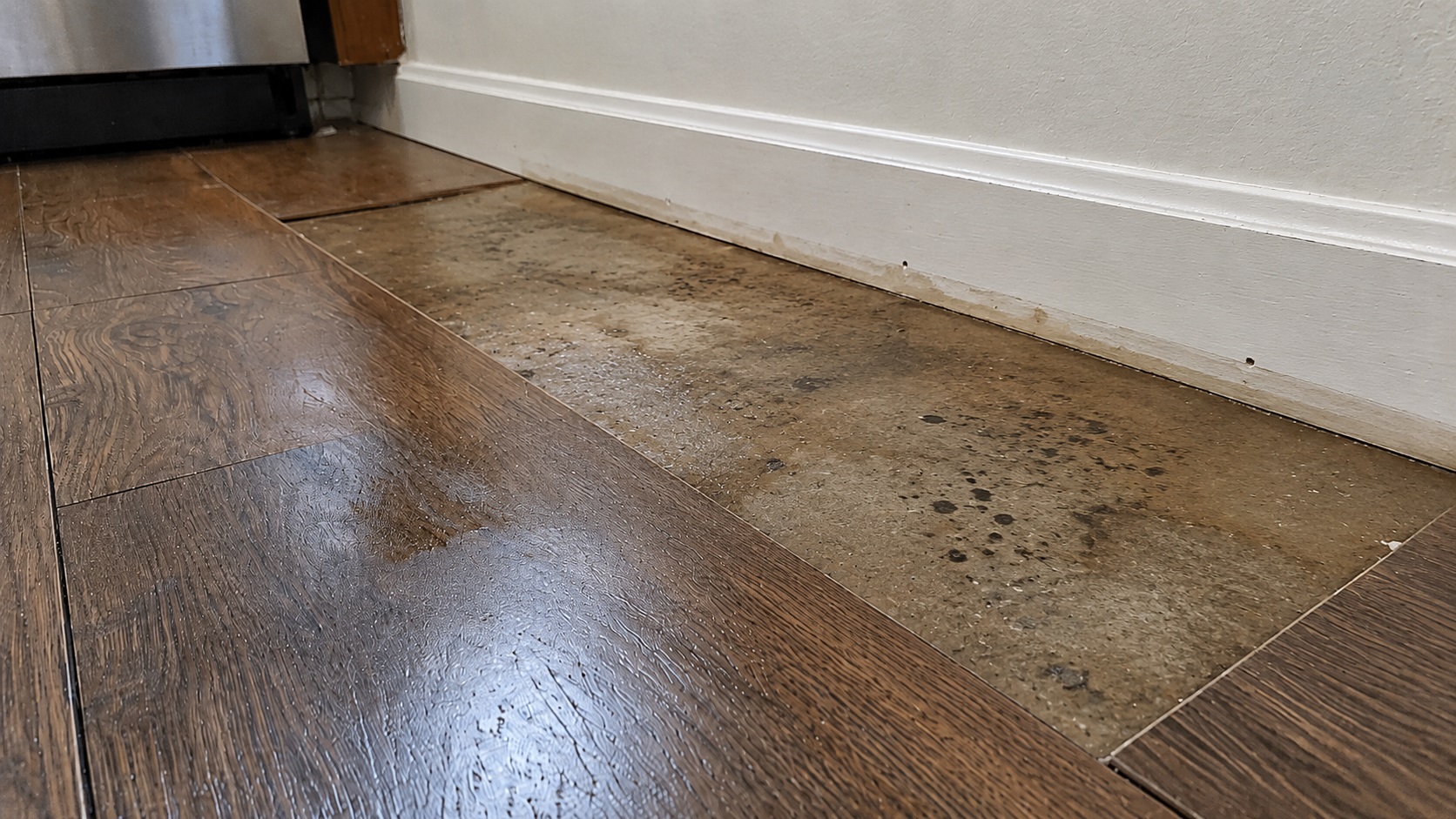
Why Floors Develop Mold After Water Damage
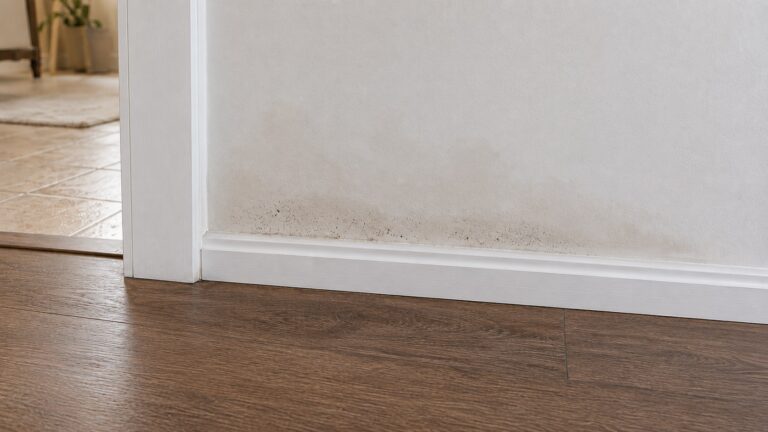
Floors develop mold after water damage when moisture slips below the surface and stays trapped in underlayment, subfloor panels, seams, or absorbent flooring cores. The top of the floor may look dry while hidden layers remain damp long enough for mold to grow. This delayed moisture is one of the main reasons mold can seem to appear unexpectedly days or weeks after a leak, spill, flood, or appliance overflow.
Water moves quickly into flooring systems, but it dries much more slowly once trapped beneath the surface. Materials such as underlayment, subfloor panels, and laminate cores can hold moisture for extended periods. When these materials remain damp, they create ideal conditions for mold growth that may not be visible until damage becomes widespread.
Understanding why mold develops after water damage helps homeowners recognize hidden risks and avoid repeating mistakes that allow moisture to remain trapped. Mold growth does not happen randomly—it follows predictable patterns that begin with moisture infiltration, hidden retention, and delayed drying. This is why floor mold often fits into a larger pattern of moisture problems that keep returning after the visible cleanup appears finished.
If mold is already suspected beneath a laminate floor, recognizing early warning indicators such as signs of mold under laminate flooring can help confirm whether water damage has progressed into active mold development.
What Happens to Flooring During Water Damage
Water damage affects flooring systems in ways that are not always immediately visible. Even small amounts of water can penetrate seams, edges, and structural layers beneath the surface. Once moisture enters these hidden areas, it begins interacting with materials that are highly vulnerable to long-term dampness.
The key issue is that floors dry in layers, not all at once.
Water Penetrates Beneath the Surface Quickly
When water reaches flooring materials, it rarely stays confined to the visible surface. Instead, moisture moves through seams, joints, and small openings that exist between boards and along edges.
Common pathways for water infiltration include:
- Seams between laminate or vinyl planks
- Gaps near walls or baseboards
- Floor transitions between rooms
- Expansion joints and trim edges
- Cracks in underlying materials
Once water reaches these pathways, it spreads beneath flooring layers where it becomes difficult to detect or remove. Even short-term exposure can introduce moisture deep into flooring systems.
Moisture Moves Into Subfloor Materials
After water passes through surface layers, it begins soaking into subfloor materials. Most subfloors are constructed from wood-based materials such as plywood or oriented strand board (OSB), both of which absorb moisture easily.
These materials act like sponges, drawing moisture inward and holding it for extended periods. Unlike surface moisture, which evaporates relatively quickly, moisture inside subfloor materials can remain trapped long after visible drying occurs.
When moisture saturates subfloor materials, mold risk increases significantly. Organic materials such as wood fibers provide nutrients that support mold growth once moisture remains present.
Surface Drying Can Be Misleading
One of the most dangerous aspects of water damage is the illusion of dryness. Surface materials may appear dry within hours, especially when exposed to air movement or sunlight. However, deeper layers often remain damp.
Homeowners frequently rely on visual inspection to determine whether floors have dried, but this method does not detect moisture hidden beneath the surface. Without proper drying techniques, water remains trapped inside structural materials where mold can begin forming.
This misunderstanding often leads to delayed mold discovery, especially when flooring appears normal while hidden layers remain wet.
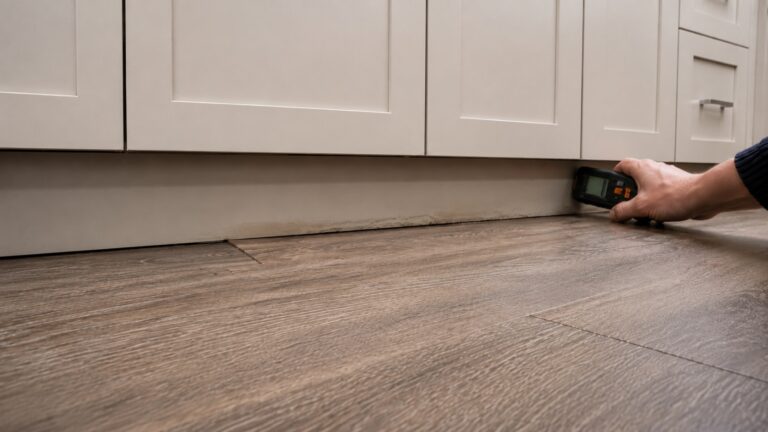
After water damage, check for swelling at seams, soft spots, musty odor, cupping, raised edges, damp baseboards, or moisture readings that remain elevated near the affected area. These clues are more reliable than surface appearance alone.
How Moisture Becomes Trapped Under Floors
Once water enters flooring systems, removing it becomes harder because the same tight layers that make floors durable can also trap moisture. Mold risk rises when water is held between the finished floor, underlayment, and subfloor instead of evaporating into open air.
Floating Floors Create Moisture Pockets
Floating flooring systems, such as laminate and many vinyl plank floors, are installed above the subfloor rather than being permanently attached to it. This installation method creates small air gaps beneath the flooring surface.
While these gaps allow for natural expansion and contraction, they also create pockets where moisture can collect. Water that seeps through seams or edges often spreads across these spaces and remains trapped beneath the flooring.
Moisture pockets beneath floating floors are particularly dangerous because they allow water to spread horizontally. This means a small water leak can affect much larger sections of flooring than initially expected.
Underlayment Materials Retain Water
Underlayment layers are commonly installed beneath flooring to provide cushioning, sound reduction, and moisture resistance. However, many underlayment materials absorb water rather than repel it completely.
Foam, felt, and fiber-based underlayment materials can hold moisture for extended periods. Once saturated, these materials create long-lasting damp conditions beneath flooring surfaces.
Moisture trapped in underlayment layers often remains hidden because it is sealed beneath finished flooring materials. As long as dampness persists, mold spores have the conditions they need to begin growing.
Limited Airflow Slows the Drying Process
Airflow plays a critical role in drying moisture from structural materials. Unfortunately, flooring systems restrict airflow beneath the surface, preventing moisture from evaporating efficiently.
Without sufficient airflow, trapped moisture remains in place for extended periods. Even when fans or dehumidifiers are used above the floor, airflow rarely reaches the deepest layers where moisture remains.
This lack of airflow is one reason flooring often needs deeper drying or inspection after water exposure, especially when water reached seams, edges, or underlayment.
How Quickly Mold Can Develop After Water Damage
Mold does not always develop immediately after water damage. Instead, it follows a predictable timeline that depends on moisture levels, temperature, and material type. Recognizing this timeline helps homeowners understand why mold problems sometimes appear days or weeks after an initial water event.
Early Moisture Stage (First 24–48 Hours)
During the early stage after water exposure, moisture spreads into flooring materials and subfloor layers. At this point, mold has not yet fully developed, but conditions are becoming favorable for growth.
If drying begins quickly during this stage, mold growth may be prevented. However, if moisture remains trapped beyond the first 24 to 48 hours, mold risk increases significantly.
Early drying efforts are critical during this period. Delays allow moisture to penetrate deeper into materials, making removal more difficult.
Active Mold Growth Stage (48–72 Hours)
Once moisture remains present for more than 48 hours, mold spores may begin developing into active colonies. These spores naturally exist in indoor environments and only require moisture and organic material to grow.
During this stage, mold growth typically begins within hidden areas beneath flooring materials. Visible signs are rare at this point, but microbial activity is already underway.
Because mold growth begins in concealed spaces, homeowners often remain unaware of the problem during this stage.
Odor Development Stage (Several Days to Weeks)
As mold colonies expand, they begin releasing gases that create noticeable odors. Musty smells are often the first obvious indicator that mold has developed beneath flooring materials.
These odors may become stronger when rooms remain closed or when humidity increases. Many homeowners first detect mold problems during this stage, even though growth may have started days earlier.
If odors appear following water damage, the problem has likely moved beyond surface drying. For prevention-focused next steps, see how to prevent mold under flooring.
Why Floors Sometimes Smell Long After Drying
Musty odors that appear after a floor seems dry often mean moisture remained below the surface long enough to support microbial growth.
Odors that develop days or weeks after water exposure usually signal hidden mold growth or lingering dampness in structural materials, especially when the smell becomes stronger during humid weather or after the room has been closed.
Hidden Moisture Continues Feeding Mold Growth
Even after surface moisture disappears, deeper materials such as subfloors and underlayment layers may remain damp. Mold colonies can continue growing in these concealed areas as long as moisture remains available.
This ongoing growth produces microbial gases that cause the familiar musty odor associated with mold. Because these gases move through air spaces, odors may travel into nearby rooms even when mold remains hidden beneath the floor.
Hidden moisture is especially likely when drying efforts focused only on visible surfaces rather than deeper materials.
Temperature and Humidity Reactivate Odors
Mold odors often become stronger when humidity increases or temperatures fluctuate. Warm air holds more moisture, allowing hidden damp materials to release additional odor-producing gases.
This explains why odors may seem to disappear temporarily and then return during humid weather. Changes in environmental conditions can reactivate lingering mold growth beneath flooring materials.
Recurring odors that return under humid conditions strongly suggest that moisture remains trapped somewhere within the flooring system.
Subfloor Materials Hold Moisture Longer Than Expected
Subfloor materials can retain moisture for extended periods, especially when water exposure was significant. Wood-based materials absorb water deeply, making complete drying more difficult than surface cleaning alone.
Even when flooring appears dry, subfloor materials may still contain moisture that supports mold growth. Without proper drying techniques, these materials can remain damp for weeks.
Common Floor-Drying Mistakes That Lead to Mold
Many mold problems after water damage occur because drying methods were incomplete or focused only on the visible surface. These mistakes leave moisture trapped beneath flooring materials even after the cleanup appears successful.
Drying Only the Surface of the Floor
Surface drying is one of the most common mistakes following water damage. Wiping visible water or running fans across flooring surfaces removes moisture from the top layer but does little to address water trapped beneath.
Moisture hidden beneath flooring continues feeding mold growth even when surfaces appear dry. Without addressing deeper layers, mold conditions remain active.
Proper drying requires reaching underlayment and subfloor materials rather than focusing only on visible surfaces.
Delaying Drying After Water Exposure
Time plays a critical role in mold development. Delaying drying efforts allows moisture to spread into deeper layers of flooring systems.
Even short delays increase mold risk because moisture becomes more difficult to remove as it spreads through porous materials. Once water saturates subfloor materials, drying becomes significantly more challenging.
Prompt response following water exposure is essential for limiting mold growth beneath flooring.
Using Insufficient Airflow or Equipment
Standard household fans often lack the power required to remove moisture from deep structural materials. While fans help circulate air, they rarely penetrate beneath flooring layers where moisture remains trapped.
Professional drying equipment, including high-capacity air movers and dehumidifiers, is often required to remove moisture effectively from concealed areas.
Insufficient airflow allows moisture to remain in place, increasing the likelihood of mold development beneath flooring materials.
For step-by-step drying guidance, use how to dry flooring after minor flooding rather than relying only on surface wiping or room fans.
Why Some Flooring Types Are More Vulnerable to Mold
Not all flooring materials respond to water exposure in the same way. Some flooring types are more vulnerable to mold growth because they absorb moisture more easily or trap water beneath the surface.
Laminate Flooring Absorbs Moisture Quickly
Laminate flooring contains fiberboard cores that absorb moisture rapidly. Once water reaches these cores, swelling occurs and moisture remains trapped inside the material.
This trapped moisture increases mold risk significantly, especially when laminate flooring remains damp for extended periods. Swelling seams and raised edges often indicate moisture infiltration beneath laminate surfaces.
Laminate flooring is particularly vulnerable when installed in areas exposed to spills or humidity.
Vinyl Flooring Can Trap Moisture Beneath the Surface
Vinyl flooring resists water penetration from above, but this resistance can create unexpected problems beneath the surface. Water that enters beneath vinyl flooring may remain trapped because the material limits evaporation.
Moisture trapped beneath vinyl surfaces can spread across large areas without visible warning signs. This hidden moisture increases mold risk beneath the flooring system.
If vinyl flooring is installed in moisture-prone areas, it becomes especially important to watch for signs of moisture under vinyl flooring, which may indicate developing mold conditions.
Hardwood Flooring Swells and Retains Moisture
Hardwood flooring expands when exposed to water. While hardwood may dry more effectively than laminate in some cases, prolonged moisture exposure can still support mold growth beneath the boards.
Moisture trapped beneath hardwood flooring often affects subfloor materials, leading to hidden mold development beneath the surface.
Understanding how each flooring type responds to moisture helps explain why certain materials experience mold problems more frequently after water damage.
When Floor Mold Risk Becomes Serious After Water Damage
Not every water damage event leads to mold, but certain conditions significantly increase the likelihood of serious contamination. Mold risk becomes more concerning when moisture remains trapped for extended periods or spreads across large areas beneath flooring materials.
Recognizing when mold risk has escalated helps homeowners decide when professional evaluation or remediation may be necessary.
Professional evaluation is especially important after sewage exposure, outdoor floodwater, large-area saturation, repeated leaks, soft or crumbling subfloor materials, or musty odors that continue after drying attempts.
Moisture Remains for More Than 48 Hours
The amount of time moisture remains trapped beneath flooring plays a major role in mold development. When moisture persists beyond 48 hours, mold growth becomes increasingly likely.
Water that remains hidden beneath flooring layers often goes unnoticed, allowing mold to establish before visible symptoms appear. The longer moisture remains present, the more extensive mold growth may become.
Prompt drying within the first two days is one of the most important factors in preventing widespread mold contamination.
Large Sections of Flooring Were Exposed to Water
Water damage affecting large areas increases the risk of mold because moisture spreads beneath flooring materials over wide distances. Flooding events and major leaks often introduce water into multiple layers simultaneously.
When large sections of flooring become wet, moisture may travel far beyond the original source of water exposure. This horizontal movement allows mold to develop in locations that were not directly affected by visible water.
Large-area exposure requires careful inspection to ensure that moisture has been removed from all affected areas.
Odors Develop Weeks After the Original Water Event
Musty odors appearing weeks after water exposure strongly suggest hidden mold growth. These delayed odors indicate that moisture remained trapped long enough to support microbial development.
Delayed odor development often surprises homeowners because visible signs of moisture may have disappeared long before the smell appears. This timeline reflects the natural progression of mold growth beneath concealed materials.
If mold symptoms begin appearing after water exposure, identifying signs of mold under laminate flooring or similar material-specific symptoms can help determine whether contamination has already begun beneath flooring systems.
FAQ — Why Floors Develop Mold After Water Damage
How long does it take mold to grow after water damage?
Mold can begin developing within 24 to 48 hours after moisture becomes trapped beneath flooring materials. However, visible signs may not appear for several days or weeks, depending on moisture levels and environmental conditions.
Why does my floor smell after drying?
Persistent odors often indicate that moisture remains trapped beneath flooring materials. Even if the surface appears dry, deeper layers such as underlayment or subfloor materials may still contain moisture that supports mold growth.
Can mold grow even if floors look dry?
Yes. Floors can appear dry while hidden materials remain damp. Mold grows in concealed spaces where moisture persists, which is why visual inspection alone is not reliable for confirming that flooring systems are fully dry.
Does professional drying prevent mold completely?
Professional drying significantly reduces mold risk but does not eliminate it entirely in every situation. If moisture reaches deep structural layers or drying begins too late, mold may still develop despite drying efforts.
Why does mold sometimes appear weeks after water damage?
Mold growth often begins in hidden areas where moisture remains trapped. Colonies may take days or weeks to grow large enough to produce noticeable odors or visible symptoms, which explains delayed mold detection after water damage.
What to Remember About Floor Mold After Water Damage
Floor mold after water damage usually develops because moisture remains trapped below the visible surface. If the floor was wet for more than 24 to 48 hours, smells musty, feels soft, shows swelling, or was exposed over a wide area, the risk is no longer just surface dampness. Hidden layers may need deeper inspection before the floor is covered, sealed, or assumed dry.
Key Takeaways
- Mold often develops after water damage because moisture becomes trapped beneath flooring materials.
- Surface dryness does not guarantee that deeper materials are fully dry.
- Mold growth can begin within 24 to 48 hours when moisture remains present.
- Floating floors and underlayment layers can trap moisture for extended periods.
- Delayed odors often indicate hidden mold growth beneath flooring systems.
One Comment
Comments are closed.