How to Prevent Mold Under Flooring
Mold beneath flooring often develops long before visible damage appears on the surface. Because most flooring systems trap moisture beneath finished materials, mold can grow silently in underlayment layers or subfloors without immediate warning signs. Once mold becomes established, repairs can be expensive and may require removing large sections of flooring.
Preventing mold under flooring begins with controlling moisture before it becomes trapped beneath surface materials. Whether you are installing new flooring or maintaining existing floors, understanding how mold develops allows you to take proactive steps that protect your home and indoor air quality.
Many mold problems beneath flooring start with overlooked moisture sources such as minor leaks, humidity buildup, or improper installation practices. By addressing these risks early, homeowners can significantly reduce the likelihood of mold growth and prevent long-term structural damage.
If mold has already developed beneath flooring, prevention strategies alone may not be enough. In those cases, understanding the full process of removing mold permanently can help guide safe and effective remediation decisions before prevention methods are applied.
Why Mold Forms Beneath Flooring
Understanding why mold forms beneath flooring is the foundation of effective prevention. Mold does not appear randomly—it develops when moisture becomes trapped in conditions that support microbial growth. Flooring systems naturally create enclosed spaces that can hold moisture for extended periods, especially when airflow is limited.
Several conditions commonly combine to create mold risk beneath flooring. Recognizing these conditions allows homeowners to identify vulnerabilities before mold develops.
Moisture Gets Trapped Under Flooring Materials
The most important factor in mold development beneath flooring is trapped moisture. Water can enter flooring systems through spills, leaks, flooding, or humidity buildup. Once moisture reaches the underlayment or subfloor, it may remain trapped beneath the finished surface.
Even moisture-resistant flooring types are not immune to this problem. Water that seeps through seams, edges, or gaps can accumulate beneath flooring layers and remain undetected for extended periods.
Common sources of trapped moisture include:
- Minor plumbing leaks beneath appliances
- Spills that seep between flooring seams
- Water intrusion near exterior doors
- Moisture migrating upward from concrete slabs
- Humidity buildup in enclosed spaces
When moisture remains trapped beneath flooring materials, mold growth becomes increasingly likely. Understanding how moisture behaves beneath floors is critical for preventing mold before it begins.
Limited Airflow Slows Drying Beneath Floors
Most flooring systems are designed to create tight, enclosed surfaces that resist movement. While this improves durability and comfort, it also restricts airflow beneath the flooring surface.
Limited airflow prevents moisture from evaporating quickly. Without ventilation, even small amounts of trapped moisture can remain in place long enough to support mold growth.
This problem is especially common with floating floor systems, which create small air pockets beneath the flooring surface. Moisture entering these pockets may remain trapped for extended periods.
In high-risk areas such as basements and bathrooms, airflow limitations increase mold risk significantly. Improving ventilation in these areas is an essential prevention strategy.
Organic Materials Support Mold Growth
Mold requires organic material to grow, and many flooring systems contain materials that provide suitable food sources. Wood-based subfloors, fiberboard cores, and some underlayment materials contain organic components that mold can digest.
Once moisture reaches these materials, mold spores that naturally exist in indoor air can begin to grow. Because mold spores are present in nearly every indoor environment, moisture control becomes the primary method of prevention.
Organic materials commonly found beneath flooring include:
- Plywood or OSB subfloors
- Fiberboard laminate cores
- Paper-backed insulation layers
- Felt or fiber-based underlayments
- Dust and debris trapped beneath flooring
When these materials remain damp for extended periods, mold growth becomes highly likely. Preventing moisture buildup is therefore the most effective strategy for protecting flooring systems.
Use Proper Moisture Barriers Under Flooring
One of the most effective ways to prevent mold under flooring is to install proper moisture barriers. These barriers limit the movement of water vapor from below the floor and reduce the risk of moisture accumulating beneath flooring materials.
Moisture barriers are especially important in areas where flooring is installed over concrete slabs, crawlspaces, or basements. Without adequate protection, moisture can migrate upward into flooring systems and remain trapped beneath finished surfaces.
Install Vapor Barriers Over Concrete Slabs
Concrete slabs naturally release moisture as they cure and continue to absorb moisture from surrounding soil over time. Even when concrete appears dry, water vapor can move through the slab and affect flooring materials installed above it.
Installing a vapor barrier between the slab and flooring helps block moisture migration. This protective layer reduces the risk of long-term dampness beneath flooring materials.
Common vapor barrier materials include:
- Polyethylene plastic sheets
- Foil-backed membranes
- Moisture-resistant underlayment systems
- Liquid-applied vapor sealers
Vapor barriers should be installed according to manufacturer recommendations to ensure proper coverage and performance. Gaps or incomplete installation can allow moisture to bypass the barrier and create localized mold risk beneath flooring.
Choose Underlayment With Moisture Protection
Underlayment materials provide cushioning and noise reduction, but many also include moisture-resistant features that help reduce mold risk. Selecting underlayment designed for moisture control adds an extra layer of protection beneath flooring systems.
Moisture-resistant underlayment types often include built-in vapor barriers or sealed surfaces that limit water absorption. These materials reduce the likelihood of moisture being trapped against subfloors.
When selecting underlayment, consider:
- Moisture resistance ratings
- Compatibility with flooring materials
- Installation location (basement, slab, crawlspace)
- Local humidity conditions
Using appropriate underlayment is particularly important in areas exposed to humidity or occasional moisture exposure.
Seal Floor Edges and Expansion Gaps
Floor edges and expansion gaps create natural entry points for moisture. Water entering through these areas can migrate beneath flooring materials and remain hidden from view.
Sealing edges with appropriate trim, transition strips, or moisture-resistant materials helps prevent water intrusion beneath flooring surfaces. Proper sealing also reduces the likelihood of moisture spreading across large areas beneath the floor.
Expansion gaps should never be eliminated entirely, as they allow flooring to expand and contract naturally. However, properly installed trim components help direct moisture away from vulnerable edges.
Preventing water entry at floor edges is one of the most overlooked but effective methods of reducing mold risk beneath flooring.
Control Indoor Humidity to Prevent Mold
Humidity control plays a major role in preventing mold growth beneath flooring. Even when no leaks or spills occur, high humidity levels can introduce moisture into flooring systems over time.
Maintaining proper humidity levels reduces the likelihood of condensation forming beneath flooring materials. This preventive step protects both finished flooring and structural components below the surface.
Maintain Ideal Indoor Humidity Levels
Indoor humidity should generally remain between 30% and 50% to reduce mold risk. When humidity rises above this range, moisture in the air can condense on cool surfaces, including subfloors and concrete slabs.
High humidity environments increase the likelihood of moisture accumulation beneath flooring materials. Maintaining stable humidity levels helps reduce long-term mold risk.
Monitoring humidity regularly allows homeowners to detect problems before mold conditions develop. Small changes in humidity can signal underlying moisture issues that require attention.
Use Dehumidifiers in High-Risk Areas
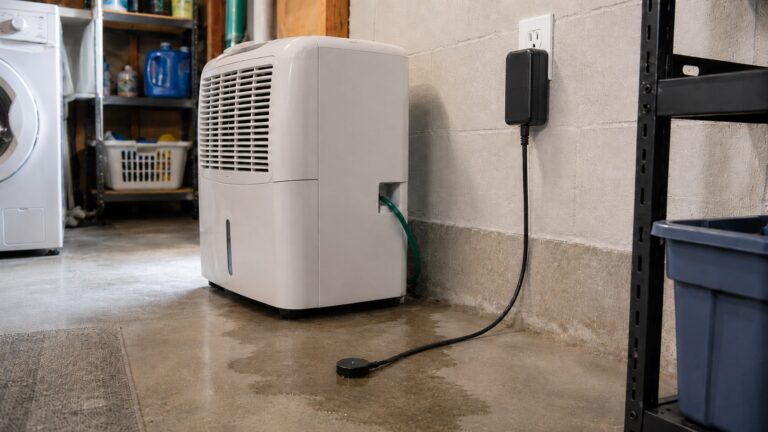
Dehumidifiers are one of the most effective tools for reducing moisture levels in enclosed spaces. Basements, crawlspaces, and rooms with poor ventilation often benefit from dedicated humidity control equipment.
Using a dehumidifier helps maintain stable humidity levels and reduces the risk of condensation beneath flooring materials. Consistent humidity control prevents moisture from accumulating in hidden areas.
Dehumidifiers are especially useful in regions with naturally high humidity or seasonal moisture fluctuations. In these environments, long-term humidity control becomes essential for preventing mold growth beneath flooring.
Improve Ventilation Throughout the Home
Ventilation helps remove moisture from indoor air before it accumulates in structural spaces. Proper airflow reduces the likelihood of condensation and supports faster drying after minor moisture exposure.
Improving ventilation can involve:
- Using exhaust fans in kitchens and bathrooms
- Opening windows when outdoor conditions allow
- Ensuring attic and crawlspace ventilation is functioning properly
- Maintaining HVAC systems to support balanced airflow
Ventilation improvements reduce moisture buildup throughout the home, lowering the risk of mold forming beneath flooring systems.
Prevent Water From Reaching Flooring Materials
Stopping water before it reaches flooring materials is one of the most effective ways to prevent mold beneath floors. Even small amounts of water can seep into seams, edges, or subfloor materials and remain trapped long enough to support mold growth.
Preventing water intrusion requires consistent maintenance and quick response to moisture problems. Identifying potential water entry points early helps protect flooring systems from hidden moisture damage.
Fix Leaks as Soon as They Are Discovered
Small leaks are one of the most common causes of mold beneath flooring. Even minor drips from plumbing connections can release enough moisture to support mold growth over time.
Leaks should be repaired immediately to prevent water from spreading beneath flooring materials. Delayed repairs allow moisture to accumulate in concealed spaces where mold can develop without visible warning signs.
Common leak locations that require regular inspection include:
- Under kitchen and bathroom sinks
- Behind refrigerators and dishwashers
- Near washing machines and water heaters
- Along exposed plumbing lines
- At appliance supply hoses
Regular inspection of these areas helps identify leaks before moisture spreads beneath flooring systems.
Seal Entry Points Where Water Can Intrude
Water often enters homes through gaps around doors, windows, or exterior walls. These entry points allow moisture to migrate beneath flooring materials, especially during heavy rain or snow.
Sealing vulnerable areas reduces the risk of water reaching subfloor materials. Proper sealing also protects structural components from long-term moisture exposure.
Important sealing locations include:
- Exterior door thresholds
- Window frames near flooring surfaces
- Wall penetrations for plumbing or wiring
- Foundation cracks or gaps
- Transition areas between flooring types
Routine inspection of these areas helps prevent water intrusion that could lead to hidden mold beneath flooring materials.
Protect Flooring Around Appliances
Appliances that use water create elevated mold risk beneath nearby flooring. Dishwashers, refrigerators, washing machines, and water heaters can develop leaks without immediate visibility.
Protective measures around appliances help limit moisture exposure. Installing leak detection devices or protective trays reduces the chance of unnoticed water accumulation beneath flooring systems.
When water exposure occurs, proper drying procedures are essential. Learning how to dry flooring after minor flooding helps reduce the likelihood of mold development following unexpected water events.
Best Practices During Flooring Installation
Proper installation practices play a major role in preventing mold beneath flooring materials. Installing flooring over damp surfaces or skipping moisture protection steps increases long-term mold risk.
Following correct installation methods helps ensure that flooring systems remain dry and stable throughout their lifespan.
Install Flooring Only Over Dry Subfloors
Subfloors must be completely dry before flooring materials are installed. Installing flooring over damp subfloors traps moisture beneath finished surfaces, creating ideal mold conditions.
Moisture testing tools are commonly used to verify subfloor dryness before installation. These tools help confirm that moisture levels are within safe limits for flooring installation.
Ignoring subfloor moisture conditions can lead to early mold development beneath flooring systems. Verifying dryness before installation significantly reduces this risk.
Allow Flooring Materials to Acclimate
Flooring materials should be allowed to adjust to indoor conditions before installation. This process, known as acclimation, helps materials stabilize in response to humidity and temperature changes.
Skipping acclimation increases the likelihood of expansion or contraction after installation. These movements can create gaps that allow moisture to enter beneath flooring materials.
Following manufacturer acclimation recommendations helps ensure proper installation performance and reduces long-term mold risk.
Use Proper Installation Techniques
Correct installation techniques help prevent moisture from becoming trapped beneath flooring materials. Professional installers follow specific procedures to maintain proper spacing, sealing, and moisture protection.
Important installation practices include:
- Maintaining recommended expansion gaps
- Using approved vapor barriers
- Ensuring tight seam connections
- Following manufacturer installation instructions
- Avoiding installation over wet materials
Proper installation reduces the likelihood of moisture infiltration and helps maintain long-term flooring durability.
Routine Maintenance That Reduces Mold Risk
Preventing mold beneath flooring requires ongoing maintenance rather than one-time preparation. Regular inspections and quick responses to moisture problems help prevent small issues from becoming large-scale mold events.
Routine maintenance supports long-term moisture control and protects flooring materials from hidden damage.
Inspect Flooring Areas Regularly
Routine inspections help identify moisture problems before mold develops. Checking flooring areas for changes in texture, odor, or appearance allows homeowners to detect potential problems early.
Inspection areas should include:
- Floor edges near exterior walls
- Seams around appliances
- Transitions between flooring types
- Areas exposed to frequent moisture
- Rooms with elevated humidity
Learning how to inspect flooring for hidden moisture provides additional guidance for identifying concealed moisture conditions before mold growth begins.
Clean and Maintain Flooring Properly
Regular cleaning removes debris and organic material that can support mold growth when moisture is present. Keeping flooring surfaces clean reduces the availability of nutrients that mold requires to grow.
Cleaning practices should avoid excessive moisture. Over-wetting flooring during cleaning increases the risk of water seeping into seams and reaching subfloor materials.
Using appropriate cleaning methods helps maintain flooring durability while reducing mold risk.
Respond to Spills Immediately
Spills should always be cleaned promptly to prevent moisture from reaching underlying materials. Even small spills can seep between seams if left unattended.
Drying spilled liquids quickly reduces the likelihood of moisture becoming trapped beneath flooring systems. Fast response is especially important in areas with floating floors, where seams provide potential entry points for water.
Prompt cleanup is one of the simplest and most effective methods of preventing mold beneath flooring materials.
Common Mistakes That Cause Mold Under Flooring
Many mold problems beneath flooring develop because of preventable mistakes. Homeowners and installers sometimes overlook small details that allow moisture to accumulate beneath flooring materials. Understanding these common errors helps prevent long-term mold risks and protects flooring investments.
Installing Flooring Over Damp Surfaces
One of the most frequent mistakes is installing flooring before subfloors have fully dried. Moisture trapped beneath flooring materials can remain hidden for months while mold develops beneath the surface.
Subfloors should always be tested for moisture before installation. Ignoring moisture testing increases the likelihood of mold growth beneath finished flooring systems.
This mistake is particularly common in new construction or after water damage repairs, where timelines may pressure installers to proceed before materials are fully dry.
Skipping Vapor Barriers in High-Risk Areas
Vapor barriers are sometimes overlooked during installation, especially in areas where moisture risk appears minimal. However, even dry environments can experience seasonal humidity changes that introduce moisture beneath flooring materials.
Without vapor barriers, moisture from concrete slabs or crawlspaces can migrate into flooring systems over time. This slow moisture movement often goes unnoticed until mold symptoms develop.
Using proper moisture barriers significantly reduces the risk of long-term mold problems beneath flooring materials.
Ignoring Small Leaks or Moisture Signs
Minor leaks often appear harmless at first, but small amounts of water can accumulate beneath flooring over time. Repeated exposure to small leaks creates long-term moisture conditions that support mold growth.
Ignoring early warning signs such as musty odors or minor swelling allows moisture to remain trapped beneath flooring materials. Addressing these signs early prevents widespread contamination later.
If early symptoms appear, it may be helpful to recognize signs of mold under laminate flooring, since early identification allows prevention steps to be adjusted before mold spreads further.
Allowing Humidity to Remain Too High
High humidity alone can introduce enough moisture to support mold growth beneath flooring materials. Homes in humid climates or poorly ventilated environments are especially vulnerable to this problem.
Ignoring humidity levels allows moisture to accumulate gradually beneath flooring surfaces. Maintaining stable humidity helps prevent long-term moisture buildup that leads to mold development.
Humidity control should always be considered part of routine home maintenance.
When Prevention Measures Require Professional Help
While many prevention strategies can be implemented by homeowners, certain situations require professional evaluation. Persistent moisture conditions or recurring mold problems often indicate deeper structural issues that require specialized tools and expertise.
Persistent Moisture Returns After Repairs
If moisture problems return after repairs have been completed, hidden sources may still be present. Leaks inside walls, beneath subfloors, or within foundation systems can allow moisture to reappear even after visible problems are corrected.
Professional inspection tools help identify concealed moisture pathways that are difficult to detect without specialized equipment.
Large Areas of Flooring Show Repeated Damage
When large sections of flooring experience repeated swelling, odor development, or softness, moisture may be affecting underlying structural components. These conditions often require professional assessment to determine the full extent of moisture infiltration.
Repeated damage across large areas increases the risk of widespread mold development beneath flooring materials.
Previous Mold Problems Have Already Occurred
Homes with a history of mold problems are more likely to experience recurring issues if moisture conditions remain unresolved. Professional evaluation helps identify vulnerabilities that standard prevention methods may not address.
Understanding why floors develop mold after water damage can help clarify how past moisture events contribute to recurring mold risk beneath flooring systems.
FAQ — How to Prevent Mold Under Flooring
How do you prevent mold under laminate flooring?
Preventing mold under laminate flooring requires controlling moisture, installing vapor barriers, maintaining proper humidity levels, and cleaning spills immediately. Proper installation and routine inspection also help reduce long-term mold risk.
Do vapor barriers stop mold under flooring?
Vapor barriers reduce moisture movement from below flooring surfaces, which lowers mold risk. While they do not eliminate mold completely, they significantly reduce the likelihood of moisture accumulation beneath flooring systems.
Can humidity alone cause mold under flooring?
Yes. High humidity levels can introduce moisture beneath flooring surfaces through condensation and air movement. Maintaining humidity between 30% and 50% helps reduce this risk.
Is underlayment enough to prevent mold?
Underlayment alone does not prevent mold. Moisture control requires multiple protective measures, including vapor barriers, humidity management, and routine inspection of potential moisture sources.
How often should flooring be inspected for moisture?
Flooring should be inspected periodically, especially in high-risk areas such as kitchens, basements, and laundry rooms. Checking for odors, swelling, or soft areas helps detect moisture problems early.
Conclusion
Preventing mold beneath flooring requires consistent attention to moisture control, installation practices, and routine maintenance. Because mold develops when moisture remains trapped beneath flooring materials, prevention strategies should always focus on limiting water intrusion and maintaining proper indoor conditions.
Using moisture barriers, controlling humidity, sealing vulnerable areas, and responding quickly to spills significantly reduces the likelihood of mold development beneath flooring systems. These proactive steps help protect flooring materials and reduce the risk of costly repairs.
Prevention is far more effective and less expensive than remediation. By maintaining dry conditions beneath flooring surfaces, homeowners can protect both their property and indoor air quality over the long term.
Key Takeaways
- Moisture control is the most important factor in preventing mold beneath flooring.
- Vapor barriers help block moisture migration from concrete slabs and crawlspaces.
- Maintaining indoor humidity between 30% and 50% reduces mold risk.
- Fixing leaks and drying spills quickly prevents moisture buildup beneath flooring.
- Routine inspections help detect early warning signs before mold develops.