
Why Exterior Walls Stay Damp
Exterior walls stay damp when moisture is still entering the wall, trapped inside hidden materials, or unable to evaporate fast enough. A wall surface can feel dry while insulation, framing, sheathing, or the back side of drywall remains damp.
This is most common after rain intrusion, condensation inside wall cavities, wet insulation, poor drainage, or repairs made before the wall was fully dry. When dampness keeps returning after drying attempts, the issue is usually not surface moisture. It is a hidden source, a trapped moisture reservoir, or a wall assembly that cannot dry properly.
This guide explains why exterior walls stay damp, why moisture returns after drying, and when persistent dampness points to a deeper wall problem. If the wall recently got wet from a known leak, the drying steps belong in how to dry exterior walls after water intrusion.
Persistent dampness is one of the clearest signs that a moisture problem has not truly been solved. For the broader recurring-moisture pattern, see why moisture problems keep returning.
Quick Clues to Why an Exterior Wall Is Still Damp
The pattern of dampness often points to the cause. Before opening the wall, compare when the moisture appears, where it starts, and how it changes after rain, cold weather, or drying attempts.
- Damp after rain: suspect siding gaps, flashing problems, window or door leaks, roof runoff, or lower-wall water entry.
- Damp during cold weather: suspect condensation, air leakage, cold surfaces, or missing insulation inside the wall cavity.
- Damp low on the wall: suspect foundation moisture, poor grading, saturated soil, overflowing gutters, or water wicking upward.
- Dampness that returns after drying: suspect wet insulation, damp sheathing, hidden framing moisture, or a leak that was never fully corrected.
- Musty odor without visible water: suspect hidden moisture inside insulation, wall cavities, or the back side of drywall.
Why Exterior Walls Often Fail to Dry Completely
Exterior walls dry slowly because they are layered systems. Siding, sheathing, insulation, framing, vapor barriers or vapor-control layers, and drywall can all slow evaporation once water gets inside.
Drying failures usually happen when moisture becomes trapped between layers or airflow cannot reach the wet materials.
Limited Airflow Inside Wall Cavities
Exterior wall cavities are enclosed spaces that limit natural airflow. When water enters the wall, evaporation depends heavily on air movement. Without sufficient airflow, moisture remains trapped and drying slows significantly.
Several factors restrict airflow inside wall cavities:
- Insulation filling the wall space
- Exterior sheathing blocking outward airflow
- Interior drywall preventing inward airflow
- Sealed wall systems designed to improve energy efficiency
- Lack of ventilation inside wall assemblies
Because air cannot circulate freely, moisture that enters the wall must evaporate slowly through small gaps or porous materials. This slow process explains why walls often remain damp longer than expected.
Moisture Trapped Between Wall Layers
Exterior walls contain several materials layered tightly together. These layers are designed to protect against water intrusion, but once moisture becomes trapped between them, drying becomes extremely difficult.
Moisture commonly becomes trapped between:
- Drywall and insulation
- Insulation and sheathing
- Vapor barriers and framing
- Exterior siding and structural materials
- Interior finishes and underlying surfaces
When water enters these spaces, it may spread into multiple materials simultaneously. Surface drying does not remove moisture trapped deeper inside the wall.
Hidden moisture trapped between layers often leads to recurring dampness. Over time, this condition can create the mold growth risks explained in why mold forms inside exterior walls, where moisture remains long enough to support fungal development.
This is why a wall can seem dry on the room side while the cavity still contains enough moisture to keep dampness returning.
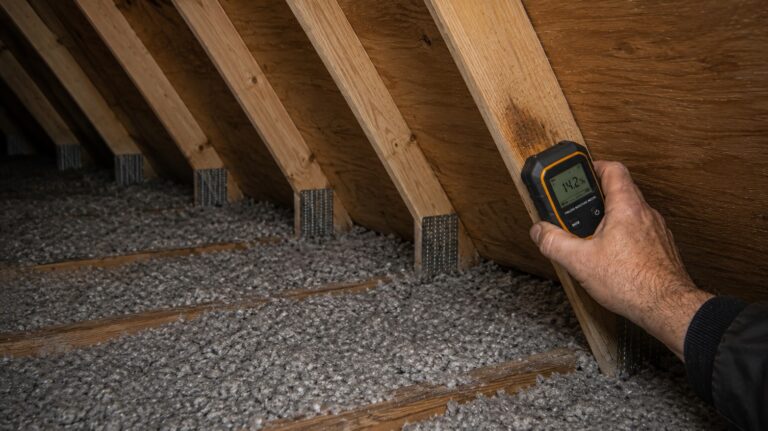
If the same area keeps feeling cool, smelling musty, or showing elevated moisture readings, do not rely on touch alone. A pinless moisture meter, pin meter, or selective inspection opening may be needed to confirm whether the dampness is still inside the wall.
Hidden Moisture Sources That Keep Walls Wet
Exterior walls often remain damp because moisture is still entering the structure, even when the original leak appears to be resolved.
These sources may not produce obvious water trails. Instead, they show up as cool wall areas, repeated damp readings, musty odor, staining that returns, or dampness after each rain. If you need to confirm where moisture is hiding, use the inspection steps in how to detect hidden moisture in exterior walls.
Slow Water Intrusion From Small Leaks
Small leaks are one of the most common reasons exterior walls stay damp. Unlike large water events, slow leaks introduce moisture gradually. Because the water enters in small amounts, it often goes unnoticed until dampness becomes persistent.
Common sources of slow water intrusion include:
- Minor gaps around windows or doors
- Cracked exterior sealant
- Loose or damaged siding joints
- Worn flashing around openings
- Hairline cracks in exterior materials
These leaks often occur during rainfall or periods of high humidity. Moisture enters repeatedly in small amounts, preventing the wall from fully drying.
Slow leaks are easy to underestimate because the wall may partially dry between rain events. Over time, repeated wetting can raise moisture levels inside insulation and structural materials, increasing the risk of the mold patterns described in signs of mold growth in exterior walls.
Ongoing Condensation Inside Wall Cavities
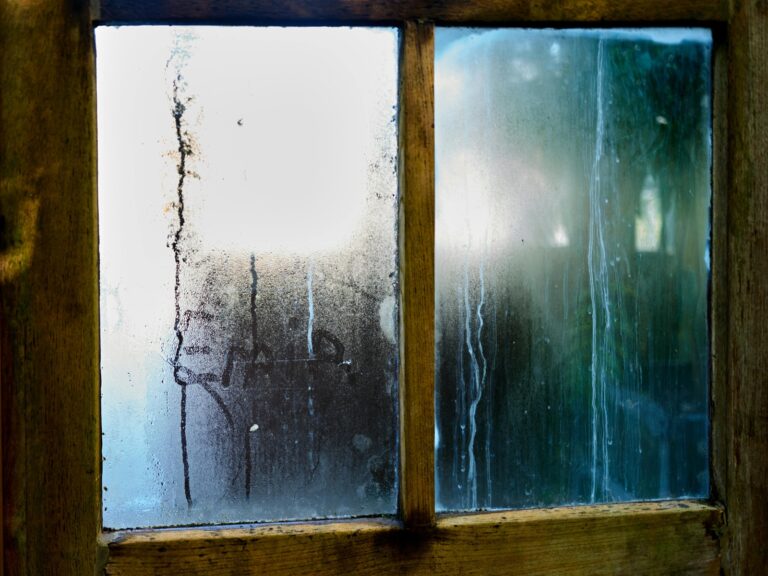
Condensation inside wall cavities is another hidden moisture source that keeps walls damp. This occurs when warm indoor air moves into cooler wall spaces and releases moisture onto cold surfaces.
Condensation-related dampness often appears when:
- Indoor humidity levels remain high
- Exterior temperatures drop significantly
- Insulation coverage is incomplete
- Air leakage allows indoor air to enter wall cavities
- Cold surfaces form inside the wall structure
Unlike leaks, condensation may occur daily without visible water entry. Repeated condensation cycles slowly increase moisture levels inside the wall.
This type of moisture accumulation often explains why walls remain damp during colder months. Even without visible leaks, moisture continues forming inside hidden wall areas.
A useful clue is timing: rain-related dampness usually worsens after storms, while condensation-related dampness often worsens during cold weather, high indoor humidity, or large indoor-outdoor temperature differences.
Foundation Moisture Migration
Moisture entering from the foundation is another overlooked cause of persistent damp walls. Water from surrounding soil can move upward into lower wall sections, especially when drainage conditions are poor.
Foundation-related moisture problems may result from:
- Poor grading around the home
- Blocked or overflowing gutters
- Saturated soil near the structure
- Cracks in foundation walls
- Improper drainage systems
Moisture migrating upward from the foundation often affects lower portions of exterior walls. This moisture may remain trapped behind baseboards or inside insulation.
When the lower wall stays damp first, especially near baseboards or framing close to the foundation, the wall may keep re-wetting from below until grading, gutters, soil saturation, or foundation cracks are corrected.
Material Conditions That Prevent Exterior Walls From Drying
In addition to hidden moisture sources, certain material conditions inside the wall can prevent moisture from escaping. These conditions create environments where water remains trapped even when the external source has been resolved.
Wet Insulation That Holds Moisture
Insulation plays a major role in moisture retention. Once insulation becomes wet, it traps water between fibers and slows evaporation.
Wet insulation may remain damp because:
- Air cannot circulate freely through insulation fibers
- Moisture becomes trapped inside the material
- Drying airflow does not reach internal layers
- Insulation blocks evaporation from deeper surfaces
- Water spreads throughout insulation layers
Even when the wall surface appears dry, wet insulation may remain damp behind the drywall. This hidden moisture often leads to recurring dampness and mold risk.
If insulation remains wet, compressed, contaminated, or musty, it often has to be removed so the wall cavity and framing can dry instead of staying hidden behind a damp layer.
Dense Wall Materials That Retain Water
Some wall materials absorb water slowly but hold it for long periods once wet. These dense materials act as moisture reservoirs, releasing water gradually over time.
Examples of moisture-retaining materials include:
- Wood framing components
- Fiberboard sheathing
- Thick drywall layers
- Composite building materials
- Engineered wood products
These materials can remain damp internally even after surface drying is complete. Moisture trapped within them continues to evaporate slowly, extending the overall drying timeline.
Blocked Ventilation Paths Inside Walls
Ventilation helps remove moisture from enclosed spaces. When ventilation paths inside wall systems become blocked, drying slows dramatically.
Blocked ventilation may occur due to:
- Improper insulation placement
- Debris inside wall cavities
- Collapsed insulation materials
- Sealed air pathways
- Construction defects
When airflow paths are blocked, damp insulation or sheathing can stay wet even while the room side of the wall looks normal.
Environmental Conditions That Slow Exterior Wall Drying
Environmental conditions play a major role in how quickly exterior walls dry. Even when the moisture source has been removed, outside conditions can slow evaporation and allow moisture to remain inside wall materials longer than expected.
Temperature, humidity, sunlight exposure, and airflow all influence how long exterior walls remain damp, even after the original moisture source has been reduced.
Cold Weather That Reduces Evaporation
Cold weather significantly slows the drying process inside exterior walls. When temperatures drop, evaporation occurs more slowly, allowing moisture to remain trapped inside materials.
Cold-weather drying problems often occur when:
- Outdoor temperatures remain low for extended periods
- Indoor heating creates temperature differences
- Exterior wall surfaces become colder than indoor air
- Condensation forms repeatedly inside wall cavities
- Snow or ice accumulates near exterior surfaces
Cold temperatures reduce the air’s ability to absorb moisture, slowing evaporation rates. This explains why walls that become wet during winter often stay damp longer than those exposed to warm conditions.
Repeated cold-weather condensation cycles frequently contribute to moisture persistence, especially in poorly insulated wall systems.
High Humidity That Slows Moisture Removal
Humidity levels inside and outside the home affect how efficiently moisture evaporates from wall materials. When humidity remains high, evaporation slows, allowing moisture to linger inside wall cavities.
High humidity conditions that slow drying include:
- Humid summer weather
- Indoor humidity levels above normal ranges
- Limited ventilation inside the home
- Frequent cooking or showering without exhaust
- Poor airflow in enclosed spaces
When the surrounding air already contains significant moisture, additional water cannot evaporate quickly. This causes drying delays and increases the likelihood of mold development.
If indoor humidity stays high, the wall may keep absorbing or condensing moisture faster than it can release it.
Shaded Exterior Walls That Receive Little Sunlight
Sunlight naturally increases evaporation by warming exterior surfaces. Walls that receive little sunlight dry more slowly because they remain cooler and damp longer.
Shaded wall conditions may result from:
- Nearby trees blocking sunlight
- Adjacent buildings creating shade
- North-facing wall orientation
- Overhangs or roof structures reducing sun exposure
- Dense landscaping near exterior walls
Shaded walls often remain damp longer after rainfall or moisture intrusion. Over time, these conditions increase the likelihood of persistent dampness and mold growth.
Identifying shaded areas helps explain why certain walls stay damp while others dry normally.
Structural Problems That Trap Moisture Inside Walls
In some homes, structural conditions prevent moisture from escaping even after the source of water has been corrected. These structural factors create environments where moisture remains trapped inside wall systems.
Understanding these structural issues helps explain why drying attempts sometimes fail despite proper effort.
Improper Vapor Barrier Placement
Vapor barriers are designed to control moisture movement inside wall systems. When installed incorrectly, they can trap moisture instead of allowing it to escape.
Improper vapor barrier placement may occur when:
- Barriers are installed on the wrong side of the wall
- Multiple vapor barriers trap moisture between layers
- Barrier materials become damaged over time
- Construction errors create sealed moisture pockets
- Repairs introduce additional sealed layers
When moisture becomes trapped between vapor barriers, drying becomes extremely difficult. This condition often leads to long-term dampness inside wall cavities.
Sealed Moisture Pathways From Repairs
Repairs performed before complete drying can unintentionally seal moisture inside the wall. For example, installing new drywall over damp materials prevents evaporation and traps moisture.
Sealed moisture pathways often occur when:
- Walls are closed before drying is complete
- Moisture testing is skipped
- New materials cover damp insulation
- Surface repairs hide deeper moisture
- Drying time is underestimated
These conditions frequently result in recurring dampness, mold growth, and repeated repair work.
Understanding proper drying procedures, such as those outlined in how to dry exterior walls after water intrusion, helps prevent sealing moisture inside walls.
Wall System Design That Limits Drying
Some wall assemblies naturally dry more slowly than others due to their design. Older homes or certain construction methods may lack adequate drying pathways.
Wall design factors that limit drying include:
- Tightly sealed exterior finishes
- Limited ventilation pathways
- Multiple moisture-resistant layers
- Insufficient drainage behind siding
- Outdated building materials
These designs are most vulnerable where the wall gets wet repeatedly, such as below windows, near roof-wall intersections, behind poorly drained siding, or along lower wall sections.
These walls may need moisture testing, selective opening, or professional drying instead of surface airflow alone.
Why Moisture Returns After Drying Attempts
Many homeowners become frustrated when exterior walls appear to dry, only to become damp again days or weeks later. This recurring dampness usually indicates that moisture is still entering the wall system or that hidden moisture was never fully removed.
Understanding why moisture returns after drying helps identify whether the problem involves incomplete drying, recurring water intrusion, or hidden moisture reservoirs inside wall materials.
Incomplete Drying of Hidden Materials
One of the most common reasons moisture returns is incomplete drying of internal wall components. While the wall surface may appear dry, insulation, framing, or sheathing inside the wall may still contain moisture.
Incomplete drying typically occurs when:
- Drywall surfaces dry faster than insulation
- Airflow does not reach internal materials
- Moisture testing is skipped before closing walls
- Drying equipment is removed too soon
- Wall cavities are sealed prematurely
Hidden moisture often reappears as damp spots or musty odors days after initial drying. This delayed moisture release is a strong indicator that drying was incomplete.
Monitoring drying progress with proper tools and allowing enough time for internal materials to dry helps prevent recurring moisture problems.
Recurring Water Entry That Continues Over Time
Moisture that returns after drying may indicate that water is still entering the wall from outside. Even small recurring leaks can prevent walls from drying completely.
Recurring water entry often results from:
- Minor exterior leaks that were not repaired
- Gaps in window or door sealing
- Damaged flashing or siding components
- Roof drainage problems affecting exterior walls
- Exterior materials that have deteriorated over time
These recurring moisture pathways allow water to enter repeatedly during storms or humid conditions. Without correcting the source, drying attempts may fail repeatedly.
If dampness returns after each storm, the next step is usually to inspect likely entry points such as siding joints, window and door openings, flashing, gutters, and lower wall areas near the foundation.
Hidden Moisture Reservoirs Inside Wall Systems
Moisture reservoirs inside wall systems can store water and release it gradually over time. These reservoirs often develop when materials absorb large amounts of moisture and retain it internally.
Hidden moisture reservoirs may form in:
- Thick insulation layers
- Wood framing components
- Sheathing materials
- Composite structural panels
- Dense construction materials
As these materials slowly release stored moisture, dampness may return to the wall surface. This delayed moisture release often confuses homeowners who believe the wall has already dried.
Persistent reservoirs inside wall systems increase the risk of long-term moisture problems and mold growth.
Do not repaint, caulk, reinstall trim, or close the wall until hidden materials are dry and the moisture source is corrected. Covering damp insulation, framing, or sheathing can trap the problem and make the next repair more expensive.
Warning Signs That Damp Walls Are Becoming a Serious Problem
Not all damp walls represent immediate structural danger. However, certain warning signs indicate that moisture persistence is becoming a serious issue that requires attention.
These warning signs matter most when they return in the same area or worsen after each rain, cold spell, or drying attempt.
Persistent Musty Odors
Musty odors often indicate that moisture remains trapped inside wall materials. These odors may become stronger over time as mold begins to grow.
Persistent odor warning signs include:
- Musty smells that do not fade after drying
- Odors concentrated near specific wall sections
- Smells that return during humid weather
- Lingering damp smells despite ventilation
- Odors that worsen after rainfall
Odors are often one of the earliest indicators that moisture problems are worsening.
Recurring Stains or Discoloration
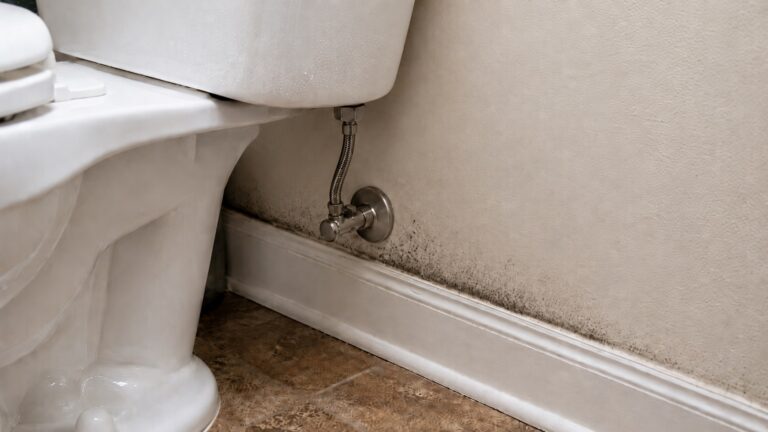
Repeated staining on exterior walls is a strong indicator of ongoing moisture problems. Stains that return after cleaning or repainting often signal that moisture remains inside the wall.
Recurring stain warning signs include:
- Dark patches reappearing in the same location
- Paint discoloration developing repeatedly
- Water marks that expand over time
- Stains forming along seams or corners
- Surface damage returning after repairs
Recurring stains often accompany persistent moisture retention and should never be ignored.
Increasing Duration of Dampness
If exterior walls remain damp for longer periods after each moisture event, the situation may be worsening. Increasing drying time indicates that moisture retention inside materials is growing.
Signs of increasing damp duration include:
- Walls staying damp for days after rainfall
- Moisture returning more quickly after drying
- Persistent cool or humid wall surfaces
- Delayed drying despite airflow efforts
- Growing areas of dampness
Extended damp duration increases the likelihood of mold formation and structural weakening.
When a Damp Exterior Wall Needs More Than Surface Drying
A damp exterior wall needs closer inspection when moisture keeps returning in the same area, the wall stays damp for several days, musty odor develops, stains expand, paint bubbles, trim swells, or moisture readings stay elevated after drying. These signs usually mean the wall is still wet inside or the source has not been corrected.
At that point, more fans on the room side may not solve the problem. The next step is to find the moisture source, verify whether hidden materials are still wet, and decide whether insulation, trim, drywall, siding, or sheathing must be opened for drying.
Frequently Asked Questions About Why Exterior Walls Stay Damp
Why does my exterior wall stay damp after rain?
Exterior walls may stay damp after rain when water is entering behind siding, around windows or doors, through flashing gaps, or into lower wall areas near the foundation. The wall can also stay damp if insulation or sheathing absorbed water during the storm.
Why won’t drywall dry completely?
Drywall may not dry completely if insulation or framing behind it remains wet. Surface dryness does not guarantee internal dryness.
How long should an exterior wall stay damp?
A lightly damp surface should usually begin improving within hours, but a wall cavity can take longer if insulation, framing, or sheathing got wet. Dampness that does not improve after one to three days, or returns after drying, suggests hidden moisture.
Can insulation cause walls to stay wet?
Yes. Wet insulation traps moisture and slows drying, allowing damp conditions to persist inside the wall cavity.
Why does moisture return after drying?
Moisture returns when the surface dried but deeper materials stayed wet, or when the same wall keeps getting re-wet by rain intrusion, condensation, foundation moisture, or hidden leaks.
Does cold weather make walls stay damp longer?
Yes. Cold temperatures slow evaporation and increase condensation risk, which extends drying time.
Key Takeaways
- Exterior walls stay damp when moisture is still entering, trapped inside materials, or unable to evaporate.
- Surface dryness does not prove that insulation, framing, sheathing, or the back side of drywall is dry.
- Recurring dampness after rain usually points to water intrusion, while dampness during cold or humid conditions may point to condensation.
- Wet insulation, dense materials, vapor barriers, and sealed repairs can all hold moisture inside the wall.
- Musty odors, returning stains, and longer drying times suggest the problem is getting worse.
- Do not close, repaint, or cover the wall until hidden materials are dry and the moisture source has been corrected.
One Comment
Comments are closed.