Why Mold Forms Inside Exterior Walls
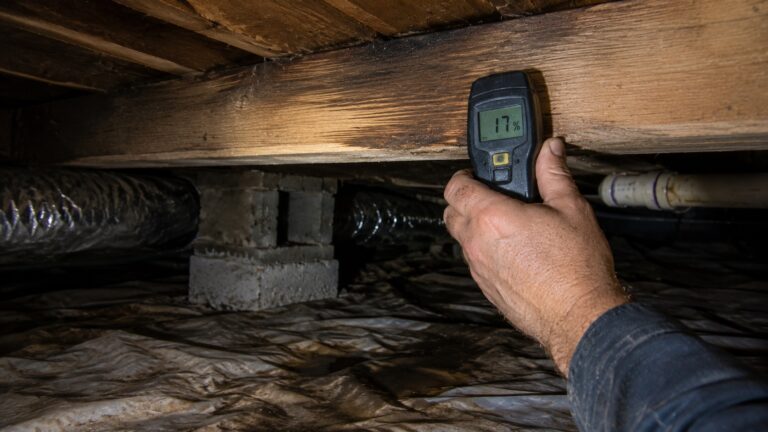
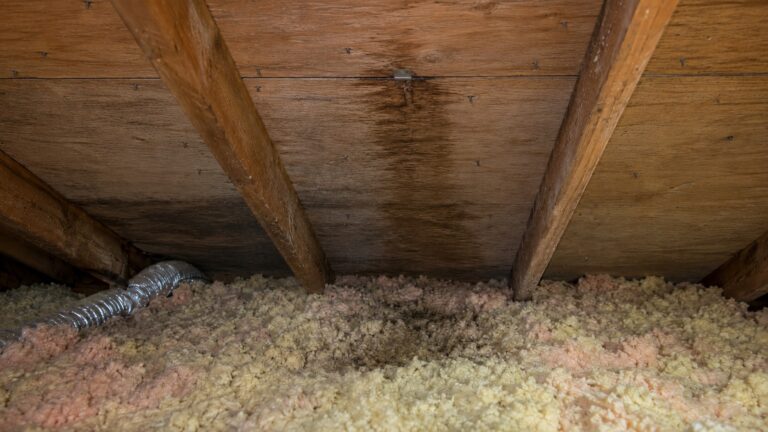
Mold forming inside exterior walls is rarely caused by a single obvious event. In most homes, mold develops because moisture enters the wall system and remains trapped long enough for mold to grow. This process often happens slowly, allowing damage to develop long before homeowners realize there is a problem.
Many people first notice symptoms such as musty odors, recurring wall stains, or peeling paint before discovering that mold is growing inside the wall cavity. If you have already seen warning signs like those explained in signs of mold growth in exterior walls, understanding why mold forms is the next step toward solving the problem permanently.
Exterior walls are especially vulnerable because they face outdoor weather on one side and conditioned indoor air on the other. That combination allows small leaks, condensation, and air movement to create mold conditions even when visible damage looks minor.
The main causes are repeated water intrusion, condensation, air leakage, wet insulation, and wall assemblies that cannot dry quickly enough after moisture enters.
Why Exterior Walls Are Naturally Prone to Mold Growth
Exterior walls separate indoor conditioned air from outdoor weather. Because they must handle rain, air leakage, temperature differences, and drying in both directions, moisture problems often begin inside these wall assemblies before they become visible indoors.
Exposure to Outdoor Moisture
Exterior walls face rain, wind, humidity, and temperature swings. Small defects in siding, trim, flashing, or sealant can let moisture reach the wall assembly even when the damage is not obvious from indoors.
Common outdoor moisture exposure sources include:
- Wind-driven rain that forces water into small gaps
- Heavy storms that overwhelm drainage systems
- Cold-weather freeze-thaw cycles that open small gaps in exterior materials
- High outdoor humidity that slows drying
- Repeated wetting and drying cycles
Moisture entering through small openings does not always produce immediate visible damage. Instead, it often collects behind siding or sheathing, slowly working its way into insulation and structural materials.
Many of these moisture entry pathways originate from small structural gaps or aging materials, which are explained in greater detail in how water enters homes through structural gaps. Understanding these entry points helps identify where mold-causing moisture is most likely to begin.
Temperature Differences and Condensation
One of the most overlooked causes of mold inside exterior walls is condensation. This occurs when warm indoor air meets cold exterior wall surfaces, forming moisture inside the wall cavity.
This is most common when warm, humid indoor air leaks into a colder wall cavity and reaches cold sheathing, framing, fasteners, or poorly insulated areas.
Condensation-related mold formation is more likely when:
- Indoor humidity levels are high
- Exterior temperatures drop suddenly
- Insulation coverage is incomplete
- Air leaks allow indoor air to enter walls
- Walls contain cold surfaces exposed to outdoor temperatures
Unlike visible leaks, condensation often occurs silently inside the wall cavity. Because this moisture is hidden, mold can grow for long periods before becoming visible.
Moisture Trapping Materials Inside Wall Systems
Exterior walls contain several layers, and those layers can slow drying once water or humid air gets inside.
Drywall paper, wood framing, insulation, sheathing, housewrap, and siding can all hold or slow the movement of moisture in different ways.
If moisture becomes trapped within these layers, drying may take weeks or even months. During this time, mold spores can begin growing on materials such as drywall paper and wood framing.
In homes where moisture remains trapped repeatedly, mold growth may continue even after surface symptoms are cleaned. This recurring behavior often leads to long-term moisture problems similar to those explained in why exterior walls stay damp, where moisture persists despite normal drying conditions.
Water Intrusion Causes Mold Inside Exterior Walls
Water intrusion is one of the most common reasons mold forms inside exterior walls. The problem is often not a dramatic leak, but repeated small wetting from wind-driven rain, failed flashing, open joints, or lower-wall drainage problems. When those wetting cycles happen faster than the wall can dry, mold risk rises.
These small water entry pathways often remain unnoticed until damage progresses. Many homeowners only discover them after mold symptoms appear or when investigating problems similar to those described in signs of moisture in exterior walls.
Leaks Around Windows and Doors
Windows and doors are vulnerable because they interrupt the wall system and depend on flashing, sealant, trim, and drainage paths working together.
Water intrusion near windows and doors commonly occurs due to:
- Cracked or deteriorated caulking
- Improper flashing installation
- Gaps between framing materials
- Seal failure around window edges
- Movement of materials during seasonal changes
When water enters through window or door gaps, it often travels downward inside the wall cavity. This hidden moisture may saturate insulation and wooden framing before reaching the interior drywall surface.
Over time, repeated water intrusion creates ideal mold conditions. If leaks remain unresolved, mold colonies may grow behind drywall without producing obvious signs until staining or odors appear.
Damaged Flashing That Allows Water Entry
Flashing is a protective barrier designed to direct water away from openings such as windows, doors, and roof intersections. When flashing fails, water can enter wall cavities and remain trapped behind structural materials.
Flashing-related failures often develop due to:
- Improper installation during construction
- Aging materials that lose flexibility
- Cracks caused by expansion and contraction
- Physical damage from weather exposure
- Poor maintenance or neglected repairs
Once flashing fails, water may enter repeatedly during storms. Even small amounts of water can create ongoing dampness inside insulation layers, allowing mold to develop gradually.
Flashing defects are especially problematic because they may not produce immediate visible damage. Instead, moisture can slowly accumulate until mold growth becomes established inside the wall.
Siding Failures and Exterior Surface Damage
Exterior siding protects the structural components of the wall from rain and environmental exposure. When siding becomes damaged or poorly sealed, water can pass behind the protective surface and enter the wall assembly.
Siding-related water intrusion may result from:
- Loose or warped siding panels
- Cracked fiber cement boards
- Gaps between siding joints
- Missing fasteners or sealant
- Physical damage from weather or impact
Water that gets behind siding may drain, dry, or become trapped depending on the drainage plane, flashing details, sheathing condition, and whether the wall has a clear path to dry outward.
This slow moisture buildup often leads to recurring mold growth, especially in areas exposed to frequent rainfall or strong winds.
Foundation-to-Wall Leakage
Water intrusion does not always begin at the top of the wall. In some homes, moisture enters through the lower portions of exterior walls where the structure meets the foundation.
Common causes of lower wall moisture intrusion include:
- Cracks in foundation walls
- Poor exterior drainage conditions
- Saturated soil surrounding the structure
- Blocked or malfunctioning gutters
- Improper grading that directs water toward the home
Water entering at the base of the wall can wet bottom plates, lower drywall, insulation, and sheathing edges. Mold usually appears first in lower wall sections or near corners where drying is limited.
When foundation-level moisture remains unresolved, mold formation may continue despite surface cleaning efforts. Addressing exterior drainage conditions is often necessary to prevent long-term moisture problems.
Condensation as a Hidden Cause of Mold Growth
Not all mold inside exterior walls comes from rain leaks. Condensation can form when humid indoor air leaks into a cold wall cavity, especially during colder weather or in rooms with high indoor humidity.
Leak-driven mold often follows rain patterns or appears near openings. Condensation-driven mold is more likely to appear on cold exterior walls, corners, closets, or areas with missing insulation.
Cold Surface Condensation Inside Wall Cavities
Cold surfaces inside exterior walls create ideal conditions for condensation. When warm indoor air moves into wall cavities and contacts colder surfaces, moisture forms as water droplets.
Common cold surfaces that attract condensation include:
- Exterior sheathing panels
- Metal fasteners or connectors
- Uninsulated framing areas
- Exterior-facing drywall backing
- Cold air pockets inside insulation gaps
Repeated condensation cycles can gradually increase moisture levels inside wall cavities. Even small amounts of condensation, occurring daily over long periods, can create conditions that support mold growth.
High Indoor Humidity Levels
Indoor humidity levels strongly influence condensation risk. Homes with elevated humidity levels are more likely to experience moisture buildup inside exterior walls.
Common indoor humidity sources include:
- Cooking without ventilation
- Long hot showers
- Humidifier overuse
- Drying clothes indoors
- Poor bathroom ventilation
When humidity levels remain high, moisture carried in indoor air moves into wall cavities through small air leaks. This moisture condenses when it reaches cold surfaces, increasing mold risk.
If indoor humidity stays high, condensation can continue inside cold wall cavities even when there is no active rain leak.
Poor Insulation That Creates Cold Spots
Insulation helps regulate temperature differences between indoor and outdoor spaces. When insulation is missing, damaged, or improperly installed, cold spots may develop inside wall cavities.
Cold spots allow condensation to form more easily because they create surfaces where moisture collects repeatedly.
Insulation-related mold causes may include:
- Gaps between insulation panels
- Compressed or displaced insulation
- Insulation damaged by previous water exposure
- Improper installation leaving exposed framing
- Insufficient insulation thickness
Even small insulation defects can create localized condensation zones, supporting mold growth in specific areas of the wall.
Air Leakage That Carries Moisture Into Exterior Walls
Air leakage can move far more moisture into an exterior wall than homeowners expect. Warm indoor air carries moisture through small openings, then deposits that moisture as condensation when it reaches colder materials inside the wall.
Because air movement is often invisible, many homeowners overlook this cause. However, repeated air leakage cycles can introduce enough moisture to support mold growth even without obvious water damage.
Unsealed Penetrations and Small Openings
Exterior walls contain many small penetrations created during construction or renovation. These openings allow wiring, plumbing, and other systems to pass through structural materials. If not properly sealed, they create pathways for moisture-laden air to enter wall cavities.
Common air leakage points include:
- Electrical outlet boxes on exterior walls
- Plumbing pipe penetrations
- Wiring access holes
- Exterior vent openings
- Seams between framing components
Warm indoor air naturally moves toward cooler areas inside the wall. As this air enters colder sections of the wall cavity, moisture condenses and collects on surfaces. Over time, repeated condensation cycles allow mold to establish itself inside insulation and wood framing.
Homes with multiple air leakage points may experience ongoing moisture problems, even when exterior sealing appears intact.
Electrical and Plumbing Openings as Moisture Pathways
Electrical boxes and plumbing openings are especially prone to air leakage because they penetrate the wall assembly and connect indoor air to exterior-facing materials. These openings may appear small, but they can allow continuous air movement.
Moisture problems related to these openings often develop gradually. As indoor air escapes through these pathways, it carries humidity into the wall cavity. This moisture condenses when it reaches cold surfaces.
Over time, this repeated moisture movement can lead to:
- Damp insulation surrounding openings
- Localized mold growth near outlets
- Persistent odors near exterior wall fixtures
- Visible staining around electrical plates
- Hidden mold growth behind fixtures
Addressing air leakage requires identifying and sealing openings that allow air movement into wall systems.
Air Pressure Differences Inside Homes
Air pressure differences inside a home influence how air moves through wall cavities. Warm air naturally rises, creating pressure differences between lower and upper areas of the structure. This movement, often called the stack effect, can carry moisture upward through hidden pathways.
Stack effect moisture movement is more likely to occur when:
- Indoor heating systems operate frequently
- Exterior temperatures are significantly lower
- Upper wall sections remain cold
- Air leaks exist near ceilings or upper walls
- Attic spaces allow air escape
Moisture transported through these airflow patterns can accumulate in upper sections of exterior walls. Over time, this moisture supports mold growth in areas that may appear dry from the outside.
How Insulation Contributes to Mold Growth
Insulation plays a critical role in mold formation inside exterior walls. While insulation helps regulate temperature and improve energy efficiency, it can also trap moisture once it becomes wet. This trapped moisture creates an environment where mold thrives.
Moisture Retention in Fiberglass Insulation
Fiberglass itself is not a food source for mold, but wet fiberglass can hold moisture against drywall paper, sheathing, and wood framing. When it stays damp, it slows drying inside the wall cavity.
Common fiberglass-related mold causes include:
- Moisture trapped between insulation fibers
- Reduced airflow preventing drying
- Persistent dampness near wood framing
- Condensation accumulating inside insulation layers
- Moisture remaining after minor leaks
Once moisture becomes trapped in fiberglass insulation, mold can grow on nearby organic materials such as wood studs and drywall paper.
Wet Insulation Encourages Mold Expansion
Wet insulation creates stable moisture conditions that allow mold to spread quickly. Mold colonies may expand beyond the original moisture source, affecting surrounding materials.
Insulation-related moisture usually becomes a mold cause when:
- Insulation stays damp after a leak
- Wet insulation remains pressed against drywall paper or sheathing
- Airflow through the wall cavity is limited
- Cold spots keep creating condensation inside the insulation layer
- Previous water damage was covered before the wall fully dried
In severe cases, mold growth inside insulation may spread to framing materials, increasing the extent of structural damage.
Compacted or Damaged Insulation Problems
Insulation that becomes wet or compressed loses its ability to regulate temperature effectively. Compacted insulation creates air gaps that allow moisture to collect in specific locations.
Insulation damage may result from:
- Previous water intrusion events
- Rodent or pest activity
- Improper installation
- Repeated condensation cycles
- Structural movement over time
When insulation fails to function properly, temperature differences increase, leading to additional condensation and mold growth.
Seasonal and Environmental Drivers That Increase Mold Risk
Seasonal conditions affect which moisture source is most likely. Winter often points toward condensation, while storm seasons often point toward rain intrusion or drainage failures.
Winter Condensation Cycles
Winter mold patterns often come from repeated condensation inside cold wall cavities, especially when indoor humidity remains high and air leaks are present.
Winter-related mold causes may include:
- Daily condensation inside cold wall cavities
- Indoor humidity remaining elevated
- Reduced ventilation during cold months
- Cold surfaces attracting moisture
- Repeated wetting and drying cycles
Even small amounts of condensation occurring daily can accumulate into significant moisture levels over time.
Heavy Rain and Wind-Driven Moisture
Wind-driven rain increases the likelihood of water intrusion through small openings in exterior walls. Strong winds push moisture into gaps that might otherwise remain dry.
Rain-related mold risks increase when:
- Siding joints are not properly sealed
- Exterior materials are aging
- Flashing components fail
- Maintenance is delayed
- Drainage systems are obstructed
Repeated storm exposure allows moisture to accumulate behind exterior materials, increasing mold formation risk.
High Humidity Regions and Poor Drying Conditions
Homes located in humid environments face increased mold risk because moisture evaporates more slowly. High humidity levels reduce the wall’s ability to dry naturally.
Environmental factors that increase mold risk include:
- High outdoor humidity levels
- Limited airflow around exterior walls
- Shaded areas that reduce evaporation
- Persistent damp outdoor conditions
- Frequent seasonal rainfall
When drying conditions are limited, moisture remains inside wall systems longer, increasing the likelihood of mold formation.
Why Mold Often Returns Inside Exterior Walls
Mold returns inside exterior walls when the moisture source remains active or when wet materials were never fully dried or replaced. Surface cleaning may remove visible growth, but it does not change the conditions inside the wall cavity.
Unresolved Moisture Sources
The most common reason mold returns inside exterior walls is that moisture continues to enter the structure through hidden pathways. These pathways may be small and difficult to detect, but repeated moisture exposure eventually recreates the same mold-friendly conditions.
Typical unresolved moisture sources include:
- Minor exterior leaks that were never repaired
- Condensation problems caused by high humidity
- Air leakage pathways that remain unsealed
- Damaged flashing or siding components
- Poor drainage around the home
Even small moisture sources can support mold growth when they persist over time. If mold returns after cleaning, the moisture source must be identified and corrected to stop the cycle.
If the moisture source is not obvious from the surface, the next step is usually a focused inspection like the one explained in how to detect hidden moisture in exterior walls.
Hidden Structural Defects
Some mold problems originate from structural issues that are not visible from the surface. These defects allow moisture to enter the wall cavity repeatedly without producing obvious exterior damage.
Examples of hidden structural defects include:
- Improper flashing installation
- Unsealed framing joints
- Damaged vapor barriers
- Exterior sealing materials that have deteriorated
- Construction defects that allow water entry
These structural problems often remain undetected for years, allowing mold colonies to develop gradually. When mold appears repeatedly in the same location, a hidden defect should be strongly suspected.
Incomplete Repairs That Leave Moisture Behind
In some cases, repairs address visible damage but leave hidden moisture trapped inside the wall. For example, repainting or replacing drywall without fully drying the wall cavity can allow mold to return later.
Incomplete repair scenarios may include:
- Replacing surface materials without drying insulation
- Ignoring small leak pathways
- Failing to remove damaged insulation
- Not correcting drainage or sealing problems
- Overlooking air leakage pathways
Without removing trapped moisture, mold growth often resumes once conditions become favorable again. In situations where moisture remains inside structural materials, controlled drying procedures such as those outlined in how to dry exterior walls after water intrusion may be necessary to prevent recurrence.
When Mold Causes Suggest Structural Repairs Are Needed
Some exterior-wall mold problems point to a deeper wall failure, not just a cleaning problem.
Persistent Moisture Entry That Cannot Be Controlled
If moisture continues entering exterior walls despite routine maintenance, structural repair may be necessary. This condition often indicates that protective components such as flashing or siding have failed.
Warning signs that structural repair may be required include:
- Repeated water intrusion during storms
- Visible exterior material damage
- Leaks that return after temporary fixes
- Persistent damp areas inside walls
- Structural materials showing signs of deterioration
Addressing these issues typically requires identifying the exact entry point and repairing or replacing damaged components.
Recurring Mold Patterns in the Same Locations
Mold that appears repeatedly in the same section of an exterior wall usually indicates a consistent moisture source. This pattern suggests that the wall system is allowing moisture entry or retention that has not been resolved.
Recurring mold in the same location often points to:
- A leak path that opens during storms
- A cold spot that repeatedly creates condensation
- Wet insulation that was never removed or dried
- An exterior corner or opening with poor drying potential
- A flashing, siding, or drainage defect that was never corrected
When recurring mold patterns develop, professional inspection may be necessary to determine whether structural repair is required.
Visible Structural Weakness or Material Damage
Visible structural damage often indicates that mold-causing moisture has been present for an extended period. Materials weakened by prolonged moisture exposure may require replacement to restore structural integrity.
Structural moisture damage may show up as:
- Warped drywall or framing materials
- Cracked or separated joints
- Soft or deteriorating wood components
- Bulging or uneven wall surfaces
- Persistent moisture stains that expand over time
Structural damage should never be ignored, as weakened materials may continue to deteriorate if moisture remains present.
If wall materials are soft, bulging, actively wet, or disturbed by extensive mold growth, avoid opening the wall without proper containment and professional guidance.
If the same wall keeps developing mold after cleaning and basic moisture correction, the next step is usually a deeper repair review like the one explained in how to fix persistent exterior wall moisture problems.
Frequently Asked Questions About Why Mold Forms Inside Exterior Walls
What causes mold inside exterior walls most often?
The most common causes include water intrusion through small gaps, condensation inside wall cavities, air leakage carrying moisture, and insulation that traps water. In many homes, more than one cause contributes to mold formation.
Can condensation alone cause mold inside exterior walls?
Yes. Repeated condensation inside wall cavities can create enough moisture to support mold growth, even when no visible leaks are present.
Why does mold return after cleaning exterior walls?
Mold returns when the moisture source has not been eliminated. Cleaning removes visible mold but does not correct hidden moisture problems inside the wall.
Do all leaks cause mold inside walls?
Not every leak leads to mold, but repeated moisture exposure increases the likelihood of mold growth, especially when drying conditions are limited.
How does insulation affect mold growth?
Wet insulation traps moisture and slows drying, allowing mold to grow on nearby materials such as wood framing and drywall backing.
Why does mold appear on exterior walls during winter?
Winter mold on exterior walls often comes from condensation. Warm indoor air leaks into colder wall cavities, reaches cold sheathing or framing, and leaves moisture behind where mold can grow.
Key Takeaways
- Mold forms inside exterior walls when moisture remains trapped for extended periods.
- Water intrusion through windows, siding, and structural gaps is a major cause.
- Condensation inside cold wall cavities can create mold even without visible leaks.
- Air leakage allows moisture to move into hidden wall spaces.
- Wet insulation slows drying and supports mold growth.
- Mold often returns when moisture sources are not fully corrected.
- Persistent moisture problems may require structural repair to prevent long-term damage.
Conclusion
Mold forms inside exterior walls when moisture enters the wall assembly and stays long enough for mold to grow. The moisture may come from rain intrusion, condensation, air leakage, wet insulation, or lower-wall drainage problems.
The important point is that cleaning visible mold does not solve the problem unless the moisture source is corrected. If the same exterior wall keeps developing mold, the wall needs a moisture-source investigation, not just another surface treatment.