
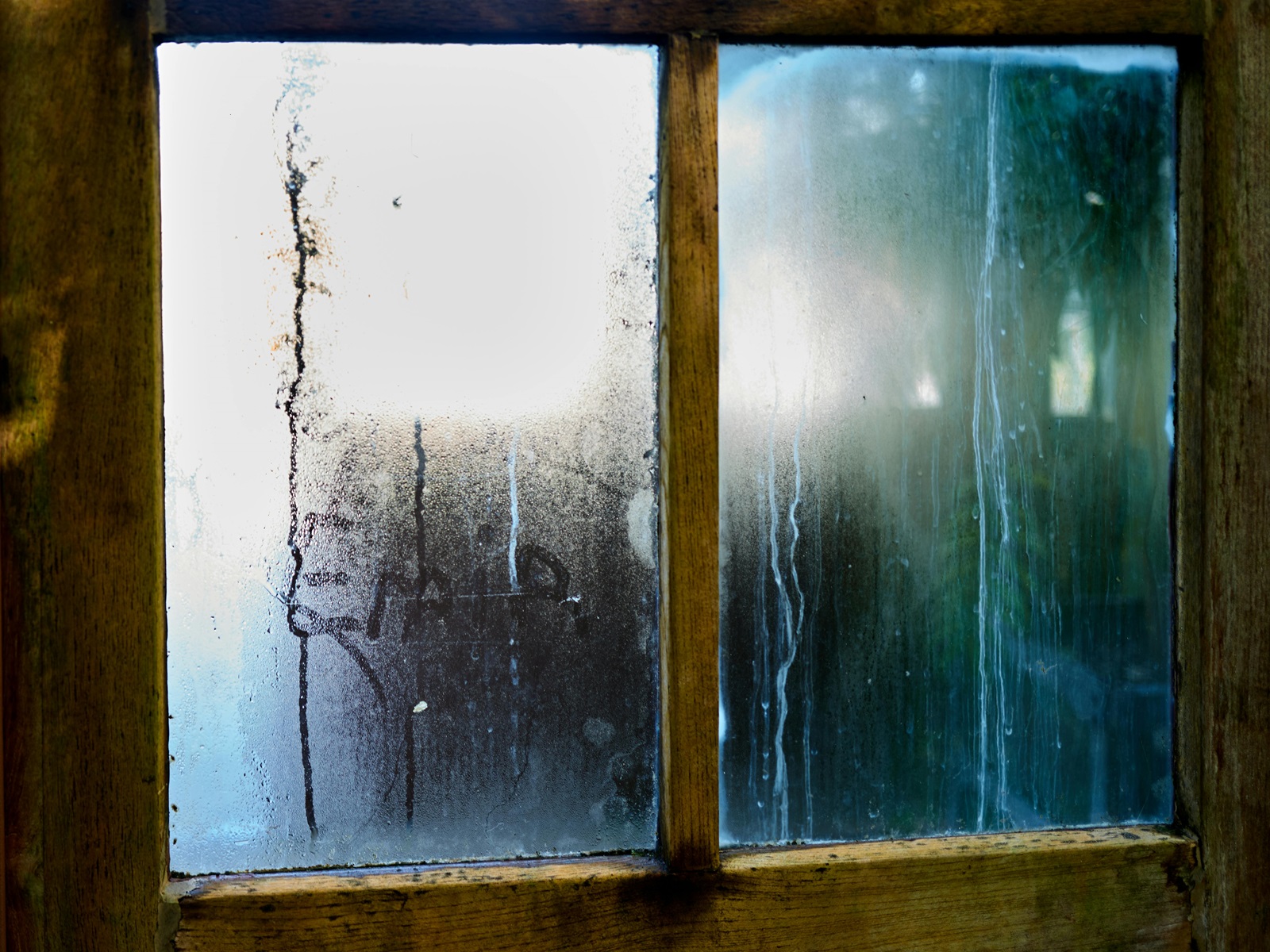
Why Windows Develop Condensation and Mold
Windows develop condensation when warm, humid indoor air touches glass or frame surfaces that are cold enough to fall below the dew point. Mold follows when that moisture returns often, stays on trim or drywall long enough, or collects in areas with poor airflow. That is why one window may stay dry while another repeatedly sweats, stains, or develops mold around the edges.
This article explains the main causes: cold window surfaces, high indoor humidity, weak ventilation, blocked airflow, thermal bridging, insulation gaps, and repeated wetting cycles. If moisture is already appearing near the frame or trim, it may help to detect moisture around window frames before the problem moves beyond surface condensation.
This article belongs to the window moisture cluster under How Windows and Doors Cause Hidden Moisture Problems, which explains how window frames, door openings, trim gaps, air leaks, and surface condensation create hidden moisture risks around exterior openings.
How Condensation Forms on Windows
Condensation forms when moisture in the air changes from vapor into liquid water. This process occurs when warm air containing moisture comes into contact with a cooler surface, such as window glass. Because glass often becomes colder than surrounding walls, windows frequently become the first location where condensation appears.
A window can develop condensation even when there is no active leak. The problem begins when indoor humidity, surface temperature, and airflow combine in a way that keeps the glass or nearby trim too damp for too long.
Warm Air Meets Cold Glass
Warm indoor air holds moisture in the form of water vapor. When this warm air contacts a cold window surface, the temperature of the air drops quickly. As the air cools, it loses its ability to hold moisture, causing water vapor to condense into visible droplets.
This process explains why condensation often appears on windows during colder seasons. Outdoor temperatures reduce the temperature of glass surfaces, creating conditions where moisture forms easily.
Cooking, bathing, dishwashing, drying clothes indoors, and daily occupancy all release moisture into indoor air. When that moisture reaches cold glass, condensation becomes more likely.
Dew Point Formation
The dew point is the temperature at which air becomes fully saturated with moisture and can no longer hold additional water vapor. When the temperature of a window surface drops below the dew point of indoor air, condensation forms on the surface.
Higher humidity levels raise the dew point, making condensation more likely to occur even at moderate temperatures. Lower humidity levels reduce the dew point, decreasing the chances of moisture formation.
This relationship between humidity and temperature explains why some homes experience condensation even when temperature differences seem small.
A simple way to confirm this pattern is to compare indoor humidity readings with where and when condensation appears. If windows sweat mainly overnight, during cold weather, after showers, or in rooms with closed doors and heavy window coverings, the cause is usually a humidity, airflow, or cold-surface problem rather than a direct window leak.
Surface Cooling Effects
Windows often cool faster than surrounding walls due to their material composition. Glass transfers heat more quickly than insulated wall materials, allowing it to become colder when outdoor temperatures drop.
Surface cooling varies depending on several factors:
- Outdoor temperature changes
- Window insulation performance
- Indoor heating patterns
- Airflow around window areas
When surface temperatures drop significantly, condensation becomes more likely to develop along glass edges, trim, and nearby materials.
Why High Humidity Increases Window Moisture
Humidity determines how easily window condensation forms. When moisture enters indoor air faster than it can escape, the dew point rises and cooler window surfaces begin collecting water more often.
Indoor Moisture Sources
Many everyday household activities release moisture into indoor air. While these sources are normal, they can significantly increase humidity when ventilation remains limited.
Common indoor moisture sources include:
- Cooking and boiling water
- Showering and bathing
- Dishwashing
- Drying clothes indoors
- Plants releasing moisture into the air
- Breathing and daily occupancy
When these activities occur frequently without proper ventilation, indoor humidity rises, increasing condensation potential near windows.
Humidity Accumulation Patterns
Humidity does not always distribute evenly throughout a home. Certain rooms may retain more moisture than others, especially in areas with limited airflow or restricted ventilation.
Rooms most likely to experience humidity buildup include:
- Bathrooms without exhaust ventilation
- Kitchens with frequent cooking activity
- Bedrooms with closed doors
- Basements with limited airflow
- Rooms with heavy window coverings
Uneven humidity patterns create localized moisture conditions that encourage condensation and mold development near windows.
How Airflow Affects Condensation Around Windows
Airflow plays a critical role in how moisture behaves inside a home. Even when humidity levels are moderate, poor air movement can allow moisture to remain concentrated near window surfaces. When air remains stagnant, moisture lingers longer, increasing the likelihood of condensation formation.
This is why condensation may appear on one window while nearby windows stay dry.
Poor Ventilation Effects
Poor ventilation allows humid air to accumulate near windows, especially in enclosed spaces. Without proper ventilation, moisture released from daily activities remains trapped indoors instead of being carried away.
Ventilation problems commonly occur when:
- Bathroom exhaust fans are not used regularly
- Kitchens lack effective ventilation systems
- Windows remain closed during humid conditions
- Rooms are sealed tightly without airflow circulation
- Ventilation systems are blocked or malfunctioning
When ventilation remains limited, moisture levels increase, allowing condensation to develop more frequently on cooler surfaces.
Air Stagnation Zones
Air stagnation occurs when airflow becomes restricted or blocked near window areas. These zones often develop behind furniture, curtains, or blinds that limit natural air movement.
Stagnant air remains cooler and retains moisture longer than moving air. As moisture builds up in these areas, condensation becomes more likely to form along nearby window surfaces.
Common stagnation zones include:
- Behind large furniture placed against exterior walls
- Behind heavy curtains or tightly closed blinds
- Near corners of rooms with limited airflow
- Inside enclosed window recesses
These localized conditions often explain why condensation appears in specific locations even when other parts of the home remain dry.
Why Some Windows Develop Mold Faster Than Others
Not all windows behave the same way under similar conditions. Some windows develop mold quickly, while others remain relatively dry. This difference usually results from variations in materials, construction methods, and insulation performance.
These differences help explain why the same window may become a recurring problem spot.
Material Differences in Window Construction
Window materials influence how moisture interacts with surrounding surfaces. Some materials resist moisture better than others, while others allow moisture to accumulate more easily.
Material-related factors that influence mold development include:
- Wood trim absorbing moisture more readily than synthetic materials
- Poorly sealed joints allowing moisture entry
- Aging materials becoming more vulnerable over time
- Surface coatings deteriorating and exposing underlying materials
Material properties determine how long moisture remains present and how quickly surfaces dry after exposure.
Insulation Performance Differences
Insulation affects how quickly window surfaces cool and how easily condensation forms. Poor insulation allows cold outdoor temperatures to transfer more easily into interior spaces, lowering surface temperatures.
Lower surface temperatures increase condensation potential, especially during colder weather.
Insulation-related differences may include:
- Gaps around window frames allowing cold air infiltration
- Inadequate insulation inside wall cavities
- Older window designs lacking modern insulation features
- Thermal bridges connecting interior and exterior materials
These factors influence how often condensation forms and how long moisture remains present.
How Condensation Leads to Mold Growth
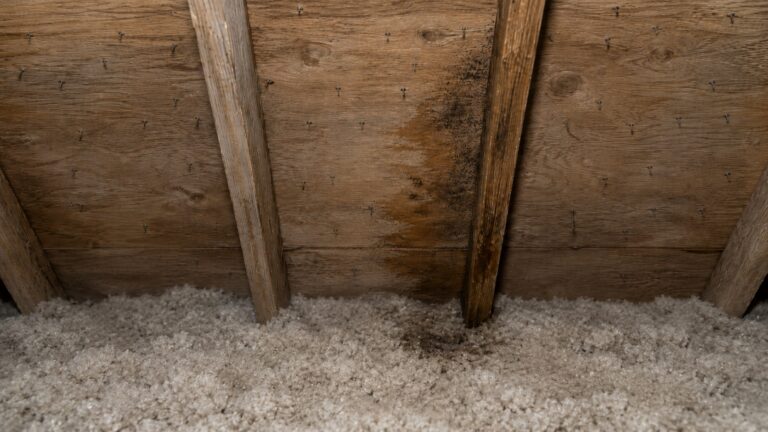
Condensation alone does not always cause mold, but repeated moisture exposure creates favorable conditions for mold development. When surfaces remain damp frequently, mold spores settle and begin forming colonies.
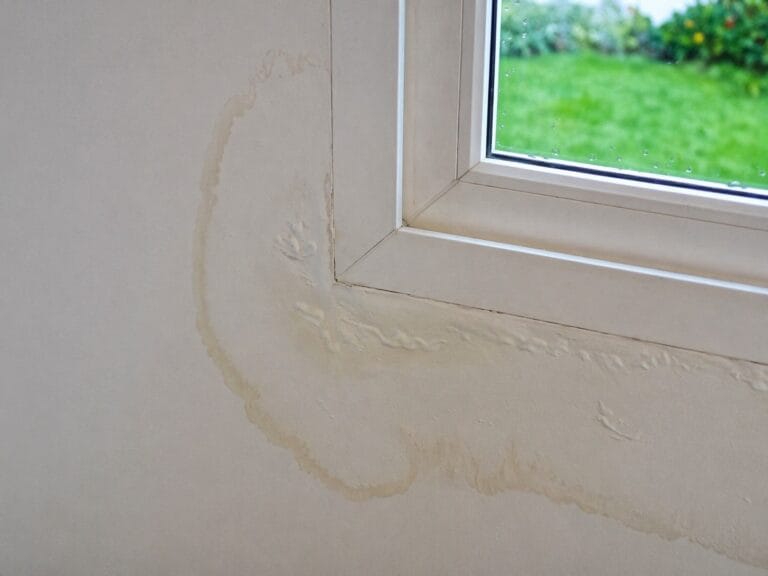
If mold keeps returning after cleaning, or if trim feels soft, paint bubbles, drywall crumbles, or staining spreads beyond the surface, do not cover or repaint the area until the moisture source is identified. Persistent dampness around windows can indicate deeper frame, trim, or wall moisture that needs closer inspection.
Repeated Wetting Cycles
Repeated wetting cycles occur when condensation forms on surfaces daily or frequently. Each cycle introduces moisture that may not fully evaporate before the next cycle begins.
Over time, this repeated moisture exposure creates consistently damp conditions. Damp surfaces provide an environment where mold spores can attach and grow.
Common repeated wetting scenarios include:
- Morning condensation that remains until afternoon
- Nighttime cooling followed by morning moisture formation
- Daily indoor humidity increases from household activities
- Seasonal weather changes causing persistent condensation
Repeated wetting cycles significantly increase the risk of visible mold development.
Organic Surface Exposure
Mold requires organic material to grow. Window trim, drywall paper, and wooden surfaces provide suitable materials that mold can use as a food source.
When moisture settles on these materials, mold spores begin feeding on organic components. As colonies expand, visible discoloration and surface damage may develop.
The risk increases when those materials stay damp in tight corners, sill edges, trim joints, or areas hidden behind coverings.
Understanding how condensation supports mold growth also explains why moisture reduction matters. For prevention steps, see how to prevent mold around windows before repeated wetting allows mold to return around the same surfaces.
Hidden Causes That Increase Mold Risk Around Windows
While condensation often appears as a visible surface problem, hidden structural conditions can increase the likelihood of mold development. These underlying causes may not be obvious at first but can significantly influence how moisture behaves around windows.
These hidden causes explain why mold may return even when only light condensation is visible on the surface.
Thermal Bridging Effects
Thermal bridging occurs when materials that conduct heat efficiently connect interior and exterior surfaces. These connections allow heat to transfer quickly through walls or window structures, lowering the temperature of interior surfaces.
When surfaces cool due to thermal bridging, condensation forms more easily. Even moderate indoor humidity levels can produce moisture when surface temperatures drop below the dew point.
Thermal bridging commonly occurs in areas such as:
- Metal fasteners or framing components
- Poorly insulated window frames
- Structural connections between interior and exterior materials
- Window installations lacking proper insulation barriers
These areas often develop condensation first because they cool faster than surrounding surfaces.
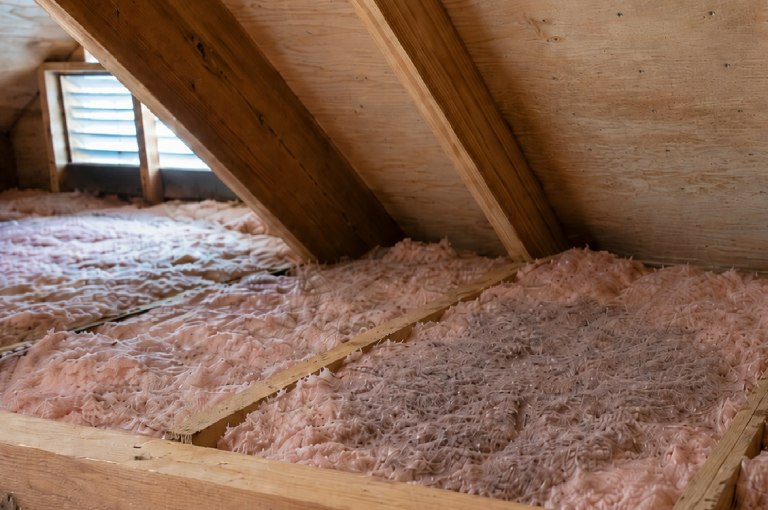
Insulation Gaps and Air Leakage
Insulation gaps allow cold air to enter wall cavities or interior spaces near windows. When cold air infiltrates these areas, surrounding surfaces cool rapidly, increasing condensation potential.
Air leakage can occur around window frames when seals deteriorate or when installation methods leave small openings. Even minor gaps can allow temperature differences that support moisture formation.
Insulation and air leakage problems may lead to:
- Localized cold spots near window edges
- Persistent condensation along trim areas
- Moisture accumulation inside wall cavities
- Hidden mold growth behind visible surfaces
When moisture remains hidden inside structural components, mold may develop without immediate visible warning signs. In some cases, homeowners later discover signs of hidden mold around window frames after extended periods of unnoticed moisture exposure.
Why Condensation Problems Often Worsen Over Time
Condensation problems rarely remain static. Once moisture patterns develop, repeated exposure gradually increases the risk of mold growth and material damage. Understanding why condensation worsens over time helps explain how small moisture problems evolve into larger structural concerns.
Surface Damage Increases Moisture Retention
Repeated exposure to moisture weakens surface materials. Paint coatings may deteriorate, sealants may break down, and protective finishes may lose effectiveness. As surfaces degrade, they absorb moisture more easily and remain damp longer.
Damaged surfaces create rough textures that hold moisture, increasing the duration of damp conditions. This extended moisture exposure encourages mold growth and makes drying more difficult.
Moisture Patterns Become More Persistent
As condensation cycles continue, moisture patterns may become more predictable and concentrated in specific areas. Over time, materials absorb repeated moisture exposure, making them slower to dry.
Persistent moisture patterns may include:
- Condensation forming in the same location daily
- Trim areas remaining damp for extended periods
- Discoloration developing gradually along edges
- Localized mold growth returning repeatedly
These patterns demonstrate how long-term exposure to moisture conditions creates ongoing mold risks.
FAQ: Why Windows Develop Condensation and Mold
Why do my windows get condensation?
Windows develop condensation when warm, humid indoor air contacts cold window surfaces. As the air cools, it releases moisture that forms visible droplets. This process occurs naturally when temperature differences exist between indoor air and window glass.
Why do my windows sweat in winter?
Windows often sweat during winter because outdoor temperatures lower the temperature of glass surfaces. When indoor humidity remains high, condensation forms easily as warm indoor air meets cold glass.
Does condensation always cause mold?
Condensation does not always lead to mold, but repeated moisture exposure increases the likelihood of mold development. Mold typically forms when surfaces remain damp frequently or when moisture persists for extended periods.
Why does mold grow near windows?
Mold grows near windows because condensation creates damp conditions that support mold development. Organic materials such as wood trim and drywall provide food sources that allow mold to expand once moisture remains present.
Why does condensation happen more at night?
Condensation often increases at night because outdoor temperatures drop, lowering window surface temperatures. Cooler surfaces increase the likelihood that moisture in indoor air will condense into visible water droplets.
Can window condensation damage walls?
Yes. Persistent condensation can damage surrounding wall materials over time. Moisture may seep into trim, drywall, or insulation, increasing the risk of structural damage and mold growth if moisture conditions remain unresolved.
Conclusion: Why Window Condensation Turns Into Mold
Condensation and mold around windows usually develop from a combination of high indoor humidity, cold glass or frame surfaces, limited airflow, and hidden construction factors. When warm indoor air meets a cold surface, moisture forms naturally, especially when humidity remains elevated.
Over time, repeated condensation cycles create conditions that support mold growth. Surface materials weaken, moisture retention increases, and localized mold development becomes more likely. Recognizing these causes helps explain why condensation patterns occur and why some window areas experience recurring moisture problems.
When condensation continues or mold appears repeatedly around the same window, the issue is usually more than a surface-cleaning problem. It may involve cold glass, high indoor humidity, restricted airflow, thermal bridging, frame gaps, or hidden moisture around the opening. For the broader window and door moisture system, see How Windows and Doors Cause Hidden Moisture Problems.
Key Takeaways
- Condensation forms when warm, humid air contacts cooler window surfaces.
- Higher indoor humidity increases the likelihood of condensation and mold development.
- Poor airflow allows moisture to remain concentrated near window areas.
- Repeated wetting cycles create favorable conditions for mold growth.
- Thermal bridging and insulation gaps increase condensation risk.
- Repeated condensation in the same window area often points to a humidity, airflow, cold-surface, or hidden frame moisture problem.
8 Comments
Comments are closed.