How to Prevent Mold on Window Sills
Window sills are one of the most common places mold begins forming inside a home. Because they sit directly beneath the glass, they collect moisture from condensation, humidity, and occasional water intrusion. If moisture remains on the sill repeatedly, mold can begin growing within days under the right conditions.
Preventing mold on window sills is not about cleaning alone. It requires controlling moisture on the sill itself, improving airflow across the lower window area, and maintaining protective surfaces that resist water absorption. Many homeowners clean visible mold only to see it return because condensation, damp wood, or failed caulk keeps the sill wet.
This guide explains how to prevent mold on window sills by drying condensation quickly, improving airflow, controlling indoor humidity, and keeping the sill surface sealed against moisture.
Why Window Sills Are Prone to Mold Growth
Window sills naturally collect moisture due to their position beneath the glass. When warm indoor air contacts cold window surfaces, condensation forms and drips downward. Over time, this moisture accumulates along the sill and surrounding trim.
Several structural and environmental factors make window sills especially vulnerable to mold:
- Cold glass surfaces that trigger condensation
- Horizontal surfaces that allow water to collect
- Limited airflow near window areas
- Paint or caulk deterioration that exposes wood
- Repeated moisture exposure without full drying
Even homes without visible leaks can develop mold on window sills if humidity levels remain elevated. If you’re unsure whether moisture damage has already begun, reviewing how to inspect window sills for moisture damage helps identify early warning signs before mold becomes established.
The Most Common Causes of Mold on Window Sills
Mold develops on window sills when moisture stays on the surface long enough for spores to grow. The main prevention goal is to shorten how long the sill stays damp.
Condensation Buildup on Window Glass
Condensation is the leading cause of mold on window sills. When indoor humidity rises and outdoor temperatures drop, window glass becomes cold enough to form moisture droplets.
These droplets run down the glass and collect along the sill surface. If not wiped away regularly, this moisture creates a damp environment ideal for mold growth.
Typical condensation-related signs include:
- Water droplets forming on glass in the morning
- Damp sill surfaces during colder months
- Moisture appearing on multiple windows
- Small mold spots developing near lower corners
Understanding why windows develop condensation and mold helps identify whether humidity levels are contributing to repeated sill moisture.
Poor Airflow Near Window Areas
Air movement helps moisture evaporate. When airflow is restricted, moisture remains trapped on surfaces longer than expected.
Common airflow problems include:
- Heavy curtains covering window surfaces
- Furniture placed tightly against windows
- Closed blinds trapping moisture near glass
- Lack of ventilation in enclosed rooms
Restricted airflow slows drying time and allows moisture to linger long enough for mold to develop.
High Indoor Humidity Levels
Indoor humidity is one of the most important factors affecting mold prevention. Activities such as cooking, showering, and laundry release large amounts of moisture into the air.
When humidity remains high, condensation becomes more frequent and severe. Over time, repeated moisture exposure increases the likelihood of mold forming on window sills.
Homes with persistent humidity problems may benefit from using a dehumidifier or improving ventilation. The goal is not just to dry the room, but to reduce the condensation that repeatedly wets the window sill.
Damaged Paint or Sealant on the Sill
Paint and sealant protect the sill surface from absorbing moisture. When these protective layers wear down, the underlying material becomes more vulnerable to water penetration.
Common warning signs include:
- Peeling or cracked paint
- Gaps forming along caulk lines
- Rough or exposed wood surfaces
- Surface discoloration returning after cleaning
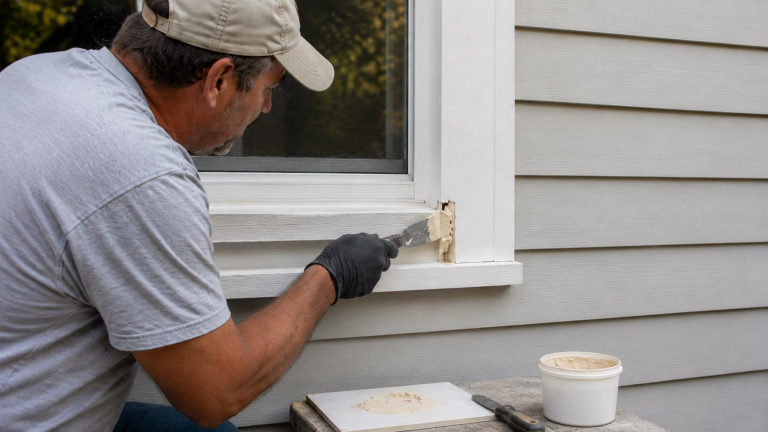
Maintaining protective finishes helps prevent moisture from soaking into sill materials. Repaint exposed wood, replace cracked caulk, and avoid leaving raw or rough sill areas exposed to repeated condensation.
Daily Habits That Prevent Mold on Window Sills
The most effective daily habit is simple: keep the sill dry before moisture has time to soak into paint, caulk, or exposed wood.
Wipe Away Morning Condensation
Condensation typically forms overnight when temperatures drop. Wiping away moisture each morning prevents water from remaining on the sill surface long enough to support mold growth.
Use a clean cloth or absorbent towel to remove visible moisture from:
- The window glass surface
- The horizontal sill area
- Lower corners where water collects
- Adjacent trim surfaces
After wiping, leave the sill uncovered until it feels dry to the touch. If moisture returns every morning, treat it as a humidity or condensation problem rather than a cleaning problem.
Keep Window Areas Clear
Keeping the window area open improves airflow and reduces moisture retention. Avoid placing objects that block ventilation near window surfaces.
Maintain clearance by:
- Moving furniture slightly away from windows
- Avoiding stacked items on window sills
- Opening blinds periodically during the day
- Allowing airflow across the sill surface
Improved airflow shortens drying time. If curtains or blinds stay damp, keep them slightly open during the day so moisture does not remain trapped against the sill.
Dry Sills Immediately After Water Exposure
Spills, leaks, or accidental water exposure should always be dried promptly. Even small amounts of water left unattended can create favorable conditions for mold growth.
If water exposure occurs, follow proper steps to dry window areas after water intrusion to prevent lingering moisture.
How to Reduce Condensation on Window Sills
Reducing condensation is one of the most effective ways to prevent mold on window sills because it limits the water that collects along the lower glass, corners, and horizontal sill surface.
Condensation develops when warm indoor air contacts colder window surfaces. The greater the temperature difference between indoor air and the window glass, the more condensation forms. Managing this process helps prevent repeated moisture buildup.
Improve Air Circulation Around Windows
Air movement allows moisture to evaporate more quickly. Without adequate circulation, condensation remains on the sill longer than expected.
Ways to improve airflow include:
- Opening blinds during daylight hours
- Pulling curtains slightly away from the window
- Using ceiling fans to circulate indoor air
- Allowing airflow paths between rooms
- Keeping interior doors partially open when possible
Even small airflow improvements can significantly reduce how long moisture remains on the sill.
Maintain Consistent Indoor Temperatures
Sudden temperature changes increase condensation risk. Maintaining steady indoor temperatures helps reduce the temperature difference between indoor air and window surfaces.
Helpful temperature management practices include:
- Avoiding large overnight temperature drops
- Keeping interior temperatures stable during cold weather
- Using programmable thermostats to maintain consistency
- Reducing temperature swings near window areas
Stable indoor conditions limit the amount of condensation that forms during cooler periods.
Use Exhaust Fans in Moisture-Producing Areas
Rooms such as kitchens and bathrooms generate large amounts of moisture. If this moisture spreads throughout the home, condensation may form on cooler window surfaces.
To reduce humidity from indoor activities:
- Run bathroom exhaust fans during showers
- Use kitchen ventilation when cooking
- Allow exhaust fans to run briefly after use
- Keep doors closed to isolate moisture-heavy rooms
These steps reduce the amount of moisture circulating through living spaces.
How to Control Humidity to Protect Window Sills
Humidity control helps prevent mold on window sills by reducing the condensation that forms on cold glass and collects along the lower sill.
Monitor Indoor Humidity Levels
Use a simple digital hygrometer in rooms where window condensation appears often. If humidity stays high for long periods, reduce moisture with ventilation, exhaust fans, or a dehumidifier.
Use Dehumidifiers When Needed
In homes with persistent humidity problems, a dehumidifier can reduce the moisture that leads to repeated window condensation.
Situations where dehumidifiers are especially helpful include:
- Homes located in humid climates
- Rooms with limited natural ventilation
- Basements or lower-level living spaces
- Homes with frequent condensation problems
If condensation appears on the same windows often, humidity control should be part of the prevention plan.
Improve Ventilation Where Possible
Ventilation helps remove excess moisture from indoor air. Increasing ventilation improves air exchange and reduces humidity buildup.
Practical ventilation strategies include:
- Opening windows during mild weather
- Using ventilation fans in enclosed spaces
- Maintaining airflow pathways through the home
- Allowing fresh air to circulate regularly
These improvements help maintain balanced indoor moisture levels.
Cleaning Window Sills Without Leaving Moisture Behind
Routine cleaning helps prevent mold by removing dust, residue, and damp debris from corners, seams, and painted sill surfaces. Cleaning still needs to be followed by complete drying.
Clean Window Sills Regularly
Regular cleaning helps remove dust, debris, and moisture buildup that encourage mold growth. Even clean-looking surfaces may contain particles that support mold development.
Recommended cleaning practices include:
- Wiping sills with a damp cloth periodically
- Removing visible dust accumulation
- Cleaning corners and seam areas carefully
- Allowing surfaces to dry completely afterward
Consistency matters more than frequency. Routine cleaning prevents small moisture problems from developing into larger issues.
Dry Surfaces Completely After Cleaning
Cleaning introduces moisture to surfaces. If surfaces remain wet after cleaning, mold risk may increase rather than decrease.
Always dry sills thoroughly after cleaning by:
- Using dry cloths or towels
- Allowing airflow to assist drying
- Avoiding sealing moisture beneath decorative coverings
- Checking corners for lingering dampness
Complete drying is a critical step that is often overlooked.
Seasonal Prevention Strategies for Window Sills
Mold prevention on window sills often depends on seasonal conditions. Changes in outdoor temperature, humidity, and indoor activity levels affect how much moisture forms on window surfaces. Adjusting prevention methods throughout the year helps reduce recurring problems.
Winter Prevention Strategies
Winter creates the highest risk for condensation-related mold growth. Cold outdoor temperatures make window glass colder, increasing the likelihood of moisture forming on the interior surface.
Effective winter prevention practices include:
- Checking windows each morning for condensation
- Wiping moisture before it collects on the sill
- Maintaining steady indoor temperatures
- Using exhaust fans during high-moisture activities
- Keeping window coverings partially open to allow airflow
These winter habits reduce moisture accumulation during the period when condensation risk is highest.
Summer Prevention Strategies
During warmer months, humidity becomes the primary concern rather than cold surface condensation. Outdoor humidity can enter the home through open windows or ventilation pathways.
Summer prevention methods include:
- Managing indoor humidity levels carefully
- Using dehumidifiers during humid conditions
- Monitoring moisture buildup during rainy periods
- Allowing airflow through naturally ventilated spaces
- Checking sills after heavy storms
These steps help reduce moisture accumulation even when temperatures are warm.
Spring and Fall Prevention Strategies
Seasonal transitions often create fluctuating humidity and temperature levels. These changes may cause intermittent condensation and moisture buildup.
Recommended transitional-season practices include:
- Inspecting window sills more frequently
- Monitoring humidity fluctuations
- Cleaning sills after seasonal weather changes
- Watching for moisture patterns following storms
Consistent monitoring during seasonal changes helps identify developing problems early.
When Prevention Isn’t Enough
While prevention strategies reduce mold risk significantly, some conditions require deeper investigation. Persistent moisture patterns usually indicate underlying problems that require attention beyond routine prevention.
Stop treating the sill as a routine cleaning issue if mold returns quickly, the sill stays soft or swollen, paint keeps bubbling, or moisture appears after rain. Those signs may indicate a leak, damaged sealant, or moisture inside the window assembly.
Repeated Mold Growth After Cleaning
If mold returns shortly after cleaning, moisture conditions remain favorable for growth. This usually means that preventive steps are not addressing the root cause.
Possible causes include:
- Hidden moisture inside surrounding materials
- Recurring condensation patterns
- Air leakage near window edges
- External water entry during rainfall
Understanding the causes behind why mold forms around window corners can help identify whether moisture patterns are concentrated in specific structural areas.
Moisture That Returns Frequently
Moisture that reappears regularly is rarely accidental. Repeated dampness usually signals ongoing environmental or structural conditions that require correction.
Recurring moisture should be investigated when:
- The same areas remain damp repeatedly
- Paint damage continues to develop
- Surface discoloration spreads over time
- Mold spots return after cleaning
Ignoring repeated moisture exposure increases the likelihood of long-term structural damage.
Visible Structural Damage Near the Sill
When visible deterioration appears around the sill, prevention alone may no longer be sufficient. Structural damage suggests prolonged exposure to moisture that has penetrated deeper materials.
Warning signs include:
- Soft or crumbling wood
- Spreading paint failure
- Deep discoloration beneath surfaces
- Persistent musty odors
When these conditions appear, additional steps may be required to address the underlying cause. Learning how to fix persistent moisture around windows helps determine whether corrective repairs are necessary.
Frequently Asked Questions About Preventing Mold on Window Sills
Why does mold keep coming back on my window sill?
Mold returns when moisture conditions remain favorable for growth. Cleaning removes visible mold, but it does not eliminate the moisture source. Recurring condensation, high humidity, or poor airflow are the most common reasons mold continues to reappear.
If mold repeatedly develops in the same location, the area likely experiences ongoing moisture exposure that requires correction.
How often should window sills be cleaned to prevent mold?
Regular cleaning helps remove dust and debris that mold can feed on, but frequency depends on local conditions. In homes with frequent condensation or humidity, weekly wiping may be beneficial. In lower-risk environments, periodic cleaning combined with moisture control is usually sufficient.
The key factor is keeping surfaces dry rather than maintaining a strict cleaning schedule.
Does wiping condensation really prevent mold?
Yes. Removing condensation prevents water from remaining on the sill surface long enough to support mold growth. Repeated condensation left untreated provides the moisture mold needs to develop.
Even simple daily wiping during cold weather significantly reduces mold risk.
Are certain window materials more resistant to mold?
Some materials resist moisture better than others. Vinyl, composite, and properly sealed surfaces generally resist moisture absorption more effectively than unfinished wood.
However, any material can develop mold if moisture remains present long enough. Prevention strategies remain important regardless of material type.
Can dehumidifiers prevent mold on window sills?
Dehumidifiers help reduce indoor humidity, which directly lowers condensation levels on window glass. In homes with persistent humidity problems, these devices often reduce the frequency of sill moisture buildup.
When humidity control is combined with airflow improvements and routine drying, mold prevention becomes significantly more effective.
Final Prevention Checklist for Window Sills
To prevent mold on window sills, focus on the conditions that keep the sill damp:
- Wipe condensation from the glass, lower corners, and sill surface.
- Keep curtains, blinds, and stored items from trapping moisture against the sill.
- Control humidity in rooms where condensation appears repeatedly.
- Repair cracked caulk, peeling paint, or exposed wood before moisture soaks in.
- Investigate recurring moisture after rain, bubbling paint, swelling, or musty odors.
If mold has already formed, address the sill moisture source first, then clean the affected surface safely. For broader window moisture patterns beyond the sill, review how windows and doors cause hidden moisture problems so repeated condensation, leaks, or frame moisture are not missed.
Key Takeaways
- Window sills are vulnerable to mold because condensation and small leaks collect on a horizontal surface.
- Preventing mold requires controlling moisture rather than relying on cleaning alone.
- Daily habits like wiping condensation significantly reduce mold risk.
- Humidity control and airflow improvements help prevent recurring moisture buildup.
- Seasonal adjustments improve prevention during periods of higher condensation risk.
- Repeated mold growth usually indicates unresolved moisture problems.