
Why Mold Forms Around Window Corners
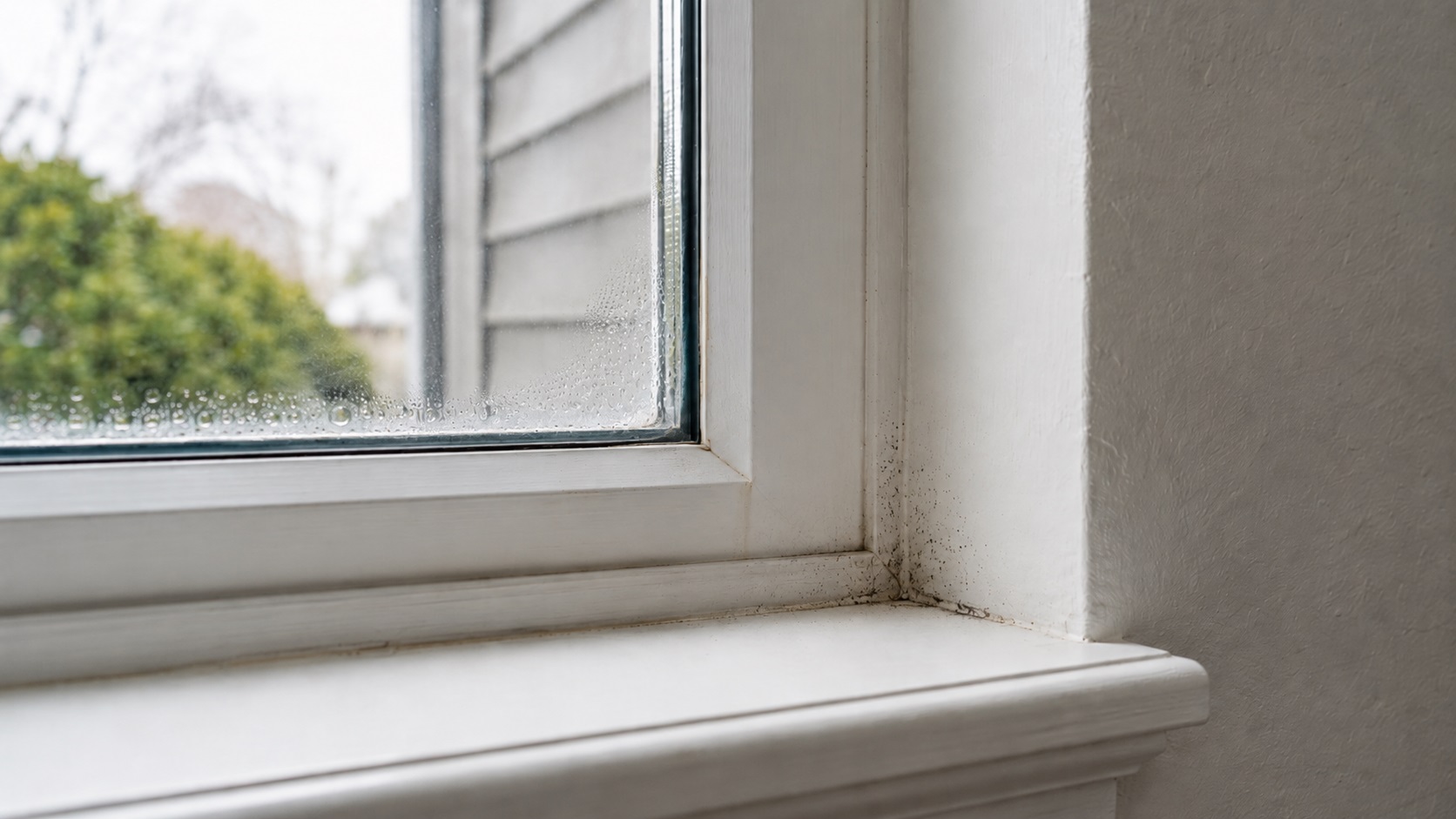
Mold forms around window corners because those corners often become colder, wetter, and slower to dry than the rest of the window. The lower corners are especially vulnerable because condensation, runoff from glass, weak airflow, and structural cold spots can all concentrate moisture in the same small area.
This pattern is not random. When warm indoor air reaches a cold corner, moisture can condense on the surface. If that corner also has limited airflow, a small insulation gap, or thermal bridging through the window opening, the dampness may return repeatedly even after cleaning.
This article explains the physical causes of mold around window corners so you can tell whether the problem is mainly condensation, poor airflow, thermal bridging, exterior water entry, or a combination of several moisture conditions.
Why Window Corners Are Especially Vulnerable to Mold
Window corners combine multiple structural elements into a small area. The horizontal sill meets vertical trim, and different materials often join together at these points. These intersections behave differently than flat surfaces and often become colder and wetter than surrounding areas.
Several factors make corners especially vulnerable to mold growth:
- Multiple materials meeting in tight spaces
- Reduced airflow compared to flat surfaces
- Higher likelihood of temperature differences
- Moisture pooling at lower edges
- Greater exposure to condensation runoff
Because corners act as natural collection points, moisture tends to accumulate there repeatedly. Over time, even small amounts of moisture can support mold growth if drying conditions remain poor.
Because corner mold is often tied to how window openings handle heat, air, and moisture, it should be understood as part of the larger pattern of how windows and doors cause hidden moisture problems, not only as a surface cleaning issue.
How Temperature Differences Create Corner Condensation
Temperature differences are one of the main reasons window corners develop mold. When warm indoor air touches a colder corner surface, moisture can condense there before it appears on surrounding trim or sill areas.
Why Corners Become Colder Than Flat Surfaces
Flat window surfaces typically receive more consistent heat from indoor air. Corners, however, lose heat more rapidly because they expose more surface area to cold outdoor temperatures.
This creates a cold spot where condensation can begin sooner and dry more slowly.
Common characteristics of cold corner areas include:
- Condensation forming first in corners
- Moisture appearing even when other areas stay dry
- Cold surfaces noticeable to the touch
- Visible moisture patterns concentrated in lower edges
That repeated early condensation is why the same corner may develop mold before the rest of the window shows a problem.
How Warm Indoor Air Creates Moisture at Cold Corners
Indoor air can carry enough moisture to condense on cold surfaces even when the room does not feel damp.
In window corners, this process occurs repeatedly because:
- Cold temperatures develop near structural edges
- Air circulation slows in tight corner spaces
- Moisture cannot evaporate quickly
- Water collects where gravity directs it
This cycle often repeats daily during colder months, creating ideal conditions for mold development.
If moisture forms across the glass or trim rather than mainly in the corners, why windows develop condensation and mold explains the broader window-wide condensation pattern.
The Role of Thermal Bridging in Corner Mold Growth
Thermal bridging is one of the most important structural causes of recurring mold around window corners. It happens when heat escapes more easily through framing, metal components, poorly insulated sections, or other materials around the window opening.
What Thermal Bridging Looks Like in Window Corners
When thermal bridging occurs, heat escapes through specific areas faster than through surrounding materials. This causes those areas to become colder, increasing condensation risk.
Typical signs of thermal bridging include:
- Condensation forming repeatedly in the same corner
- Mold appearing in identical locations each season
- Cold surface temperatures concentrated at joints
- Moisture patterns that follow structural seams
These patterns often indicate structural heat loss rather than isolated moisture events.
Why Thermal Bridging Encourages Mold Growth
Thermal bridging increases mold risk by lowering surface temperatures below the point where condensation begins. Once condensation forms, repeated moisture exposure creates an environment where mold can grow.
This process explains why mold often develops in corners even when the rest of the window appears dry. It also explains why cleaning alone rarely solves recurring corner mold problems.
How Airflow Limitations Trap Moisture in Window Corners
Airflow controls how quickly condensation dries. Even when moisture forms, good air movement can help it evaporate before mold becomes established. Window corners often receive less airflow, so dampness can linger there longer than on open sill or trim surfaces.
Why Corners Receive Less Air Movement
Air naturally circulates more freely across open surfaces than in tight spaces. Corners create enclosed zones where airflow slows significantly.
Several factors contribute to reduced airflow in window corners:
- Physical geometry that blocks air circulation
- Heavy curtains covering window edges
- Closed blinds trapping moisture near glass
- Furniture positioned near window openings
- Narrow gaps that restrict airflow movement
This is why mold often appears behind curtains, blinds, or tight trim edges before it appears on open surfaces.
How Stagnant Air Increases Mold Risk
When air movement slows, evaporation slows as well. Moisture that would normally dry quickly instead remains trapped in corner areas.
This prolonged dampness increases mold risk because:
- Moisture stays on surfaces longer
- Drying times increase significantly
- Organic particles accumulate in damp areas
- Surface temperatures remain lower in stagnant zones
Over time, repeated dampness allows mold spores to establish growth in the same locations.
Structural Causes of Corner Moisture Problems
Structural issues can increase moisture accumulation in window corners. These conditions often involve gaps, insulation problems, or material failures that allow moisture to move into corner areas.
Insulation Gaps Around Window Openings
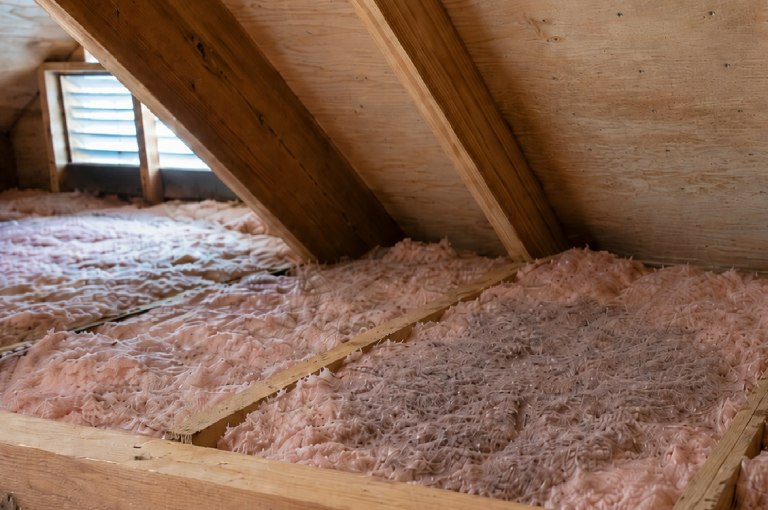
Improper or incomplete insulation around window openings can create cold spots that increase condensation risk. Without proper insulation, heat escapes more easily through structural components.
Signs of insulation-related problems include:
- Persistent cold areas near window corners
- Condensation forming even at moderate humidity levels
- Mold appearing during colder seasons
- Visible drafts near window edges
Insulation gaps often allow exterior temperatures to influence interior surfaces more strongly.
Small Exterior Sealing Failures
Exterior sealing protects window openings from water entry. When sealant fails, moisture may enter small openings and travel toward interior corners.
Possible signs of sealing failure include:
- Moisture appearing after rainfall
- Localized staining near one side of the window
- Water marks forming beneath corner joints
- Dampness that occurs regardless of humidity levels
If moisture appears after storms, it may indicate water entry rather than condensation.
Material Movement and Aging
Building materials expand and contract over time due to temperature changes. This movement can create small gaps at joints, especially in corner areas.
Warning signs of aging-related movement include:
- Hairline cracks at trim joints
- Separation along corner seams
- Repeated moisture at the same junction
- Paint damage concentrated along structural edges
Material movement alone may not cause mold, but it can allow moisture to enter areas where mold eventually develops.
Indoor Conditions That Make Corner Mold Worse
Indoor conditions can make corner mold worse even when the window itself is structurally sound. High humidity, seasonal temperature swings, and poor room ventilation all increase the amount of moisture available for condensation.
High Indoor Humidity
Indoor humidity increases condensation risk across the whole window, but corners usually show the problem first because they are colder and slower to dry.
Sources of indoor humidity include:
- Cooking without ventilation
- Hot showers without exhaust fans
- Drying laundry indoors
- Poor airflow in enclosed rooms
- Seasonal weather conditions
When humidity stays high, even a well-built window can develop repeated condensation at its coldest corners.
Seasonal Temperature Changes
Seasonal changes significantly affect condensation patterns. Cold outdoor temperatures create stronger temperature differences between indoor air and window surfaces.
Seasonal conditions that increase mold risk include:
- Cold winter mornings
- Rapid overnight temperature drops
- High indoor humidity during heating seasons
- Increased condensation during seasonal transitions
This is why corner mold may disappear during warmer months and return during colder or more humid seasons.
Limited Ventilation in Specific Rooms
Rooms with limited ventilation tend to retain moisture longer than well-ventilated areas. This moisture often accumulates near windows.
Common examples include:
- Bedrooms with closed doors overnight
- Bathrooms lacking proper ventilation
- Laundry areas without airflow pathways
- Spaces with tightly sealed windows
Poor ventilation increases moisture levels and slows drying time.
When Corner Mold Signals a Larger Window Problem
While many cases of mold around window corners are caused by condensation or airflow limitations, some situations indicate deeper moisture problems. Recognizing when corner mold is part of a larger issue helps prevent repeated damage and more costly repairs later.
Corner mold that appears once may not indicate serious trouble. However, recurring mold in the same location often signals an ongoing moisture source that deserves closer inspection.
Mold Appearing After Rainfall
If mold or dampness appears shortly after rainfall, water entry from outside may be the cause. Exterior leaks often deliver moisture directly into structural joints, which frequently leads to mold formation in lower corners.
Possible signs of rain-related moisture include:
- Moisture appearing after storms
- Water stains concentrated near one side of the window
- Dampness forming even when humidity is low
- Visible discoloration spreading downward from corners
Rain-related moisture patterns should be investigated promptly to prevent deeper structural damage.
Mold Spreading Beyond Corner Areas
Mold that spreads outward from the corners into surrounding surfaces usually indicates prolonged moisture exposure. This suggests the problem is no longer limited to surface condensation.
Watch for signs such as:
- Mold spreading onto vertical trim
- Discoloration extending onto drywall
- Soft or weakened materials near the sill
- Persistent musty odors around the window
These signs often mean moisture is moving into surrounding materials rather than remaining on the surface. If the affected area is large, materials feel soft, or mold returns quickly after cleaning, the window opening should be inspected more carefully before the problem spreads.
If you suspect broader damage around the window opening, reviewing the signs of water damage around windows can help determine whether the problem extends beyond the corners.
Repeated Mold in the Same Location Every Season
Recurring mold in identical locations typically indicates predictable moisture behavior. This pattern is often associated with thermal bridging or insulation deficiencies.
Seasonal recurrence often appears as:
- Mold appearing during colder months
- Reappearing spots in identical positions
- Moisture forming during predictable weather patterns
- Repeated cleaning followed by rapid return
When this occurs, the underlying cause usually involves temperature differences or insulation issues rather than simple surface moisture.
How to Confirm What Is Causing Mold in Window Corners
Not all dark spots in corners are caused by mold, and not all mold growth results from structural problems. Confirming moisture involvement helps guide the correct response.
The most useful clues are timing, location, and repeat pattern: when the moisture appears, which corner is affected, and whether the same area becomes damp again after cleaning.
Check Nearby Window Sill Conditions
Window sill conditions often provide important evidence about moisture behavior. If the sill shows signs of repeated moisture exposure, the corners are likely experiencing the same conditions.
Common related signs include:
- Peeling paint along sill edges
- Surface discoloration near corners
- Soft or swollen materials
- Recurring moisture patterns
If sill damage is suspected, learning how to inspect window sills for moisture damage helps identify whether moisture has penetrated deeper materials.
Look for Condensation Patterns on Glass
Condensation on window glass provides strong evidence that humidity conditions may be contributing to corner mold.
Look for:
- Water droplets forming along glass edges
- Moisture collecting along lower corners
- Dampness appearing during cold weather
- Moisture visible during early morning hours
These patterns suggest condensation-driven moisture rather than exterior water entry, especially if the dampness appears on cold mornings and improves as the room warms.
Compare Conditions Across Multiple Windows
Examining multiple windows helps determine whether the problem is localized or widespread.
Important observations include:
- Mold appearing on several windows
- Similar moisture patterns across rooms
- Damage concentrated in specific window types
- Recurring problems in colder exterior walls
If multiple windows show similar patterns, environmental factors such as humidity are likely contributing to the problem.
If the same moisture pattern also affects the flat sill surface, preventing mold on window sills covers the narrower sill-surface prevention steps.
Frequently Asked Questions About Mold Around Window Corners
Why does mold form only in the corners of my window?
Window corners are more vulnerable to mold because they often become colder than flat surfaces and receive less airflow. These conditions allow moisture to collect and remain longer than in surrounding areas.
Moisture concentration combined with limited drying conditions creates an environment where mold can grow even when nearby surfaces remain dry.
What is thermal bridging and how does it cause mold?
Thermal bridging occurs when heat escapes through certain materials more easily than others. This causes localized cold spots, especially at structural joints such as window corners.
When surfaces become cold enough, condensation forms more frequently, creating repeated moisture exposure that encourages mold growth.
Are window corners colder than other parts of the window?
Yes, window corners are often colder than surrounding areas because they lose heat more rapidly. The combination of intersecting materials and structural geometry increases heat loss at these points.
Colder surfaces increase the likelihood of condensation, making corners natural locations for moisture accumulation.
Is mold around window corners caused by leaks or condensation?
Mold around window corners can result from either condensation or water entry. Condensation typically occurs during cold weather or high humidity conditions, while leaks often cause moisture after rainfall.
Observing when moisture appears helps distinguish between these causes.
Can controlling humidity stop mold from forming in window corners?
Reducing indoor humidity can significantly lower condensation levels, which helps prevent moisture buildup in window corners. While humidity control alone may not solve structural problems, it often reduces recurring mold in many homes.
Consistent moisture management remains one of the most effective long-term prevention strategies.
Conclusion: Corner Mold Reflects Predictable Moisture Behavior
Mold forming around window corners is rarely random. These areas experience predictable temperature differences, moisture accumulation, and airflow limitations that create favorable conditions for mold growth.
Thermal bridging, humidity, airflow, and structural gaps can all explain why mold returns to the same corner even after cleaning.
When mold has already developed, safe cleanup still matters, but the recurring pattern will usually continue unless the corner moisture source is corrected.
The key is to identify which moisture pattern is present: condensation during cold weather, poor airflow around the window, a cold structural bridge, or water entry after rain.
Key Takeaways
- Window corners are colder than surrounding surfaces, making them more prone to condensation.
- Thermal bridging allows heat to escape, increasing moisture formation at structural joints.
- Limited airflow in corners slows drying and increases mold risk.
- Structural gaps and sealing failures can allow moisture to enter corner areas.
- Environmental factors such as humidity and seasonal temperature changes influence mold formation.
- Recurring mold in the same location usually indicates an ongoing moisture source.
- The timing of dampness helps separate condensation from exterior water entry.

One Comment
Comments are closed.