
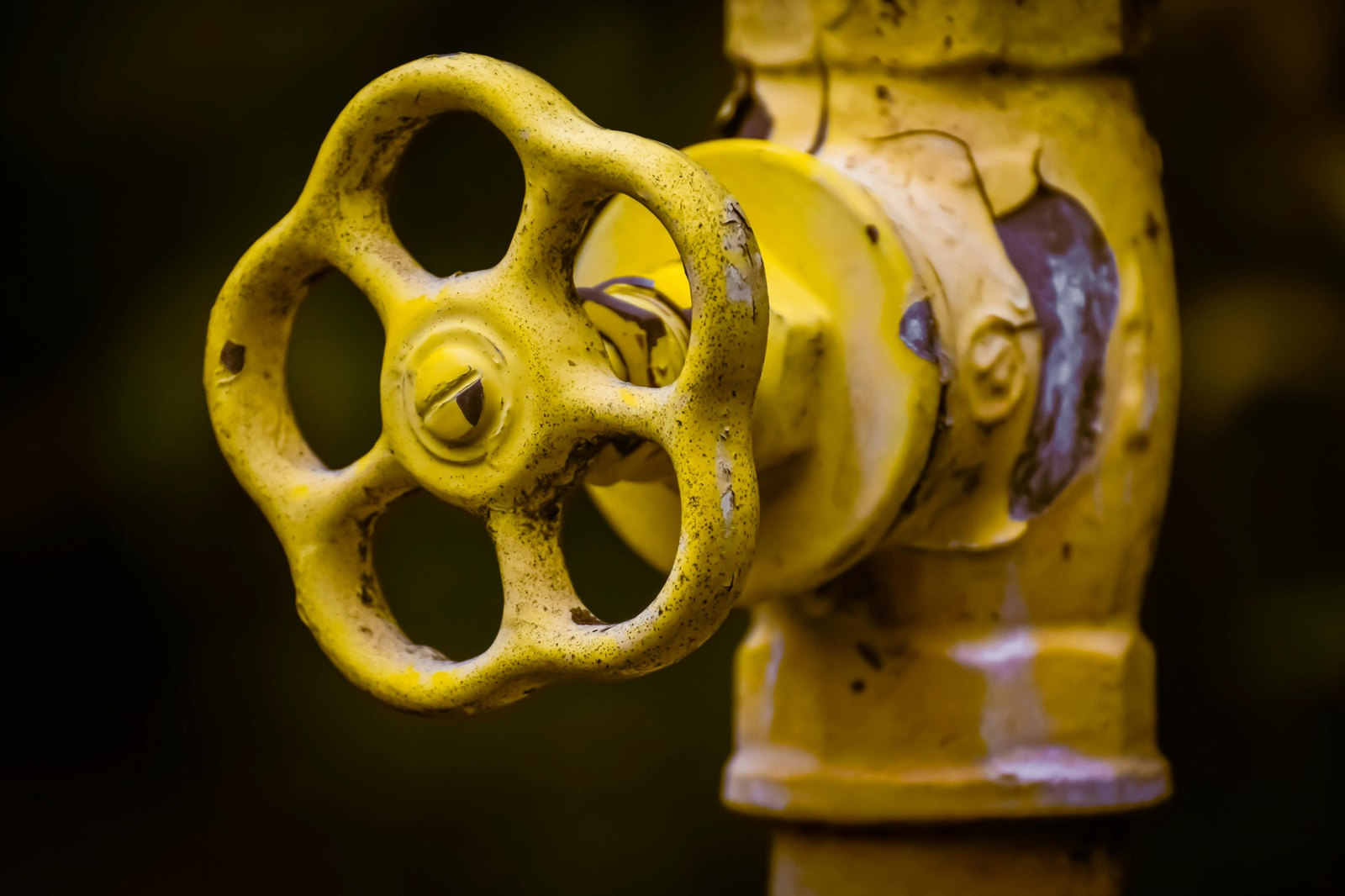
Signs a Shutoff Valve Is Failing
A plumbing shutoff valve is failing when it can no longer be trusted to stay dry, move properly, and stop water completely. The warning signs are not always dramatic. A small drip, a stiff handle, visible corrosion, mineral buildup, or water that keeps flowing after the valve is closed can all mean the valve is no longer reliable.
Shutoff valves matter because they are control points. When a faucet supply line leaks, a toilet connection fails, an appliance hose starts dripping, or a fixture needs repair, the shutoff valve should let you stop water quickly at that location. If the valve is stuck, leaking, or unable to close fully, the leak can continue long enough to damage cabinets, flooring, drywall, trim, or structural materials.
This article explains the visible and functional signs a shutoff valve may be failing, how to tell when the problem is becoming a water damage risk, and when professional help is safer than trying to force an old valve. For broader context on what can happen when plumbing failures continue unnoticed, see how plumbing leaks can cause structural damage.
Why a Failing Shutoff Valve Matters
A shutoff valve does not have to be the original source of a leak to create a serious problem. In many cases, the valve becomes important after another part fails. A faucet connector may drip, a toilet supply line may leak, or an appliance line may begin releasing water. If the nearby shutoff valve works, the water can usually be isolated quickly. If the valve fails, the leak may continue until water is shut off somewhere else.
That delay matters. Water can spread under cabinets, behind baseboards, under flooring, into drywall, and sometimes into hidden framing. Even a small leak can become a larger moisture problem if it continues long enough or if the area dries poorly. A working valve limits that exposure. A failing valve removes that layer of control.
Valve failure is about reliability. A shutoff valve should remain dry, move when needed, and stop water completely. If one of those functions is compromised, the valve should be treated as a warning sign, not just an old plumbing part.
Some valve symptoms are easy to see, such as corrosion, dripping, or water stains. Other symptoms only appear when the valve is operated. A valve may look normal until you try to close it. Then the handle may freeze, spin loosely, drip from the stem, or close without stopping water. Those functional symptoms are often more important than age alone.
For a broader replacement-timing guide, see when to replace plumbing shutoff valves. This article focuses specifically on the signs that show a valve may already be deteriorating or unreliable.
A Shutoff Valve Can Fail Before It Starts Dripping
A shutoff valve can fail functionally before it fails visibly. If the valve will not turn, will not stay stable, or will not stop water completely, it has already lost its main purpose even if it is not actively dripping.
For example, a sink shutoff valve may look dry from the outside, but when the handle is turned, water may continue flowing to the faucet. A toilet valve may appear intact, but the tank may keep refilling after the valve is closed. A washing machine valve may look normal until someone tries to shut it off and discovers that the handle is frozen open.
These are not cosmetic problems. They are control problems. A valve that cannot stop water is not dependable during a leak. A valve that cannot be moved without force is not dependable during maintenance. A valve that begins dripping after normal use is showing that its internal parts, stem area, or connections may no longer be stable.
This is especially important in hidden or semi-hidden areas. Under-sink cabinets, toilet corners, laundry rooms, and appliance spaces can hide moisture long enough for damage to spread. Recognizing a failing valve early is part of a larger effort to find, fix, and prevent moisture problems throughout the home.
A little stiffness, mineral crust, or staining may not mean an emergency by itself. But when symptoms appear together, such as corrosion plus dripping or stiffness plus incomplete shutoff, the valve is much more likely to be near failure.
Visible Signs a Shutoff Valve May Be Failing
Visible warning signs are often the first clue that a shutoff valve is aging or becoming unreliable. Some signs are mild and simply mean the valve should be watched more closely. Others suggest the valve may already be leaking, corroding, or losing its ability to control water safely.
As a quick check, look for three things before touching the valve: moisture below it, corrosion or crust around the stem and connections, and damage or looseness at the handle.
Corrosion or Rust on the Valve
Corrosion is one of the most common warning signs of a failing shutoff valve. It may appear as rust on the handle, discoloration on the valve body, green or blue-green staining around brass parts, or rough buildup near the stem or connection.
Light surface discoloration does not always mean the valve is about to fail, but corrosion should never be ignored. It means the valve has been exposed to moisture, minerals, age-related wear, or a small amount of seepage over time. The concern increases when corrosion appears near the stem, packing area, threaded connection, or compression fitting.
Corrosion is especially important when it appears with other symptoms. A corroded valve that also feels stiff, leaks when touched, or sits above a stained cabinet floor is much more concerning than a valve with minor surface aging. When several warning signs appear together, the valve should be treated as a likely replacement candidate.
White, Green, or Crusty Mineral Buildup
Mineral buildup around a shutoff valve often appears as white crust, chalky residue, or greenish deposits near the handle, stem, body, or pipe connection. This is common in homes with hard water, but it can also appear where small amounts of water have seeped and dried repeatedly.
A little mineral residue may not mean the valve is actively leaking, but heavy buildup can hide small seepage and make the valve harder to operate. If the buildup is concentrated around the stem or connection, it may suggest water has been escaping slowly enough to dry before forming a visible drip.
Mineral crust should be taken more seriously when the valve is under a sink, behind a toilet, or near an appliance where slow moisture may go unnoticed. If you are seeing buildup on under-sink valves along with cabinet staining or swelling, compare the area with the signs of water damage under sink cabinets.
Water Stains Below the Valve
Water stains below a shutoff valve are a strong clue that moisture has been present at some point. The stain may appear on a cabinet floor, wall surface, baseboard, flooring edge, or mechanical-room surface beneath the valve. It may be brown, yellow, gray, darkened, or slightly warped depending on the material.
A stain does not always prove the valve is the only source of moisture. Water may also come from a supply line, faucet connection, drain fitting, toilet connection, appliance hose, or condensation. However, a stain directly below a shutoff valve means the valve should be included in the inspection.
The pattern matters. A single old stain that is completely dry may point to a past problem. A stain that grows, darkens, feels damp, or returns after cleaning suggests active moisture. If the valve also shows corrosion or mineral buildup, the chance of valve-related seepage is higher.
A Loose, Damaged, or Missing Handle
The handle is part of the valve’s ability to control water. If the handle is cracked, loose, stripped, missing, or difficult to grip, the valve may not be dependable when you need to shut water off quickly.
A loose handle can sometimes make the valve feel like it is turning even when the internal mechanism is not responding properly. A damaged handle may also break under pressure, especially if the valve is already stiff. In an emergency, that can leave the water running while you search for another shutoff point.
Handle damage is more concerning on valves that already show age, corrosion, or stiffness. A clean valve with a slightly loose handle may need attention, but a corroded valve with a fragile or broken handle should not be trusted during a leak.
Moisture Around the Valve Body or Connection
Visible moisture around the valve body, stem, or pipe connection is one of the clearest signs that the valve may be failing. The moisture may appear as a bead of water, a damp ring, a shiny spot, a small drip, or a wet mark beneath the valve.
Pay attention to where the moisture appears. Water at the stem area often shows up after the valve is turned. Water at the body or pipe connection may point to seepage where the valve joins the supply pipe. Water below the valve may mean dripping has already started reaching nearby materials.
Do not dismiss moisture just because it is small. A slow valve drip can damage cabinet materials and flooring over time, especially if the area has poor airflow. If the moisture returns after you wipe it dry, the valve or nearby plumbing should be addressed before the problem spreads.
Functional Signs the Valve Is No Longer Reliable
Some shutoff valve problems only appear when the valve is used. A valve may look normal from the outside but fail when someone tries to close it, open it, or rely on it during a leak. These functional symptoms are often more important than appearance because they show whether the valve can still do its job.
The Valve Is Hard to Turn
A shutoff valve should move with normal hand pressure. If the handle is difficult to turn, feels gritty, resists movement, or requires repeated attempts, the valve may be affected by mineral buildup, corrosion, internal wear, or years of inactivity.
Do not force a stiff valve. Excess pressure can break the handle, damage the stem, twist the valve body, or stress the pipe behind the wall or cabinet. This is especially risky when the valve is old, corroded, or connected to fragile piping.
A hard-to-turn valve is a warning sign even if it is not leaking today. During a real leak, you may not have time to fight with a stuck valve. If the valve cannot be operated easily, it should be evaluated before it is needed in an emergency.
The Valve Will Not Turn at All
A valve that will not turn at all is no longer dependable. It may be frozen open, frozen closed, seized by corrosion, or blocked by internal mineral buildup. In that condition, the valve cannot be trusted to isolate water to the fixture or appliance it serves.
This problem often appears after years of inactivity. A homeowner may discover it while replacing a faucet, moving a toilet, servicing a water heater, or trying to stop a small leak. The valve may have looked normal for years, but once it refuses to move, it has failed as a control point.
If a valve will not turn with normal hand pressure, do not use pliers or a wrench to force it. A stuck valve connected to old, corroded, or unsupported piping is a strong reason to call a plumber before the handle, stem, or pipe connection breaks.
The Handle Spins or Feels Loose
A handle that spins loosely, wobbles, or feels disconnected from the valve mechanism is another failure sign. The handle may move, but that does not mean the valve is actually opening or closing inside.
This can create false confidence. A homeowner may think the valve has been closed because the handle moved, only to discover that water is still flowing. If the handle feels stripped, loose, or unstable, the valve should not be trusted without confirming that it actually stops water.
Loose handles are especially concerning when combined with corrosion or stiffness. A fragile handle can break before the valve closes, leaving the homeowner dependent on another shutoff point.
The Valve Closes but Water Keeps Flowing
This is one of the clearest signs of valve failure. If the handle is fully closed but water continues flowing, the valve is not doing its job. Internal parts may be worn, damaged, blocked, or unable to seal properly.
Common examples include a faucet that still runs after the sink shutoff valves are closed, a toilet tank that keeps refilling after the toilet valve is closed, or an appliance line that continues feeding water after its valve is shut. In each case, the valve may look like it is closed, but it is not stopping the water.
Incomplete shutoff is more serious than surface aging because it directly affects leak control. A valve that cannot stop water may force you to shut off water farther upstream, sometimes at the main valve. For next-step replacement guidance, see when to replace plumbing shutoff valves.
The Valve Drips After Being Turned
An old shutoff valve may stay dry for years until the handle is moved. After it is turned, water may begin dripping from the stem, handle area, valve body, or connection. This often happens when aging seals or packing no longer respond well to movement.
A valve that drips after being turned should be taken seriously. It may stop temporarily, but that does not mean it is reliable. If the valve leaks whenever it is operated, it may fail during the next faucet repair, toilet repair, supply-line replacement, or leak emergency.
This is common under sinks because the valves may not be used until faucet or supply-line work begins. For more sink-specific lifespan context, see how long sink shutoff valves last.
Where Failing Shutoff Valves Create the Most Risk
The same shutoff valve symptoms can carry different levels of risk depending on where the valve is located. A dripping valve inside a finished cabinet, behind a toilet, near an appliance, or at the main supply can create different problems. The location helps determine how quickly the symptom should be addressed.
Under-Sink Shutoff Valves
Under-sink shutoff valves are often hidden inside cabinets where slow moisture can damage cabinet floors before it becomes obvious. Warning signs include corrosion, white crust, water stains on the cabinet base, dripping after the handle is turned, or valves that do not fully stop water to the faucet.
Sink valves are often angle stops, and they may sit unused for years. If they are stiff, leaking, or heavily corroded, they should be treated as more than old hardware. For a more focused fixture-level guide, see when to replace angle stop valves.
Toilet Shutoff Valves
Toilet shutoff valves are important because leaks can spread across finished floors, behind baseboards, and into nearby wall materials. A failing toilet valve may drip near the stem, show corrosion, fail to stop the tank from refilling, or feel stuck after years of sitting behind the toilet.
Because toilet areas often have tight access, homeowners may ignore minor symptoms until the valve is needed. A valve that cannot shut water off during toilet repair or an active leak can quickly make the situation more difficult to control.
Appliance Shutoff Valves
Appliance shutoff valves serve washing machines, dishwashers, refrigerator water lines, utility sinks, and other water-fed equipment. These valves deserve attention because appliance leaks may happen behind or beneath appliances where water can spread before it is noticed.
Warning signs include stiff handles, corrosion, moisture near the valve, or incomplete shutoff. If an appliance valve does not close fully, water may continue feeding a hose or small supply line during a leak.
Main Water Shutoff Valves
The main water shutoff valve is the backup when local fixture valves do not work. If the main valve is stuck, leaking, corroded, inaccessible, or unable to stop water to the home, the risk is much higher than with an ordinary fixture valve.
Main shutoff valve symptoms should not be ignored or forced. Because the main valve affects the whole house and may require coordination with the water meter or utility-side shutoff, it often deserves professional attention. For that specific situation, see when to replace main water shutoff valves.
Signs the Problem Is Becoming a Water Damage Risk
A failing shutoff valve becomes more serious when moisture begins affecting the materials around it. The valve itself may be small, but the water it controls can damage cabinets, walls, flooring, trim, and hidden structural materials if the problem is not addressed.
Watch for moisture that appears below or around the valve and returns after being wiped dry. A one-time splash or old stain may not mean the valve is actively leaking, but repeated dampness is different. If water keeps reappearing near the valve body, stem, connection, or pipe, the valve or nearby plumbing needs attention.
Under sinks, warning signs may include a swollen cabinet floor, peeling cabinet surface, dark stains, soft particleboard, warped cabinet panels, or a musty smell. These signs do not always prove the shutoff valve is the only leak source, but they do show that the area has a moisture problem. If a valve in that same area is corroded, crusty, stiff, or dripping, it should be treated as part of the risk.
Behind toilets, warning signs may include staining around the valve, damp flooring, swelling baseboards, or recurring moisture at the wall or floor line. Around appliances, watch for water marks, softened flooring, rusted valve handles, or dampness behind the appliance. These are places where slow leaks can stay hidden until damage spreads.
If you are unsure whether the moisture is coming from the valve or another nearby plumbing part, the next step is not to guess. The valve should be inspected along with nearby supply lines, fittings, fixture connections, and surrounding materials. For broader leak investigation, see how to detect slow plumbing leaks.
When a Failing Shutoff Valve Needs Professional Attention
A failing shutoff valve needs professional attention when it is actively leaking, will not move with normal hand pressure, will not stop water, or is connected to plumbing that appears old, corroded, loose, or fragile. These situations create more risk than a simple visual warning sign because the valve may not be safe to operate or remove without controlling water farther upstream.
Call a plumber if the valve is stuck open and you cannot shut off water safely elsewhere. A stuck valve is frustrating, but forcing it can make the problem worse. If the handle breaks, the stem leaks, or the pipe connection loosens, a minor valve issue can become an active water problem.
Professional help is also wise when the valve moves the pipe behind the wall or cabinet. A shutoff valve should not twist the pipe when touched. Movement may indicate poor support, a weakened connection, or aging plumbing that could be damaged by force. This is especially concerning with older copper, galvanized steel, or visibly corroded piping.
Main shutoff valve symptoms should be taken especially seriously. If the main valve is leaking, seized, hard to access, or unable to stop water to the home, do not wait for a fixture leak to test it under pressure. The main valve is the backup when local shutoff valves fail, so its reliability affects the whole house.
A plumber should also be called when surrounding moisture damage has already begun. Damp cabinets, soft flooring, stained drywall, or recurring moisture may mean the valve problem is part of a larger leak pattern. Addressing the valve without identifying nearby water damage can leave hidden moisture behind.
Once a failing valve is corrected, the area should still be monitored. A repaired or replaced valve stops one risk point, but nearby materials may need time to dry and should be watched for recurring dampness. Keeping valves accessible, dry, and functional is one practical way to prevent hidden plumbing leaks.
FAQ About Failing Shutoff Valves
Can a shutoff valve fail without leaking?
Yes. A shutoff valve can fail if it sticks, will not turn, spins loosely, or does not stop water completely. It may look dry from the outside but still be unreliable when you need it during a repair or leak.
Is corrosion on a shutoff valve a bad sign?
Corrosion is a warning sign, especially when it appears around the stem, body, handle, or pipe connection. Light surface discoloration may not be urgent, but corrosion combined with stiffness, dripping, mineral buildup, or nearby moisture should be taken seriously.
Why does a shutoff valve drip when turned?
A valve that drips after being turned may have worn internal parts, aging seals, stem-area deterioration, or buildup that has affected how the valve moves. If a valve leaks whenever it is operated, it should not be trusted as a dependable shutoff point.
What does it mean if a valve closes but water still runs?
It means the valve is not shutting off completely. This is a serious functional failure because the valve cannot isolate water to that fixture, appliance, or line. A valve that does not stop water should be evaluated for replacement.
Is a stuck shutoff valve dangerous?
A stuck shutoff valve can be risky if you force it. Excess pressure may break the handle, damage the stem, loosen the connection, or stress the pipe. If a valve will not move with normal hand pressure, it is safer to treat it as a warning sign.
Should I replace a shutoff valve that is hard to turn?
A hard-to-turn valve should be evaluated, especially if it is old, corroded, or needed for leak control. Stiffness means the valve may not operate quickly when needed. If the valve is connected to older or corroded piping, professional replacement is usually safer.
When should I call a plumber for a failing shutoff valve?
Call a plumber if the valve is actively leaking, stuck, connected to corroded pipe, moving the pipe when touched, failing to stop water, or controlling the main water supply. You should also call if nearby materials are already damp, stained, soft, or swollen.
What to Do When a Shutoff Valve Shows Failure Signs
A shutoff valve does not need to burst or spray water to be failing. Corrosion, mineral buildup, stiffness, dripping, loose handles, incomplete shutoff, and nearby moisture damage are all signs that the valve may no longer be reliable.
The most important test is whether the valve can still do its job. A good shutoff valve should remain dry, move with reasonable hand pressure, and stop water completely. If it cannot do those things, it should be addressed before a leak forces you to rely on it.
Because shutoff valves are often hidden under sinks, behind toilets, near appliances, or in utility areas, they should be checked before an emergency, not only after a fixture, hose, or supply line starts leaking.
One Comment
Comments are closed.