How Hail Damage Leads to Roof Moisture Problems
Hail damage leads to roof moisture problems when impact damage weakens the roof’s water-shedding layer and later weather allows water to move beneath the roof covering. The roof may not leak during the hailstorm itself. Instead, moisture problems often develop later, after damaged shingles, tiles, metal seams, roof vents, or membrane areas are exposed to rain, wind, sunlight, and temperature movement.
This is why hail damage should not be judged only by whether water drips into the house right away. A roof can look mostly intact after a storm and still have weakened areas that become moisture entry points over time. If you are still trying to identify the surface damage itself, start with the visible signs of hail damage on roofs. Once water gets beneath the roof covering, it can reach underlayment, roof decking, rafters, attic insulation, ceiling drywall, and sometimes wall cavities.
Hail-related moisture problems are part of a larger group of roofing material failures that lead to moisture problems. The roof covering is supposed to shed water before it reaches the structure below. Hail becomes serious when it damages that outer layer enough for repeated water entry, which can lead to attic dampness, insulation damage, roof decking stains, drywall damage, musty odors, and eventual mold risk.
Why Hail Damage Can Become a Moisture Problem
A roof is not just a covering that blocks rain like a lid. It is a layered system designed to shed water downward and outward before moisture reaches the structure of the home. Shingles, tiles, metal panels, membranes, flashing details, underlayment, seal strips, fasteners, and roof penetrations all work together to control water movement.
Hail can interrupt that system by damaging the outer roof layer. Sometimes the damage is obvious, such as broken tile, cracked vents, missing granules, dented metal, or torn shingles. Other times, the damage is more subtle. A shingle may be bruised beneath the surface. A seal strip may be weakened. A small crack may form where the homeowner cannot see it from the ground.
The roof may still shed water for a while after the storm. That delay is one reason homeowners miss the connection between hail and later moisture. A storm in spring may weaken roofing materials, but the ceiling stain may not appear until a heavy summer rain exposes the damaged area.
Once the water-shedding layer is compromised, moisture can begin entering in small amounts. The first signs may be minor: a damp patch of attic insulation, a faint stain on roof sheathing, or a small ceiling spot that appears only after wind-driven rain. But repeated wetting can turn a small roof weakness into a broader moisture problem.
This delayed progression is closely related to hidden hail damage that causes roof leaks, but this article focuses on what happens after hail damage begins affecting the roof system. The concern is not only the damaged shingle or cracked tile, but where the moisture goes next.
The Moisture Pathway After Hail Damage
Hail-related moisture problems usually follow a progression from surface impact to hidden water movement.
The basic moisture pathway looks like this:
- Hail strikes the roof covering.
- The impact weakens shingles, tiles, metal, wood, membrane roofing, vents, or seal areas.
- Later weather worsens the damaged area.
- Water moves beneath the outer roof covering.
- Moisture reaches underlayment, decking, insulation, rafters, or ceiling materials.
- Repeated wetting creates stains, dampness, odor, mold risk, or structural moisture damage.
Moisture rarely behaves as simply as homeowners expect. Water does not always drip straight down from the damaged roof spot. It may run along underlayment, follow a roof decking seam, move beside a rafter, track along a nail, collect in insulation, or emerge at a ceiling joint several feet away from the original entry point.
That is why the visible stain inside the home may not line up perfectly with the hail-damaged section outside. A roof leak may begin on one slope, follow hidden framing or underlayment paths, and appear indoors in a different location. When moisture movement is unclear, a separate process to detect hidden roof leaks may be needed.
How Damaged Shingles Let Water Enter
Asphalt shingles are especially common in hail-damage moisture problems because they rely on surface granules, asphalt coating, mat strength, overlap, and seal strips to shed water. Hail can weaken any of these features.
Granule Loss Exposes the Asphalt Surface
Granules protect asphalt shingles from sunlight and surface wear. When hail knocks granules loose, the exposed asphalt can age faster than the surrounding roof surface. This does not always mean the roof will leak immediately, but it can shorten the shingle’s ability to resist future weather.
Fresh granules in gutters or downspouts after hail can be a warning sign. The concern is stronger when granule loss appears in impact patterns, exposes dark asphalt, or appears along with bruising, cracks, lifted edges, or interior moisture symptoms.
Bruising Can Weaken the Shingle Mat
A bruised shingle may look like a dark spot, soft area, or impact depression. The serious issue is not only the mark on the surface. It is the possibility that the reinforcement mat beneath the surface has been fractured or weakened. Once the mat is damaged, the shingle may no longer resist water the way it did before the storm.
This kind of damage can be hard to confirm from the ground. It is one reason homeowners should be careful about assuming that a roof is fine just because no shingles are missing.
Cracks and Lifted Edges Allow Wind-Driven Rain Under the Roof Covering
Hail can create small cracks or disturb the seal between shingles. Later wind can lift weakened edges and push rain under the shingle surface. This is especially likely during storms with strong wind from the same direction that took the hail impact.
Once water gets under a shingle, it may move across underlayment before finding an opening at a nail, seam, valley, penetration, or damaged area. That hidden movement is what turns roof surface damage into attic or ceiling moisture.
How Hail Affects Other Roof Materials
Asphalt shingles are common, but hail can create moisture pathways in many roof materials. The visible damage may look different, but the moisture logic is the same: impact weakens the roof covering, later weather exploits the weak point, and water begins moving into the roof assembly.
Tile and Slate Roofs
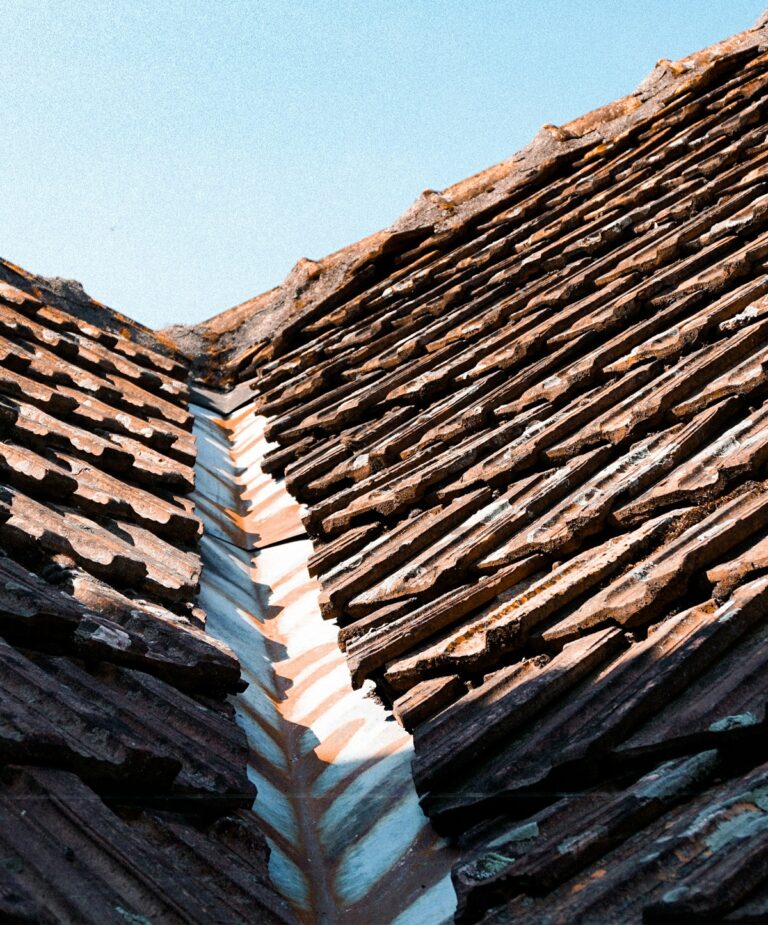
Tile and slate roofs can hide moisture risk when the damage is small or partially concealed. A tile may crack at a corner, fracture across the face, or shift slightly without falling off the roof. Slate can chip or split in ways that are hard to see from the ground.
These roofs often depend on both the outer roof units and the underlayment below them. If a cracked tile or slate piece allows water beneath the surface, the underlayment may still prevent an immediate leak. But if the underlayment is old, brittle, punctured, or already worn, water may eventually reach the decking or attic space.
Metal Roofs
Metal roof hail damage is not always a moisture problem by itself. Some dents may be cosmetic. The concern increases when hail affects seams, fasteners, coatings, panel edges, flashing transitions, or roof penetrations. Damage in these areas can allow water to move into places the roof system is supposed to keep sealed.
Coating damage can also matter over time. If hail exposes bare metal or damages a protective finish, the area may become more vulnerable to corrosion. Corrosion around seams or fasteners can create leak points long after the hailstorm has passed.
Wood Shakes and Shingles
Wood roofing can split when hit by hail. Some splits are obvious, but smaller cracks may follow the grain and open gradually as the wood expands, contracts, dries, and weathers. When water enters these splits, it can move beneath the overlapping layers and reach the underlayment or roof deck.
Because wood absorbs and releases moisture, small impact cracks can become larger moisture problems if they hold water or allow repeated wetting. The risk is higher when the roof is older, already weathered, or poorly ventilated underneath.
Low-Slope Roof Membranes
Low-slope roofs may not shed water as quickly as steep-slope roofs. Hail can bruise, puncture, stretch, or weaken membrane surfaces. Damage near seams, drains, scuppers, skylights, HVAC curbs, or parapet edges is especially important because water may move slowly or pond near these areas.
A small membrane puncture can allow water to spread beneath the surface before it shows up indoors. This can make the leak location difficult to trace, especially if water travels between layers before finding a path into the building.
Roof Vents, Pipe Boots, and Penetrations
Hail does not only damage the main roof covering. It can crack plastic vents, dent metal caps, split rubber pipe boots, damage skylight components, or disturb sealant around roof penetrations. These details are common moisture entry points because they already interrupt the roof surface.
After hail, a roof penetration may become the weak point even if the surrounding shingles look acceptable. Water can enter around a damaged boot, vent, cap, or skylight frame and then follow rafters or insulation before appearing as an interior stain.
Where Moisture Goes After It Gets Beneath the Roof
Once water gets beneath the roof covering, it can move through several layers before the homeowner sees anything indoors. This hidden travel path is one reason hail-related moisture problems often seem confusing.
Underlayment
Underlayment is designed to provide a secondary water-shedding layer beneath the roof covering. It may slow or redirect small amounts of water, but it is not a permanent substitute for a damaged roof surface. If water repeatedly reaches the underlayment, it can eventually find seams, fasteners, tears, laps, or worn areas.
This is why a hail-damaged roof may not leak immediately. The underlayment may buy time, but repeated wetting can still lead to roof moisture problems.
Roof Decking
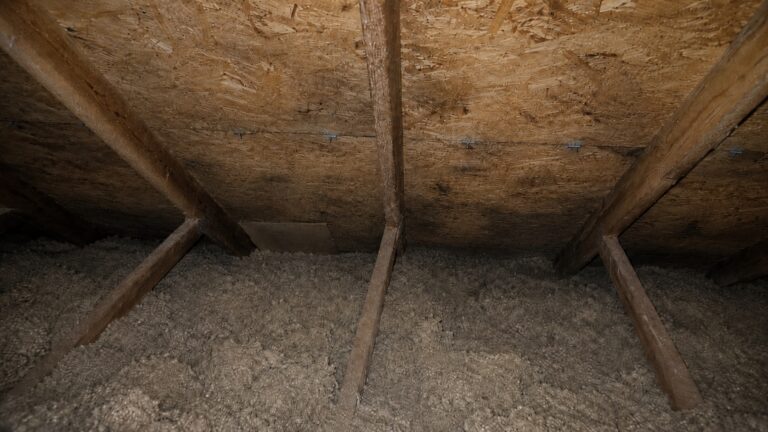
Roof decking, often plywood or oriented strand board, can stain, swell, soften, or delaminate when it stays wet. Small leaks may first appear as darkened areas around nails, seams, valleys, or roof penetrations. If the leak continues, the decking can lose strength.
Decking moisture is important because it means water has moved beyond the outer roof covering. At that point, the issue is no longer only hail damage on the surface. It is moisture inside the roof structure.
Rafters and Roof Framing
Water can run along rafters or framing members before dripping somewhere else. This can make the leak appear far from the damaged roof area. Staining on rafters, dark streaks on framing, or damp wood near a roof valley can point to a hidden roof moisture path.
Repeated wetting of framing is more serious than a one-time surface stain. Over time, moisture can contribute to wood deterioration, fastener corrosion, musty odor, and mold-prone conditions.
Attic Insulation
Attic insulation can hide roof moisture because it absorbs or traps water before the leak reaches the ceiling. A roof leak may soak insulation repeatedly while the living space below still looks dry. That delay can allow moisture to remain unnoticed longer than expected.
Wet insulation also loses performance and can keep nearby materials damp. If you suspect hail-related roof moisture, compare attic conditions with the signs of moisture in attic insulation, especially after later storms.
Ceiling Drywall and Wall Cavities
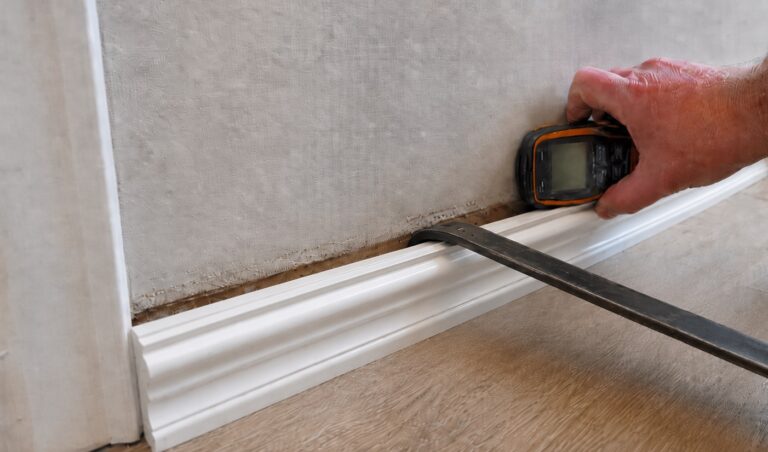
When moisture continues past insulation and framing, it may finally show up as a ceiling stain, bubbling paint, softened drywall, or discoloration near upper walls. By the time this happens, water may have already passed through several hidden layers.
This is why a small ceiling stain should not be dismissed as a small roof problem. The stain is often the visible endpoint of a larger hidden path. If staining appears after hail or after later rain, it may be connected to water damage from roof leaks.
Why Hail-Related Moisture Problems Can Appear Slowly
Hail-related moisture problems often appear slowly because the roof does not always fail during the first storm. The impact may weaken the roof covering, but the leak may not develop until later conditions make the damage worse.
Several factors can delay moisture symptoms:
- Intermittent rain direction: The leak may appear only when rain blows from a certain direction.
- Heavy downpours: Light rain may not overwhelm the damaged area, but heavy rain may.
- Thermal movement: Heat and cold can expand and contract small cracks.
- UV exposure: Exposed asphalt can age faster after granules are knocked loose.
- Freeze-thaw cycles: Water inside tiny cracks can freeze and expand in colder climates.
- Wind uplift: Weakened shingle edges may lift during later storms.
- Roof age: Older roofs often have less flexibility and less reserve durability after impact.
This slow progression can make hail-related moisture difficult to identify. The homeowner may remember the hailstorm, but the moisture may not appear until weeks or months later. Keeping track of storm dates, visible roof damage, and later moisture symptoms can help connect the pattern.
Even intermittent moisture matters because a leak that appears only during certain storms can still wet insulation, stain decking, and raise mold risk if materials do not dry fully between events.
How to Tell Hail Moisture Apart From Condensation
Not every attic moisture problem after a storm is caused by hail. Roof leaks, condensation, poor ventilation, flashing failures, plumbing vents, bath fan exhaust, and existing roof defects can all create moisture in or near the attic. The goal is not to guess from one clue. The goal is to compare the moisture pattern with the likely source.
Hail-related moisture is more likely when the moisture appears after a hailstorm or after later rain, especially near a storm-facing roof slope, valley, penetration, or damaged roof area. It may show up as localized staining, damp insulation below one section of roof, water marks around roof nails, or moisture that appears only during certain storms.
Condensation is usually different. It often appears as broader dampness across cold roof sheathing, frost on the underside of roof decking, widespread attic humidity, or seasonal moisture during cold weather. Condensation is commonly connected to warm indoor air leaking into a cold attic, poor attic airflow, blocked vents, or bathroom and kitchen exhaust entering attic space.
Here are practical differences to watch for:
- Hail-related moisture: often localized, storm-timed, connected to exterior impact signs, and more noticeable after rain.
- Condensation: often broader, seasonal, related to attic humidity, and more common on cold roof surfaces.
- Roof leak moisture: may follow rafters, valleys, nails, or underlayment paths before appearing indoors.
- Ventilation moisture: may affect large attic areas rather than one clear leak path.
Hail damage and condensation can also exist at the same time. A roof may have hail impact damage on one slope while poor attic airflow creates broader dampness elsewhere, so active moisture should be taken seriously until the source is confirmed.
If moisture appears after hail and you are unsure whether it is a leak or condensation, avoid assuming it will dry on its own. Monitor when it appears, where it appears, and whether it follows rain events. Localized wet insulation or fresh roof-deck staining after rain points more strongly toward water entry than ordinary humidity. A simple timing note can help: record whether the dampness appears after rain, after cold nights, or after bathroom or kitchen exhaust use, because each pattern points to a different moisture source.
When Hail Damage Raises Mold or Structural Risk
Hail does not directly cause mold. Mold risk rises when hail damage allows moisture to enter and materials stay damp long enough for growth conditions to develop. The sequence matters: impact damage creates a leak path, the leak wets materials, and repeated moisture creates conditions where mold can grow.
The highest risk areas after hail-related roof moisture include:
- Attic insulation that stays damp after storms.
- Roof decking that shows repeated staining or softening.
- Rafters or framing members with dark streaks or damp surfaces.
- Ceiling drywall with recurring stains or bubbling paint.
- Closed cavities where moisture cannot dry quickly.
- Areas near roof penetrations, valleys, or previous repairs.
Repeated wetting is the key concern. A one-time small damp spot that dries quickly is different from a leak that returns after every storm. When materials are wetted again and again, drying becomes incomplete. Insulation can hold moisture, sheathing can stay damp, and enclosed areas can develop musty odors.
Roof leaks can also create hidden mold risk because the wettest area may not be visible from the living space. Water may soak insulation above the ceiling while the drywall below shows only a faint stain. By the time mold odor or visible discoloration appears, the moisture problem may have been active for some time.
If roof moisture has reached insulation, roof decking, or ceiling materials, the issue should be handled as more than a surface roof concern. The connection between roof leaks and indoor mold conditions is explained more fully in why roof leaks cause mold growth.
When to Get Professional Roof Evaluation
Professional roof evaluation is important when hail damage is paired with moisture symptoms. Not every dent, granule patch, or storm mark means the roof must be replaced. But once moisture appears inside the roof system, the problem needs a source, a scope, and a repair plan.
Consider professional evaluation when you notice:
- Ceiling stains after hail or after later rain.
- Damp attic insulation beneath a roof slope.
- Water marks on roof decking, rafters, or nails.
- Heavy granule loss after the storm.
- Cracked shingles, tiles, slate, vents, skylights, or pipe boots.
- Dented or damaged metal roof seams, flashing, or fasteners.
- Leaks that appear only during wind-driven rain.
- Recurring moisture in the same attic or ceiling area.
- A roof that was already old or worn before the hailstorm.
A qualified roofer can evaluate whether the roof covering is still shedding water properly, whether damaged areas are isolated or widespread, and whether roof penetrations or details were affected by hail. This matters because the repair approach depends on the source. A cracked vent boot is different from widespread shingle bruising. A single damaged tile is different from a worn underlayment system beneath many fractured tiles.
Homeowners should avoid climbing onto a storm-damaged roof, especially when surfaces are wet, steep, brittle, or visibly damaged. Hail can make surfaces slippery, loosen materials, and hide fragile areas. Safer steps include photographing visible damage from the ground, checking gutters for granules, looking inside accessible attic areas, and recording when moisture appears after storms. For roof-surface assessment, use a professional who can inspect safely and distinguish cosmetic marks from functional damage.
If hail damage is widespread, the roof is near the end of its service life, or moisture has reached decking and insulation, the next decision may involve repair versus replacement. That threshold belongs in a more focused guide on when hail damage requires roof replacement. Hail-related moisture should be evaluated sooner when interior materials are already wet.
FAQ About Hail Damage and Roof Moisture Problems
Can hail damage cause attic moisture?
Yes. Hail damage can cause attic moisture if it weakens the roof covering enough for water to move beneath shingles, tiles, metal panels, roof membranes, vents, or pipe boots. The moisture may first appear as damp insulation, stained roof decking, water marks around nails, or musty attic air.
How long after hail can roof moisture appear?
Roof moisture can appear during the first rain after hail, but it may also show up weeks or months later. Small cracks, bruised shingles, exposed asphalt, loosened seals, or damaged roof details can worsen over time before they allow enough water in to become visible.
Is attic moisture after hail always a roof leak?
No. Attic moisture can also come from condensation, poor ventilation, air leaks, bathroom exhaust, plumbing vent issues, or older roof defects. Hail-related moisture is more likely when dampness is localized, appears after rain, and lines up with exterior impact signs or storm-facing roof areas.
Can hail damage cause mold in an attic?
Hail does not cause mold directly. Mold risk increases when hail damage allows water into the attic and materials stay damp. Wet insulation, stained sheathing, poor drying conditions, and repeated leaks can create conditions where mold is more likely to grow.
Can granule loss lead to roof moisture problems?
Granule loss can contribute to roof moisture problems when it exposes asphalt, accelerates shingle aging, or appears with bruising, cracks, lifted edges, or mat damage. Granule loss alone does not always prove a leak risk, but sudden granule loss after hail should be taken seriously.
Why does a ceiling stain appear away from the damaged roof area?
Water often travels before it becomes visible. It may run along underlayment, rafters, roof decking seams, nails, insulation, or ceiling framing before staining drywall. The indoor stain may be several feet away from the actual roof entry point.
What should I do if I see moisture after hail?
Document when the moisture appeared, check accessible attic areas if safe, look for exterior storm clues from the ground, and schedule a roof evaluation. Avoid climbing onto a damaged roof. Moisture after hail should be treated as a possible roof leak until the source is confirmed, especially if the dampness appears after rain instead of during cold-weather humidity swings.
What Hail-Related Roof Moisture Means
Hail-related roof moisture means the problem has moved beyond surface storm marks and into the roof system’s water-shedding function. Once water reaches underlayment, decking, insulation, rafters, ceilings, or wall cavities, the issue should be treated as a moisture pathway, not just cosmetic hail damage.
Watch for attic dampness, stained decking, wet insulation, ceiling stains, musty odors, and recurring moisture after later storms. Document what you see, avoid unsafe roof access, and have the roof evaluated before repeated wetting raises mold risk or structural moisture damage.
Key Takeaways About Hail Damage and Roof Moisture
- Hail damage becomes a moisture problem when it weakens the roof’s water-shedding layer.
- A roof can develop moisture problems after hail even if it did not leak during the storm.
- Damaged shingles can allow water entry through granule loss, bruising, cracks, lifted edges, or failed seal strips.
- Tile, slate, metal, wood, membrane roofing, vents, and pipe boots can also become hail-related moisture entry points.
- Water may travel along underlayment, decking, rafters, insulation, or ceiling framing before it appears indoors.
- Hail-related moisture can appear slowly and may show up only during certain storms.
- Attic moisture after hail is not always a leak; condensation and ventilation problems can also cause dampness.
- Mold risk comes from repeated moisture after roof leaks, not from hail itself.
- Professional evaluation is important when hail signs are paired with attic dampness, ceiling stains, wet insulation, or recurring moisture.