When Hail Damage Requires Roof Replacement
Hail damage requires roof replacement when the damage is widespread enough, severe enough, or moisture-related enough that isolated repairs cannot restore reliable roof performance. A few damaged shingles, cracked tiles, dented vents, or small localized impact areas may be repairable. But when hail affects large areas of the roof, weakens the water-shedding layer, or allows moisture into the roof system, replacement may need to be considered.
The most important question is not simply, “Did hail hit the roof?” The better question is, “Can this roof still shed water reliably for the rest of its expected service life?” Hail damage becomes more serious when it affects the roof’s ability to keep water out, especially on older roofs or roofs that already had wear before the storm.
This article focuses on the replacement decision after hail damage: widespread functional damage, moisture entry, brittle materials, difficult repairs, damaged roof details, and reduced long-term durability.
Hail damage belongs within the larger group of roofing material failures that affect long-term roof performance. When storm impact damages the roof covering, the roof may lose some of its ability to protect the home from future leaks, attic moisture, and interior water damage.
Does Hail Damage Always Mean Roof Replacement?
No. Hail damage does not always mean the roof must be replaced. Some hail damage is isolated and repairable. A few cracked shingles, one damaged vent boot, several broken tiles, or a small area of localized impact damage may be handled with targeted repairs if the rest of the roof is in good condition.
Replacement becomes more likely when the damage is not isolated. If hail has affected multiple slopes, fractured many shingles, damaged the mat beneath asphalt shingles, cracked roof materials across large sections, or caused moisture to enter the roof system, isolated repair may not be enough.
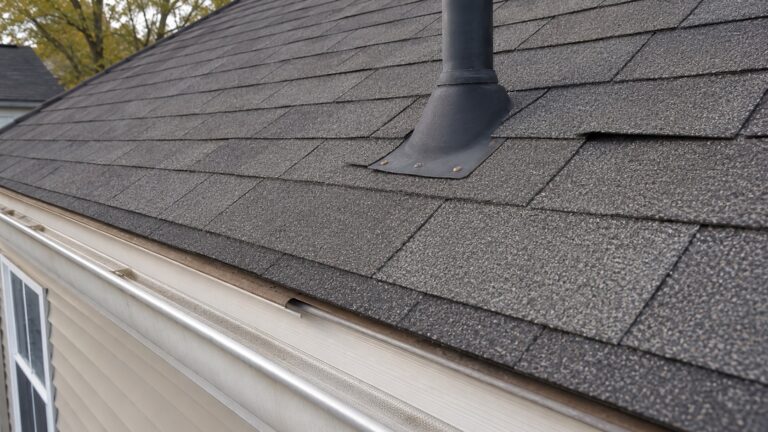
There is also a difference between cosmetic damage and functional damage. Cosmetic damage affects appearance but does not necessarily reduce the roof’s ability to shed water. Functional damage affects performance. It may include punctures, fractures, tears, bruised shingle matting, split wood shakes, cracked tiles, damaged seams, compromised membranes, or roof details that no longer shed water properly.
A roof replacement decision should never be based on fear or assumptions alone. It should be based on the type of damage, the extent of damage, the roof’s age, moisture involvement, repair feasibility, and the condition of the roof system as a whole.
The practical takeaway is simple: limited hail damage may be repairable, but widespread functional damage needs a replacement-level evaluation.
The Main Question: Can the Roof Still Shed Water Reliably?
The roof’s main job is to shed water before it reaches the structure below. Hail damage becomes replacement-level when it compromises that job across enough of the roof that patching individual spots will not restore dependable protection.
A roof can lose reliable water-shedding ability in several ways:
- Shingles may be punctured, torn, bruised, or fractured.
- Granule loss may expose asphalt and accelerate aging.
- Seal strips may be weakened, allowing wind-driven rain beneath shingles.
- Tile or slate pieces may crack and expose underlayment to repeated wetting.
- Metal roof seams, coatings, fasteners, or panel locks may be damaged.
- Low-slope membranes may be bruised, punctured, or weakened near seams and drains.
- Vents, pipe boots, skylights, valleys, or roof transitions may be compromised.
The decision becomes more serious when hail damage is paired with moisture symptoms. A roof that has visible impact damage but remains dry may be evaluated differently from a roof with impact damage plus attic dampness, ceiling stains, or stained roof decking. Once water has entered the roof system, the replacement discussion is no longer only about surface damage.
That is why understanding how hail damage leads to roof moisture problems is important before deciding whether repair is enough. Hail does not have to create a dramatic hole to create moisture risk. It only has to weaken the roof enough for water to begin finding a path under the roof covering.
Reliable water shedding also includes remaining service life. If the roof is young, flexible, dry, and otherwise healthy, isolated repairs may restore performance. If the roof is old, brittle, already losing granules, or difficult to repair without breaking surrounding material, replacement may become more practical than repeated patching.
Hail Damage Signs That May Point Toward Replacement
Some hail damage signs are more serious than others. One mark on one shingle does not carry the same meaning as widespread functional damage across several slopes. Replacement becomes more likely when damage is severe, repeated, moisture-related, or difficult to repair cleanly.
Signs that may point toward replacement evaluation include:
- Widespread bruised shingles across multiple roof slopes.
- Punctured, torn, or fractured asphalt shingles.
- Heavy granule loss exposing asphalt in many areas.
- Cracked tile, slate, or wood shakes across broad sections.
- Damaged ridge caps, hips, valleys, or roof edges.
- Dented or damaged metal seams, fasteners, coatings, or panel connections.
- Punctured or bruised low-slope membrane roofing.
- Multiple damaged vents, pipe boots, skylights, or roof penetrations.
- Leaks after hail or after later rainstorms.
- Damp attic insulation, stained decking, or recurring ceiling stains.
These signs do not automatically prove that replacement is required. They do mean the roof should be evaluated as a system, not as a few isolated marks. Damage on one small roof area is a different situation from damage on the front slope, back slope, ridge caps, valleys, and roof penetrations at the same time. The more slopes, materials, and roof details involved, the less likely it is that small spot repairs will fully restore long-term performance.
Hidden damage also matters. A roof may have hail impact damage beneath the visible surface, especially on asphalt shingles where bruising or mat fractures may not be obvious from the ground. If the concern is delayed leaking from subtle impact damage, review hidden hail damage that causes roof leaks before assuming the visible surface tells the whole story.
When Hail Damage Can Often Be Repaired Instead
Roof replacement is not the right answer for every hail-damaged roof. In many cases, localized repairs can restore roof performance if the damage is limited, the surrounding materials are still in good condition, and moisture has not entered the roof system.
Hail damage may often be repairable when:
- Only a few shingles are cracked, torn, or bruised.
- Only a small number of tiles, slate pieces, or wood shakes are damaged.
- The damage is limited to one vent, pipe boot, cap, or accessory.
- The roof is relatively young and otherwise performing well.
- Surrounding shingles or roof materials are flexible enough to work with.
- Matching replacement materials are available.
- Underlayment and decking remain dry.
- There are no recurring interior leaks or attic moisture signs.
Repair works best when the problem is isolated. For example, a few cracked shingles on one slope may be replaceable. A damaged pipe boot may be corrected without replacing the whole roof. Several broken tiles may be swapped out if the underlayment beneath them remains sound.
The repair decision becomes less favorable when damage is scattered across many areas. If a contractor must replace isolated pieces all over the roof, disturb brittle shingles, work around old seal strips, and address multiple damaged roof details, the repair may become less reliable than it appears on paper.
Moisture also changes the decision. A roof with isolated surface damage and dry decking is different from a roof with leaks, wet insulation, and stained sheathing. If the roof has already allowed water inside, the homeowner may also need to think through whether to repair or replace roof leak damage beyond the surface roof covering.
Why Roof Age Changes the Replacement Decision
Roof age matters after hail because older roofing materials usually have less reserve strength. Hail that might create repairable damage on a newer roof can push an older roof past the point where spot repairs make sense.
Older asphalt shingles may already have granule loss, curling edges, brittle tabs, weak seal strips, or surface cracking. When hail strikes, the impact can fracture or bruise materials that no longer have much flexibility. Trying to remove and replace individual shingles can also damage surrounding shingles if they are stiff, bonded, or brittle.
Tile, slate, wood, metal, and low-slope roofs also become more complicated with age. Replacement pieces may be harder to match. Underlayment may be closer to the end of its life. Fasteners and seams may be more vulnerable. Old repair patches may be disturbed during new work.
Roof age does not automatically require replacement after hail. A well-maintained older roof may still be repairable if damage is limited. But age affects the decision in four important ways:
- Repairability: older materials may break during repair.
- Matching: replacement materials may not blend or may no longer be available.
- Remaining service life: the roof may not have enough life left to justify many small repairs.
- Moisture risk: older roofs may have weaker underlayment, seals, and details.
If the roof was already near the end of its useful life before the hailstorm, replacement may be more practical than trying to patch scattered impact damage. In that situation, the question is not just whether a few damaged pieces can be repaired. The question is whether the roof system as a whole can keep protecting the home reliably.
When Moisture Damage Makes Replacement More Likely
Hail damage becomes more serious when water has already entered the roof system. Surface damage alone may be repairable, but moisture inside the roof assembly means the failure has moved beyond appearance. The roof is no longer just marked by hail. It is allowing water to reach materials that should stay dry.
Moisture-related signs that make replacement evaluation more likely include:
- Damp attic insulation beneath damaged roof slopes.
- Water stains on roof decking or rafters.
- Soft, swollen, or darkened roof sheathing.
- Recurring ceiling stains after storms.
- Multiple leak locations after hail.
- Musty attic odors after rain.
- Moisture near valleys, penetrations, skylights, or roof-to-wall transitions.
- Repeated leaks after previous roof repairs.
Moisture does not automatically mean the entire roof must be replaced. A leak from one cracked vent boot may be repairable. A small damaged area around a roof penetration may be corrected locally. But if moisture is connected to widespread impact damage, aging materials, or several damaged areas, replacement becomes more likely.
The reason is simple: repeated water entry can damage more than the roof covering. It can affect insulation, sheathing, framing, drywall, and indoor finishes. Once water damage spreads, homeowners may need to evaluate the roof and the secondary damage together. The warning signs of water damage from roof leaks can help clarify when the issue has moved inside the home.
Moisture also increases mold risk if materials stay damp. This does not mean every hail-damaged roof has mold. It means repeated leaks after hail can create conditions where mold becomes more likely, especially in attic insulation, roof decking, and enclosed ceiling cavities.
Material-Specific Replacement Considerations
The repair-or-replace decision after hail depends heavily on roof material. The same hailstorm can affect different roof systems in different ways. A dent in a metal roof, a cracked tile, and a bruised asphalt shingle do not carry the same replacement meaning. The summaries below are replacement considerations, not full material-specific repair guides.
Asphalt Shingles
Asphalt shingle replacement becomes more likely when hail damage is widespread across multiple slopes or when shingles show functional damage such as bruising, mat fracture, punctures, tears, heavy granule loss, exposed asphalt, or damaged seal strips. Older asphalt roofs are especially difficult to repair cleanly because surrounding shingles may crack during removal.
Localized asphalt shingle repairs may work when only a few shingles are damaged and the roof is still flexible, dry, and otherwise in good condition.
Tile and Slate Roofs
Tile and slate roofs may not require full replacement when only a few pieces are cracked. Individual pieces can sometimes be replaced. Replacement evaluation becomes more serious when many units are cracked, the underlayment is old, or damage is widespread across several slopes.
For these roofs, the condition of the underlayment matters. The outer tiles or slate pieces shed water, but the underlayment is often the backup layer that protects the roof deck. If that layer is old or compromised, many scattered repairs may not solve the larger moisture risk.
Metal Roofs
Metal roof replacement decisions should not be based on dents alone. Some hail dents are cosmetic. The concern rises when dents affect seams, fasteners, panel locks, coatings, flashing transitions, or areas where water is supposed to drain cleanly.
Replacement may be considered if hail has compromised the roof’s watertight seams, caused coating damage that can lead to corrosion, or affected large sections of panel performance. Isolated accessory or detail damage may be repairable.
Wood Shakes and Shingles
Wood roofing may require broader replacement when hail causes widespread splitting, broken shakes, open cracks, or repeated water entry. Localized repairs may be possible if damage is limited and matching materials are available.
Because wood expands, contracts, and weathers over time, small hail splits can become larger openings. Older wood roofs are more vulnerable when impact damage combines with existing weathering.
Low-Slope Roof Membranes
Low-slope membrane roofs become more concerning when hail causes punctures, seam damage, widespread bruising, or damage in ponding areas. Since water drains more slowly on low-slope surfaces, even small openings can allow moisture to spread beneath the membrane.
Localized patches may be possible, but widespread membrane damage or water migration beneath the surface may require broader replacement evaluation.
Questions to Ask Before Replacing a Hail-Damaged Roof
A roof replacement recommendation after hail should come with a clear explanation. The homeowner should understand what was damaged, how widespread the damage is, whether the damage affects water-shedding performance, and why targeted repairs may or may not be enough.
Before agreeing to replacement, ask questions like:
- Is the damage functional or cosmetic?
- Which roof slopes are damaged?
- Are the shingles bruised, fractured, torn, or only marked?
- Is there exposed asphalt, cracked matting, broken tile, split wood, or punctured membrane material?
- Are valleys, vents, pipe boots, skylights, seams, or roof transitions damaged?
- Has moisture reached the attic, decking, insulation, or ceiling materials?
- Can the damaged materials be repaired without damaging surrounding materials?
- Are matching materials available?
- How old is the roof, and how much reliable service life remains?
- What happens if only the visibly damaged areas are repaired?
- Are photos available showing the damage clearly?
- Do the photos show close-up damage and wider roof areas so you can see whether the problem is isolated or widespread?
These questions help separate a real replacement-level problem from a vague sales recommendation. A good evaluation should explain the roof as a system. If the damage is limited, repair may be reasonable. If damage is widespread and the roof has lost reliable water-shedding performance, replacement may be more practical.
Cost also matters, but it should not be the only factor. A cheap repair that does not stop water entry can become more expensive if it leads to wet insulation, damaged decking, or interior water damage. If you are comparing repair planning after a leak, it may help to understand typical roof leak repair cost factors before making a decision.
Why Professional Evaluation Matters Before Deciding
Hail damage replacement decisions should not be made from the ground alone. Broken tile, missing shingles, dented gutters, or damaged vents may be visible from below, but replacement-level damage often requires close evaluation: bruised asphalt shingles, fractured matting, loosened seals, cracked roof units, membrane punctures, damaged seams, and moisture below the roof covering.
A professional roof evaluation can help determine:
- Whether the damage is cosmetic or functional.
- Whether the damage is isolated or widespread.
- Whether multiple slopes are affected.
- Whether valleys, penetrations, hips, ridges, or transitions are damaged.
- Whether the roof can be repaired without causing more damage.
- Whether underlayment, decking, or attic materials show moisture signs.
- Whether replacement is more reliable than repeated spot repairs.
Homeowners should avoid climbing onto a storm-damaged roof. Hail can loosen materials, make surfaces slippery, and hide fragile areas. Safer steps include taking ground-level photos, noting the storm date, checking gutters for granules, looking for damaged vents or accessories, and checking attic areas only if they are safe, stable, well-lit, and accessible without stepping on insulation or ceiling drywall.
If you want a safer process before calling someone, use a guide on how to inspect a roof for hail damage safely from the ground and accessible areas. That kind of observation can help you describe the problem, but it should not replace a qualified roof-surface evaluation when damage or moisture is suspected.
Professional evaluation becomes especially important when moisture is already present. A roof replacement decision after hail is not only about replacing damaged shingles. It is about protecting the home from recurring leaks, wet insulation, hidden water damage, and structural moisture problems. If moisture is already showing up inside, review when to hire a roofing contractor for moisture problems before delaying evaluation.
Repair vs. Replacement After Hail Damage
The repair-versus-replacement decision comes down to one practical question: can the roof be restored to reliable water-shedding performance without creating new weak points?
Repair is more likely when damage is limited, the roof is otherwise healthy, and damaged pieces can be replaced cleanly. Replacement becomes more likely when damage is widespread, materials are brittle, the roof is near the end of its service life, or water has already reached attic or ceiling materials.
A helpful way to think about the decision is to compare these two situations:
- Repair-leaning situation: a newer roof with a few damaged shingles, no attic moisture, no decking stains, and matching materials available.
- Replacement-leaning situation: an older roof with widespread bruised shingles across multiple slopes, heavy granule loss, leaks after rain, damp insulation, and brittle surrounding materials.
Most real roofs fall somewhere between those two extremes. That is why on-site evaluation matters. Hail damage is not only about how many marks are visible. It is about whether the roof system still works.
In some cases, a homeowner may start with a repair recommendation and later discover deeper issues, such as damaged decking or repeated water entry. In other cases, a roof that looks alarming from the ground may have mostly cosmetic marks and only a few repair needs. The goal is to avoid both extremes: ignoring functional damage and replacing a roof unnecessarily.
For broader storm-related decisions that include wind damage, emergency stabilization, and insurance-related repair questions, see this guide on whether to repair or replace a roof after storm damage. This article stays focused on hail-specific replacement thresholds.
Common Mistakes Homeowners Make After Hail Damage
Homeowners often make replacement decisions under pressure after a major hailstorm. Neighbors may be replacing roofs. Contractors may be knocking on doors. Interior stains may create urgency. In that situation, it is easy to make decisions too quickly or based on incomplete information.
Assuming Any Hail Damage Means Replacement
Hail damage can be serious, but replacement is not automatic. Limited damage may be repairable if the roof is otherwise in good condition. The decision should be based on functional damage, extent, age, moisture, and repair feasibility.
Assuming a Leak Always Means Full Replacement
A leak after hail is serious, but the source matters. A cracked pipe boot, damaged vent, or small area of shingles may be repairable. Replacement becomes more likely when leaks are tied to widespread damage, aging materials, compromised decking, or multiple water-entry points.
Ignoring Moisture Because the Roof Still Looks Covered
A roof can have all shingles in place and still leak. Hail can bruise shingles, crack materials, damage seal areas, or weaken roof details without leaving a dramatic opening. If attic insulation or ceiling drywall is wet, the roof should be evaluated even if the surface does not look severely damaged from the ground.
Focusing Only on the Number of Hail Marks
The number of visible hail marks matters less than the type, location, and severity of damage. A few functional failures in critical areas may matter more than many cosmetic marks in less vulnerable areas. Valleys, penetrations, seams, and roof edges deserve special attention because they manage concentrated water movement.
Waiting Too Long After Moisture Appears
Delaying evaluation after moisture appears can allow secondary damage to spread. Wet insulation, stained decking, and ceiling water marks are not just cosmetic problems. They may indicate that water has already moved through the roof system.
FAQ About When Hail Damage Requires Roof Replacement
Does hail damage always require roof replacement?
No. Hail damage does not always require roof replacement. Limited damage may be repairable if the roof is otherwise in good condition, the damaged materials can be replaced cleanly, and moisture has not entered the roof system. Replacement becomes more likely when damage is widespread, functional, moisture-related, or difficult to repair reliably.
How much hail damage is enough to replace a roof?
There is no universal number of hail marks that automatically requires replacement. The decision depends on the type of damage, how many slopes are affected, whether key roof details are damaged, whether the damage is functional or cosmetic, the roof’s age, moisture involvement, and whether repairs can restore reliable water-shedding performance.
Can only part of a hail-damaged roof be replaced?
Sometimes partial replacement or localized repair may be possible if damage is limited to one area and materials can be matched. However, partial replacement may be less practical when damage is scattered across multiple slopes, surrounding materials are brittle, or the roof system has broader moisture or durability problems.
Should an old roof be replaced after hail damage?
An old roof is more likely to need replacement after hail, but age alone does not decide the issue. The key question is whether the roof still has enough remaining service life and whether damaged areas can be repaired without breaking surrounding materials. If the roof was already brittle, worn, leaking, or near failure, hail damage may push it toward replacement.
What if the roof is leaking after hail?
A leak after hail should be evaluated promptly. It does not always mean full replacement is required, because the source may be localized. But if leaks are connected to widespread shingle bruising, cracked roofing materials, wet decking, damp insulation, or multiple damaged areas, replacement becomes more likely.
Can cosmetic hail dents require roof replacement?
Cosmetic dents alone do not always require replacement. The concern is whether dents or impact marks reduce water-shedding performance, damage coatings, affect seams, loosen fasteners, expose material to corrosion, or shorten the roof’s service life. Cosmetic appearance and functional failure should be evaluated separately.
Should I get more than one roofing opinion?
Getting more than one opinion can be helpful when the recommendation is expensive, unclear, or based on damage you do not understand. Ask each contractor to explain whether the damage is cosmetic or functional, which slopes and roof details are affected, whether moisture is present, and why repair or replacement is being recommended.
Final Decision: When Hail Damage Becomes Replacement-Level
Hail damage requires roof replacement when the roof can no longer be trusted to shed water reliably through isolated repairs. The decision is not based on hail alone. It depends on the severity of damage, how widespread it is, whether the damage is functional, how old the roof is, whether materials can be repaired cleanly, and whether moisture has already entered the roof system.
Limited hail damage may be repairable when the roof is young, dry, flexible, and otherwise in good condition. Replacement becomes more likely when hail causes widespread bruising, fractures, punctures, heavy granule loss, damaged roof details, wet insulation, stained decking, or recurring leaks.
The safest approach is to document what you can see from the ground, check accessible attic areas if safe, keep track of moisture symptoms, and get a qualified roof evaluation when damage appears widespread or water has entered the home. A good replacement decision should be based on roof performance, not fear, pressure, or the number of visible hail marks alone.