How Improper Repairs Lead to Mold Return After Water Damage
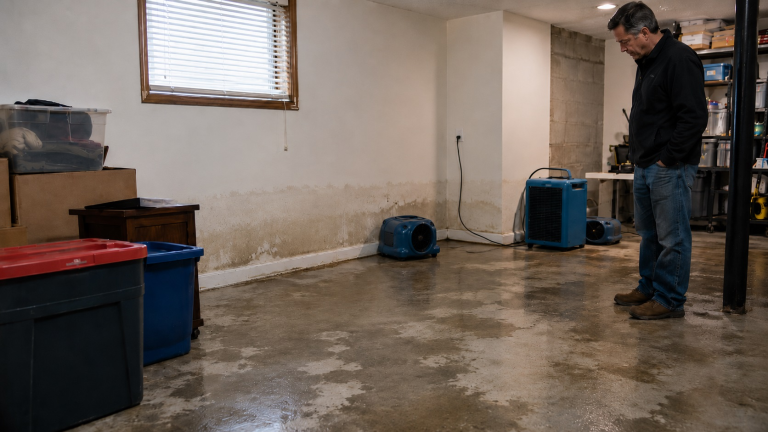
A repaired wall, ceiling, floor, cabinet, or trim area can look finished while the moisture problem behind it is still active. That is one of the most common reasons mold returns after water damage repairs. The stain may be covered, the drywall may be patched, the baseboard may be reinstalled, or the surface may be painted, while the damp material or leak path that fed the mold remains.
Improper repairs usually fail because they focus on appearance before moisture control. Mold does not come back simply because a repair looks imperfect. It comes back because the repaired area still has damp material, an active leak, trapped humidity, contaminated porous material, or a hidden moisture pathway that was never corrected.
This is why mold recurrence after a repair should be treated as a moisture warning, not just a cleaning problem. If the same area keeps developing stains, musty odor, soft material, bubbling paint, or surface mold, the repair may have hidden the symptom without correcting the cause. That pattern is closely related to why moisture problems keep returning after cleanup, patching, or cosmetic repairs.
The goal is to understand what went wrong in the repair sequence so the same area does not keep cycling through mold growth, cleaning, patching, and recurrence.
Why Mold Comes Back After a Repair
Mold needs moisture, a suitable surface, and enough time to grow. Drywall paper, wood framing, baseboards, cabinets, insulation facing, carpet backing, subfloor materials, and dust on painted surfaces can all support mold growth when they stay damp long enough. A proper repair should remove or correct the moisture condition, not only change what the homeowner can see.
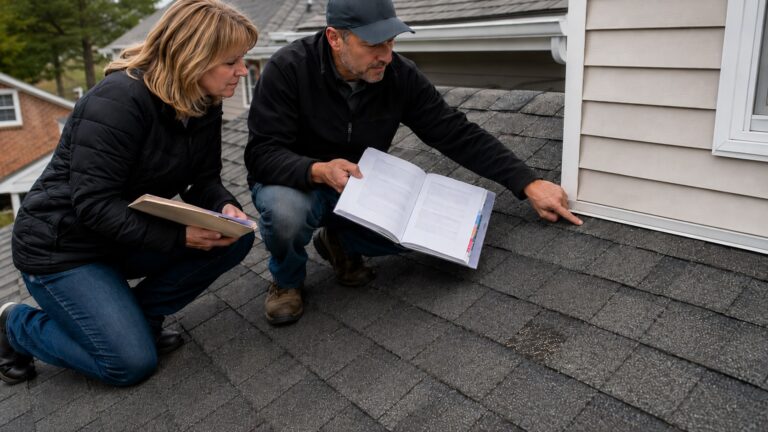
For example, a homeowner may patch a ceiling stain after a roof leak. The ceiling looks clean again for a few weeks, but the roof flashing still leaks during wind-driven rain. The drywall patch slowly absorbs moisture from above, and the stain returns around the edge of the repair. In that case, the drywall work did not fail by itself. The repair failed because the water source was never fully corrected.
The same thing happens under sinks, behind toilets, near washing machines, around shower walls, and below window frames. A cabinet floor may be replaced while a slow drain leak continues. A bathroom wall may be repainted while humid air and failed caulk keep feeding moisture into the corner. A window trim repair may look neat from the inside while exterior flashing still lets rain reach the wall cavity.
When mold comes back after a repair, the first question should not be, “What should I clean it with?” The better question is, “What moisture condition did this repair fail to solve?”
Improper Repairs Usually Fix the Symptom Instead of the System
Most mold return problems begin with a simple mistake: treating the visible mold as the whole problem. Visible mold is often only the symptom. The real problem may be behind the surface, inside the assembly, or connected to how water moves through the home.
A bathroom wall with recurring mold may not be just a dirty wall. It may have poor exhaust ventilation, repeated condensation, failed caulk, a small plumbing leak, wet drywall behind tile, or moisture trapped behind baseboards. A ceiling stain may not be just a ceiling problem. It may be connected to roofing, attic condensation, plumbing above the ceiling, or an HVAC drain issue. A moldy cabinet base may not be just a cabinet issue. It may point to a drain connection, supply line, disposal seal, dishwasher hose, or refrigerator water line nearby.
This is why a strong repair starts with moisture diagnosis. A homeowner needs to understand where the water came from, whether the source is still active, what materials got wet, and whether the area is dry enough to close. That same whole-home logic is part of a broader moisture prevention and repair strategy, especially when problems appear in more than one area.
Improper repairs tend to skip one or more of these steps. The leak is assumed to be fixed, the wall is assumed to be dry, the stain is assumed to be old, or the mold is assumed to be surface-only. The result is a repair that looks complete but still contains the conditions mold needs to return.
The Most Common Improper Repairs That Lead to Mold Return
Most failed mold repairs fall into a few patterns. These mistakes can happen during DIY repairs or professional work when the moisture source, material condition, or drying status is not verified.
Painting Over Water Stains Too Soon
Stain-blocking primer and paint can make a wall or ceiling look better, but they do not prove the material is dry. If the drywall, ceiling cavity, insulation, or framing is still damp, paint may simply hide the warning sign. In some cases, paint can also slow surface drying and make it harder to notice that moisture is still moving through the area.
This is especially common on ceiling stains after roof leaks, bathroom ceiling spots, wall stains below windows, and lower-wall discoloration near baseboards. The stain disappears temporarily, then returns as yellowing, bubbling paint, peeling texture, or dark spotting.
Replacing Drywall Before the Framing Is Dry
New drywall can grow mold if it is installed against damp studs, wet insulation, or an active leak path. The replacement material may be clean when installed, but the wall cavity behind it can still contain moisture. Once the wall is closed, air movement decreases and drying slows down.
This type of repair can make the surface look finished while creating a protected damp space behind the patch. Mold may return around seams, behind baseboards, near the floor line, or along the edges of the repaired section.
Reinstalling Trim Against Damp Walls
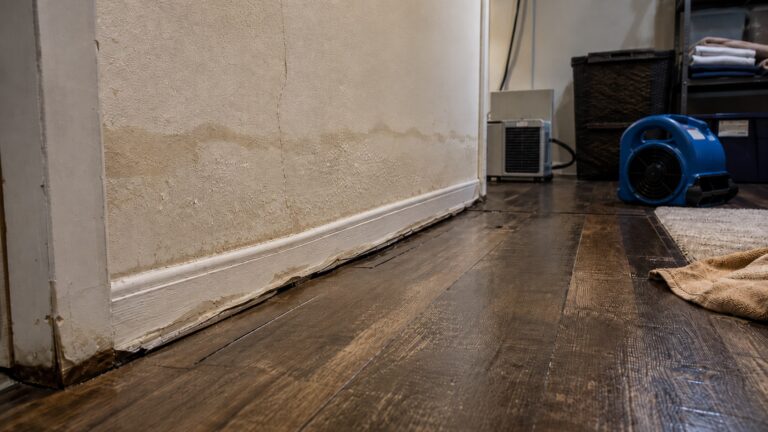
Baseboards, door casing, and window trim can hide moisture along wall edges. If trim is reinstalled before the wall or floor area is dry, the covered gap can stay damp longer than the open surface. Trim also blocks airflow, which can slow evaporation at the exact place where water often collects.
This is common after small floods, appliance leaks, bathroom leaks, and window leaks. The visible wall may feel dry, but the lower edge behind the trim may still be damp enough for mold to return.
Caulking Over Damp or Moving Gaps
Caulk is useful when it is applied to a clean, dry, stable joint. It is not a substitute for drying, leak repair, or structural correction. If caulk is applied over damp material, failed backing, loose trim, cracked grout, or an active leak path, it may trap moisture instead of solving the problem.
In bathrooms, kitchens, windows, and exterior doors, caulk can hide the route water is taking. The surface may look sealed, but water may still be entering from behind, above, below, or through a different joint.
Covering Damaged Porous Materials Instead of Removing Them
Some materials cannot be reliably restored once they have stayed wet, swollen, softened, or become mold-contaminated. Carpet padding, crumbling drywall, wet insulation, swollen particleboard, damaged ceiling tiles, and deteriorated cabinet bottoms often hold moisture or contamination below the visible surface.
Covering these materials with paint, liner, trim, flooring, or new panels can make the repair look cleaner while leaving mold-prone material in place. When the humidity rises or the area gets damp again, mold can return quickly because the underlying condition was never removed.
Repairing the Surface Before Fixing the Moisture Source
One of the clearest signs of an improper repair is that the visible material was fixed before the moisture source was controlled. This often happens because the obvious damage is inside the home while the actual water entry point is somewhere else.
A ceiling patch may be below a roof leak. A swollen baseboard may be next to a plumbing line. A moldy bathroom corner may be caused by poor ventilation and repeated condensation. A stained window trim area may be connected to exterior flashing, siding, or sealant failure. When the visible material is repaired first, the home may look better without being drier.
This is why recurring mold after a repair often points to a source that was missed, underestimated, or only temporarily corrected. The leak may stop during dry weather and return during rain. A plumbing drip may only happen when the fixture is used. A condensation problem may only appear during cold weather, long showers, or high indoor humidity. An appliance leak may only show up during certain cycles.
That pattern is especially important when the same area keeps developing mold after repeated cleaning or patching. The repair may not be the root problem. The root problem may be hidden moisture causing recurring mold behind or below the repaired surface.
Common moisture sources that get missed during repairs
Improper repairs often happen when the damaged area is treated as a standalone problem. In reality, moisture may be entering from above, below, behind, or through nearby systems.
- Roof and flashing leaks: A ceiling or upper wall repair can fail if roof penetrations, flashing, shingles, or attic moisture sources are not checked.
- Plumbing leaks: Drywall, cabinet, flooring, and baseboard repairs can fail if supply lines, drain fittings, valves, or hidden pipes still leak.
- Window and door leaks: Interior trim repairs can fail if water is entering through exterior flashing, failed sealant, siding gaps, or threshold problems.
- Bathroom moisture: Wall and ceiling repairs can fail if shower spray, failed caulk, poor exhaust, or condensation keeps wetting the same surfaces.
- Appliance leaks: Flooring and wall repairs near dishwashers, washing machines, refrigerators, and water heaters can fail if hoses, drain lines, pans, or fittings are not inspected.
- High humidity: Surface repairs can fail when the area stays humid enough for condensation or slow drying, even without a dramatic leak.
The important point is that mold return is often a pattern problem. If the repaired area only fails during rain, after showers, during appliance use, or when indoor humidity rises, the repair should be evaluated in relation to that trigger.
Closing Damp Materials Inside Walls, Floors, or Ceilings
A repair can also cause mold to return when it closes damp material inside a wall, floor, or ceiling assembly. The new material may be clean, but the space behind it may still be damp.
Many building assemblies dry slowly once they are closed. Open drywall, exposed framing, lifted flooring edges, and removed trim allow air movement and inspection. Once the wall is patched, the baseboard is reinstalled, or flooring is laid back down, moisture has fewer ways to escape. If the area was not dry before closing, the repair can trap moisture where it is hardest to see.
This is closely related to poor drying causing mold recurrence, but the focus here is the repair sequence. The problem is not only that the area was wet. The problem is that the area was rebuilt, sealed, covered, or finished before the wet materials were ready.
Why surfaces can look dry while hidden material stays damp
Surface drying can be misleading. The front of drywall may look normal while the back paper is damp. A baseboard may feel dry on the exposed face while the back side is wet. A subfloor may look dry from above while moisture remains below the finished flooring. A cabinet floor may feel dry at the surface while swollen particleboard underneath still holds moisture.
Moisture often remains longest in covered areas, tight seams, corners, cavities, insulation, and absorbent edges. These are also the areas that are most likely to be hidden during a quick repair. When they are closed too soon, the homeowner may not see the problem again until staining, odor, swelling, or mold returns.
Examples of repairs that close moisture inside
- Installing new drywall before studs, insulation, or the back side of the wall cavity have dried.
- Reinstalling baseboards over a lower wall that was wet from a plumbing leak, appliance leak, or minor flooding.
- Laying flooring over a damp subfloor because the surface appeared dry.
- Patching ceiling drywall before confirming that framing, insulation, or materials above the ceiling are dry.
- Replacing cabinet panels while the wall, floor, or plumbing cavity behind the cabinet is still damp.
- Sealing gaps with caulk before the surrounding materials have had time to dry.
These repairs may not fail immediately. The area may look stable for a while, then show staining, odor, swelling, or mold once the trapped moisture has had time to affect the new or covered materials.
Why Cosmetic Repairs Do Not Stop Mold Return
Cosmetic repairs have a place, but only after the moisture problem has been corrected. Paint, primer, caulk, trim, cabinet liners, surface cleaners, and decorative panels can improve appearance. They cannot dry a wall cavity, stop a hidden leak, remove mold from damaged porous material, or correct poor airflow. If the wall is still damp, the new finish becomes part of the cover-up rather than part of the solution.
The same is true for caulk. Fresh caulk around a tub, window, sink, or trim joint can make the area look sealed, but it does not correct wet backing material, failed flashing, poor drainage, loose tile, or moisture trapped behind the joint.
When cosmetic repairs are useful
Cosmetic repairs are useful after the real work is done. Paint can cover old staining after the source has been corrected. Caulk can protect a clean, dry joint. Trim can be reinstalled once the wall and floor edge are dry. Cabinet liners can protect a sound cabinet base after plumbing is confirmed dry.
The mistake is using cosmetic repair products as the first solution instead of the final step. If the repair order is wrong, mold can return behind the finished surface and make the next repair more difficult.
Why stain-blocking products can give false confidence
Stain-blocking primer can hide old water marks, but it can also make a problem look solved before it is actually solved. If staining returns through primer, spreads around the patch, or appears near the edge of the repaired area, moisture may still be moving through the material.
That does not always mean the repair was careless. Sometimes the source is intermittent or hard to find. But recurring staining after a repair should be treated as a warning that the area needs another moisture check, especially after rain, fixture use, appliance cycles, or periods of high humidity.
Materials That Should Not Be Repaired Too Quickly
Some materials are more forgiving than others after water damage. Hard, nonporous surfaces are usually easier to clean and dry than porous or layered materials. Drywall, insulation, particleboard, wood trim, subfloors, carpet padding, ceiling materials, and cabinet bases can hold moisture below the surface, lose strength, or trap contamination where surface cleaning cannot reach.
Drywall
Drywall is especially vulnerable because the paper facing can support mold when it stays damp. A small surface stain may not always mean the whole panel needs replacement, but drywall that is soft, swollen, crumbling, repeatedly stained, or moldy on the back side should not simply be painted over. If the decision is unclear, use a repair-or-replace guide for mold-damaged drywall before closing the repair.
Drywall repairs fail when the damaged section is patched before the leak is fixed, before the cavity dries, or before the surrounding material is checked. New drywall can also fail if it is installed against damp framing or wet insulation.
Insulation
Wet insulation can hold moisture inside walls, ceilings, floors, and attic spaces. Some insulation loses performance when wet, and some types are difficult to dry in place. If wet insulation is left behind a repaired wall or ceiling, it can keep nearby materials damp long after the visible surface looks normal.
This is one reason mold may return around repaired ceiling patches, exterior walls, basement walls, and bathroom walls. The drywall may be new, but the material behind it may still be contributing moisture.
Cabinets and particleboard
Many cabinet boxes, toe kicks, and sink bases contain particleboard or other engineered wood products that swell when wet. Once these materials absorb water, they may stay distorted, soft, or crumbly even after the surface dries. Covering them with shelf liner, paint, or a thin panel does not restore the damaged core.
Under-sink repairs are a common example. A homeowner may replace a cabinet bottom or cover the damaged area, but if the drain connection, supply valve, disposal seal, or dishwasher line still leaks, mold can return beneath the new surface.
Baseboards and trim
Baseboards often hide moisture at the floor-wall joint. After a small flood, appliance leak, toilet overflow, or wall leak, the front face of the trim may dry faster than the back side. If the trim is reinstalled too soon, the covered edge can stay damp.
Repeated swelling, separation from the wall, dark staining along the bottom edge, or mold returning at the same trim line can mean the repair covered a moisture path instead of correcting it.
Flooring and subfloors
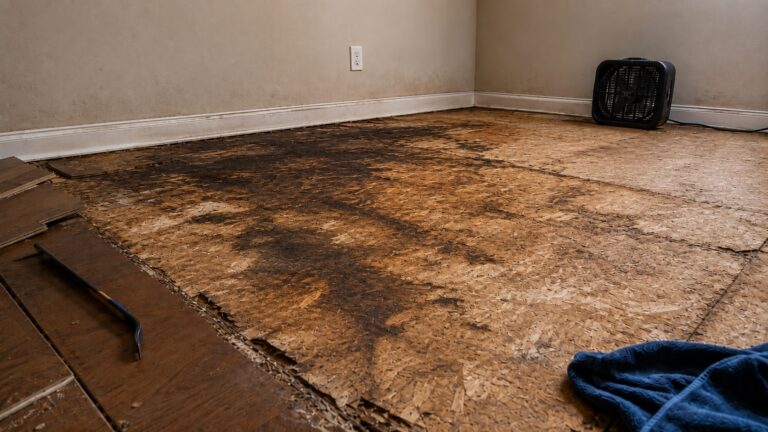
Flooring repairs can fail when the finished floor is restored before the subfloor is dry. Moisture can remain under vinyl, laminate, carpet padding, engineered flooring, or underlayment. The top surface may look clean while the underside remains damp enough for odor, mold, adhesive failure, or soft spots to develop.
If mold returns after a flooring repair, the issue may not be only the flooring material. The subfloor, underlayment, wall edge, or nearby leak source may need to be inspected before another cosmetic repair is attempted.
How to Check Whether a Repair Is Ready to Close
A repair should not be closed just because the surface looks better. Before drywall, trim, flooring, cabinet panels, or ceiling material are replaced, the area should be checked for active moisture, material stability, and signs that drying is complete enough for the repair to last.
This does not mean every small repair requires invasive demolition. It means the repair should match the risk. A small surface condensation mark may need simple humidity correction and monitoring. A repeated leak inside a wall, under flooring, or above a ceiling needs a more careful check before the area is covered again.
The moisture source should be stopped first
The first question is whether the water source is truly corrected. If the source is still active, any repair is temporary. A patched wall below a leaking pipe, a repainted ceiling below an unresolved roof leak, or a replaced cabinet base below a dripping fitting will likely fail again.
In many homes, the source is intermittent. The area may only get wet during rain, showers, appliance cycles, HVAC operation, or high humidity. That is why a repaired area should be checked under the same conditions that caused the original damage whenever possible.
The material should be dry enough to cover
Before closing a repair, exposed material should be dry, firm, and free of musty odor. Check the surface, edges, back side of removed trim, nearby seams, and any accessible cavity areas. There should be no spreading stains, active condensation, soft drywall, swollen trim, damp insulation, or wet subflooring. If the area still smells musty, feels soft, or changes appearance after use or weather events, it is not ready to be covered.
Moisture meters can be useful as screening tools when used correctly. They can help compare a repaired area with nearby unaffected material, but they do not replace judgment, inspection, or source correction. If readings stay elevated, fluctuate after weather or fixture use, or differ sharply from surrounding materials, the repair may need more drying or investigation before it is closed. A homeowner comparing tools can start with a guide to moisture meters for hidden water damage, especially for recurring repair areas.
The area should be monitored after the repair
Even a good repair should be watched after it is completed. This is especially true when the original problem involved a hidden leak, roof leak, plumbing line, bathroom fixture, appliance, window, or exterior wall. Mold return is often easier to prevent when early warning signs are caught before the area becomes saturated again.
After a repair, check the area during the conditions that are most likely to reveal the problem. Look after rain if the issue involved a roof, window, door, basement, or exterior wall. Check after showers if the problem was in a bathroom. Look after appliance cycles if the damage was near a dishwasher, washing machine, refrigerator, or water heater. Watch humidity-prone rooms during damp weather or seasonal changes.
A more detailed follow-up routine belongs in a dedicated guide on how to monitor areas after leak repairs, but the basic rule is simple: a repair is not proven by how it looks on the first day. It is proven by whether the area stays dry over time.
Signs the Repair Failed
A failed repair does not always look dramatic at first. Mold may return gradually, especially if the moisture source is slow or intermittent. The first warning signs are often small changes around the repaired area rather than obvious mold growth across a large surface.
Watch for stains that return in the same location, discoloration around the edge of a patch, paint that bubbles or peels, caulk that separates, trim that swells again, flooring that feels soft, or a musty odor that comes back after the room has been closed. These symptoms suggest that the repaired area is still being affected by moisture.
When the same mold pattern keeps returning after cleaning and repair, the problem may have moved beyond a simple surface issue. Recurring mold can sometimes indicate damp material behind the repair, weakened drywall, wet insulation, subfloor moisture, or damaged wood. Those warning signs are covered more fully in signs recurring mold indicates hidden damage.
Repeated failure in the same spot matters
Mold returning in the exact same place is more concerning than a one-time surface stain in a humid room. Repetition suggests that the location has a recurring moisture supply, a material that was not properly restored, or a hidden cavity that never dried.
For example, a small patch of mold that always returns at the bottom of the same wall may point to moisture behind the baseboard, a floor-wall leak path, or a damp subfloor edge. Mold that returns around the same ceiling patch may point to roof leakage, plumbing above the ceiling, or trapped moisture in insulation. Mold that returns under the same cabinet may point to a slow fitting leak or damaged cabinet material.
New damage around the repair edge is a warning
Pay close attention to the edges of the repair. Moisture often shows up around seams, patch borders, trim lines, flooring edges, and caulk joints. If staining or mold appears around the boundary of new material, water may be moving from the hidden area into the repaired surface.
This is a common reason a repair appears to “work” in the center while failing around the edges. The new material may be clean, but the surrounding assembly still has a moisture problem.
When Improper Repairs Become a Bigger Structural Concern
Not every mold return problem means the home has serious structural damage. Some recurring mold problems are caused by surface condensation, minor humidity issues, or a small repair that was completed too soon. However, repeated mold after repair becomes more concerning when the affected material is part of the wall, floor, ceiling, framing, or exterior water-control system.
The concern increases when the same area has been repaired more than once. Repeated patching, painting, caulking, or trim replacement can hide progressive damage. By the time the mold becomes visible again, the material behind the repair may have stayed damp through several cycles of wetting and drying.
Structural concern is more likely when mold return is paired with softness, sagging, swelling, movement, cracking, persistent odor, or visible deterioration. These are signs that the problem may not be limited to the surface finish. The moisture may be affecting drywall backing, wood framing, subflooring, ceiling materials, sheathing, or other components that need a more careful evaluation.
Repairs near framing, subfloors, and ceilings deserve extra caution
Wall patches, ceiling patches, and flooring repairs can involve materials that hide important structural components. A ceiling stain may have wet framing or insulation above it. A soft floor may involve subfloor damage below the finished flooring. A repaired lower wall may hide damp studs, bottom plates, or insulation. A patched exterior wall may be connected to siding, flashing, window, or roof drainage problems.
If mold returns in one of these areas, the issue should not be treated as a simple cleaning task. The repair may need to be reopened, inspected, dried, or corrected at the source. In some cases, a contractor, mold remediation professional, roofer, plumber, or water damage restoration company may need to evaluate the hidden material.
This is especially true when the problem involves repeated wetting from plumbing leaks, roof leaks, foundation seepage, appliance leaks, or exterior water intrusion. Those situations can become part of broader structural moisture problems in homes if the moisture is allowed to continue behind finished surfaces.
Warning signs that a repair may need professional evaluation
A homeowner should consider professional evaluation when mold returns after repair and any of the following are present:
- Mold keeps returning in the same spot after multiple repairs.
- The repaired area feels soft, spongy, swollen, or unstable.
- Paint bubbles, drywall crumbles, or trim separates from the wall.
- A musty odor returns even when the surface looks clean.
- The problem is connected to a roof, plumbing, appliance, basement, crawl space, or exterior wall leak.
- Water damage appears near electrical fixtures, outlets, or wiring.
- The affected area is larger than a small surface spot or continues spreading.
- Wet insulation, subflooring, framing, or ceiling material may be involved.
The goal is not to overreact. The goal is to avoid repeating the same cosmetic repair while the underlying moisture damage gets worse. If water damage is near electrical fixtures, outlets, wiring, sewage, floodwater, or sagging structural materials, stop cosmetic work and get qualified help before covering the area again.
How to Avoid Mold Return After Repairs
The best way to avoid mold return is to repair in the right order. Mold prevention after repair is not only about using the right cleaner or paint. It is about making sure the area is no longer being supplied with moisture before it is closed, covered, or finished.
A reliable repair sequence usually follows this order: identify the moisture source, stop the source, remove material that cannot be saved, dry exposed materials, verify that the area is stable, complete the repair, and monitor the area afterward. This article focuses on repair order; the full long-term prevention system belongs in the guide to preventing mold from returning permanently.
Start with the source, not the stain
Before repairing visible damage, identify why the area became wet. A stain below a bathroom, window, appliance, roof edge, or plumbing fixture should not be treated as an isolated mark. The repair should begin by asking what caused the moisture and whether that cause can happen again.
If the source is not corrected, the next repair is likely to repeat the same failure. This is why mold return after repair is often less about the surface and more about the system behind it.
Do not close the repair before drying is complete
Repairs should not seal damp material inside hidden spaces. Drywall, trim, cabinets, flooring, and ceiling materials should be restored only after the affected area is dry enough to remain stable. If the repair hides damp material, mold may return even if the new surface was clean when installed.
Drying time depends on the material, the amount of water, airflow, temperature, humidity, and how long the area was wet. A surface that looks dry may not prove that the back side, edge, cavity, or adjacent material is dry.
Remove materials that cannot be safely restored
Some materials should not be covered, painted, or patched if they are moldy, swollen, crumbling, or deeply water-damaged. Wet carpet padding, deteriorated drywall, damaged insulation, swollen particleboard, and compromised ceiling materials may need removal rather than cosmetic repair.
Leaving damaged porous material in place can make mold return more likely because the material may continue to hold moisture or contamination below the repaired surface.
Monitor the area after the repair
A repaired area should be watched during normal use. Check after rain, showers, appliance cycles, plumbing use, humid weather, and seasonal changes. Mold return often shows up only when the same moisture conditions happen again.
If the area stays dry, firm, odor-free, and visually stable over time, the repair is more likely to hold. If stains, odor, swelling, or mold return, the repair should be treated as incomplete until the moisture source or hidden material condition is corrected.
Frequently Asked Questions
Can mold come back after drywall is replaced?
Yes. Mold can come back after drywall is replaced if the new drywall is installed against damp framing, wet insulation, an active leak, or a wall cavity that was not dry. New drywall does not solve the moisture problem by itself. The source must be corrected and the surrounding materials must be dry before the repair is closed.
Is painting over a repaired mold area enough?
Painting is only a finishing step. It is not enough if moisture, mold-contaminated material, or hidden dampness remains behind the surface. Paint can hide stains temporarily, but it cannot stop an active leak, dry a wall cavity, or restore damaged porous material.
Why did mold return after the leak was fixed?
Mold can return after a leak is fixed if the affected materials stayed damp, if wet insulation or damaged drywall was left in place, if the area was closed too soon, or if another moisture source was missed. A leak repair stops new water from entering, but it does not automatically dry or restore the materials that were already wet.
Can caulk trap moisture and make mold worse?
Caulk can trap moisture if it is applied over damp material or used to cover a joint that is still leaking from behind. Caulk works best on clean, dry, stable surfaces. If the surrounding material is wet, loose, or still being affected by water, caulk may hide the warning signs while moisture remains trapped.
Should I reopen a repair if mold comes back?
If mold returns in the same area after a repair, the area should be inspected again. Small surface issues may only need moisture correction and monitoring, but repeated mold, soft material, musty odor, swelling, or staining around the repair edge may mean the hidden material needs to be checked. Larger areas, hidden cavities, structural materials, or repeated failures should be evaluated by a qualified professional.
How long should I monitor an area after a repair?
Monitor the area for several weeks and through the conditions that caused the original problem. Check after rain, showers, appliance use, plumbing use, or humid weather. A repair is more trustworthy when it stays dry, odor-free, firm, and stain-free during the same conditions that previously caused moisture, not just on the day the patch, paint, or trim work is finished.
Repair Order Checklist
- Mold often returns after improper repairs because the repair fixed the appearance, not the moisture condition.
- Painting, caulking, patching, and replacing trim can fail if the leak, damp material, or hidden moisture remains.
- New drywall, flooring, cabinets, or trim can develop mold if installed over damp framing, insulation, subfloors, or wall cavities.
- Repairs should follow the correct order: find the source, stop the moisture, remove unsalvageable material, dry the area, repair, and monitor.
- Recurring mold after repair may indicate hidden damage when it appears with odor, swelling, softness, staining, or repeated failure in the same location.
The Repair Is Not Finished Until the Area Stays Dry
Improper repairs lead to mold return when they make the home look repaired before the moisture problem is actually solved. A clean wall, fresh paint, new trim, or patched ceiling does not prove that the source is fixed or that hidden materials are dry.
When mold returns after a repair, the most important step is to look beyond the surface. The repair may have been completed too soon, the moisture source may still be active, porous material may have been left in place, or damp material may have been sealed inside the structure. Correcting those conditions is what prevents the same area from cycling through repeated mold growth and repeated repairs.