
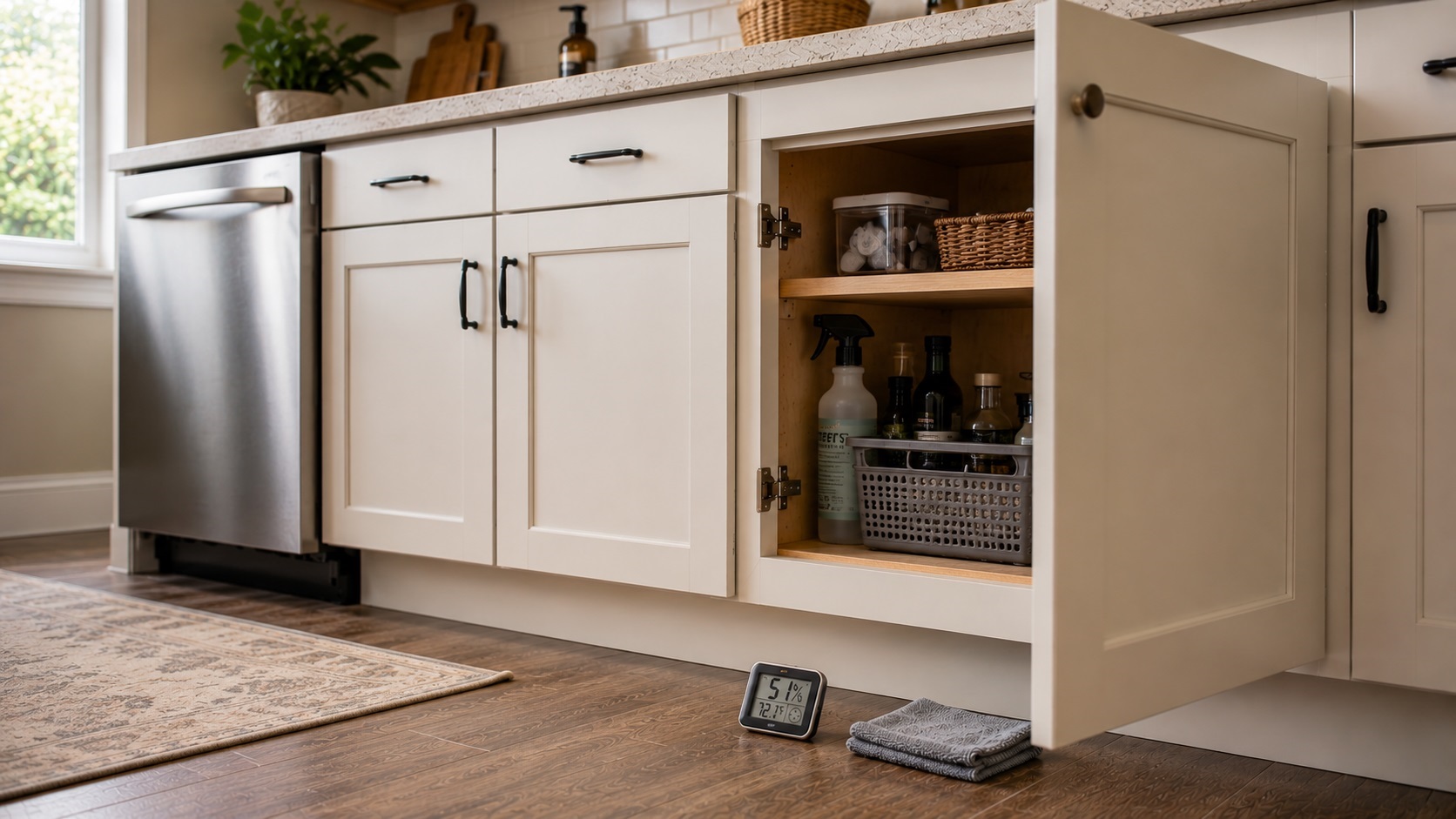
How to Monitor Areas After Leak Repairs
To monitor areas after leak repairs, check the repaired spot and nearby materials daily during the first week, then every few days for the next several weeks. Watch for new stains, musty odors, damp surfaces, swelling, soft materials, paint bubbling, or moisture that returns after the area seemed dry.
A fixed pipe, fitting, roof leak, or fixture leak does not always mean the surrounding materials are dry. Water can remain trapped in drywall, wood, insulation, flooring, cabinets, and wall cavities, and a small incomplete repair may allow moisture to return slowly.
Monitoring repaired areas helps confirm that the repair was successful and that moisture is no longer spreading. If you are unsure whether moisture remained after the original leak, reviewing how to detect moisture after small leaks can help identify early signs that should be monitored closely.
This guide explains what to check immediately after repairs, how often to inspect the area, how long monitoring should continue, and when recurring moisture signs need professional evaluation.
This article fits under why moisture problems keep returning, because repaired leak areas need follow-up checks before they can be considered fully stable.
Why Monitoring After Repairs Is Important
Repairing a leak stops the source of water, but it does not instantly dry materials that already absorbed moisture. Monitoring matters because it shows whether the area is drying, staying stable, or developing new warning signs after the repair.
Why Hidden Moisture May Still Exist
Moisture often spreads beyond the original leak location before repairs are made. A pipe leak, roof leak, appliance leak, or fixture leak may wet wall cavities, flooring, cabinets, insulation, or lower-level surfaces before the source is fixed.
Those materials can continue releasing moisture after the repair, which is why the monitoring area should extend beyond the exact repair point.
If moisture begins returning after repairs, signs of moisture returning after repairs explains the symptoms that suggest trapped moisture, incomplete repairs, or a continuing leak.
What to Check Immediately After Leak Repairs
The period immediately following a leak repair is when new moisture, incomplete repairs, or trapped water are most likely to reveal themselves. Careful observation during this stage helps confirm that the repaired area is staying dry.
Inspect the Repair Location Carefully
Start by checking the exact location where the repair was made. This area carries the highest risk of continued moisture if the repair did not fully resolve the problem.
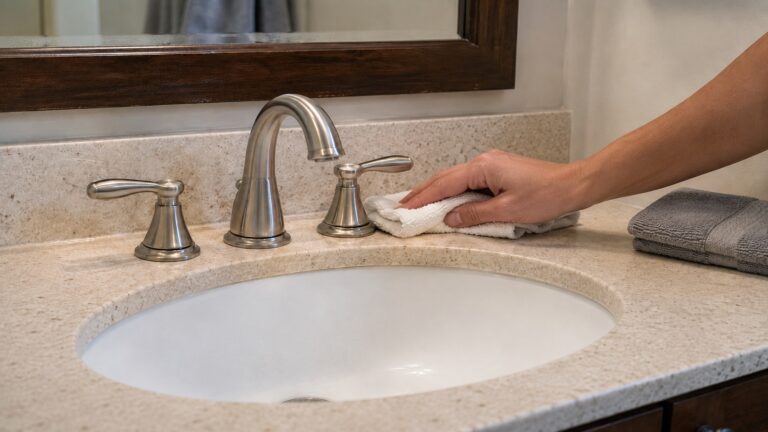
Look closely at the repair point using good lighting. Watch for any visible signs that moisture may still be present.
Check for:
- New damp spots forming near the repair
- Shiny or wet-looking surfaces
- Slow dripping or moisture beads
- Fresh discoloration near connections
- Persistent cool areas around the repair zone
If moisture appears shortly after the repair, it may indicate that the repair was incomplete or that additional moisture remains hidden inside nearby materials.
Check Nearby Materials Surrounding the Repair
Moisture often spreads beyond the original leak source. Even after repairs are completed, surrounding materials may still contain moisture that needs to be monitored.
Inspect nearby materials within several feet of the repair location. Focus on surfaces that may have absorbed moisture before the repair occurred.
Check nearby:
- Walls surrounding plumbing fixtures
- Cabinet interiors and bases
- Flooring near the repair site
- Ceilings below upper-level leaks
- Adjacent structural materials
These areas are important observation points because moisture may appear there even when the repair point itself looks dry.
Examine Surrounding Surfaces for Subtle Changes
After repairs, surface changes may appear gradually as moisture migrates through materials. These changes may be subtle at first but can become more noticeable over time.
Look for early indicators such as:
- Small stains forming on nearby surfaces
- Paint or finish beginning to bubble
- Surface distortion along seams
- Minor texture changes in walls or floors
- Edges lifting or separating
These early signs may indicate that moisture is still moving within structural materials.
If new changes appear after repairs, understanding why moisture returns after cleanup can help explain why moisture sometimes reappears after initial repairs.
How to Monitor During the First Week After Repairs
The first week following repairs is a critical period for identifying hidden moisture problems. Many delayed symptoms develop during this timeframe, making daily observation especially important.
Perform Daily Checks During the First Several Days
During the first week, inspect the repaired area at least once per day. Checking at consistent times helps identify changes that may not be noticeable during occasional observation.
Use the same routine each time: look closely with good lighting, touch nearby surfaces for dampness or soft spots, smell the area for musty odors, compare the repair zone with nearby dry materials, and take a quick photo so small changes are easier to notice later.
During daily checks, observe:
- Changes in surface appearance
- New stains forming or spreading
- Moisture returning to previously dry areas
- Persistent or developing odors
- Unusual cool or damp sensations
Consistency is more important than frequency. Observing the same area regularly makes it easier to recognize small changes over time.
Watch for Early Warning Signs of Recurring Moisture
Early warning signs often appear during the first week after repairs. Recognizing these signs quickly allows homeowners to take action before damage spreads.
Watch for:
- Stains that gradually expand
- Recurring musty odors
- Surface distortion that worsens
- Unexpected dampness returning
- Changes appearing in nearby areas
These symptoms may indicate trapped moisture or an incomplete repair.
Track Moisture Patterns Over Time
Tracking changes helps identify recurring moisture patterns. Take photos from the same angle, mark the edge of visible stains with painter’s tape if the surface allows it, and write down when odors, dampness, or discoloration appear.
Patterns to monitor include:
- Repeated appearance of damp areas
- Gradual expansion of discoloration
- Recurring odors that intensify over time
- New symptoms appearing in nearby locations
- Changes that occur at predictable intervals
If recurring patterns develop, they may indicate ongoing moisture problems that require additional attention.
How to Monitor During Weeks Two and Three
After the first week, monitoring should continue even if no major symptoms have appeared. Many moisture-related problems develop slowly, especially when moisture remains trapped inside structural materials. Reduced-frequency monitoring during the following weeks helps identify delayed symptoms that may not appear immediately.
Reduce Monitoring Frequency but Stay Consistent
Once the first week has passed without major changes, daily inspections may no longer be necessary. However, periodic checks remain important. Monitoring every few days allows homeowners to confirm that conditions remain stable.
During this stage, focus on consistency rather than intensity. Checking the same locations at regular intervals helps reveal gradual changes that might otherwise go unnoticed.
Continue observing:
- Repair locations and nearby materials
- Surfaces previously exposed to moisture
- Areas below the original leak location
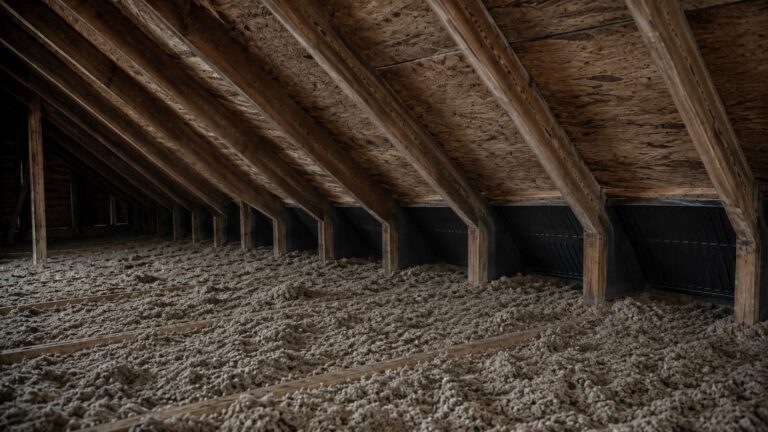
- Enclosed spaces where moisture may remain trapped
- Structural materials showing prior symptoms
These inspections help confirm that moisture is not spreading into additional areas.
Watch for Delayed Symptoms
Some moisture problems appear weeks after repairs have been completed. Delayed symptoms often develop as moisture continues moving through materials or as hidden dampness becomes visible.
Watch for delayed warning signs such as:
- New stains appearing after initial drying
- Surface distortion becoming more noticeable
- Recurring odors developing after several days
- Material changes spreading beyond original areas
- Unexpected dampness in nearby locations
These symptoms often indicate that moisture remained trapped or migrated into surrounding materials after repairs.
Track Moisture Stability Over Time
Stability is the key indicator that repairs were successful. Monitoring over several weeks helps confirm whether moisture levels remain stable or begin changing again.
Stable conditions typically include:
- No new stains appearing
- No persistent odors developing
- No visible changes in materials
- Surfaces remaining consistent in appearance
- No signs of moisture returning
If conditions remain stable during this phase, the risk of recurring moisture damage decreases significantly.
Signs That a Repair May Not Have Worked
Not all repairs fully resolve moisture problems. In some cases, leaks continue slowly or moisture remains trapped inside materials. This section summarizes warning signs to watch for, while the broader symptom patterns are covered in signs of moisture returning after repairs.
Recurring Odors
Odors are often one of the earliest signs that moisture remains inside materials. Musty or damp smells that persist after repairs may indicate that moisture is still present.
Odor-related warning signs include:
- Persistent musty smells
- Odors that intensify over time
- Smells returning after ventilation
- Odors appearing in nearby areas
- Strong smells developing unexpectedly
Recurring odors should always be taken seriously, as they often signal hidden moisture or early mold activity.
Reappearing Moisture or Stains
One of the clearest indicators of repair failure is the reappearance of moisture. Stains that return after drying often indicate that moisture remains trapped or that the leak was not fully resolved.
Look for:
- Stains returning in the same location
- Moisture appearing after previously drying
- Discoloration expanding outward
- Damp spots developing near repair areas
- New staining in adjacent materials
If moisture returns after repairs, reviewing how to detect repeated moisture problems can help identify patterns associated with recurring moisture sources.
New Damage Appearing After Repairs
New damage that develops after repairs often indicates unresolved moisture. Structural materials that continue changing may still contain trapped water.
Signs of new damage include:
- Surface warping or distortion
- Paint bubbling or peeling
- Material softening
- Separation along seams
- Visible structural changes
These changes may indicate that moisture remains active within structural materials.
How Long to Keep Checking Repaired Leak Areas
Most repaired leak areas should be checked closely for the first week, periodically for the next several weeks, and occasionally afterward if the area was heavily wet, enclosed, or slow to dry.
When Long-Term Monitoring Still Matters
Even after several weeks of stable conditions, occasional long-term monitoring helps confirm that repairs remain effective. This is especially important in areas where leaks previously caused significant moisture exposure.
Long-term checks are most useful after heavy rain, heavy water use, appliance cycles, plumbing work, or seasonal humidity changes.
Continue monitoring for:
- New stains forming unexpectedly
- Recurring odors
- Surface changes appearing months later
- Gradual material distortion
- Unusual moisture patterns developing
These occasional checks help detect rare recurrence events that may develop over time.
When to Seek Professional Evaluation After Repairs
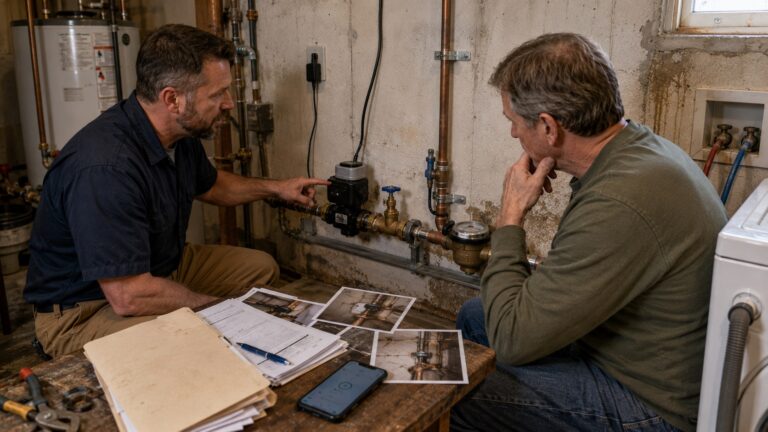
While routine monitoring can identify many problems, some situations require professional evaluation. Specialized tools can detect moisture hidden deep within materials where visual inspection alone may not reveal the full extent of damage.
Stop treating the area as a simple homeowner monitoring issue if materials feel soft, crumbly, sagging, structurally unstable, or contaminated by sewage or dirty floodwater. Those conditions need professional evaluation before surfaces are covered, painted, sealed, or rebuilt.
Persistent Moisture Symptoms
If moisture-related symptoms continue beyond several days, professional inspection may be necessary. Persistent symptoms often indicate unresolved moisture conditions that require further investigation.
Seek professional help if you notice:
- Moisture that remains visible after several days
- Odors that grow stronger over time
- Stains that continue expanding
- Repeated dampness near repaired areas
- Visible material deterioration
These signs suggest that moisture may still be trapped inside structural materials.
Spreading Damage After Repairs
If damage spreads into new areas after repairs are completed, this often indicates unresolved moisture or incomplete repairs. Expanding damage patterns should always be investigated promptly.
Watch for:
- New damage appearing away from the repair site
- Surface distortion spreading outward
- Odors appearing in additional rooms
- Moisture symptoms appearing below the repair location
- Multiple areas showing signs of moisture
These symptoms may signal that moisture continues moving through materials even after repairs.
Repeated Moisture Problems
Repeated moisture problems after repairs often indicate deeper structural issues. If moisture returns multiple times, further investigation is typically required.
If recurring problems develop, reviewing how to prevent recurring moisture damage can help explain long-term prevention strategies that reduce the likelihood of repeated failures.
Common Areas That Require Extra Monitoring After Repairs
Some areas are more likely to retain moisture after repairs than others. These locations often contain enclosed materials, limited airflow, or structural layers that slow the drying process. Paying extra attention to these areas helps reduce the risk of hidden moisture returning later.
Give the highest priority to areas that were wet before the repair, areas directly below the leak, enclosed spaces with limited airflow, and materials that absorb water easily, such as drywall, wood, cabinet bases, insulation, and subflooring.
Wall Cavities and Enclosed Spaces
Wall cavities often trap moisture because airflow inside them is limited. Even after repairs are completed, moisture inside wall cavities may continue migrating through materials over time.
Pay special attention to:
- Walls surrounding repaired plumbing
- Interior partition walls
- Walls behind cabinets or appliances
- Exterior-facing walls exposed to temperature changes
- Areas where moisture previously spread beyond the repair location
Monitoring these enclosed spaces helps detect hidden moisture conditions before visible damage develops.
Areas Below the Original Leak
Water naturally travels downward, making lower-level areas especially vulnerable. Even when repairs occur at upper levels, moisture may have already spread into ceilings or floors below.
Carefully monitor:
- Ceilings beneath repaired plumbing
- Flooring below upper-level leaks
- Lower wall sections near affected areas
- Subfloor regions beneath damaged surfaces
- Structural supports below leak zones
These areas often develop delayed symptoms as moisture migrates downward through structural materials.
Cabinets, Closets, and Storage Areas
Enclosed storage areas are common locations for moisture persistence. Limited airflow allows moisture to remain trapped longer than in open spaces.
Check frequently inside:
- Cabinet interiors
- Closet walls and shelving
- Storage compartments near plumbing
- Vanity bases and utility cabinets
- Areas with minimal ventilation
Monitoring enclosed storage areas helps prevent moisture from remaining hidden for extended periods.
FAQ: Monitoring Areas After Leak Repairs
How often should I check repaired areas after a leak?
During the first week after repairs, check the repaired area daily. After the first week, inspections every few days are usually sufficient. Long-term monitoring may include occasional monthly checks, especially in areas with previous moisture exposure.
How long should monitoring continue after repairs?
Monitoring should continue for several weeks after repairs, even if no symptoms appear immediately. Some moisture-related problems develop slowly, making extended observation important for confirming long-term stability.
What is the most important area to monitor after repairs?
The repair location itself is the highest-priority area. However, nearby materials, lower-level surfaces, and enclosed spaces should also be monitored because moisture often spreads beyond the original leak location.
What should I do if moisture returns after repairs?
If moisture returns after repairs, it may indicate trapped moisture, an incomplete repair, or another nearby moisture source. Repeated dampness, spreading stains, or persistent odors should be evaluated promptly.
Can moisture return even if the leak was fixed?
Yes. Moisture can remain trapped inside materials even after the leak source has been repaired. This moisture may appear later as stains, odors, or surface changes, making ongoing monitoring essential.
Conclusion
Monitoring areas after leak repairs helps confirm that the repair worked, nearby materials are drying, and moisture is not returning. Check the repair location daily during the first week, continue periodic checks during the following weeks, and watch closely for stains, odors, dampness, swelling, soft materials, or changes spreading into nearby areas.
If the area stays stable, the risk of recurring moisture damage decreases. If symptoms return or spread, the repair area should be evaluated again before paint, caulk, flooring, trim, or enclosed materials hide the problem.
One Comment
Comments are closed.