
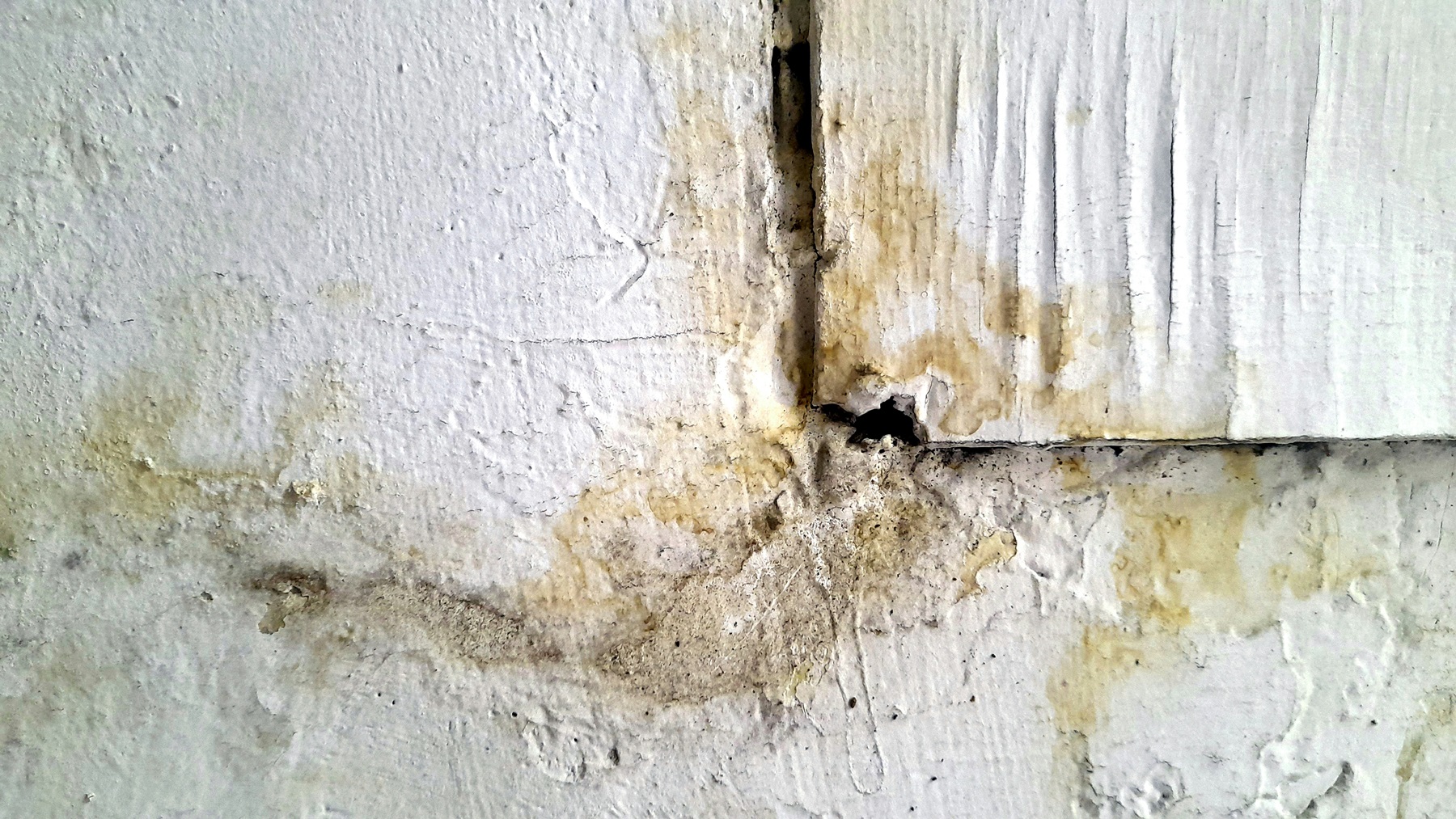
Signs of Moisture Returning After Repairs
The clearest signs of moisture returning after repairs are stains that reappear, damp surfaces that become wet again, musty odors, peeling paint, swelling materials, and new discoloration near or below the original repair area. These symptoms are more concerning when they appear after the area seemed dry or continue returning in the same location.
Moisture can return because water remains trapped inside drywall, wood, insulation, flooring, or wall cavities. It can also return when the original leak was only partly repaired, when moisture migrated into nearby materials before the repair, or when humidity keeps feeding the same damp area.
This guide focuses on warning signs and recurrence patterns, not repair instructions. Use it to decide whether the repaired area is drying normally or whether hidden moisture may still be active.
If you recently completed a repair and are unsure how to monitor the area properly, reviewing how to monitor areas after leak repairs can help establish a consistent observation routine during the recovery period.
Because this article focuses on recurrence symptoms, it fits under why moisture problems keep returning, which explains the larger patterns behind repeated dampness, incomplete repairs, and hidden moisture that comes back after cleanup or repair work.
Early Signs Moisture May Be Returning After Repairs
Moisture usually gives warning signs before major damage appears. The most useful clues are symptoms that return after the area looked dry, stable, or repaired.
Stains Reappearing in the Same Location
One of the most recognizable signs of returning moisture is the reappearance of stains in areas that previously dried. Even if the original stain faded after repairs, moisture returning to the same location often indicates unresolved moisture conditions.
Watch for:
- Stains reappearing in the exact same spot
- Discoloration darkening again after fading
- Previously dry surfaces becoming stained again
- Edges of old stains becoming visible once more
- Gradual expansion of previously faded marks
Stains that return repeatedly in the same location often indicate that moisture remains active behind the surface or inside nearby materials.
Damp Surfaces Returning After Drying
Surfaces that feel damp again after appearing dry are another common sign of recurring moisture. Check the previously affected area gently by touch, especially along seams, edges, trim, flooring transitions, and the original repair point.
Signs of returning dampness include:
- Surfaces feeling cool or moist to the touch
- Previously dry materials becoming slightly damp again
- Moisture appearing along seams or edges
- New damp spots forming near earlier damage
- Repeated dampness in the same area
Recurring dampness often suggests that moisture is still moving through materials or that small leaks may still be present.
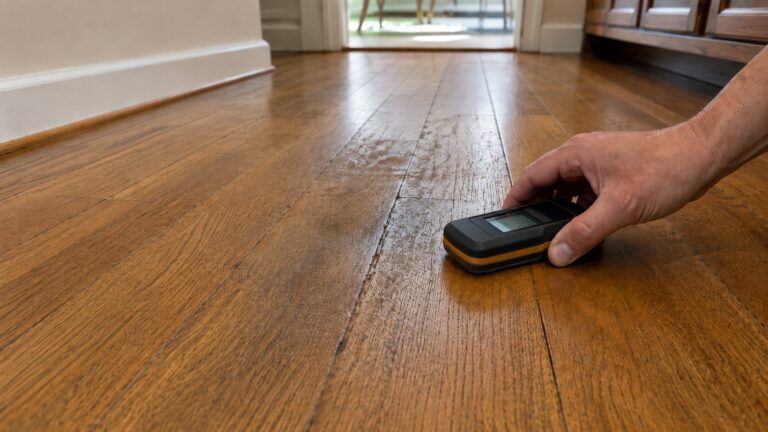
If you use a moisture meter, compare readings in the repaired spot with nearby unaffected material of the same type. A single reading is less useful than a pattern that stays elevated or rises again after the area seemed dry.
Musty Odors Returning After Repairs
Odors often provide one of the earliest indications that moisture has returned. Musty smells developing after repairs may signal hidden moisture that is not yet visible on surfaces.
Watch for odor-related warning signs such as:
- Musty smells reappearing after disappearing
- Odors that become stronger over time
- Persistent smells in enclosed areas
- Odors returning after ventilation
- New smells developing near repaired areas
Odors returning after repairs should not be ignored, as they often indicate ongoing moisture activity.
Surface Changes Reappearing After Stabilization
Surface materials that begin changing again after appearing stable may signal recurring moisture. These changes often develop slowly, making regular observation important.
Watch for:
- Paint bubbling or peeling again
- Wallpaper edges lifting
- Surface distortion reappearing
- Material seams separating again
- Texture changes becoming visible
When surface changes return after stabilizing, it often indicates that moisture remains inside affected materials.
Delayed Signs of Moisture Returning After Repairs
Not all moisture problems return immediately after repairs. Delayed symptoms may appear days or weeks later when moisture remains trapped inside materials and slowly moves back toward visible surfaces.
Stains Returning Days or Weeks Later
Some stains appear to fade after repairs, only to return later. This delayed reappearance often indicates that moisture remained trapped within structural materials and slowly migrated back to the surface.
Delayed stain recurrence may appear as:
- Discoloration returning after several days
- Stains reappearing weeks after drying
- Dark patches forming in previously dry areas
- Faded marks gradually becoming visible again
- Surface discoloration spreading slowly over time
These delayed symptoms often develop as moisture continues moving through porous materials such as drywall and wood.
Odors Developing After an Initial Dry Period
In some cases, odors do not appear immediately after repairs. Instead, smells may develop days or weeks later as trapped moisture creates conditions that allow microbial growth or material breakdown.
Watch for:
- Musty odors appearing after a period of normal air quality
- Smells intensifying over time
- Odors returning during humid weather
- Persistent smells in enclosed spaces
- New odors developing without visible moisture
Delayed odors often indicate moisture that was not fully removed during the repair process.
New Damage Appearing Near Previously Affected Areas
Moisture that spreads into nearby materials before repairs may cause damage that appears later. These delayed changes may develop even after the original repair was completed successfully.
Watch for:
- New stains forming near the original location
- Damage appearing in adjacent materials
- Discoloration spreading into surrounding areas
- Texture changes developing in nearby surfaces
- Material changes extending beyond original damage
These patterns suggest that moisture migrated into surrounding materials before the repair was completed.
Moisture Return Patterns That Point to an Unresolved Problem
Moisture returning after repairs usually follows recognizable patterns. Identifying these patterns helps determine whether moisture is still active behind the surface or spreading into nearby materials.
Moisture Returning in the Same Location
One of the strongest indicators of recurring moisture is the return of symptoms in the exact same location where the original leak occurred. This pattern often suggests that moisture remains active or that the repair did not fully resolve the issue.
Watch for:
- Identical stains returning in the same spot
- Repeated dampness along the same seams
- Recurring discoloration in previously affected areas
- Moisture returning at the repair point
- Repeated symptoms appearing in the same location
Same-location recurrence often indicates unresolved moisture conditions that require further evaluation.
Moisture Appearing Near the Original Repair Area
Sometimes moisture returns near—but not directly on—the repair location. This pattern usually indicates that moisture migrated into surrounding materials before repairs were completed.
Watch for:
- New stains forming next to the repaired area
- Dampness spreading sideways into nearby surfaces
- Discoloration appearing along adjacent seams
- Moisture developing in surrounding materials
- Surface changes expanding outward
This pattern often reflects moisture movement within nearby materials.
Moisture Appearing Below the Original Leak
Water naturally travels downward, making lower surfaces vulnerable to delayed symptoms. Moisture that spread before repairs may continue affecting materials located below the original leak.
Watch for:
- Ceiling stains appearing below upper-level repairs
- Damp spots forming on lower walls
- Moisture symptoms developing on flooring
- Damage appearing beneath affected structures
- New discoloration forming below original locations
If symptoms appear below the repair area, reviewing how to detect moisture after small leaks can help identify lingering moisture that may have migrated downward.
Normal Drying vs Signs of Returning Moisture
After repairs, the key question is whether the area is improving consistently or cycling back into dampness. Normal drying should move in one direction: less odor, less dampness, lighter staining, and more stable surfaces. Returning moisture usually reverses that progress.
What Normal Drying Looks Like
Normal drying occurs gradually and shows consistent improvement over time. As moisture leaves materials, symptoms typically fade rather than return.
Typical signs of normal drying include:
- Stains gradually fading instead of darkening
- Odors becoming weaker over time
- Surfaces remaining dry after initial drying
- No new damage appearing
- Materials stabilizing without additional changes
During normal drying, conditions improve steadily without reversing direction.
Signs Moisture Is Returning Instead of Drying
Returning moisture follows a different pattern than normal drying. Instead of improving steadily, symptoms disappear and then return again. This cycle strongly suggests that moisture remains active inside structural materials.
Watch for warning signs such as:
- Stains that fade but then darken again
- Dampness returning after surfaces appeared dry
- Odors reappearing after initially fading
- Damage appearing after a period of stability
- Repeated cycles of improvement followed by decline
Repeated symptom cycles often indicate unresolved moisture problems that require further attention.
A simple way to judge the pattern is to compare the same spot at the same time each day. If the stain, odor, dampness, or surface change is stronger than the day before, the area is not following a normal drying pattern.
Why Symptoms That Return Are More Concerning
Temporary symptoms that improve steadily usually indicate recovery. However, symptoms that return after improvement suggest that moisture remains active within materials. This repeated pattern increases the likelihood of long-term damage.
Returning symptoms may indicate:
- Hidden moisture reservoirs inside materials
- Small leaks continuing slowly
- Incomplete repairs that did not fully stop moisture entry
- Water migration into surrounding materials
- Ongoing moisture movement within structural components
If symptoms continue repeating over time, reviewing why moisture returns after cleanup can help explain the underlying reasons recurring moisture problems develop.
Warning Signs That Recurring Moisture May Be Getting Worse
Not all recurring moisture behaves the same way. Some symptoms remain minor, while others worsen over time. Recognizing escalation patterns helps determine when conditions may require professional attention.
Stains That Continue Expanding
Stains that grow larger over time often indicate that moisture is spreading within materials. Expansion suggests that moisture remains active and continues affecting nearby areas.
Watch for:
- Stains increasing in size
- Discoloration spreading outward
- New affected areas forming nearby
- Edges of stains becoming more defined
- Repeated enlargement after drying attempts
Expanding stains are strong indicators that moisture may still be present behind the surface or inside nearby materials.
Structural Materials Showing New Changes
Structural materials may begin showing changes as recurring moisture continues affecting them. These changes often signal deeper problems developing inside the structure.
Watch for:
- Wood swelling or warping
- Flooring lifting or buckling
- Drywall softening or sagging
- Seams separating between materials
- Visible distortion developing over time
Structural changes usually indicate that moisture has been present long enough to affect material stability.
Symptoms Appearing in Multiple Locations
When moisture symptoms appear in more than one location, the risk of widespread damage increases. Multiple affected areas often indicate moisture migration within structural materials.
Watch for:
- Stains appearing in several areas
- Odors spreading into additional rooms
- Dampness affecting multiple surfaces
- Damage appearing both above and below the repair site
- New symptoms appearing away from the original location
Multiple affected locations often signal ongoing moisture movement through structural systems.
When to Get the Area Checked After Repairs
Not every recurring symptom indicates a major structural issue, but some patterns require immediate attention. Understanding when returning moisture becomes a serious concern helps homeowners avoid long-term damage and unnecessary delays.
Moisture That Returns Multiple Times
One of the clearest warning signs of unresolved moisture is repeated recurrence. When symptoms appear, fade, and then return again, it usually indicates that moisture remains active inside structural materials.
Watch for patterns such as:
- Stains that return repeatedly after fading
- Dampness that disappears and then reappears
- Odors that return after ventilation
- Recurring symptoms in the same location
- Multiple cycles of improvement followed by recurrence
Repeated recurrence often suggests that moisture was not fully removed or that leaks may still be present.
Moisture That Persists Beyond the Expected Drying Period
Most materials show noticeable improvement within the first several days after repairs. When symptoms continue beyond the expected drying period, additional investigation may be necessary.
Watch for:
- Dampness lasting longer than several days
- Odors that remain unchanged over time
- Stains that fail to fade gradually
- Surface conditions that do not stabilize
- Ongoing signs of moisture without improvement
Persistent moisture may indicate hidden water that continues affecting surrounding materials.
Do not cover returning moisture with paint, caulk, flooring, trim, or new finishes until the source is identified. Covering the area can trap moisture inside materials and make the next round of damage harder to detect.
Moisture That Appears After a Long Delay
Symptoms that return after weeks of stability often indicate moisture stored deep inside structural materials. These delayed recurrences may appear unexpectedly and require careful attention.
Watch for:
- Stains appearing weeks after repairs
- Odors developing after long periods of normal conditions
- Surface distortion appearing long after drying
- Dampness returning after extended stability
- Unexpected moisture appearing during humid conditions
Delayed recurrence often suggests that moisture remained trapped in enclosed spaces or structural layers.
Call a qualified professional if the area feels soft, crumbles, sags, smells musty after drying, shows spreading stains, or involves ceilings, subfloors, framing, electrical areas, sewage, or repeated plumbing leaks.
When Returning Moisture Becomes a Bigger Damage Risk
Returning moisture becomes more serious when symptoms move beyond surface staining and begin affecting the strength, shape, or stability of materials.
Gradual Material Deterioration
Repeated moisture exposure causes materials to degrade gradually. Even small amounts of recurring moisture can weaken materials over time.
Common effects include:
- Wood losing strength due to repeated swelling
- Drywall becoming soft and unstable
- Flooring layers weakening
- Fasteners loosening due to movement
- Joint connections becoming less secure
These gradual changes may not be immediately visible but can develop into larger structural concerns.
Increased Risk of Mold Development
Recurring moisture creates conditions that support mold growth. Even small amounts of returning moisture may allow mold to develop inside enclosed spaces.
Moisture returning repeatedly increases the likelihood of:
- Hidden mold growth inside wall cavities
- Surface mold forming on materials
- Odors becoming stronger over time
- Air quality concerns developing
- Damage spreading into surrounding areas
If moisture recurrence becomes frequent, reviewing how to prevent recurring moisture damage can help reduce long-term risk and improve moisture management.
Areas Where Recurring Moisture Is Most Likely to Appear
Recurring moisture does not always appear randomly. Certain areas are more vulnerable to delayed or repeated moisture problems due to their structure, materials, or exposure to water sources. Monitoring these locations carefully helps identify recurrence before major damage develops.
Repair Locations and Nearby Surfaces
The repair location itself remains the highest-risk area for recurring moisture. Even small imperfections in repairs can allow moisture to return slowly over time.
Pay close attention to:
- The exact repair point
- Nearby seams and joints
- Surfaces that were directly exposed to water
- Edges of previously affected materials
- Areas where moisture first appeared
Repeated symptoms in these locations often indicate unresolved moisture conditions.
Enclosed Spaces With Limited Airflow
Enclosed areas are especially vulnerable to recurring moisture because limited airflow slows the drying process. Moisture trapped inside these spaces may remain hidden for extended periods.
Carefully inspect:
- Cabinets and vanities
- Closets near plumbing fixtures
- Utility compartments
- Spaces behind appliances
- Areas with restricted ventilation
Monitoring enclosed spaces helps detect recurring moisture that might otherwise remain hidden.
Lower-Level and Downward Areas
Water naturally travels downward, making lower-level surfaces particularly vulnerable to delayed recurrence. Even when repairs occur at upper levels, moisture may continue affecting materials below.
Watch carefully for:
- Ceilings below repaired plumbing
- Flooring beneath upper-level leaks
- Lower wall sections
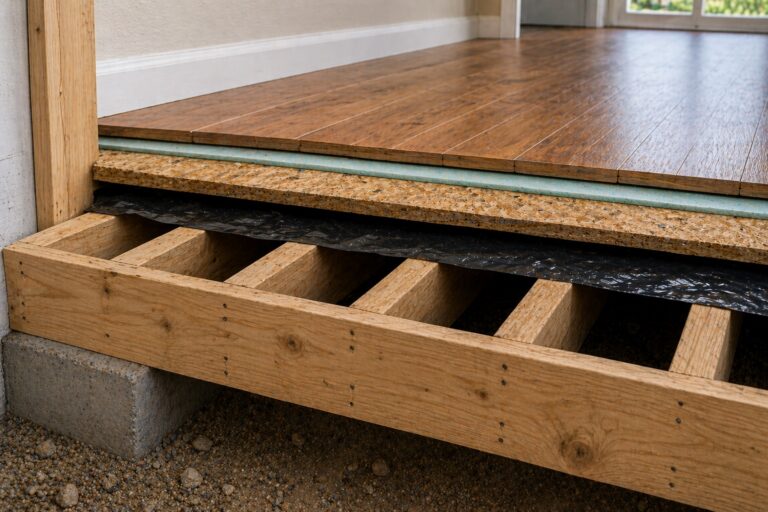
- Subfloor materials
- Structural supports beneath leak zones
If symptoms continue appearing below the original leak location, it may indicate that moisture spread downward before repairs were completed.
FAQ: Signs of Moisture Returning After Repairs
How soon can moisture return after repairs?
Moisture may return within hours, days, or even weeks after repairs. Immediate recurrence often indicates incomplete repairs, while delayed recurrence usually suggests trapped moisture inside materials.
Is it normal for stains to return after repairs?
Stains that briefly remain during drying can be normal, but stains that fade and then reappear often indicate returning moisture. Repeated stain cycles should be evaluated carefully.
What is the most common sign of returning moisture?
The most common sign is the reappearance of stains or dampness in the same location where the original problem occurred. Odors and surface changes are also frequent early warning signs.
Can moisture return even if repairs were done correctly?
Yes. Moisture can remain trapped inside materials even when repairs were performed properly. This moisture may appear later as stains, odors, or surface changes.
When should recurring moisture be considered serious?
Recurring moisture should be taken seriously when symptoms repeat multiple times, expand into new areas, or continue beyond expected drying periods.
What to Do If Moisture Signs Return After Repairs
If stains, dampness, odors, swelling, peeling, or surface distortion return after repairs, treat the area as unresolved until proven otherwise. Compare the same spot daily, check nearby and lower surfaces, and avoid covering the area with new finishes until the moisture source is confirmed.
Moisture that keeps returning in the same place, spreads into nearby materials, or appears after a long dry period usually needs closer inspection. The earlier you confirm the recurrence pattern, the easier it is to stop hidden moisture before it becomes a larger repair problem.
One Comment
Comments are closed.