
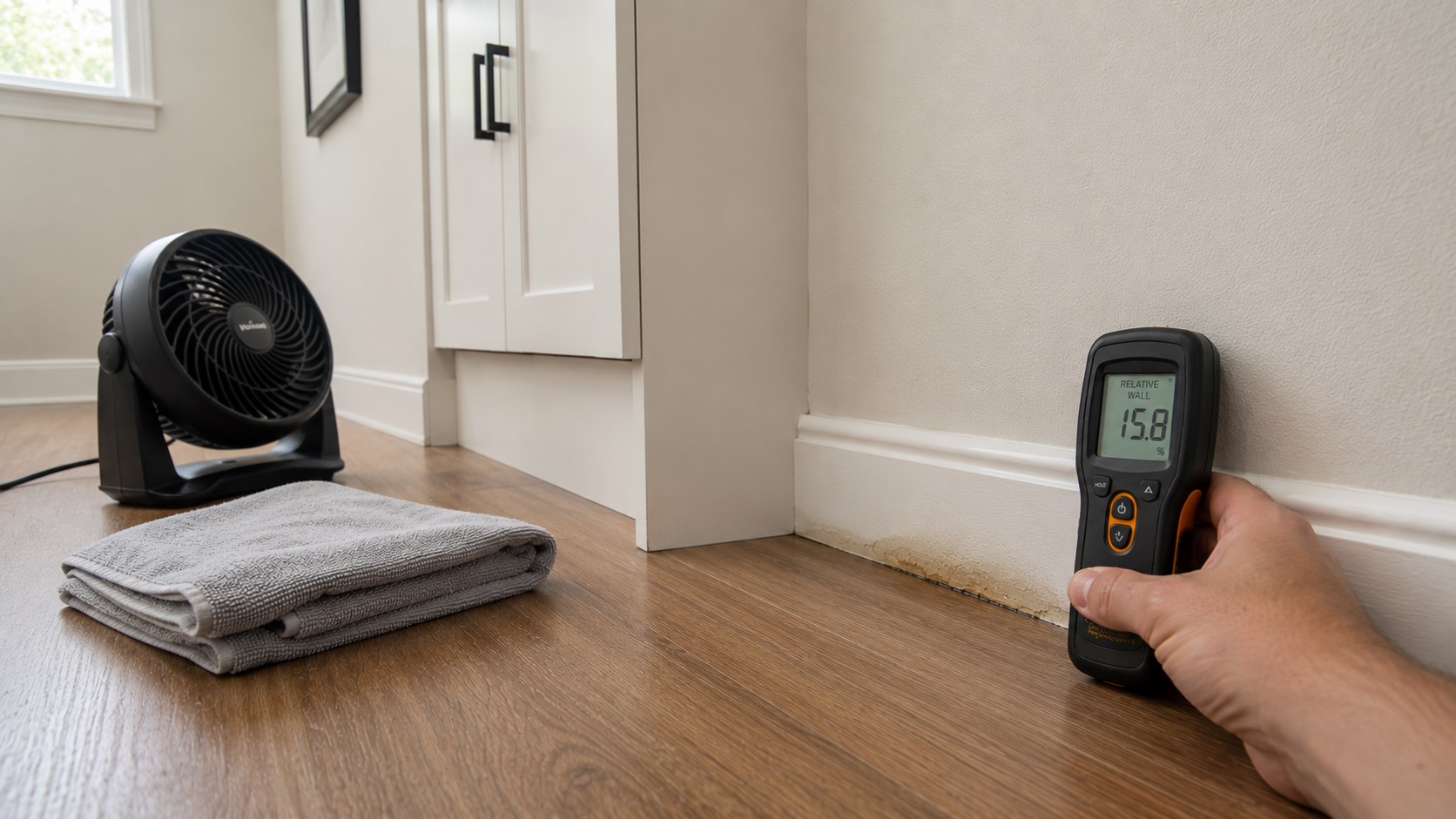
Why Moisture Returns After Cleanup
Moisture problems often seem resolved once visible water is removed and surfaces appear dry. However, many homeowners are surprised when dampness, stains, or musty odors return days or weeks after cleanup. This recurrence usually does not mean a new problem has developed. Instead, it typically indicates that moisture remained hidden, migrated through materials, or continued entering the structure after the initial cleanup.
Moisture usually returns after cleanup for one of three reasons: hidden water was left inside materials, humidity or temperature changes reactivated dampness, or the original water source was never fully stopped. The visible symptoms may disappear temporarily while the underlying moisture process continues.
This guide explains the most common reasons moisture returns after cleanup, how moisture behaves inside building materials, and why recurring moisture should be investigated instead of covered with paint, caulk, or new finishes. For the broader recurrence pattern, see why moisture problems keep returning.
Why Moisture Often Returns After Cleanup
Moisture returns after cleanup because removing visible water does not always remove internal moisture. Water moves through materials in complex ways, and many building materials absorb moisture beneath the surface.
When cleanup focuses only on visible areas, hidden moisture may remain trapped inside walls, flooring systems, or structural components. Over time, this moisture moves back toward the surface, creating the appearance that the problem has returned.
When moisture returns, first check whether the dampness appears after rain, after plumbing use, after showers, during humid weather, or after temperature drops. That timing pattern usually gives a better clue than the stain location alone.
Hidden Moisture Remaining Inside Materials
One of the most common causes of moisture returning after cleanup is hidden moisture inside porous materials. Materials such as drywall, wood, and insulation absorb water internally, even when surfaces appear dry.
Common materials that retain hidden moisture include:
- Drywall panels
- Wood framing components
- Subfloor materials
- Carpet padding
- Insulation layers
When moisture remains inside these materials, it may slowly migrate back to the surface. This delayed movement causes dampness to reappear days after the initial cleanup.
Capillary Action Pulling Moisture Back
Capillary action allows water to move through small internal channels inside materials. This process enables moisture to travel in unexpected directions, including upward movement against gravity.
Capillary movement often occurs in:
- Concrete foundation walls
- Masonry materials
- Wood framing
- Drywall surfaces
Because water can move through these materials gradually, moisture may reappear even when the original source appears resolved.
Evaporation and Condensation Cycles
Moisture does not remain in liquid form permanently. Water evaporates into the air as vapor, then condenses again when temperatures drop or surfaces cool. This cycle can cause moisture to return repeatedly.
Common condensation-related recurrence occurs when:
- Indoor humidity levels remain high
- Ventilation is limited
- Cold surfaces allow condensation to form
- Temperature changes occur frequently
Repeated condensation cycles can create the appearance of recurring leaks, even when no active leak exists.
How Hidden Moisture Moves After Cleanup
Water rarely stays where it first appears. After entering a structure, it can move through nearby materials, cavities, and lower areas, which is why dampness may return outside the original cleanup zone.
Water Moving Through Structural Cavities
Structural cavities inside walls, ceilings, and floors provide pathways that allow moisture to travel beyond the original leak location. Once water enters these cavities, it may spread horizontally or vertically.
Common migration pathways include:
- Wall cavities behind drywall
- Ceiling spaces beneath plumbing systems
- Subfloor spaces beneath flooring
- Framing channels between structural members
When moisture migrates through these areas, cleanup at the visible location may not address the full extent of the damage.
Gravity Pulling Moisture Into Lower Areas
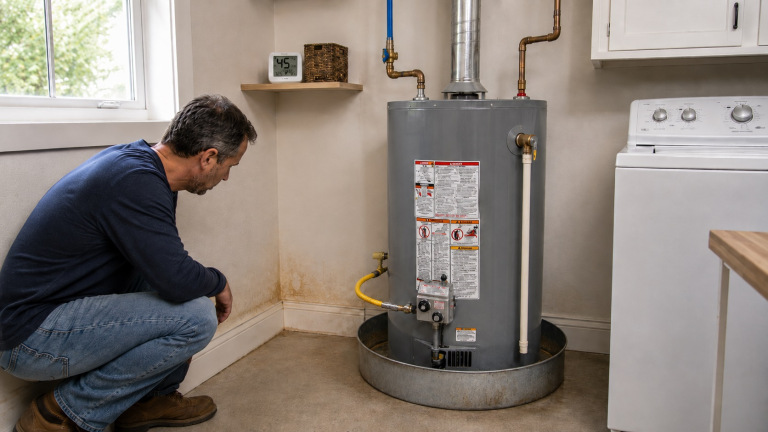
Gravity often pulls moisture below the original leak source, where it can collect in ceilings, wall bases, cabinets, flooring, basements, or crawl spaces.
Examples of gravity-driven migration include:
- Water leaking from upper floors into ceilings below
- Moisture traveling from walls into floor systems
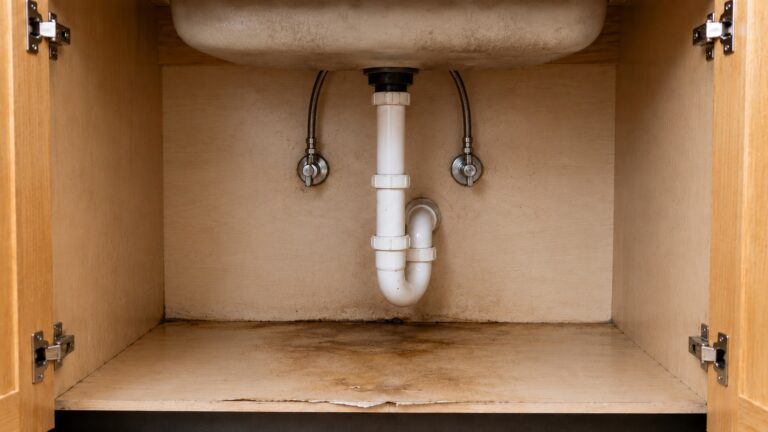
- Water pooling beneath cabinets or appliances
- Moisture collecting in basement or crawl space areas
This movement can make it difficult to identify the true origin of recurring moisture.
Moisture Appearing in Adjacent Areas
Sometimes moisture appears in nearby locations that were not part of the original cleanup area. This occurs when water spreads into surrounding materials and later becomes visible.
For example:
- A ceiling leak may cause wall staining nearby
- A bathroom leak may affect adjacent rooms
- A roof leak may produce damage several feet away from entry points
When moisture appears outside the original cleanup zone, further investigation is often required.
Active Moisture Sources That Were Never Fully Stopped
One of the most common reasons moisture returns after cleanup is that the original source of water was never fully repaired. Cleaning and drying may temporarily remove visible moisture, but if the source remains active, moisture will return repeatedly.
Even very small leaks can create recurring moisture problems. Slow drips, loose fittings, or damaged seals may release water gradually, making them difficult to detect during initial cleanup.
Slow Plumbing Leaks
Slow plumbing leaks are among the most frequent causes of recurring moisture. These leaks may produce only small amounts of water at a time, but over days or weeks, they create significant moisture buildup.
Common sources of slow plumbing leaks include:
- Loose pipe connections beneath sinks
- Damaged supply lines
- Worn pipe fittings
- Faulty shutoff valves
- Hidden pipe damage inside walls
Because slow leaks release water gradually, surfaces may dry between leak cycles, making recurrence appear unpredictable.
Damaged Seals and Waterproofing Failures
Waterproof seals protect areas where water exposure is common. When these seals fail, water may enter repeatedly during normal use or environmental exposure.
Common seal failure locations include:
- Around bathtubs and showers
- Window and door frames
- Roof flashing areas
- Exterior siding joints
- Floor and wall transitions
Seal failure often leads to recurring moisture that appears during specific conditions such as rainfall or daily water use.
Roof and Exterior Intrusion Points
Roof and exterior failures allow water to enter during storms or wet weather. Even minor damage can allow moisture to enter repeatedly over time.
Typical exterior intrusion points include:
- Damaged roofing materials
- Loose flashing around vents
- Cracked siding joints
- Blocked gutters causing overflow
- Improperly sealed roof penetrations
Recurring moisture following storms strongly suggests exterior water intrusion.
Environmental Conditions That Reactivate Moisture
Environmental factors play a significant role in moisture recurrence. Even after cleanup, surrounding conditions may cause materials to reabsorb moisture or allow trapped water to resurface.
Understanding environmental influences helps explain why moisture problems often return during certain conditions.
High Indoor Humidity
High humidity slows evaporation and allows materials to retain moisture longer. When humidity remains elevated, previously damp materials may not dry completely.
Signs of humidity-related recurrence include:
- Condensation forming on windows
- Damp odors returning during humid weather
- Moisture appearing in enclosed spaces
- Persistent humidity above normal indoor levels
Monitoring humidity levels helps identify whether environmental moisture contributes to recurrence. To better understand indoor humidity conditions, review how to test indoor humidity levels.
Poor Airflow and Ventilation
Airflow plays a critical role in drying materials. Without proper ventilation, moisture vapor remains trapped, allowing dampness to persist longer than expected.
Common ventilation-related recurrence scenarios include:
- Bathrooms without exhaust fans
- Closets with limited air circulation
- Basements with stagnant air
- Sealed rooms with minimal airflow
Poor airflow often prevents complete drying, leading to delayed moisture return.
Temperature Changes Causing Condensation
Temperature differences between surfaces and surrounding air can create condensation. This process causes moisture to form repeatedly on cool surfaces.
Condensation-related recurrence often appears when:
- Indoor temperatures fluctuate significantly
- Cold surfaces remain exposed to humid air
- Outdoor temperatures drop rapidly
- Insulation is inadequate
Repeated condensation cycles can mimic the appearance of recurring leaks.
Common Cleanup Mistakes That Lead to Recurring Moisture
Many recurring moisture problems develop because initial cleanup procedures did not fully address hidden moisture or underlying causes. Understanding these common mistakes helps prevent future recurrence.
The mistake is not always poor cleaning. Often, the cleanup removed what was visible but did not confirm whether the material behind, below, or beside the visible area had reached a stable dry condition.
Drying Only Visible Surfaces
Drying visible water is important, but moisture often remains inside materials long after surfaces appear dry. Focusing only on surface drying leaves internal moisture trapped.
Areas where hidden moisture commonly remains include:
- Behind baseboards
- Inside wall cavities
- Beneath flooring materials
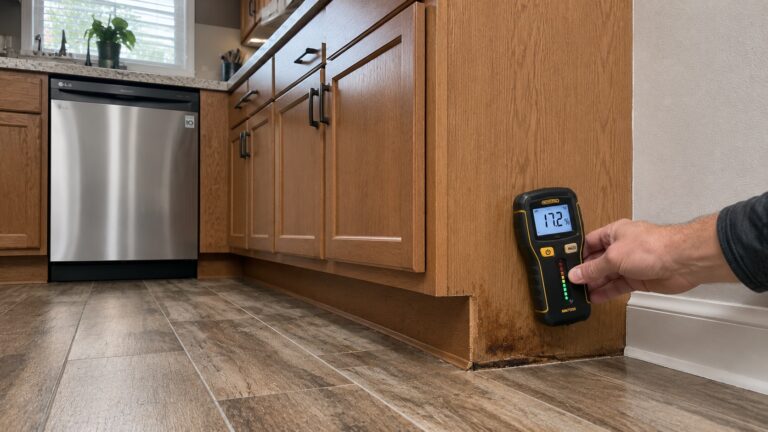
- Under cabinets and fixtures
Surface dryness does not guarantee that internal moisture has been removed.
Using Insufficient Drying Equipment
Using only basic drying methods may not remove moisture effectively. Fans move air but do not remove moisture from the air itself.
Common equipment-related mistakes include:
- Using only one fan for large areas
- Skipping humidity control equipment
- Stopping drying too early
- Failing to maintain airflow across affected materials
Insufficient drying increases the likelihood of delayed moisture return.
A fan alone may dry the surface while leaving moisture inside drywall, wood, carpet padding, or insulation. If the area still feels cool, smells musty, or gives elevated moisture readings after drying, cleanup was probably incomplete.
Repairing Surfaces Before Drying Is Complete
Repairing or replacing materials before drying is complete traps moisture inside structural components. Once enclosed, moisture continues to migrate and reappear later.
Examples of premature repairs include:
- Repainting damp surfaces
- Installing flooring over wet subfloors
- Closing wall cavities before drying
- Replacing trim before moisture removal
Premature repairs often lead to recurring moisture and hidden structural damage.
Timing Patterns That Help Diagnose Why Moisture Returns
The timing of moisture recurrence provides important clues about its underlying cause. Observing how quickly moisture returns after cleanup helps determine whether the issue involves incomplete drying, hidden migration, or an active moisture source. If the same area gets damp repeatedly after different weather, humidity, or plumbing-use conditions, compare the pattern with how to detect repeated moisture problems.
By tracking when moisture reappears, homeowners can narrow down likely causes and prioritize the correct type of inspection.
Immediate Recurrence Within Hours
Moisture returning within hours of cleanup usually indicates that an active water source remains. In these cases, water continues entering the structure faster than drying methods can remove it.
Common causes of immediate recurrence include:
- Ongoing plumbing leaks
- Active roof leaks during rainfall
- Loose pipe connections
- Damaged water supply lines
Immediate recurrence should always be investigated quickly because the moisture source is likely still active.
Short-Term Recurrence Within One to Three Days
Moisture returning within several days often indicates incomplete drying. This is especially common when porous materials absorb water internally.
Short-term recurrence often involves:
- Hidden moisture inside drywall
- Wet insulation behind walls
- Moisture trapped beneath flooring
- Subfloor materials that remain damp
In these cases, additional drying and inspection may be required to fully remove trapped moisture.
Delayed Recurrence After Several Weeks
Moisture returning weeks after cleanup often signals hidden migration or environmental reactivation. Water may have traveled through structural pathways or remained trapped until environmental conditions allowed it to resurface.
Delayed recurrence may be caused by:
- Moisture moving through structural cavities
- Seasonal humidity changes
- Water intrusion during rainfall
- Capillary movement through masonry
Understanding recurrence timing helps differentiate between temporary moisture and ongoing structural pathways.
Event-Based Recurrence During Specific Conditions
Some moisture problems return only during specific environmental events. Identifying these triggers helps isolate the moisture source.
Common triggers include:
- Heavy rainfall
- High humidity periods
- Temperature fluctuations
- Operation of plumbing fixtures
Event-based recurrence strongly suggests that moisture is entering through structural or environmental pathways.
When Recurring Moisture Requires Professional Help
Recurring moisture needs professional evaluation when the source is unclear, moisture readings stay elevated, musty odors keep returning, or materials become soft, swollen, sagging, crumbling, or structurally unstable.
Moisture Returns Repeatedly Without Clear Cause
If moisture continues returning after multiple cleanup attempts, professional inspection may be necessary. Hidden leaks, structural pathways, or concealed materials may be involved.
Professional help is recommended when:
- Moisture returns more than twice
- Source locations remain unclear
- Symptoms worsen over time
- Moisture spreads to new areas
Repeated moisture cycles should not be ignored, as they increase the risk of long-term structural damage.
Odors Continue Returning After Drying
Persistent musty odors often indicate hidden moisture. Even when surfaces appear dry, odors may signal ongoing dampness inside materials.
Recurring odors may indicate:
- Hidden moisture inside walls
- Wet insulation or subfloor materials
- Incomplete drying after previous cleanup
- Environmental moisture buildup
Odors that return repeatedly should be treated as a warning sign of unresolved moisture.
Structural Damage Begins to Appear
If recurring moisture leads to structural symptoms such as soft materials or sagging surfaces, professional evaluation becomes essential.
Signs of structural involvement include:
- Soft or unstable wood
- Sagging ceilings or floors
- Expanding cracks in walls
- Repeated structural movement
Structural damage often develops gradually, making early detection critical. For guidance on identifying structural warning signs, review signs of structural moisture problems.
FAQ — Why Moisture Returns After Cleanup
Is it normal for moisture to return after drying?
Moisture should not return after proper drying and repair. Recurrence usually indicates hidden moisture, incomplete drying, or an unresolved water source.
Can moisture return even if everything looks dry?
Yes. Many materials hold moisture internally, even when surfaces appear dry. This hidden moisture may gradually move back to the surface.
How long should I monitor an area after cleanup?
Monitoring should continue for at least several weeks after drying. Observing the area across different environmental conditions helps confirm whether moisture has been fully removed.
Does recurring moisture always mean there is a leak?
Not always. Recurring moisture may also result from humidity changes, condensation cycles, or structural moisture pathways.
What is the most common cause of moisture returning?
Incomplete drying is one of the most common causes. Hidden moisture inside porous materials often remains after initial cleanup.
Can recurring moisture cause long-term damage?
Yes. Repeated moisture exposure weakens materials, increases mold risk, and may eventually lead to structural problems.
How to Stop Moisture From Returning After Cleanup
Moisture returning after cleanup is a common but preventable problem. In most cases, recurrence occurs because moisture remained hidden, migrated through materials, or continued entering from an unresolved source. Understanding how moisture behaves inside building materials helps explain why visible dryness does not always mean complete moisture removal.
The most useful next step is to track when moisture returns: after rain, after plumbing use, during humid weather, after temperature drops, or without a clear trigger.
Once the root cause is identified, future recurrence becomes much easier to prevent. For long-term habits after leaks, humidity problems, or repeated dampness, review how to prevent recurring moisture damage.
Key Takeaways
- Moisture often returns because hidden moisture remains after cleanup.
- Capillary action and moisture migration allow water to move through materials.
- Environmental factors such as humidity and temperature changes can reactivate moisture.
- Incomplete repairs or slow leaks are common causes of recurrence.
- Tracking recurrence timing helps identify the likely source.
- Persistent recurrence may require professional inspection.
- Addressing root causes is essential for preventing long-term damage.
2 Comments
Comments are closed.