
Why Exterior Walls Develop Moisture Problems
Exterior walls are designed to protect your home from rain, humidity, and temperature changes. When moisture begins to accumulate inside these walls, it usually means something in the protective system has failed or become overwhelmed. Understanding why exterior walls develop moisture problems is critical because fixing visible damage alone rarely solves the root cause.
Many homeowners first recognize moisture problems after noticing symptoms such as stains, peeling paint, or recurring mold. If you have already observed warning signs, reviewing signs of moisture in exterior walls can help confirm whether moisture conditions may be present. Once moisture is suspected or detected, understanding how it entered the wall becomes the next essential step.
Exterior walls are not single-layer barriers. They consist of multiple components that work together to shed water and allow drying. When one part fails—or when environmental exposure exceeds what the wall system can handle—moisture begins to move inward. Over time, this moisture may accumulate inside insulation, framing, or sheathing materials.
This article explains the most common structural, environmental, and drying-related reasons exterior walls develop moisture problems so you can look beyond surface damage and identify the conditions that keep the wall wet.
For broader context, see how water enters homes through structural gaps and how exterior walls allow moisture into homes, which explain the larger pathways that let water reach building assemblies.
How Moisture Enters Exterior Wall Systems
Moisture rarely enters exterior walls through large openings. In most cases, it enters through small gaps, seams, or material failures that gradually allow water intrusion. These entry points often develop slowly due to aging materials, movement, or environmental stress.
Exterior wall systems are designed to manage water, not eliminate every trace of moisture. Their job is to shed liquid water, limit vapor movement, and allow controlled drying when small amounts of moisture enter. When that balance fails, moisture accumulates instead of draining or drying.
Water typically enters wall systems through three basic mechanisms:
- Direct intrusion: Water passes through gaps, cracks, or failed seals.
- Capillary movement: Water is drawn through porous materials such as wood or concrete.
- Condensation: Moisture forms inside walls when warm air contacts cooler surfaces.
Each of these mechanisms behaves differently, but they often occur together. For example, small amounts of rainwater entering through siding gaps may combine with condensation cycles to create long-term moisture buildup.
Once water enters a wall system, it may not appear immediately where the entry occurred. Instead, water often travels along framing members, insulation, or surface materials before becoming visible. This movement explains why moisture damage sometimes appears far from the original source.
If moisture has already been confirmed through testing methods such as those described in how to detect hidden moisture in exterior walls, understanding these entry pathways helps narrow down likely failure points.
Structural Causes of Exterior Wall Moisture
Structural failures are among the most common reasons exterior walls develop moisture problems. These failures typically occur where different building materials meet, creating seams that must remain sealed over time.
Most structural moisture problems begin at connection points rather than flat surfaces. These vulnerable areas experience movement, temperature changes, and water exposure that gradually weaken protective materials.
Failed Window Seals
Windows are one of the most frequent sources of moisture intrusion. Because windows interrupt the wall surface, they create seams that must be carefully sealed to prevent water entry.
Over time, sealants around window frames can crack, shrink, or separate from surrounding materials. This deterioration allows water to bypass protective barriers and enter the wall cavity.
Common causes of window seal failure include:
- Natural aging of sealant materials
- Structural movement causing frame shifting
- Improper installation during construction
- Expansion and contraction from seasonal temperature changes
When window seals fail, water often enters slowly rather than as a visible leak. Rainwater may penetrate small openings and travel downward behind trim or siding.
This type of moisture intrusion frequently leads to repeated damage in localized areas. If moisture problems appear near window openings, further evaluation—such as procedures explained in how to inspect exterior walls for moisture damage—may help confirm the extent of structural involvement.
Damaged or Improperly Installed Flashing
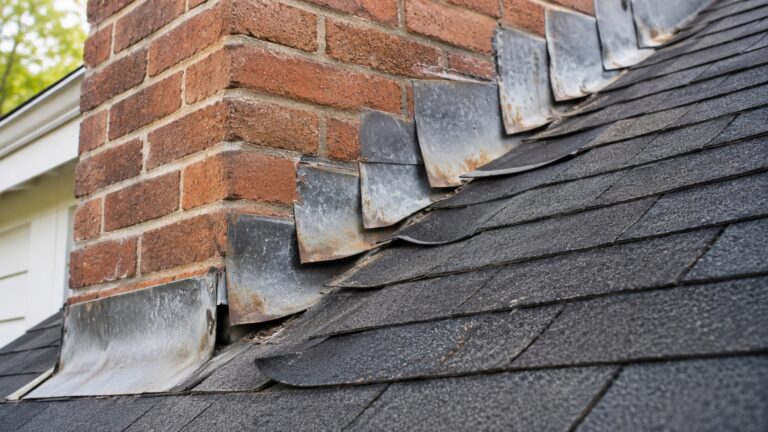
Flashing is a protective material designed to redirect water away from vulnerable openings such as windows, doors, and roof intersections. When flashing is damaged or incorrectly installed, water can bypass protective barriers and enter wall systems.
Flashing problems often develop when:
- Metal flashing corrodes or rusts
- Flashing overlaps are installed incorrectly
- Sealant around flashing deteriorates
- Flashing components shift due to structural movement
Water entering through flashing failures may remain hidden for long periods before visible damage appears. This is especially true when water enters during heavy rain events but dries partially between exposures.
Flashing failures are particularly common at:
- Window and door openings
- Roof-to-wall intersections
- Chimney connections
- Exterior wall penetrations
Even minor flashing defects can allow repeated moisture entry, gradually weakening surrounding materials.
Siding Gaps and Exterior Surface Damage
Siding protects the underlying wall structure from weather exposure. When siding materials become damaged or separated, water can reach deeper structural layers.
Siding gaps often form due to:
- Impact damage from debris or storms
- Material shrinkage over time
- Improper installation spacing
- Fastener loosening or corrosion
Once gaps develop, water may penetrate behind siding during rain events. In many cases, this process occurs gradually, allowing moisture to accumulate slowly rather than causing immediate leaks.
Because siding covers large surface areas, small defects near seams, corners, butt joints, trim, and lower wall edges can expose the water-resistive barrier or sheathing to repeated wetting.
Roof-to-Wall Junction Failures
Roof-to-wall junctions represent one of the most vulnerable locations in exterior wall systems. These areas handle significant water runoff during rainfall events.
If step flashing, counterflashing, kick-out flashing, gutters, or roof drainage details fail, roof runoff may be directed behind siding or concentrated against the wall instead of being carried away.
Common causes of roof-wall moisture problems include:
- Missing or damaged kick-out flashing
- Clogged or overflowing gutters
- Poor roof drainage design
- Ice formation blocking water flow
Water traveling down wall surfaces may appear harmless initially, but repeated wetting cycles increase the chance of infiltration through seams or material joints.
Environmental Causes of Exterior Wall Moisture
Not all exterior wall moisture problems begin with structural defects. In many homes, environmental conditions play a major role in allowing moisture to enter or accumulate inside wall systems. Weather exposure, humidity levels, and seasonal changes place constant stress on exterior materials.
Even well-built walls experience environmental pressure. Over time, repeated exposure can overwhelm protective systems, especially when small weaknesses are present. Understanding these environmental forces helps explain why moisture problems sometimes develop gradually rather than suddenly.
Wind-Driven Rain
Wind-driven rain is one of the most powerful environmental forces affecting exterior walls. Unlike vertical rainfall, wind-driven rain pushes water sideways against wall surfaces. This horizontal pressure forces water into seams, joints, and small openings that might otherwise resist moisture entry.
Wind-driven rain is particularly dangerous because it:
- Forces water into small cracks and joints
- Pushes moisture beneath siding edges
- Allows water to bypass protective barriers
- Increases moisture exposure duration
Homes located in areas exposed to strong winds or seasonal storms often experience higher rates of moisture intrusion. Even tiny gaps around windows, siding joints, or trim can allow water to enter when exposed to repeated wind-driven rain events.
Over time, this repeated pressure weakens protective seals, allowing moisture to accumulate inside wall systems.
Snow Melt and Ice Formation
Cold-weather climates introduce additional moisture risks through snow accumulation and ice formation. Snow resting on roofs or against walls melts slowly when temperatures rise. This melting water often enters small openings before refreezing during colder conditions.
Ice formation creates additional pressure by expanding within small gaps. As water freezes, it expands slightly, forcing surrounding materials apart. This repeated freeze-thaw cycle gradually enlarges small openings.
Snow and ice-related moisture problems often occur:
- Along roof edges
- At roof-to-wall junctions
- Around window frames
- Near exterior trim and siding seams
These seasonal cycles can create long-term moisture entry pathways even when no obvious damage is visible.
High Outdoor Humidity
Outdoor humidity affects how quickly exterior walls can dry. In humid climates, exterior air carries more moisture vapor, so wet materials release moisture more slowly. If humid air reaches cooler surfaces inside the wall, condensation may also occur.
High humidity contributes to moisture problems by:
- Increasing condensation risk inside wall cavities
- Reducing drying potential of building materials
- Prolonging damp conditions after rainfall
- Encouraging mold development in concealed spaces
Even small amounts of moisture entering a wall system may remain trapped longer in humid environments. This extended exposure increases the likelihood of long-term material damage.
Indoor Humidity and Condensation Cycles
Moisture does not always originate outside the home. Indoor humidity can also contribute to moisture accumulation inside exterior walls. Activities such as cooking, bathing, and drying clothes produce moisture vapor that moves through indoor air.
When warm indoor air contacts cooler exterior wall surfaces, condensation may form inside the wall cavity. This process often occurs during colder months when temperature differences between indoor and outdoor environments increase.
Common sources of indoor moisture include:
- Showers and baths
- Cooking without proper ventilation
- Indoor laundry drying
- Humidifier use
Repeated condensation cycles can produce the same long-term damage as liquid water intrusion. In many cases, condensation problems are overlooked because they do not resemble traditional leaks.
Hidden Conditions That Trap Moisture Inside Walls
Moisture problems do not depend solely on how water enters walls. In many cases, damage occurs because moisture becomes trapped inside the wall system and cannot dry effectively.
Walls are designed to allow controlled drying when moisture enters. When drying pathways are blocked or restricted, moisture remains trapped and continues to affect surrounding materials.
Poor Exterior Drainage Around Foundations
Water accumulation near foundation walls increases the likelihood of moisture exposure along lower wall sections. Improper drainage allows water to remain in contact with exterior surfaces for extended periods.
Common drainage problems include:
- Improper grading directing water toward the home
- Clogged or disconnected downspouts
- Soil that retains excessive moisture
- Standing water near foundation edges
When water remains near wall surfaces, it increases the chance of absorption through small cracks or porous materials.
Repeated wetting from poor drainage conditions can produce ongoing moisture exposure, especially near ground-level wall sections.
Improper Vapor Barrier Placement
Vapor barriers are designed to control moisture movement within wall systems. When installed incorrectly, they can trap moisture instead of preventing it.
Improper vapor barrier placement may result in:
- Moisture accumulation inside insulation
- Reduced drying potential within walls
- Condensation forming between material layers
- Long-term damp conditions within concealed spaces
This problem often occurs during construction or renovation projects when materials are installed without proper climate-specific planning.
A vapor barrier that works in one climate can trap moisture in another, especially if the wall also receives wind-driven rain or has limited drying ability.
Restricted Drying Paths Inside Wall Systems
Wall materials need a way to dry after small amounts of moisture enter. When drying paths are restricted by dense insulation, trapped layers, poor cladding drainage, or low-permeance materials, moisture remains inside the wall longer.
Restricted drying conditions may result from:
- Compressed or improperly installed insulation
- Cladding systems that do not drain or dry well
- Low-permeance layers placed on the wrong side of the wall
- Remodeling work that blocks the wall’s original drying path
When drying is limited, even small amounts of moisture can remain inside the wall long enough to damage sheathing, framing, insulation, or interior finishes. These conditions are easy to miss because the wall may deteriorate gradually without an obvious active leak.
Why Exterior Wall Moisture Problems Often Return
Exterior wall moisture problems often return when repairs address visible damage but not the entry path, drying restriction, or exposure pattern that caused the wall to stay wet. Repainting stains, sealing one crack, or replacing damaged drywall may fail if flashing, siding, drainage, or trapped moisture remains unresolved.
Surface Repairs Without Fixing Entry Points
One of the most common reasons moisture problems return is that repairs focus on visible damage rather than the moisture source. For example, repainting stained drywall may improve appearance temporarily but does not stop water from entering the wall system.
Common examples of incomplete repairs include:
- Painting over stained surfaces without sealing gaps
- Replacing drywall without correcting flashing defects
- Cleaning mold without addressing moisture entry
- Sealing interior surfaces while exterior leaks remain active
Moisture that continues entering the wall will eventually reappear as surface damage. If repeated symptoms occur, further evaluation using procedures outlined in how to inspect exterior walls for moisture damage can help determine whether hidden structural problems remain.
Seasonal Expansion and Material Movement
Exterior wall materials expand and contract with temperature changes. Over time, this movement places stress on seals, joints, and fasteners.
Repeated seasonal cycles can reopen previously sealed gaps, especially in areas exposed to strong sunlight or extreme weather conditions.
Material movement affects:
- Sealants around windows and doors
- Siding joints and overlaps
- Flashing connections
- Roof-to-wall intersections
Even properly sealed components may deteriorate over time due to repeated movement. This explains why older homes often develop moisture problems despite previous repairs.
Ongoing Environmental Exposure
Environmental conditions continue to affect wall systems long after initial repairs are completed. Heavy rain, wind exposure, and humidity cycles repeatedly test the durability of protective barriers.
Homes located in areas with strong seasonal weather patterns often experience recurring moisture issues because protective materials gradually weaken under repeated stress.
In these environments, long-term moisture control depends on maintaining structural components and monitoring early warning signs described in signs of moisture in exterior walls.
Moisture Trapped Inside Wall Materials
In some cases, moisture problems return because water remains trapped inside wall materials even after the source has been repaired. Wet insulation, wood framing, and drywall may retain moisture for extended periods.
This trapped moisture may continue affecting materials until drying conditions improve. Without proper airflow or drying time, damage may progress even after entry pathways are corrected.
Monitoring moisture levels using methods explained in how to detect hidden moisture in exterior walls helps confirm whether drying has occurred successfully.
When Moisture Causes Become Structural Risks
Moisture problems do not immediately create structural hazards. However, long-term exposure gradually weakens materials, increasing the likelihood of significant damage.
Recognizing when moisture causes evolve into structural risks allows homeowners to act before severe deterioration occurs.
Wood Rot and Structural Weakening
Wood framing components are especially vulnerable to prolonged moisture exposure. When wood remains damp, fungal organisms begin breaking down structural fibers, resulting in rot.
Early stages of wood rot may not be visible from interior surfaces. However, long-term exposure leads to weakening that affects structural stability.
Common contributing factors include:
- Repeated wetting cycles
- Inadequate drying conditions
- Poor ventilation inside wall cavities
- Continuous moisture exposure from leaks
Once structural wood becomes compromised, repair costs increase significantly due to the need for material replacement.
Insulation Performance Loss
Wet insulation loses its ability to resist heat transfer effectively. This performance reduction increases indoor energy demands and may create uneven temperature conditions throughout the home.
Insulation problems caused by moisture often lead to:
- Higher heating or cooling costs
- Cold or hot spots near exterior walls
- Reduced indoor comfort levels
- Longer drying times after moisture events
Over time, wet insulation may also support mold growth within concealed spaces. If mold is suspected, how to remove mold permanently explains why cleanup must include moisture-source correction.
Wall Surface Deformation and Material Failure
Prolonged moisture exposure can cause visible deformation in wall materials. Drywall, plaster, and wood finishes expand when wet and shrink when dry. Repeated expansion cycles weaken joints and create uneven surfaces.
Material deformation may appear as:
- Bowed wall surfaces
- Cracking along seams
- Loose trim components
- Visible separation between materials
These conditions indicate long-term moisture exposure rather than isolated incidents. Once deformation becomes widespread, repairs may require removal of affected materials.
Mold Growth Inside Wall Systems
Mold growth is one of the most common long-term consequences of unresolved moisture problems. Mold thrives in damp, enclosed environments where organic materials are present.
Exterior walls provide ideal conditions when moisture remains trapped inside insulation or framing components.
Factors that increase mold risk include:
- Persistent dampness inside wall cavities
- Warm indoor temperatures
- Poor airflow and ventilation
- Repeated moisture entry cycles
Once mold develops inside walls, it may spread beyond the original moisture area. Early identification of moisture causes helps prevent conditions that support microbial growth.
FAQ About Why Exterior Walls Develop Moisture Problems
Why do exterior walls stay wet after rain?
Exterior walls may stay wet after rain when water cannot drain or dry properly. This usually happens when drainage systems are blocked, siding gaps allow water entry, or airflow inside the wall system is restricted. Poor grading around the home or clogged gutters can also keep moisture concentrated near wall surfaces, increasing the chance of absorption.
If walls remain damp long after rainfall ends, it often indicates that moisture is being trapped rather than draining normally.
Can moisture come from inside the home instead of outside?
Yes, moisture inside exterior walls can originate from indoor humidity. Activities such as cooking, bathing, and indoor drying release water vapor into the air. When this warm, humid air contacts cooler wall surfaces, condensation can form inside wall cavities.
This type of moisture buildup is often overlooked because it does not resemble a traditional leak. However, repeated condensation cycles can create long-term damage similar to external water intrusion.
How do small cracks allow water into walls?
Small cracks may appear insignificant, but water can enter through extremely narrow openings. During wind-driven rain, water is forced into these gaps under pressure. Once inside, moisture may travel through insulation, framing, or sheathing materials.
Because water spreads through connected materials, even tiny cracks can lead to widespread moisture accumulation over time.
Why do moisture problems return after repairs?
Moisture problems often return when the root cause is not fully corrected. Surface repairs, such as repainting or replacing damaged materials, may hide symptoms temporarily but do not stop moisture from entering.
Recurring problems usually indicate that water entry pathways remain active. Understanding the full inspection process described in how to inspect exterior walls for moisture damage helps ensure repairs target the actual cause.
Can humidity cause exterior wall moisture without a leak?
Yes, high humidity can cause moisture accumulation even without visible leaks. When warm air containing moisture enters cooler wall cavities, condensation may form on interior surfaces.
This process is especially common during cold weather or in homes with poor ventilation. Over time, repeated condensation can produce staining, mold growth, and material deterioration.
Conclusion: Understanding the Cause Is the Key to Stopping Moisture Problems
Exterior wall moisture problems usually develop when water entry, vapor movement, poor drying, and repeated weather exposure combine. The visible stain or damaged surface is often only the result, not the cause.
Once moisture is suspected, the most important step is to trace why the wall is getting wet and why it is not drying. If moisture has already been confirmed, how to prevent moisture build-up in exterior walls explains the long-term steps that reduce the chance of repeated damage.
Key Takeaways
- Exterior wall moisture problems usually begin with small failures at seams, seals, flashing, siding joints, roof-wall junctions, or wall penetrations.
- Wind-driven rain, snow melt, humidity, and condensation can increase moisture exposure even when no major leak is visible.
- Moisture becomes more damaging when walls cannot drain or dry because of trapped water, poor airflow, wet insulation, or incorrect vapor-control layers.
- Recurring exterior wall moisture usually means the repair did not correct the entry path, exposure pattern, or trapped moisture condition.
- Finding the cause is more effective than repainting, patching, or cleaning surface symptoms alone.
One Comment
Comments are closed.