How to Inspect Exterior Walls for Moisture Damage
Inspecting exterior walls for moisture damage means checking the places where water usually enters first: window and door openings, siding joints, roof-to-wall intersections, lower wall sections, foundation edges, and the matching interior wall surfaces. A good inspection starts outside, moves from top to bottom, and then compares exterior findings with indoor warning signs.
This guide focuses on the inspection process itself: what to look at, what damage to document, which areas deserve closer attention, and when visual findings should lead to moisture testing or professional evaluation. If you already see stains, peeling paint, swelling, or musty odors, review signs of moisture in exterior walls before beginning a detailed inspection.
For the broader exterior wall moisture system, see how exterior walls allow moisture into homes. For whole-home location-based inspection, see how to find hidden moisture in different areas of your home.
When Exterior Wall Inspections Are Necessary
Exterior wall inspections should be performed both on a routine basis and in response to specific events. Timing plays a major role in identifying early moisture damage before it spreads.
Routine inspections help detect gradual deterioration caused by weather exposure, temperature changes, and aging materials.
Seasonal Inspection Timing
Seasonal inspections provide an opportunity to evaluate how exterior walls respond to changing environmental conditions. Weather cycles create stress on materials, especially during temperature transitions.
Recommended seasonal inspection periods include:
- Spring: Check for damage caused by winter snow, ice, and freeze-thaw cycles
- Summer: Monitor sealants and siding exposed to strong sunlight
- Fall: Prepare walls for increased moisture exposure during colder months
- Winter (when safe): Observe areas affected by condensation or ice buildup
These checks are particularly important in regions that experience heavy rainfall or temperature fluctuations.
After Severe Weather Events
Storms and heavy rainfall can expose weaknesses in exterior wall systems. After significant weather events, inspecting exterior walls helps identify newly developed damage.
Post-storm inspections are especially important after:
- Heavy rain or flooding
- Strong wind events
- Hail or debris impacts
- Extended snow accumulation
These environmental forces may create small openings that allow moisture to enter during future weather events.
Even if visible damage appears minor, monitoring affected areas helps prevent long-term deterioration.
When Visible Moisture Symptoms Appear
Visible symptoms often indicate that moisture has already entered wall materials. When signs appear, inspection becomes necessary to determine the extent of damage.
Common triggers that require immediate inspection include:
- Staining on exterior or interior wall surfaces
- Peeling or bubbling paint
- Persistent musty odors
- Visible mold growth
- Warping or softening of wall materials
If moisture symptoms continue to appear in the same location, identifying underlying causes explained in why exterior walls develop moisture problems helps clarify why recurring damage occurs.
Tools and Preparation Before Inspection
Proper preparation improves inspection accuracy and reduces safety risks. Most homeowner-level inspections require only basic tools and careful planning.
Basic Tools for Exterior Wall Inspection
Most inspections can be completed using simple household tools. These tools help illuminate hidden areas and improve visibility during evaluation.
Recommended inspection tools include:
- A bright flashlight for shaded siding joints, trim gaps, and lower wall areas
- A camera or smartphone for wide photos and close-up damage records
- A notebook or mobile device for recording location, weather, and changes over time
- Binoculars for checking upper wall sections, flashing, and trim without climbing unnecessarily
- A stable ladder for elevated areas only when the ground is dry, level, and safe
- An optional moisture meter for confirming suspicious interior wall areas
While moisture meters can provide additional confirmation, detailed tool use methods are explained in how to detect hidden moisture in exterior walls. This inspection guide focuses primarily on visual evaluation and structured observation.
Safety Considerations Before Starting
Safety should always be a priority when performing exterior inspections. Some areas of the home may require elevated access or exposure to outdoor conditions.
Important safety practices include:
- Avoid climbing ladders on wet, soft, sloped, or unstable ground
- Keep ladders away from overhead power lines and exterior electrical service equipment
- Use binoculars or ground-level photos instead of climbing when upper wall areas are difficult to reach
- Do not step onto the roof unless you are trained and properly equipped
- Avoid probing intact siding, trim, or sealant in a way that could create new openings
- Wear appropriate footwear and inspect during daylight whenever possible
If certain areas appear unsafe to access, postponing inspection or contacting a professional may be necessary.
Step-by-Step Exterior Wall Inspection Process
A structured exterior inspection helps ensure that no vulnerable areas are overlooked. Rather than checking random locations, following a consistent sequence improves accuracy and allows problems to be identified more efficiently.
Most inspections should begin at upper wall sections and move downward. This top-to-bottom method follows the natural path of water movement and helps identify likely entry points before examining lower areas.
During this process, take notes and photographs of any unusual conditions. Comparing inspection findings over time helps identify gradual changes that may otherwise go unnoticed.
Step 1: Inspect Windows and Door Openings
Windows and doors are among the most common entry points for moisture. Because these openings interrupt the wall surface, they rely heavily on sealants, trim, and flashing to prevent water intrusion.
Begin by examining the perimeter of each window and door. Pay close attention to areas where materials meet, as these joints are more likely to develop gaps.
Look for the following conditions:
- Cracked, missing, or separated sealant where trim meets siding
- Gaps at upper window corners, door head trim, and sill ends
- Staining, streaking, or algae growth below window sills
- Warped, swollen, soft, or separating wood trim
- Missing drip caps, poorly sloped sills, or water marks beneath trim joints
- Interior stains directly below the same window or door opening
These conditions may indicate moisture entry pathways. If recurring symptoms appear near window areas, they often correspond with patterns described in signs of moisture in exterior walls.
Inspect both upper and lower corners of window frames. Water frequently collects at these points before entering surrounding materials.
Step 2: Inspect Siding and Exterior Surfaces
Siding protects underlying structural components from environmental exposure. Damage to siding often allows moisture to penetrate deeper layers.
Walk slowly along the exterior walls and visually inspect siding panels from multiple angles. Changes in light direction may reveal damage that is difficult to see from a single viewpoint.
Watch for:
- Cracked, broken, or impact-damaged siding panels
- Loose vinyl panels, open lap joints, or siding that has pulled away from trim
- Cracked caulk at fiber cement, engineered wood, or trim transitions
- Soft, swollen, or flaking wood siding near lower edges and butt joints
- Stucco cracks, bulging areas, staining, or damp-looking patches
- Paint blistering, peeling, or repeated discoloration in the same wall area
Pay particular attention to areas exposed to frequent rainfall or direct sunlight. These surfaces experience greater stress and are more likely to deteriorate over time.
Even minor siding damage should be documented. Small defects often allow repeated moisture exposure that gradually worsens interior conditions.
Step 3: Examine Roof-to-Wall Intersections
Roof-to-wall intersections are high-risk zones for moisture entry. These locations handle large volumes of water during rainfall, making them vulnerable to long-term deterioration.
Inspect areas where roofing materials meet vertical wall surfaces. Look closely at flashing components designed to direct water away from seams.
Key conditions to watch for include:
- Missing, bent, loose, or poorly lapped flashing pieces
- Rust, corrosion, lifted edges, or separated sealant along flashing joints
- Missing or ineffective kickout flashing where a roof edge drains beside a wall
- Water stains, dirt trails, or algae streaks running down from roof lines
- Debris buildup in corners, behind trim, or where gutters discharge near walls
If water appears to flow along wall surfaces instead of being redirected away, further evaluation may be necessary. Understanding typical failure pathways explained in why exterior walls develop moisture problems can help interpret these observations.
Step 4: Inspect Lower Wall Sections and Foundation Areas
Lower wall sections experience frequent moisture exposure from ground contact, splashback, and surface runoff. These areas often develop damage before upper sections.
Carefully inspect the base of exterior walls, especially where siding meets foundation materials.
Look for:
- Staining, darkening, algae, or dirt lines near ground level
- Soft, swollen, crumbling, or deteriorating lower siding and trim
- Soil, mulch, decking, or stored materials touching the siding
- Missing clearance between siding and grade, especially at wood or fiber cement materials
- Water pooling near foundation edges or downspouts discharging beside the wall
- Repeated splashback patterns on lower siding after rainfall
Persistent moisture near the base of walls increases the likelihood of long-term material damage. If these conditions are present, reviewing prevention strategies outlined in how to prevent moisture build-up in exterior walls can help identify corrective actions.
Mark any exterior problem areas before moving indoors so you can compare them with the matching interior wall surfaces.
Interior Inspection for Exterior Wall Damage
After completing the exterior inspection, the next step is evaluating interior wall surfaces that correspond to exterior problem areas. Interior inspection helps confirm whether moisture has penetrated beyond exterior materials into wall cavities.
Interior observations often reveal early warning signs that are not visible outside. These signs provide valuable clues about how long moisture has been present and whether structural materials may be affected.
Focus on interior walls that align with exterior locations where damage or irregularities were observed. Comparing interior and exterior findings helps create a more accurate understanding of moisture conditions.
Checking Interior Wall Surfaces
Interior surfaces often display subtle changes before structural damage becomes severe. Careful observation helps identify these early warning signals.
Look for the following interior conditions:
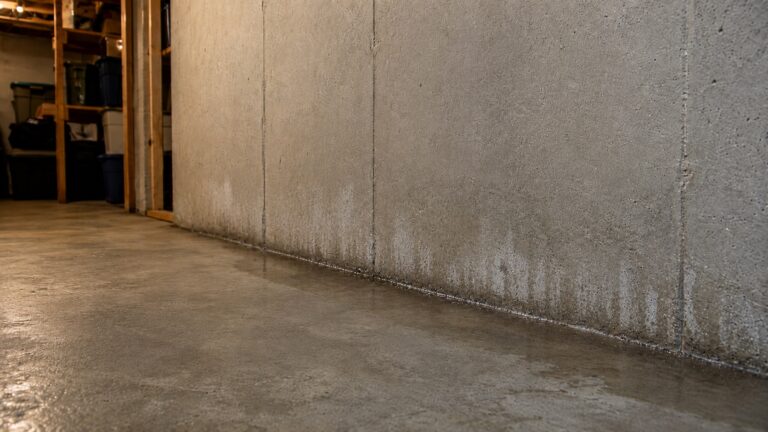
- Water stains or discoloration on wall surfaces
- Peeling or bubbling paint
- Warped drywall or plaster
- Musty or persistent odors
- Visible mold growth or surface spotting
These symptoms often correspond with early warning signs explained in signs of moisture in exterior walls. When multiple symptoms appear together, the likelihood of hidden moisture increases.
Pay close attention to areas directly below windows, along wall corners, and near ceiling intersections. These locations commonly reveal interior moisture conditions.
Inspecting Behind Furniture and Stored Items
Furniture placed against exterior walls can conceal moisture problems and restrict airflow needed for drying. Removing or temporarily shifting furniture allows hidden areas to be examined.
When inspecting behind furniture, watch for:
- Localized staining or discoloration
- Soft or damp wall surfaces
- Odors trapped behind large objects
- Mold spots forming in enclosed areas
Restricted airflow behind furniture often creates conditions where moisture remains trapped longer than expected. Even minor moisture accumulation may persist in these enclosed spaces.
Identifying Temperature Differences
Temperature differences across wall surfaces can be a clue, but they are not proof of moisture by themselves. A cool area may come from damp materials, missing insulation, air leakage, or normal temperature differences between shaded and sun-exposed walls.
To identify temperature differences:
- Place your hand against suspected wall areas
- Compare temperatures between nearby surfaces
- Check areas that feel unusually cool or damp
- Repeat checks during different weather conditions
If temperature differences are noticeable, confirming conditions using detection methods described in how to detect hidden moisture in exterior walls may help verify whether moisture is present.
How to Document Inspection Findings
Accurate documentation helps track changes and determine whether conditions are improving or worsening over time. Recording inspection results also makes it easier to communicate findings to professionals if additional evaluation becomes necessary.
Photographing Affected Areas
Photographs provide visual records that allow comparison between inspections. They also help identify gradual changes that may not be noticeable during daily observation.
When photographing damage:
- Capture wide-angle images showing overall location
- Take close-up photos of specific damage areas
- Include reference points such as windows or trim
- Repeat photographs during future inspections
Consistent documentation improves accuracy when tracking recurring moisture problems.
Recording Inspection Notes
Written notes provide additional context for visual observations. Recording details such as location, size, and severity helps identify patterns that develop over time.
Useful note-taking practices include:
- Recording the date of each inspection
- Noting weather conditions before inspection
- Describing the location of observed damage
- Tracking changes between inspections
Combining notes with photographs creates a reliable inspection record that supports long-term monitoring.
Classifying Damage Severity
Not all moisture damage requires immediate professional repair. Classifying damage severity helps determine the urgency of corrective action.
Damage severity typically falls into three categories:
- Minor damage: Small isolated cracks, light staining, or early sealant separation that should be documented and rechecked after rain.
- Moderate damage: Recurring stains, spreading discoloration, swollen trim, repeated paint failure, or siding deterioration that suggests ongoing moisture exposure.
- Severe damage: Soft sheathing or trim, visible wall deformation, widespread mold growth, crumbling materials, or damage that continues to expand.
Moderate and severe damage often indicates ongoing moisture exposure. In these situations, identifying underlying causes described in why exterior walls develop moisture problems helps determine likely sources.
When Inspection Results Require Professional Help
While many inspections can be performed independently, certain findings indicate the need for professional evaluation. Recognizing these situations helps prevent delays that may worsen damage.
Professional assessment may be necessary when:
- Damage spreads after rain or continues to grow between inspections
- Siding, trim, sheathing, drywall, or framing feels soft, swollen, crumbling, or unstable
- Moisture returns after previous caulking, painting, siding repair, or leak repair
- Mold growth appears repeatedly or covers more than a small isolated surface area
- Water stains appear on the interior side of the same exterior wall
- Electrical outlets, wiring, or service penetrations are near the suspected moisture area
Professionals use specialized tools to identify concealed moisture and evaluate structural integrity. These tools may provide additional information beyond visual inspection.
After professional evaluation, long-term prevention methods outlined in how to prevent moisture build-up in exterior walls can help reduce the likelihood of recurring damage.
Key Takeaways
- Inspect exterior walls at least seasonally and after major storms.
- Start outside, move from top to bottom, then compare findings with the matching interior wall surfaces.
- Pay closest attention to windows, doors, siding joints, roof-to-wall intersections, lower wall sections, and foundation edges.
- Use photos and notes to track whether stains, gaps, swelling, or deterioration are spreading.
- Do not rely on visual inspection alone when damage returns, materials feel soft, or interior symptoms line up with exterior defects.
- Call a professional when moisture appears structural, recurring, widespread, or close to electrical components.
FAQ About Inspecting Exterior Walls for Moisture Damage
How often should exterior walls be inspected for moisture damage?
Exterior walls should be inspected at least twice per year, typically during spring and fall. These seasonal inspections help identify damage caused by temperature changes, storms, and long-term weather exposure.
Additional inspections are recommended after severe weather events such as heavy rainfall, hail, or strong winds. If visible symptoms begin to appear, reviewing signs of moisture in exterior walls can help determine whether immediate inspection is necessary.
What tools are needed for a basic exterior wall inspection?
Most homeowner-level inspections require only simple tools. A flashlight improves visibility in shaded areas, while a camera or smartphone helps document findings. A ladder may be useful for reaching higher areas when used safely.
Moisture meters may also assist in confirming suspected conditions. However, these tools are optional for visual inspection and are explained in more detail in how to detect hidden moisture in exterior walls.
Can visual inspection detect hidden moisture damage?
Visual inspection can reveal clues that hidden moisture may be present, but it cannot prove that wall cavities are dry. Exterior stains, soft trim, repeated paint failure, cool interior wall areas, or stains on the matching indoor surface may all justify further testing.
If the same area changes after rain or continues to worsen, use moisture detection methods or professional evaluation instead of relying on appearance alone.
What signs indicate serious exterior wall damage?
Serious damage usually involves structural changes rather than surface defects alone. Indicators of severe damage include widespread staining, soft or crumbling materials, mold growth that continues to return, or visible wall deformation.
These conditions often suggest long-term moisture exposure and should be evaluated promptly to prevent further deterioration.
What should I check first after heavy rain?
After heavy rain, check roof-to-wall intersections, window and door trim, lower siding, foundation edges, and downspout discharge areas first. These locations usually show water entry, splashback, or drainage problems before the rest of the wall does.
Look for fresh stains, dirt trails, algae streaks, swollen trim, pooled water, or interior marks that line up with the exterior wall.
Conclusion: Inspect Exterior Walls Before Small Damage Spreads
Exterior wall moisture inspections work best when they follow a consistent pattern: check upper wall areas first, inspect openings and siding transitions, examine lower wall sections, then compare exterior findings with the matching interior surfaces. Document anything unusual with photos and notes so changes are easier to recognize after future storms or seasonal inspections.
If damage is spreading, materials feel soft, stains return after repairs, or indoor symptoms line up with exterior defects, visual inspection is no longer enough. Those findings usually require moisture testing, repair planning, or professional evaluation before the wall is sealed, painted, or covered again.