How to Prevent Condensation Inside Walls (Humidity and Ventilation Strategies)
Condensation inside walls happens when humid air reaches cooler surfaces inside a wall cavity and releases moisture. Because this moisture forms behind drywall, it can weaken materials, reduce insulation performance, and support mold growth before visible damage appears.
Preventing condensation inside walls requires four controls working together: stable indoor humidity, good ventilation, proper air sealing, and continuous insulation. Focusing only on visible moisture is not enough, because hidden condensation usually starts with invisible airflow and temperature problems.
This guide focuses specifically on preventing condensation inside wall cavities — not general mold cleanup or whole-house humidity reduction. For a broader room-by-room moisture inspection framework, see how to find hidden moisture in different areas of your home.
Why Condensation Forms Inside Wall Cavities
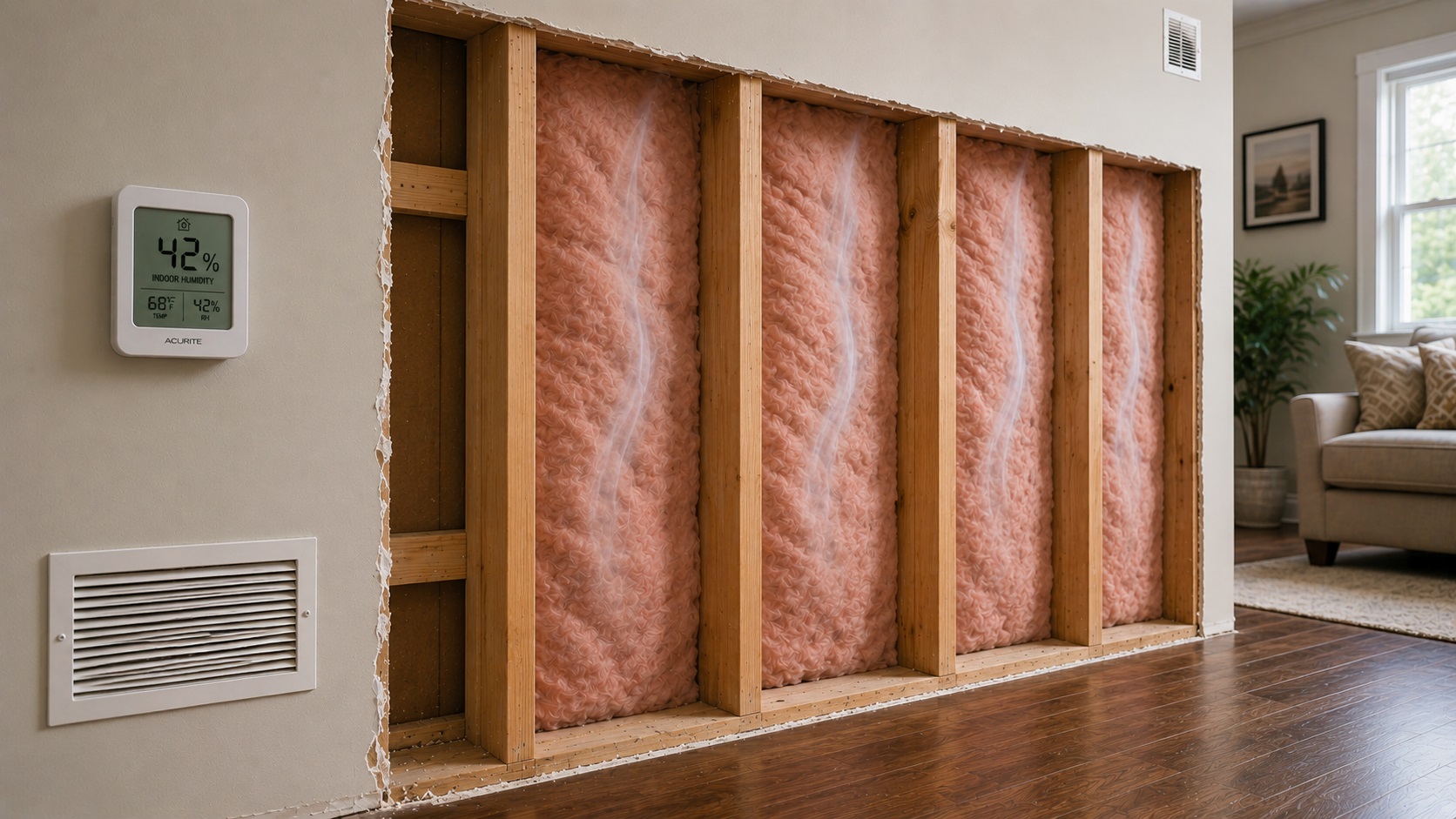
Condensation inside walls happens when warm, moisture-filled air comes into contact with colder materials inside a wall assembly. This temperature difference causes the air to release water, which collects on surfaces such as wood framing, insulation, or exterior sheathing.
This process occurs because warm air can hold more moisture than cold air. When that air cools, its ability to hold moisture decreases, forcing water vapor to turn into liquid water. Inside wall cavities, this moisture often remains trapped because airflow is limited.
The Most Common Pathway for Moisture to Enter Walls
Most wall condensation problems do not start with leaks. Instead, they begin with humid indoor air entering small openings in wall assemblies. These openings may be difficult to notice, but they allow air movement that carries moisture into enclosed spaces.
Common entry points include:
- Electrical outlets and switch boxes
- Plumbing penetrations inside walls
- Gaps around windows and door frames
- Baseboard and drywall joints
- Top and bottom plate framing gaps
- Unsealed attic or crawlspace connections
Even very small openings can allow significant amounts of humid air to move into walls over time. Air movement carries far more moisture than slow vapor diffusion through materials, making air sealing one of the most important prevention strategies.
Why Temperature Differences Inside Walls Matter
Wall assemblies naturally contain temperature differences between interior drywall, insulation, framing, and exterior sheathing. Condensation becomes more likely when humid air reaches one of the colder layers inside that assembly.
In cold weather, humid indoor air can condense when it reaches colder outer wall layers. In warm humid climates, air conditioning can cool interior surfaces enough for outdoor humidity or humid indoor air to condense in the opposite direction.
How Insulation Affects Wall Temperature Stability
Insulation helps control the temperature differences that drive wall condensation. When insulation is missing, compressed, wet, or uneven, cold zones can form inside the wall cavity.
Common insulation-related risks include:
- Missing insulation sections
- Compressed insulation batts
- Gaps between insulation materials
- Settled insulation in older walls
- Wet insulation losing thermal performance
These problems create cold zones inside wall cavities, allowing moisture to form more easily.
How Indoor Humidity Drives Hidden Wall Condensation
Indoor humidity is one of the most powerful factors influencing whether condensation forms inside walls. Even well-built wall assemblies can accumulate moisture if indoor humidity remains consistently high. Managing humidity levels is not just about comfort — it directly affects how moisture behaves inside structural materials.
Relative humidity (RH) measures how much moisture is present in the air compared to the maximum amount it can hold at a given temperature. When humidity rises, the air becomes more likely to release moisture as it cools inside wall cavities.
Safe Humidity Ranges That Reduce Condensation Risk
Maintaining balanced indoor humidity significantly reduces the chance of moisture forming inside walls. While ideal levels vary slightly by climate, most homes benefit from maintaining humidity within predictable ranges.
- Winter conditions: 30%–40% relative humidity
- Moderate climates: 35%–50% relative humidity
- Humid climates with air conditioning: 40%–50% relative humidity
Humidity levels consistently above 50% increase the likelihood that moisture will condense on cooler wall materials, especially when air leaks allow humid air to reach hidden cavities.
Monitoring humidity is one of the simplest ways to detect risk early. Use compact digital hygrometers in bathrooms, bedrooms, basements, and rooms along exterior walls, then watch for patterns above 50% RH that last for hours instead of brief spikes after showers or cooking.
How Daily Activities Increase Indoor Humidity
Many routine household activities release moisture into the air. When these activities occur without proper ventilation, humidity can accumulate quickly.
Major indoor humidity sources include:
- Showers lasting longer than 10–15 minutes
- Cooking without using range hoods
- Boiling water or simmering foods
- Indoor clothes drying without ventilation
- Humidifiers operating continuously
- Large gatherings that increase indoor moisture levels
When multiple moisture sources occur throughout the day, humidity may remain elevated long enough to create hidden condensation risks. This is especially true during colder seasons, when windows remain closed and natural ventilation decreases.
If your home frequently feels humid or shows signs like condensation on windows or musty odors, it may indicate a broader humidity imbalance. In those cases, learning how to reduce humidity throughout the home using practical moisture control methods can significantly lower condensation risk inside walls.
How Ventilation Helps Prevent Condensation Inside Walls
Ventilation removes moisture from indoor air before it can enter wall cavities. Bathroom fans, kitchen exhaust, and balanced whole-home ventilation reduce the amount of water vapor available to condense inside hidden wall spaces.
Bathroom Ventilation and Wall Moisture Prevention
Bathrooms generate large amounts of moisture in short periods of time. Without effective ventilation, humidity from showers spreads into adjacent walls and nearby rooms.
Bathroom ventilation reduces condensation risk by:
- Removing moisture immediately after showers
- Preventing humidity buildup inside wall cavities
- Reducing the likelihood of long-term moisture retention
Run the bathroom exhaust fan during showers and for at least 15–20 minutes afterward. If mirrors, windows, or walls stay damp after that, the fan may be undersized, blocked, venting poorly, or not being used long enough.
Kitchen Ventilation and Cooking Moisture Control
Cooking releases moisture into the air through steam and boiling liquids. Without ventilation, this moisture spreads through the home and raises overall humidity levels.
Using range hoods while cooking helps prevent moisture from accumulating inside walls. This is especially important in kitchens located along exterior walls, where cold surfaces increase condensation risk.
Whole-Home Ventilation Systems
Some homes benefit from mechanical ventilation systems designed to maintain balanced humidity levels. These systems help regulate airflow throughout the house and reduce moisture buildup.
Examples of mechanical ventilation include:
- Heat recovery ventilators (HRVs)
- Energy recovery ventilators (ERVs)
- Continuous low-speed exhaust systems
These systems are particularly helpful in tightly sealed homes where natural airflow is limited. If indoor humidity still stays high, recommended dehumidifier settings that help prevent moisture buildup can support the ventilation strategy and keep wall condensation risk lower.
Why Air Sealing Is Critical for Preventing Wall Condensation
Air leaks are one of the most important contributors to condensation inside walls because moving air can carry moisture directly to colder hidden surfaces. Preventing condensation requires sealing the pathways that let humid air enter wall cavities.
Common Air Leak Locations Inside Homes
Start with the most common air leak locations on exterior walls and near moisture-heavy rooms:
- Electrical outlets on exterior walls
- Plumbing penetrations under sinks
- Attic access panels
- Window and door trim gaps
- Baseboard and drywall junctions
- Utility wiring entry points
Sealing these gaps reduces the amount of humid air entering wall cavities and lowers condensation risk.
In some cases, persistent moisture movement may already be occurring behind surfaces. If there is uncertainty about existing moisture, learning how moisture can be detected without opening walls can help confirm whether preventive steps are still sufficient.
How Insulation Helps Prevent Wall Condensation
Insulation and airflow work together to control temperature differences inside wall assemblies. When insulation is properly installed and airflow is controlled, wall surfaces remain more stable in temperature, reducing the chance that moisture will condense inside hidden cavities.
Many condensation problems occur not because insulation is completely missing, but because it is uneven, damaged, or poorly fitted. Small gaps in insulation create localized cold zones that allow condensation to form repeatedly.
How Insulation Reduces Condensation Risk
Insulation slows heat transfer between indoor and outdoor environments. This helps maintain warmer interior surfaces during cold weather and prevents cold zones from forming inside walls.
Effective insulation reduces condensation risk by:
- Keeping interior wall surfaces warmer in winter
- Reducing cold spots inside wall cavities
- Maintaining stable temperatures across wall layers
- Limiting the formation of dew point conditions inside walls
However, insulation must remain dry and properly positioned to function effectively. Wet insulation loses thermal performance and may trap moisture, increasing the likelihood of long-term damage.
Common Insulation Problems That Increase Condensation Risk
Several insulation-related issues can create conditions where condensation becomes more likely.
- Missing insulation sections inside wall cavities
- Compressed insulation caused by wiring or plumbing
- Settled insulation in older homes
- Gaps between insulation batts
- Insulation damaged by previous moisture exposure
These defects create temperature differences that allow moisture to form inside walls. Over time, repeated condensation cycles can saturate materials and increase the risk of mold growth.
If insulation has already been exposed to moisture, it should not be treated as a simple humidity problem. Damp insulation can lose thermal performance, hold moisture against framing, and require inspection before the wall is closed or painted.
High-Risk Areas Where Wall Condensation Often Develops
Some wall areas are more vulnerable because they combine high humidity, colder surfaces, or poor airflow. Monitoring these risk zones helps catch condensation conditions before hidden moisture damage becomes severe.
Exterior Walls Facing Cold Outdoor Conditions
Exterior walls are especially vulnerable because they are directly exposed to outdoor temperature changes. During cold weather, these walls develop cold surfaces inside the wall cavity.
Common high-risk locations include:
- North-facing exterior walls in colder climates
- Walls with limited sunlight exposure
- Walls adjacent to unheated garages
- Walls connected to crawlspaces or unfinished basements
These surfaces often experience greater temperature differences, making them more susceptible to condensation.
Walls Near Bathrooms and Kitchens
Moisture-heavy rooms generate humidity that can migrate into nearby wall assemblies. Even with ventilation, repeated moisture exposure increases the likelihood of condensation forming inside surrounding walls.
High-risk areas include:
- Walls adjacent to showers and tubs
- Kitchen exterior walls near cooking appliances
- Walls surrounding laundry rooms
- Shared walls between bathrooms and bedrooms
When these areas experience persistent humidity exposure, moisture movement into wall cavities becomes more likely.
Walls Around Windows and Door Frames
Window and door openings often contain small air gaps that allow humid air to move into surrounding wall cavities. These locations frequently experience temperature differences due to glass exposure and framing materials.
Condensation near windows can also signal broader humidity problems that affect nearby wall assemblies. If condensation regularly appears on windows, reviewing methods for lowering indoor humidity throughout the home may help prevent moisture from spreading into adjacent walls.
Practical Ways to Prevent Condensation Inside Walls
Preventing condensation inside walls works best when you reduce the moisture supply, improve ventilation, seal air leaks, and keep wall temperatures stable. No single step solves every wall condensation problem.
Maintain Stable Indoor Humidity Levels
Keeping indoor humidity within safe ranges reduces the amount of moisture available to condense inside wall cavities. Even modest reductions in humidity can significantly lower condensation risk.
Helpful humidity control practices include:
- Using exhaust fans during showers and cooking
- Avoiding extended indoor clothes drying
- Limiting humidifier use during mild weather
- Monitoring humidity levels regularly
- Running dehumidifiers when humidity rises above safe levels
Consistent humidity management prevents moisture from accumulating inside enclosed wall spaces.
Seal Air Leaks That Allow Moisture Movement
Air sealing prevents humid indoor air from entering wall cavities where condensation can occur. Many air leaks are small and difficult to detect without careful inspection.
Common sealing improvements include:
- Sealing gaps around outlets and switches
- Applying sealant around plumbing penetrations
- Closing gaps around window and door trim
- Sealing attic access openings
- Repairing damaged weather barriers
Reducing air movement into wall assemblies helps limit the moisture supply that drives condensation cycles.
Maintain Proper Insulation Coverage
Insulation maintenance plays a key role in preventing temperature-driven condensation. Regular inspections help identify missing or damaged insulation before problems escalate.
Important insulation practices include:
- Replacing insulation damaged by moisture
- Correcting gaps or compression in insulation batts
- Ensuring insulation remains evenly distributed
- Inspecting insulation after renovation or repairs
Maintaining insulation continuity helps stabilize temperatures inside walls and reduces condensation potential.
Mistakes That Make Hidden Wall Condensation Worse
Many homeowners unintentionally increase condensation risk by focusing only on visible moisture while ignoring hidden conditions inside wall assemblies. Certain habits and repair decisions can worsen moisture movement, even when they seem helpful on the surface.
Ignoring Persistent Indoor Humidity
Humidity that remains elevated day after day creates ongoing moisture pressure inside a home. When humidity problems are ignored, moisture continues moving into wall cavities until condensation cycles become routine.
Common warning signs of excessive humidity include:
- Frequent condensation on windows
- Musty odors appearing during cold weather
- Walls that feel cold or damp to the touch
- Recurring moisture stains that appear seasonally
When these symptoms appear, delaying action increases the likelihood that hidden wall moisture will develop.
Blocking Airflow in High-Moisture Areas
Furniture placement and room layout can affect airflow patterns. When airflow is restricted, moisture tends to accumulate in stagnant areas, increasing the risk of localized condensation.
Situations that restrict airflow include:
- Large furniture placed tightly against exterior walls
- Closed interior doors that trap humid air
- Blocked vents or return air pathways
- Heavy curtains covering ventilation outlets
Maintaining open airflow pathways helps reduce localized humidity buildup.
Using Insulation Without Proper Air Sealing
Installing insulation without sealing air leaks can allow humid air to move behind insulation layers. This traps moisture inside wall cavities and increases condensation risk.
Insulation improvements should always be paired with air sealing to prevent hidden moisture movement.
When to Check for Hidden Moisture Inside Walls
Even with preventive measures in place, periodic inspections help confirm that condensation is not developing unnoticed. Early identification of moisture patterns allows homeowners to intervene before structural damage occurs.
Inspection may be helpful when:
- Humidity levels frequently exceed recommended ranges
- Musty odors appear without visible mold
- Seasonal moisture patterns repeat each year
- Interior surfaces show unexplained discoloration
- Past moisture problems occurred in nearby rooms
Important: Do not paint, seal, or re-insulate a wall area that still smells musty, feels damp, shows recurring stains, or has unknown moisture readings. Covering the surface before the moisture source is corrected can trap condensation inside the wall cavity.
In situations where symptoms are unclear, non-invasive detection methods can help confirm whether moisture is present. Learning how moisture can be detected without removing drywall provides useful guidance for identifying hidden risks before extensive repairs are required.
When to Call a Professional
Some condensation problems require professional assessment, especially when moisture patterns persist despite preventive efforts. Professional inspections help identify underlying causes that may not be visible during routine homeowner checks.
Professional evaluation may be necessary when:
- Musty odors remain after humidity improvements
- Moisture damage reappears after repairs
- Insulation repeatedly becomes damp
- Wall materials feel soft or deteriorated
- Mold growth develops despite preventive measures
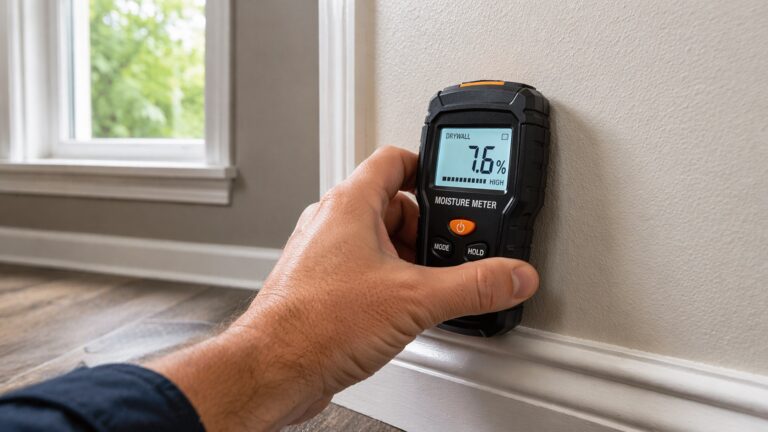
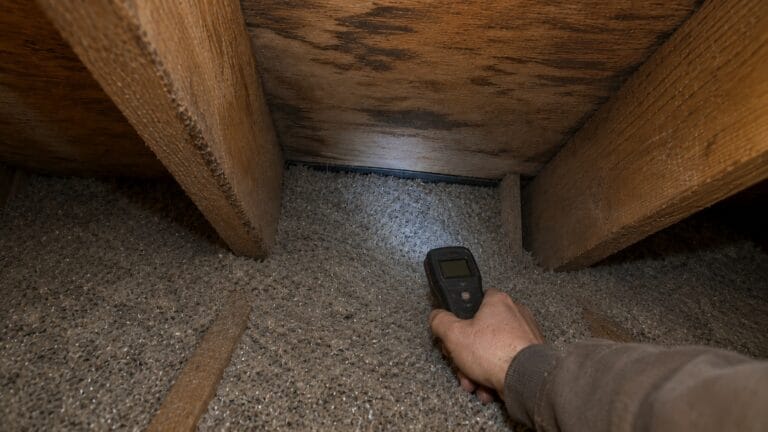
Professionals may use moisture meters, thermal imaging, cavity inspection, and building-envelope evaluation to confirm whether the problem is condensation, leakage, missing insulation, or air movement through the wall assembly.
When mold has already developed, address the moisture source before cleaning or covering the area. For cleanup guidance, see how to remove mold permanently, but correct the humidity, airflow, insulation, or air-sealing problem that allowed the wall cavity to stay damp.
Frequently Asked Questions About Preventing Condensation Inside Walls
Can condensation really form inside walls?
Yes. Condensation forms when humid air cools inside wall cavities and releases moisture. Because this process happens behind drywall, it often goes unnoticed until symptoms such as odors or discoloration appear.
What humidity level helps prevent wall condensation?
Most homes benefit from maintaining humidity between 30% and 50% relative humidity. Levels consistently above 50% increase the likelihood of condensation inside walls, particularly during cold weather.
Can poor ventilation cause condensation inside walls?
Yes. Without proper ventilation, humidity accumulates indoors and increases the amount of moisture available to condense inside wall cavities. Ventilation removes moisture before it can migrate into enclosed spaces.
Does insulation alone stop condensation inside walls?
No. Insulation reduces temperature differences but must be combined with air sealing and humidity control to prevent condensation effectively.
Is condensation inside walls the same as a plumbing leak?
No. Plumbing leaks usually produce visible moisture and water damage, while condensation develops gradually due to humidity and temperature differences.
Can condensation inside walls lead to mold growth?
Yes. Repeated condensation cycles create damp conditions that support mold growth. Mold may develop long before visible damage appears on wall surfaces.
Final Prevention Checklist for Wall Condensation
To prevent condensation inside walls, keep indoor humidity in a safe range, use bathroom and kitchen ventilation consistently, seal air leaks into wall cavities, maintain continuous dry insulation, and investigate recurring musty odors, stains, or damp surfaces before covering them. Condensation problems usually develop slowly, so early humidity control and targeted air sealing are the best ways to protect wall systems before hidden damage becomes severe.