
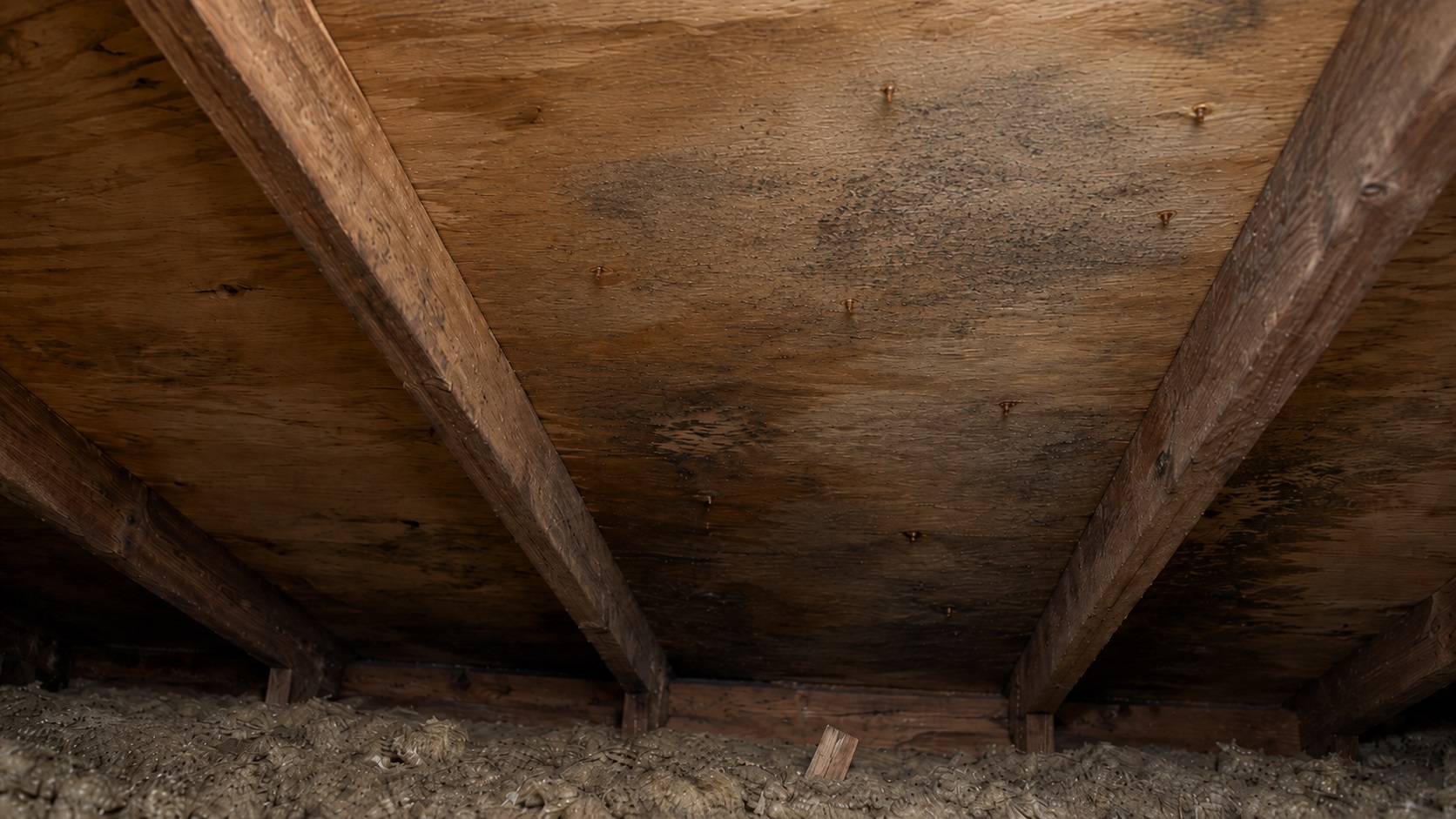
Why Roof Condensation Causes Mold Growth in Attics
Mold growth inside attic spaces often appears even when the roof is not leaking. One common reason is repeated roof condensation: warm, moisture-heavy indoor air reaches cold roof surfaces, turns into liquid water or frost, and keeps attic materials damp long enough for mold to grow.
Understanding why roof condensation causes mold growth helps homeowners see why small moisture cycles can become a serious attic problem. Mold does not need a major leak to begin. It needs repeated moisture, slow drying, and a surface such as roof sheathing, rafters, or dusty insulation where spores can settle.
If you have already noticed moisture, frost, dark staining, or musty odors inside your attic, reviewing signs of roof condensation in attics can help confirm whether condensation patterns are present.
How Roof Condensation Creates Mold-Friendly Conditions
Roof condensation creates mold-friendly conditions by repeatedly wetting attic surfaces that should normally stay dry.
Condensation typically forms when warm, moisture-laden indoor air rises into the attic and contacts cold roof surfaces. As the air cools, water vapor turns into liquid droplets that settle on wood, metal, and insulation surfaces.
These droplets may appear harmless at first, but repeated cycles of moisture formation create persistent dampness. Over time, surfaces that remain damp long enough allow mold spores to settle and begin developing colonies.
Moisture Persistence Is the Key Factor
The presence of moisture alone does not automatically cause mold growth. The critical factor is how long surfaces remain damp. A single condensation event that dries quickly may not cause a problem, but daily or nightly condensation can keep wood and insulation damp long enough for mold spores to settle and grow.
Temperature Differences Drive Repeated Moisture Cycles
Temperature differences between indoor air and outdoor roof surfaces create ongoing condensation cycles. During cold nights, roof sheathing becomes significantly cooler than indoor air, increasing the likelihood of moisture formation.
When morning temperatures rise, frost or moisture melts, temporarily wetting attic materials. Although surfaces may dry partially during the day, the next cold cycle often repeats the process.
These repeated wetting and drying cycles gradually increase moisture content in wood surfaces, allowing mold growth to develop over time.
This is different from a one-time patch of attic moisture after an unusual cold snap. The mold risk rises when the same roof areas keep showing dampness, frost, staining, or musty odor through repeated weather cycles.
Moisture Trapped in Materials Extends Drying Time
Wood and insulation materials absorb moisture rather than releasing it immediately. Once moisture enters these materials, drying may take longer than expected — especially when airflow is limited.
As moisture becomes trapped inside materials, surfaces remain damp for extended periods. This prolonged dampness creates ideal conditions for mold spores to establish colonies and spread.
Understanding how condensation cycles behave is especially important when investigating attic moisture. If you suspect condensation but are unsure how to confirm it, learning how to detect roof condensation problems can help verify whether moisture patterns support mold development.
Why Roof Sheathing Is Especially Vulnerable to Mold Growth
Roof sheathing is one of the most common attic surfaces affected by condensation-related mold. Because it forms the underside of the roof deck, it closely follows outdoor temperature changes and often becomes one of the coldest surfaces in the attic.
Wood Fibers Retain Moisture Easily
Most roof sheathing materials are made from wood-based products such as plywood or oriented strand board (OSB). These materials contain organic fibers that absorb and hold moisture.
When condensation forms repeatedly, wood fibers gradually absorb water. Even when surfaces appear dry, moisture may remain trapped within the material.
This hidden moisture allows mold spores to remain attached to wood fibers long enough to begin growth.
Wood also gives mold a better attachment surface than smooth metal or plastic, which is why condensation on roof sheathing is more concerning than brief moisture on nonporous materials.
Shaded Areas Dry More Slowly
Attic roof sheathing often remains shaded from sunlight, which slows evaporation. Limited airflow further reduces drying speed, especially in areas with restricted ventilation.
These slower drying conditions increase the amount of time moisture remains available for mold growth.
If dark staining or spotting begins appearing on roof boards, reviewing signs of condensation on roof sheathing can help determine whether moisture patterns match typical condensation behavior.
How Repeated Moisture Cycles Accelerate Mold Growth
Mold growth caused by roof condensation rarely begins with a single moisture event. Instead, it develops through repeated wetting cycles that gradually increase moisture levels inside attic materials. Each condensation cycle adds a small amount of moisture, and over time, these small amounts accumulate into conditions that support mold development.
Understanding how repeated moisture cycles behave helps explain why mold growth often appears months after condensation problems first begin.
Daily Condensation Cycles Create Long-Term Moisture Exposure
In many attics, condensation follows a daily pattern. Roof surfaces cool at night, warm indoor air reaches those cold surfaces, and water vapor condenses into droplets or frost. During the day, some moisture evaporates, but some remains inside wood fibers or insulation. When the cycle repeats, moisture gradually builds even if the surface looks dry for part of the day.
In cold climates, frost that melts during the day can make this wetting cycle more noticeable and may leave dark spotting along cold roof surfaces.
Partial Drying Between Cycles Still Allows Mold Development
Some homeowners believe that daytime drying prevents mold growth. However, partial drying does not eliminate risk if surfaces become wet again before completely drying.
Mold spores require consistent moisture exposure over time, not constant standing water. Even intermittent dampness can support mold development when cycles repeat frequently.
This explains why mold often develops slowly and appears unexpectedly after several months of recurring condensation.
Why Rafters and Framing Also Support Mold Growth
While roof sheathing is the most common mold location, structural framing components such as rafters and trusses can also support mold development. These materials experience many of the same moisture conditions as roof sheathing.
Condensation forming on nearby surfaces can transfer moisture to framing members through dripping or vapor movement.
Framing Materials Absorb Moisture From Nearby Surfaces
Wood framing located beneath roof sheathing often becomes damp when condensation drips downward. Even small amounts of dripping moisture can accumulate over time, gradually increasing moisture content in framing materials.
Framing members located near blocked airflow areas are especially vulnerable because moisture remains trapped longer.
Mold Often Follows the Wood Grain on Rafters
Like roof sheathing, rafters and trusses contain rough wood fibers that allow mold spores to attach easily. Once moisture remains present, mold growth can spread across these surfaces in irregular patterns.
Common early signs include:
- Small dark speckles forming along wood grain
- Patchy discoloration near joints or corners
- Musty odors developing near framing areas
- Localized spotting that spreads gradually
If spotting expands across framing materials, condensation cycles are likely continuing without interruption.
Restricted Airflow Increases Framing Moisture Risk
Framing near blocked airflow paths often stays damp longer, which is why mold may appear first near soffit blockages, dead-air pockets, or poorly ventilated roof sections.
If mold appears primarily in specific areas, checking airflow-related symptoms such as signs of poor attic ventilation may help identify contributing conditions.
How Insulation Influences Mold Development From Condensation
Insulation does not directly feed mold, but it plays a major role in moisture behavior inside attic spaces. Wet insulation slows drying and allows humidity to remain trapped near roof surfaces.
Because insulation surrounds framing and roof materials, moisture retained in insulation often affects nearby surfaces as well.
Wet Insulation Extends Moisture Exposure Time
When condensation drips onto insulation, water becomes trapped within fibers. Unlike exposed wood surfaces that may dry quickly, insulation retains moisture longer.
This extended moisture retention creates an environment where nearby wood materials remain damp longer than expected.
As moisture persists, mold spores that settle on surrounding materials find suitable conditions for growth.
Compressed Insulation Reduces Temperature Protection
Wet insulation often becomes compressed or matted. This compression reduces its ability to regulate temperature differences between living spaces and attic air.
When insulation loses effectiveness, roof surfaces cool more rapidly. Colder surfaces increase condensation risk, which in turn increases moisture exposure.
This cycle reinforces mold development by maintaining conditions that support repeated condensation.
Uneven Insulation Creates Localized Mold Zones
Gaps or thin insulation coverage create cold spots where condensation forms more frequently. These localized moisture zones often correspond to the earliest mold growth areas.
If insulation coverage varies across attic surfaces, mold patterns may appear irregular rather than evenly distributed.
Understanding these localized patterns helps explain why mold sometimes appears in specific attic areas rather than across the entire roof structure.
How Humidity Levels Influence Mold Growth From Roof Condensation
Indoor humidity affects both how much condensation forms and how long attic materials stay damp. The more moisture the rising indoor air carries, the more water can collect on cold roof surfaces.
Indoor Moisture Sources Increase Mold Risk
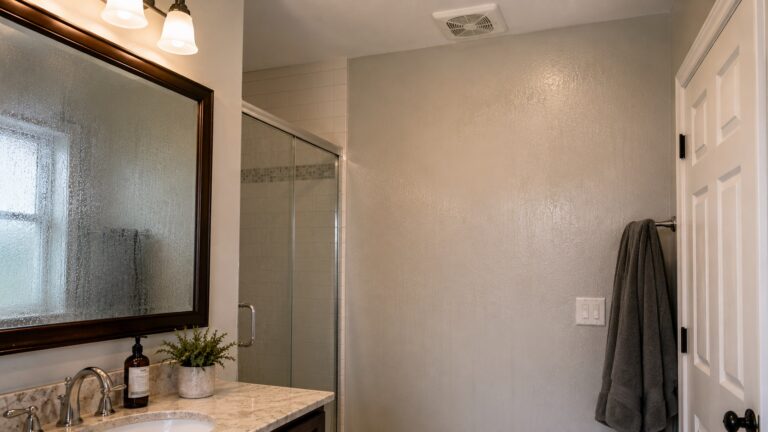
Showers, cooking, laundry, humidifiers, indoor plants, dryer leaks, and unvented appliances can all add moisture to indoor air. When that air leaks into the attic, it gives cold roof surfaces more water vapor to condense.
Humidity That Remains Trapped Allows Mold to Spread
Humidity becomes particularly dangerous when it remains trapped inside attic spaces. Without sufficient air movement, moisture lingers and slows drying times across roof materials.
Persistent humidity increases mold risk because:
- Wood surfaces remain damp longer
- Moisture accumulates in insulation layers
- Air circulation slows evaporation
- Temperature differences increase condensation frequency
These conditions allow mold colonies to expand once growth begins.
High Humidity Shortens Mold Development Time
High indoor humidity can shorten the time between condensation and visible mold because attic materials dry more slowly and stay damp through more of the day.
Why Some Homes Develop Mold Faster Than Others
Two attics can have similar condensation, but mold may develop faster in the one that dries more slowly. Ventilation, insulation coverage, air leaks, indoor humidity, and climate all affect how long attic materials stay damp.
Understanding these differences helps explain why mold may appear in one home but not in another with similar conditions.
Ventilation Limitations Increase Moisture Retention
Homes with restricted attic airflow hold moisture longer. Blocked soffit vents, misplaced insulation, debris, or poor vent layout can slow drying and allow condensation to keep returning in the same areas.
Because ventilation diagnosis is a separate topic, review signs of poor attic ventilation if mold appears mainly near blocked airflow paths or poorly ventilated roof sections.
Insulation Quality Affects Condensation Behavior
Insulation thickness and placement influence how quickly roof surfaces cool. Thin or uneven insulation allows heat to escape rapidly, increasing temperature differences between indoor air and roof surfaces.
Greater temperature differences increase condensation formation, which supports repeated moisture exposure and mold development.
Homes with uneven insulation often develop localized mold patterns that correspond to colder roof areas.
Climate Conditions Influence Moisture Exposure
Regional climate patterns play a significant role in mold development. Cold climates increase temperature differences that promote condensation, while humid climates provide higher moisture levels in indoor air.
Homes located in regions with frequent temperature fluctuations or high humidity often experience more persistent condensation cycles.
These environmental conditions increase the likelihood that mold will develop if moisture remains unmanaged.
How Condensation-Related Mold Usually Progresses
Mold growth from roof condensation usually appears gradually. Early signs may include light spotting on wood, faint musty odors, or slight darkening along nail lines. These signs often mean moisture has been returning long enough for small colonies to begin forming.
As condensation continues, spotting may spread across roof sheathing, rafters, or areas near cold surfaces. Darker stains, stronger odors, and larger patches suggest the attic has moved beyond a minor condensation issue.
Some dark areas may be old staining rather than active growth, but recurring dampness, spreading spots, or musty odor make ongoing moisture more likely.
Extensive mold growth, widespread darkening, or softening wood should be treated as a more serious moisture problem because the dampness supporting the mold may also be affecting roof materials.
Long-Term Risks of Mold Growth From Roof Condensation
When mold growth develops from repeated roof condensation, the long-term risks extend beyond surface staining. Mold colonies continue expanding as long as moisture remains available. Over time, this growth can affect building materials, indoor air quality, and the overall durability of the roof structure.
Many homeowners initially view mold as a cosmetic issue, but persistent biological growth often signals deeper moisture problems that can gradually weaken structural components.
Structural Materials Can Weaken Over Time
Wood materials exposed to repeated moisture cycles gradually lose strength. Mold growth itself does not immediately destroy wood, but the moisture that supports mold also weakens wood fibers.
As wood remains damp, it becomes more vulnerable to deterioration. Over extended periods, structural components such as roof sheathing and rafters may begin to soften or lose rigidity.
If moisture exposure continues without correction, wood materials may require repair or replacement. For a broader look at how moisture, ventilation problems, material aging, and roof defects interact, review common roofing material failures.
Mold Growth Can Spread to Adjacent Areas
Mold colonies rarely remain confined to a single location. As spores spread through airflow, nearby surfaces may become contaminated if moisture remains present.
Common spread pathways include:
- Air movement through attic spaces
- Transfer through insulation materials
- Moisture migration along framing components
- Air leakage into living areas
Once mold spreads beyond initial growth areas, remediation becomes more complex. Early recognition of condensation-driven mold development reduces the likelihood of widespread contamination.
Indoor Air Quality Can Be Affected
Persistent mold growth inside attic spaces can influence indoor air quality. Air leakage pathways between the attic and living areas allow mold spores to circulate throughout the home.
Homeowners may notice:
- Persistent musty odors inside living spaces
- Increased allergy-like symptoms
- Recurring respiratory irritation
- Reduced indoor air comfort
These conditions highlight the importance of addressing condensation problems before mold spreads into occupied areas.
Insulation Performance May Decline
Mold growth often coincides with insulation damage. When insulation remains damp, its ability to regulate temperature decreases, allowing additional condensation to occur.
Reduced insulation performance can create uneven temperatures and cold spots, reinforcing moisture cycles and supporting continued mold development.
Understanding the link between condensation and insulation behavior helps explain why repeated moisture problems often worsen over time.
Safety note: Avoid disturbing large mold areas in an attic without proper protection. If mold covers a large area, insulation is wet, wood feels soft, or the attic has strong musty odors, stop DIY inspection and consider professional evaluation before cleanup.
How Condensation-Driven Mold Growth Connects to Prevention
Once mold is connected to recurring condensation, the next step is to stop the moisture cycle. That usually means reducing indoor humidity reaching the attic, improving airflow, correcting insulation problems, and addressing any air leaks that carry warm moist air upward.
For the prevention side of this topic, see how to prevent roof condensation before mold spreads across attic materials.
FAQ: Why Roof Condensation Causes Mold Growth
How quickly can attic mold grow from repeated roof condensation?
Attic mold usually does not grow from one brief condensation event. The risk rises when roof sheathing, rafters, or insulation stay damp through repeated day-night cycles over several days or weeks. The timeline depends on humidity, temperature, airflow, and drying speed.
Does mold always mean there is a roof leak?
No. Mold often develops from condensation rather than exterior leaks. Repeated moisture cycles caused by indoor humidity can create conditions that support mold growth even when the roof remains structurally sound.
Can attic mold from roof condensation spread beyond the roof sheathing?
Yes. If condensation continues, mold can spread from roof sheathing to rafters, trusses, insulation surfaces, or nearby attic materials. Spread is more likely where airflow is restricted and materials remain damp.
Is mold from condensation different from mold caused by leaks?
The mold itself is not necessarily different, but the source of moisture differs. Leak-related mold usually originates from exterior water intrusion, while condensation-related mold develops from repeated humidity exposure inside the attic.
Will mold stop growing if condensation stops?
Mold growth slows or stops when moisture is removed, but existing colonies may remain until cleaned or remediated. Eliminating condensation prevents further growth but does not remove existing mold.
Why does attic mold from condensation often appear after winter?
Winter creates stronger temperature differences between warm indoor air and cold roof surfaces. Condensation or frost may form repeatedly, then melt and wet roof sheathing as temperatures rise. By the end of the season, staining or mold may become easier to see.
Conclusion: Condensation Mold Starts With Repeated Moisture
Roof condensation causes attic mold because it repeatedly wets materials that should stay dry. When roof sheathing, rafters, insulation, or framing remain damp through recurring moisture cycles, mold has the moisture and surface conditions it needs to grow.
If mold growth appears alongside recurring condensation symptoms, review common signs of roof condensation in attics and address the moisture source before the problem spreads across attic materials.
One Comment
Comments are closed.