
Why Baseboards Trap Moisture
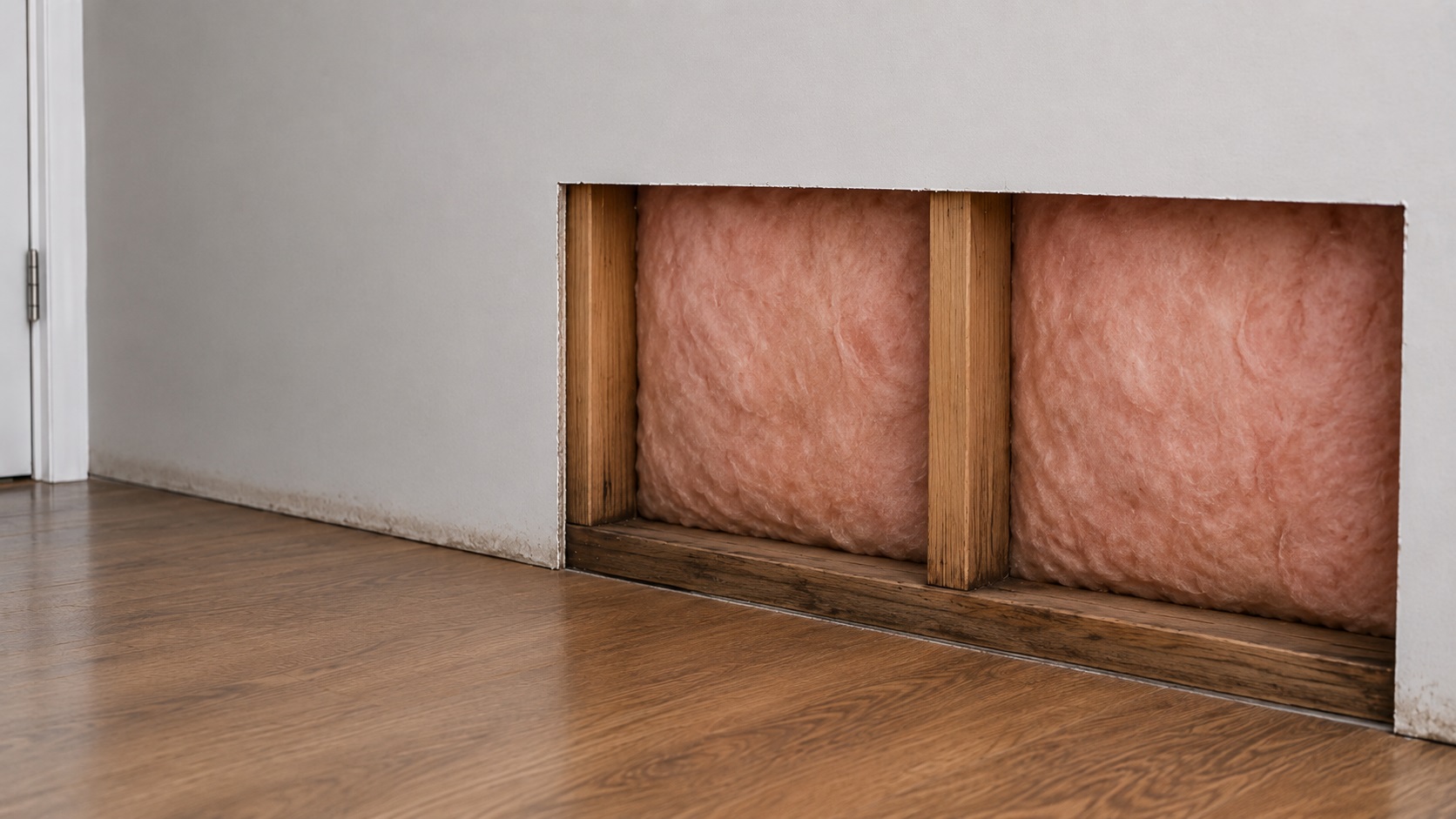
Baseboards trap moisture because they sit at the lowest part of the wall, cover small gaps where air cannot circulate well, and touch materials that absorb water. When leaks, condensation, spills, or flooring moisture reach the floor-wall joint, the trim can hide damp drywall edges, wood fibers, dust, and flooring seams that dry much more slowly than open surfaces.
This is why baseboard moisture often appears after the visible wall or floor seems dry. Gravity moves water downward, capillary action pulls moisture into porous materials, and restricted airflow behind trim slows evaporation. The result is a narrow hidden zone where dampness can persist long enough to cause staining, swelling, odors, mold risk, or recurring moisture problems.
This article explains why baseboards trap moisture in the first place. For a broader room-by-room inspection path, start with how to find hidden moisture in different areas of your home. If staining or swelling is already visible near trim, use how to detect moisture behind baseboards to check whether dampness is present behind the surface.
How Moisture Moves Inside Walls
Moisture inside walls follows consistent physical patterns. It travels through building materials in response to gravity, air pressure, temperature changes, and material absorption properties. Once moisture enters a wall system, it rarely remains in its original location. Instead, it moves until it reaches an area where it becomes trapped.
These movement patterns make the lower wall edge a natural collection point.
Gravity Drives Moisture Toward the Bottom of Walls
One of the most important factors influencing moisture movement is gravity. Water introduced into walls — whether from leaks, condensation, or flooding — naturally moves downward. As moisture travels, it follows the path of least resistance through porous materials such as drywall and wood.
As a result, moisture introduced anywhere along a wall often settles near the floor level. This concentration effect makes baseboards one of the most common locations for hidden moisture accumulation.
Common sources of gravity-driven moisture include:
- Roof or plumbing leaks traveling downward through wall cavities
- Condensation forming along upper wall surfaces
- Water intrusion from windows or exterior walls
- Spills, flooding, or wet flooring affecting the lower wall edge
Once moisture reaches the lowest portion of the wall, it often remains trapped behind baseboards due to restricted airflow and material absorption.
Capillary Action Pulls Moisture Into Materials
In addition to gravity, moisture moves through materials by capillary action. Capillary action occurs when porous materials absorb water and pull it inward through tiny internal channels. This process allows moisture to spread even when it does not appear to be flowing visibly.
Materials commonly affected by capillary action include:
- Drywall paper layers
- Wood trim and framing components
- Flooring materials near wall edges
- Dust and debris trapped behind trim
Capillary action allows moisture to migrate into hidden areas where it becomes difficult to detect. Over time, absorbed moisture may remain trapped behind baseboards even after visible surfaces appear dry.
Air Movement Transports Moisture Vapor
Moisture does not only move as liquid water. Water vapor travels through air spaces inside walls and can condense when it contacts cooler surfaces. This vapor movement allows moisture to reach baseboard areas even when no direct liquid water source is present.
Vapor movement often occurs due to:
- Indoor humidity fluctuations
- Temperature differences between indoor and outdoor environments
- Poor ventilation in enclosed spaces
- Seasonal climate changes
When vapor condenses behind baseboards, it introduces moisture into concealed areas that are slow to dry.
Why Moisture Collects at Floor Level
The lowest portion of the wall naturally becomes a collection point for moisture due to the combined effects of gravity, airflow patterns, and surface temperature differences. Baseboards are installed directly at this location, making them a barrier between visible surfaces and hidden moisture pathways.
Several environmental factors contribute to moisture concentration near the floor-wall junction.
Temperature Differences Encourage Condensation
Cool surfaces near floor level often encourage condensation formation. When warm indoor air contacts cooler wall surfaces, moisture vapor condenses into liquid water. This process occurs most frequently along exterior walls or in poorly insulated areas.
Conditions that encourage condensation include:
- Cold exterior wall surfaces
- High indoor humidity levels
- Seasonal temperature fluctuations
- Insufficient insulation near wall edges
Repeated condensation cycles introduce small amounts of moisture into concealed areas, gradually increasing the likelihood of trapped moisture behind baseboards.
Floor Materials Contribute to Moisture Retention
Flooring materials located next to baseboards often retain moisture longer than vertical wall surfaces. When water accumulates on floors, it may migrate into adjacent wall materials through seams and joints.
Common flooring-related moisture sources include:
- Water spills left near wall edges
- Mopping practices that leave residual moisture
- Flooding events affecting flooring materials
- Moisture rising through concrete slabs
Once moisture enters flooring edges, it may travel upward into baseboards through capillary action.
Low Airflow Zones Form Near Floor Edges
Air movement near the floor is typically weaker than airflow at higher elevations. Furniture placement, wall design, and trim installation create stagnant air zones where moisture evaporates more slowly.
Reduced airflow contributes to:
- Longer drying times
- Increased moisture retention
- Higher risk of mold growth
- Recurring damp conditions
These low-airflow zones allow moisture to persist behind baseboards even after surrounding areas appear dry.
How Baseboards Block Airflow
One of the primary reasons baseboards trap moisture is their ability to restrict airflow along the lower wall edge. While baseboards serve a decorative and protective function, their design creates a narrow enclosed space between the trim and the wall surface. This hidden space limits the natural air movement needed to dry moisture effectively.
When airflow becomes restricted, moisture remains trapped longer than expected. This extended drying time increases the likelihood of mold growth and structural damage.
The Hidden Gap Behind Baseboards
Most baseboards are installed with a small gap between the back of the trim and the wall surface. This space forms naturally due to slight wall irregularities and installation techniques. Although the gap may be small, it creates a hidden pocket where moisture can accumulate.
Moisture enters these gaps through:
- Condensation forming along cooler wall surfaces
- Water migrating from flooring edges
- Vapor movement from humid indoor air
- Leaks occurring inside wall cavities
Once moisture enters this concealed space, limited airflow prevents rapid evaporation. This condition allows dampness to remain for extended periods.
Airflow Restriction Caused by Trim Design
Baseboards extend slightly outward from the wall, creating a shadowed area that reduces direct air exposure. This design blocks natural air circulation that would otherwise help dry moisture along the lower wall surface.
Airflow restriction leads to:
- Slower moisture evaporation
- Persistent damp conditions
- Higher likelihood of mold growth
- Extended drying times after water exposure
Even minor airflow limitations significantly affect drying efficiency near the baseboard level.
Furniture Placement Increases Airflow Blockage
Furniture placed directly against walls further restricts airflow near baseboards. When large objects block circulation, moisture remains trapped behind furniture and trim.
Common airflow restrictions include:
- Large cabinets placed flush against walls
- Storage units covering baseboard sections
- Furniture positioned tightly against exterior walls
- Curtains or wall coverings limiting air movement
These conditions increase moisture retention and contribute to long-term dampness behind baseboards.
How Materials Absorb and Hold Moisture
Building materials located near baseboards naturally absorb moisture due to their porous structure. Once absorbed, moisture remains trapped inside materials until evaporation occurs. When airflow is limited, drying becomes slow and incomplete.
Understanding how materials retain moisture explains why baseboard areas remain damp long after visible surfaces appear dry.
Drywall Edges Are Highly Absorbent
Drywall edges located near baseboards are particularly vulnerable to moisture absorption. The paper surface of drywall acts like a sponge, drawing moisture into the material through capillary action.
When drywall absorbs moisture near baseboards, it may:
- Hold moisture behind visible surfaces
- Remain damp after surface drying
- Encourage mold growth on paper layers
- Become soft, swollen, or damaged over time
Because baseboards cover the lower drywall edge, this moisture may remain hidden until damage becomes visible.
Wood Trim Absorbs Moisture Internally
Wood trim materials also absorb moisture readily. Once moisture enters wood fibers, it remains trapped until drying conditions improve. This internal moisture retention creates ideal conditions for mold growth on both the trim surface and adjacent materials.
Moisture absorbed into wood may cause:
- Swelling along baseboard edges
- Warping or bowing trim sections
- Paint cracking or peeling
- Softening or deterioration of wood fibers
These signs often develop slowly because moisture remains concealed inside the material before visible damage appears.
Dust and Debris Hold Moisture
Dust and organic debris often accumulate behind baseboards during installation and over time. These materials act like sponges, holding moisture and providing nutrients that support mold growth.
Dust accumulation contributes to moisture problems by:
- Absorbing moisture from humid air
- Holding water against wall surfaces
- Providing organic material for mold
- Reducing air movement in small gaps
Even small amounts of debris can increase moisture retention behind trim.
Why Hidden Moisture Dries Slowly Behind Baseboards
Drying requires air movement, evaporation, and time. Behind baseboards, each of these drying factors is limited. Moisture trapped in concealed spaces has less exposure to moving air, less opportunity to evaporate, and more contact with absorbent materials.
This explains why baseboard areas may remain damp even after the room appears dry.
Visible Drying Does Not Mean Hidden Drying
Visible wall and floor surfaces often dry faster than concealed materials. A surface may feel dry to the touch while moisture remains trapped behind baseboards, inside drywall edges, or within trim materials.
This difference between visible and hidden drying creates a false sense of security. Homeowners may assume the moisture problem has resolved when dampness still exists behind the trim.
Hidden moisture may remain in:
- Drywall paper behind baseboards
- Wood fibers inside trim
- Flooring seams near walls
- Dust and debris trapped in gaps
Because hidden drying takes longer, baseboard moisture problems often persist after surface cleanup appears complete.
Drying Is Uneven Across Materials
Different materials dry at different rates. Painted surfaces may shed moisture quickly, while unpainted edges, paper layers, and wood fibers hold moisture much longer. This uneven drying creates hidden damp zones.
Uneven drying often occurs between:
- Painted and unpainted surfaces
- Drywall faces and drywall edges
- Trim surfaces and trim backs
- Floor surfaces and flooring seams
This uneven drying pattern explains why baseboard moisture can continue even after the most visible surfaces no longer look wet.
Enclosed Areas Hold Humidity Longer
The small spaces behind baseboards can hold humid air longer than open room surfaces. When moisture evaporates from damp materials, the surrounding hidden air space becomes more humid. If that humid air cannot move away, drying slows down.
This localized humidity pocket may contribute to:
- Longer moisture retention
- Repeated condensation
- Persistent musty odors
- Delayed mold growth development
Once humidity remains trapped in this hidden space, baseboard areas become slow-drying zones.
Common Moisture Sources Behind Baseboards
Moisture behind baseboards usually comes from a predictable source: a leak, condensation, exterior water entry, flooring moisture, or high humidity. The source may be small, but the baseboard area can hold that moisture because it is low, covered, absorbent, and slow to dry.
Plumbing Leaks Inside Walls
Hidden plumbing leaks are one of the most common sources of moisture behind baseboards. Water from leaking pipes often travels downward inside wall cavities until it reaches the lower wall section.
Plumbing leaks may come from:
- Supply lines inside walls
- Drain lines near bathrooms or kitchens
- Loose fittings or connections
- Slow leaks behind fixtures
Because these leaks may be small and concealed, moisture may accumulate behind baseboards before the source becomes obvious.
Exterior Water Intrusion
Water entering from outside can also collect near baseboards. Exterior wall leaks, window leaks, siding failures, or foundation-edge moisture may introduce water into the lower wall area.
Exterior moisture sources include:
- Window frame leaks
- Siding or exterior wall gaps
- Foundation moisture near floor level
- Poor exterior drainage
Exterior water intrusion often affects baseboards because moisture enters near wall edges and settles at the lowest point.
Flooring Moisture and Spills
Flooring moisture can migrate into baseboard areas even when the wall itself is not leaking. Spills, wet mopping, flooding, or moisture under flooring may move toward wall edges and into trim materials.
Flooring-related moisture can enter through:
- Gaps between flooring and baseboards
- Unsealed flooring seams
- Absorbent trim edges
- Porous floor underlayment
This source is common in kitchens, bathrooms, laundry rooms, basements, and areas where floors are cleaned frequently.
Condensation Near Cold Walls
Condensation can form behind baseboards when warm humid air contacts cooler wall or floor surfaces. This often happens along exterior walls, poorly insulated rooms, or spaces with limited air circulation.
Condensation risk increases when:
- Indoor humidity is elevated
- Exterior walls are cold
- Furniture blocks airflow
- Rooms lack ventilation
Repeated condensation cycles can keep baseboard areas damp without any obvious leak.
Why Moisture Returns After Drying
Moisture behind baseboards often returns because the underlying source was not corrected or because hidden materials never fully dried. Surface drying may temporarily reduce visible dampness, but concealed moisture can remain inside materials.
The Source Was Never Removed
If the source of moisture remains active, baseboard areas will continue to collect water. Drying alone cannot solve recurring moisture when leaks, condensation, humidity, or exterior intrusion continue feeding dampness into the area.
Unresolved sources may include:
- Slow plumbing leaks
- Poor window or exterior wall sealing
- High indoor humidity
- Moisture entering through flooring or slabs
When the source continues, moisture repeatedly accumulates in the same hidden baseboard area.
Hidden Materials Were Still Damp
Another reason moisture returns is incomplete drying. Materials hidden behind baseboards may remain damp even after surface areas look dry. When conditions change, this hidden moisture may migrate outward again.
Hidden dampness may persist in:
- Drywall paper layers
- Wood trim fibers
- Flooring edges and seams
- Wall cavity dust and debris
Incomplete drying allows moisture problems to reappear even when the original event seems resolved.
Environmental Conditions Recreate Dampness
Even after a leak or spill is addressed, environmental conditions can recreate moisture behind baseboards. High humidity, poor ventilation, and cold wall surfaces can cause condensation to return.
Recurring environmental triggers include:
- Seasonal humidity changes
- Cold exterior wall temperatures
- Poor air circulation
- Furniture blocking wall airflow
Eliminating the source of moisture remains essential for long-term drying success.
Important: Do not caulk, paint, or reinstall trim over a damp baseboard area until the source is corrected and hidden materials have had time to dry. Covering the area too soon can trap moisture again and make staining, swelling, or mold risk return.
Why Baseboard Moisture Can Lead to Mold
Moisture alone does not always result in mold growth, but prolonged dampness creates conditions that support microbial development. When moisture remains trapped behind baseboards, mold growth becomes increasingly likely.
This article does not cover mold removal, but the moisture conditions behind baseboards can explain why mold sometimes develops there.
Mold Needs Moisture and Organic Material
Mold requires moisture, organic material, and time. Baseboard areas often provide all three. Drywall paper, wood trim, dust, and debris offer organic material, while trapped moisture supplies the damp conditions mold needs.
Mold-supporting conditions behind baseboards include:
- Damp drywall paper
- Moist wood trim
- Dust accumulation
- Limited airflow
When these conditions persist, mold risk increases significantly.
Hidden Mold Can Develop Before It Becomes Visible
Because baseboards cover concealed spaces, mold can begin developing before visible growth appears on exposed surfaces. Early growth may occur behind the trim, along drywall paper, or on the back side of baseboards, which means moisture may have been present for an extended period by the time discoloration becomes visible.
Warning signs that mold may already be present include:
- Musty odors near floor level
- Discoloration along trim edges
- Warping or swelling baseboards
- Recurring moisture stains
If mold symptoms develop, reviewing signs of mold behind baseboards helps confirm whether hidden mold growth may be occurring.
Common Misconceptions About Moisture Behind Baseboards
Baseboard moisture is easy to underestimate because the visible surface may look dry while hidden materials are still damp. The most common misconceptions include:
- “If the surface is dry, the wall is dry.” Moisture can remain inside drywall paper, wood trim, flooring seams, and hidden gaps long after the exposed surface feels dry.
- “Small leaks cannot cause major problems.” Repeated small leaks can keep the same baseboard area damp long enough to cause swelling, staining, odor, or mold risk.
- “Moisture only comes from major water damage.” Condensation, indoor humidity, wet mopping, minor spills, and flooring moisture can all create hidden dampness behind baseboards.
The key mistake is assuming baseboard moisture is only a surface issue. In many cases, the real problem is hidden behind the trim or inside the materials touching it.
FAQ — Why Baseboards Trap Moisture
Why do baseboards trap moisture so easily?
Baseboards trap moisture because they sit at the lowest part of the wall where water naturally collects. Their design also limits airflow, creating hidden spaces where moisture remains trapped and dries slowly.
Why does moisture collect at the bottom of walls?
Gravity causes moisture to move downward through wall materials until it reaches the lowest point. Once there, airflow limitations and material absorption allow moisture to remain trapped.
Why does moisture return after drying?
Moisture often returns when hidden water remains inside materials or when the original moisture source has not been corrected. Environmental conditions such as humidity and condensation also contribute to recurring moisture problems.
Can airflow reduce trapped moisture?
Airflow improves drying conditions by increasing evaporation rates. While airflow alone cannot eliminate moisture sources, it helps reduce the time moisture remains trapped behind baseboards.
Do baseboards cause mold problems?
Baseboards themselves do not cause mold, but they create conditions that allow moisture to remain hidden. When moisture persists behind trim, mold growth becomes more likely.
What This Means for Baseboard Moisture Problems
Baseboards trap moisture because several small conditions work together: water moves downward, trim blocks airflow, drywall and wood absorb moisture, and the floor-wall joint dries slowly. When the original source remains active, the same area can become damp again even after the visible surface looks dry.
The practical takeaway is simple: treat baseboard moisture as a source-and-drying problem, not just a surface stain. If the same area keeps showing discoloration, swelling, odor, or damp readings, check for hidden moisture before covering, painting, or sealing the trim.
Key Takeaways
- Baseboards trap moisture because they sit at the lowest point where water naturally collects.
- Restricted airflow behind trim slows evaporation and allows moisture to persist.
- Porous materials such as drywall and wood absorb moisture and hold it internally.
- Condensation, leaks, and flooring moisture commonly introduce water into baseboard areas.
- Hidden moisture often returns when underlying sources remain unresolved.
- Understanding moisture behavior helps prevent recurring dampness and mold problems.

One Comment
Comments are closed.