
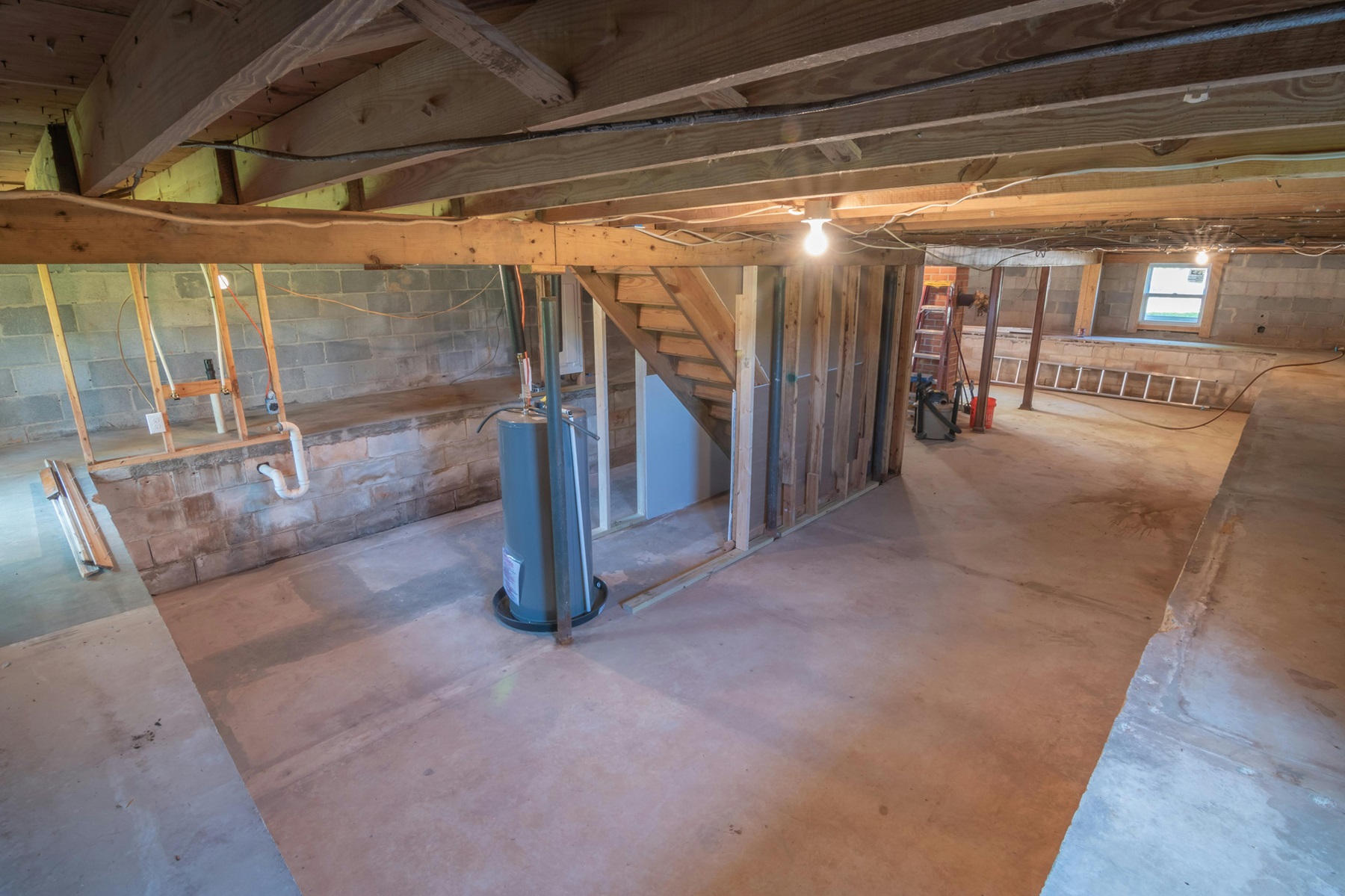
Signs of Moisture Problems in Basements
Common signs of moisture problems in basements include musty odors, damp air, wall stains, white powder on concrete, peeling paint, condensation, rust, soft materials, and stored items that feel damp or smell stale. These symptoms often appear before standing water or obvious flooding.
Basements are vulnerable because they sit against soil, stay cooler than upper floors, and often have limited airflow. If you suspect moisture but are not sure where to look next, start with this guide on how to find hidden moisture in different areas of your home.
Why Basement Moisture Problems Often Start Slowly
Basement moisture often starts slowly because concrete, masonry, wood, cardboard, carpet padding, and stored belongings can absorb small amounts of moisture before damage becomes obvious. A basement may smell damp, feel humid, or show faint staining long before water is visible on the floor.
Early signs often become more noticeable after heavy rain, seasonal humidity changes, or long periods with poor airflow. That pattern matters: a symptom that returns after wet weather usually points to ongoing moisture movement, not a one-time surface problem.
Most Common Signs of Moisture Problems in Basements
Start with the signs that are easiest to notice without tools: smell, stains, surface changes, humidity, and material damage. One sign may be minor, but several signs appearing together usually mean the basement needs closer inspection.
Musty or Damp Odors
One of the earliest and most recognizable signs of basement moisture is a persistent musty smell. This odor typically develops when moisture accumulates in enclosed spaces, allowing microbial growth to begin on organic materials such as wood, cardboard, and fabrics.
Musty odors often appear before visible damage becomes noticeable. Homeowners frequently detect the smell when entering the basement after it has been closed for several hours, especially in humid conditions.
Common locations where odors develop include:
- Behind stored boxes
- Near wall corners
- Inside closets or storage rooms
- Around insulation materials
- Under carpeting or padding
A musty odor does not prove visible mold is present, but it does mean moisture conditions should be checked. If the smell is strongest behind boxes, near carpet, or in closed storage rooms, compare it with the warning patterns in signs of mold growth in basements.
Water Stains on Basement Walls
Water stains are one of the clearest visible indicators that moisture is moving through basement walls. These stains typically appear as darkened patches, streaks, or discoloration patterns on concrete or finished surfaces.
Unlike surface dirt, moisture stains often follow predictable patterns. They may form vertical lines where water travels downward or horizontal bands where moisture accumulates along wall surfaces.
Typical stain characteristics include:
- Yellow or brown discoloration
- Darkened patches that appear after rain
- Horizontal “tide marks” along wall sections
- Streaking patterns near corners
Water stains may dry between moisture events, making them appear temporary. However, repeated staining indicates ongoing moisture movement that requires attention. In many cases, staining patterns resemble early symptoms of seepage similar to those described in signs of water seepage through basement walls.
White Powder on Basement Walls (Efflorescence)
White powdery residue on basement walls is commonly known as efflorescence. This substance forms when moisture moves through concrete, carrying dissolved minerals that remain on the surface after water evaporates.
Efflorescence often appears as:
- White, chalk-like residue
- Powder that wipes away easily
- Crystalline formations on masonry
- Dusty patches along wall surfaces
Although efflorescence itself is not mold, it signals that moisture is actively moving through basement materials. This movement can eventually create conditions that allow mold growth or material deterioration.
Efflorescence often develops along:
- Concrete block joints
- Foundation wall surfaces
- Lower wall sections near floor level
- Areas exposed to exterior soil pressure
A small old patch may simply show where moisture moved in the past. Fresh powder that returns after cleaning, spreads along block joints, or appears after rain is more concerning because it shows that moisture is still moving through the wall.
Peeling Paint or Bubbling Wall Coatings
Moisture trapped behind wall surfaces often causes paint or protective coatings to fail. This occurs when moisture pressure builds behind painted or sealed materials, pushing outward and weakening adhesion.
Visible signs include:
- Paint peeling away from surfaces
- Bubbles forming beneath paint layers
- Cracked or flaking coatings
- Uneven wall textures
This symptom is especially common in finished basements where walls have been sealed or painted. Moisture attempting to escape through these surfaces creates pressure that lifts coatings away from the wall.
Peeling paint often starts in one small area, but expanding bubbles or flaking coatings usually mean moisture is still pushing through the surface. Do not simply repaint or reseal the area until the moisture source has been identified.
Cold Damp Air or Sticky Humidity
Basements affected by moisture often feel noticeably damp compared to other areas of the home. Even without visible water, elevated humidity levels create an uncomfortable environment that signals moisture imbalance.
Common humidity-related symptoms include:
- Air that feels heavy or sticky
- Surfaces that remain cool and damp
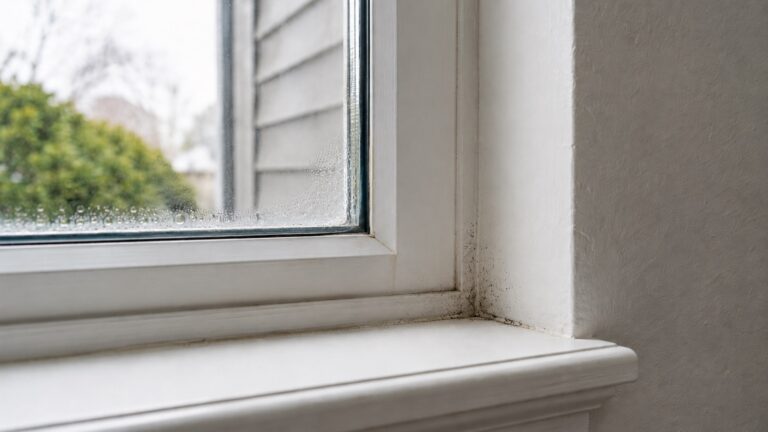
- Condensation forming on pipes or windows
- Slow drying of laundry or stored items
Humidity-driven moisture often spreads throughout the basement environment, affecting stored materials and surfaces simultaneously. Persistent damp air frequently contributes to mold development and odor formation.
A basic hygrometer can help confirm whether the basement is staying damp instead of just feeling cool. If readings remain high for long periods, especially when odors or condensation are also present, the basement should be checked for hidden moisture.
Continued high humidity without obvious water sources often leads homeowners to investigate further using guidance found in how to detect hidden moisture in basement walls.
Additional Signs of Moisture Problems in Basements
As moisture continues, it often begins affecting metal, wood, fabric, cardboard, carpet, insulation, and stored belongings. These secondary signs help confirm that the problem is not limited to surface dampness.
Visible Mold Growth on Surfaces
Mold growth is one of the most recognizable signs of ongoing moisture problems in basements. Mold typically appears when surfaces remain damp for extended periods and organic materials provide a suitable growth environment.
Visible mold may appear as:
- Black, green, gray, or white spots
- Fuzzy or powdery patches
- Irregular discoloration on walls or stored items
- Spreading stains that worsen over time
Mold most commonly forms in areas where airflow is limited and moisture accumulates quietly. Typical mold-prone areas include:
- Behind stored boxes
- Along wall corners
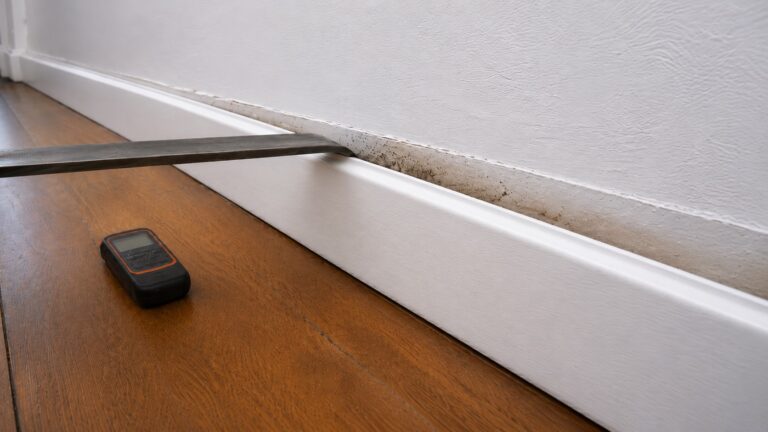
- Near baseboards
- On wood framing or trim
- Under carpeting or padding
Visible mold confirms that moisture has remained long enough to support growth, but this article does not need to diagnose every mold pattern. For a closer mold-specific comparison, use signs of mold growth in basements.
Rust on Metal Fixtures and Hardware
Rust formation on metal surfaces is another strong indicator of long-term moisture exposure. Unlike temporary surface moisture, rust typically develops after prolonged humidity or repeated condensation cycles.
Common locations where rust appears include:
- Metal shelving units
- Water heater components
- Furnace housings
- Metal fasteners or nails
- Electrical boxes or conduit
Rust is particularly important because it reflects environmental moisture conditions rather than isolated water events. When multiple metal surfaces begin corroding at the same time, it usually indicates elevated humidity levels throughout the basement.
Rust-related symptoms may also suggest ventilation or humidity problems that allow moisture to persist in enclosed spaces.
Warped, Swollen, or Soft Materials
Many building materials expand when exposed to moisture. Over time, this expansion causes visible distortion, weakening, or structural instability. Wood-based materials are especially vulnerable to swelling when moisture levels remain elevated.
Signs of moisture-related material distortion include:
- Warped baseboards
- Swollen wooden trim
- Soft or spongy wall panels
- Buckled flooring materials
- Doors or cabinets that stick when opening
These symptoms usually indicate prolonged exposure rather than short-term moisture events. If materials remain swollen for extended periods, permanent damage may occur.
Soft or weakened materials can also signal developing structural problems. In advanced cases, this may lead homeowners to investigate deeper structural moisture concerns described in signs of structural moisture problems.
Damp or Deteriorating Stored Items
Stored items often act as early warning indicators of basement moisture. Materials such as cardboard, paper, and fabric absorb moisture quickly, making them useful indicators of changing humidity conditions.
Common storage-related warning signs include:
- Damp cardboard boxes
- Warped book pages
- Musty-smelling clothing
- Soft or weakened packaging materials
- Surface mold on stored belongings
Basements used for storage are especially vulnerable to unnoticed moisture problems because items are often stacked tightly together. Limited airflow around stored materials allows moisture to accumulate silently.
If stored belongings show repeated signs of dampness, it usually indicates environmental humidity problems affecting the entire basement space.
Early vs Advanced Basement Moisture Signs
Early signs usually involve smell, humidity, light staining, small efflorescence patches, or occasional condensation. Moderate signs include repeated wall stains, peeling paint, damp stored items, rust, and visible mold patches. Advanced signs include soft wood, saturated flooring, spreading mold, persistent standing water, or damage in several basement areas at once.
The more often a sign returns after rain or humid weather, the more seriously it should be treated.
Hidden Signs Many Homeowners Miss
Not all moisture problems produce obvious visible damage. Some of the most important warning signs occur in subtle ways that homeowners may initially dismiss.
Recognizing hidden warning signs helps detect moisture problems before extensive damage develops.
Condensation on Pipes and Surfaces
Condensation forms when warm, moist air contacts cooler surfaces. In basements, cold pipes and concrete walls often create ideal conditions for condensation.
Common condensation warning signs include:
- Water droplets forming on pipes
- Moisture collecting on metal surfaces
- Dampness forming without visible leaks
- Wet areas appearing during humid weather
Frequent condensation usually indicates humidity levels exceeding safe limits. Over time, condensation contributes to mold growth and material deterioration.
Increased Humidity Levels in the Basement
Humidity changes are often overlooked because they do not always produce visible water. However, elevated humidity levels can quietly create damaging moisture conditions.
Signs of excessive humidity include:
- Air that feels sticky or heavy
- Persistent damp smell
- Slow drying of surfaces
- Foggy windows or condensation buildup
Humidity-driven moisture is especially important because it can affect large areas at the same time. When damp air, musty smell, and condensation appear together, the problem is usually broader than one small stain or spill.
Recurring Dampness After Rain
Some basement moisture problems appear temporarily after heavy rain or seasonal weather shifts. However, recurring dampness patterns usually indicate persistent moisture movement.
Typical recurring symptoms include:
- Walls becoming damp after rainfall
- Water stains appearing repeatedly
- Floor edges becoming wet during storms
- Moisture smells intensifying during wet weather
Recurring moisture patterns often signal underlying seepage or drainage problems. If dampness consistently appears during rainy periods, further inspection may be necessary using guidance found in how to inspect basements for moisture damage.
When Basement Moisture Signs Become Dangerous
Basement moisture becomes more urgent when signs are spreading, returning repeatedly, or affecting structural materials. A single faint stain may be monitored, but several worsening symptoms should not be treated as normal basement dampness.
Large or Expanding Mold Growth
Small isolated mold spots can appear in damp basements, but spreading mold is a stronger warning sign because it usually means moisture is still available.
Danger-level mold warning signs include:
- Mold spreading across large wall sections
- Growth appearing on multiple surfaces
- Persistent mold returning after cleaning
- Strong musty odors that worsen over time
- Mold appearing on structural materials like wood framing
Large mold growth areas often signal that moisture has been present long enough to affect hidden materials behind finished surfaces. At this stage, moisture problems typically require deeper investigation to determine how far damage has progressed.
Soft or Deteriorating Structural Materials
Moisture that affects structural materials presents a serious risk because it weakens the components that support the home. Wood, drywall, and insulation materials are particularly vulnerable to moisture damage.
Danger-level structural warning signs include:
- Soft or crumbling wood framing
- Wood that appears darkened or decayed
- Drywall that breaks easily when touched
- Insulation that feels wet or compacted
- Floor framing that shows signs of rot
Structural weakening rarely happens overnight. These signs usually indicate that moisture exposure has been ongoing for an extended period. Once structural materials begin deteriorating, repairs often require professional evaluation.
Persistent Standing Water or Saturated Floors
Standing water is one of the clearest signs that moisture conditions have reached a dangerous level. Unlike humidity or staining, standing water can quickly damage materials and create rapid mold growth.
Serious water-related warning signs include:
- Water pooling along basement floors
- Wet carpeting that does not dry
- Saturated flooring materials
- Water returning repeatedly after cleanup
- Persistent dampness along floor edges
Standing water often signals severe moisture entry that may require immediate action. If this condition occurs, investigating water entry points becomes essential to prevent widespread damage.
When to Investigate Further or Call a Professional
Investigate further when moisture signs return after rain, appear in more than one area, affect stored belongings, or continue after basic cleaning and ventilation. Call a professional when there is standing water, spreading mold, soft structural wood, repeated seepage, or damage across multiple basement areas.
Situations That Require Further Investigation
Further inspection is recommended when:
- Moisture signs appear repeatedly after rain
- Humidity remains high for extended periods
- Mold growth begins spreading
- Stored items repeatedly become damp
- New moisture symptoms appear suddenly
Investigating these symptoms early often prevents costly structural repairs later.
Situations That Require Professional Evaluation
Professional assistance may be necessary when moisture conditions become severe or widespread. Warning signs that often require professional involvement include:
- Large mold growth areas
- Structural wood damage
- Persistent standing water
- Repeated moisture problems despite cleanup
- Damage affecting multiple basement areas
Professional inspections help determine how deeply moisture has affected materials and whether repairs are needed to prevent further damage.
If the main question is why the dampness keeps happening, read why basements develop moisture problems for the cause-focused explanation.
Frequently Asked Questions About Basement Moisture Signs
Is a musty basement always caused by moisture?
A persistent musty basement smell is usually moisture-related, even when no water is visible. The odor may come from damp cardboard, carpet padding, wood, insulation, dust, or early microbial growth in low-airflow areas.
Even if visible mold is not present, musty odors signal that moisture conditions exist somewhere in the basement. These odors often appear before visible damage develops, making them one of the earliest warning signs homeowners notice.
If musty odors continue despite cleaning or ventilation, further investigation is recommended. Reviewing how to detect hidden moisture in basement walls can help identify areas where moisture may be accumulating out of sight.
What does white powder on basement walls mean?
White powder on basement walls is typically efflorescence, a mineral residue left behind when moisture moves through concrete or masonry. While efflorescence itself is not harmful, it signals that water is traveling through basement materials.
This movement means moisture is present inside wall materials, even if surfaces appear dry. Efflorescence often forms along lower wall sections, foundation seams, or areas exposed to soil pressure.
Repeated buildup indicates ongoing moisture movement and should be monitored carefully. The key warning sign is recurrence: powder that comes back after cleaning usually matters more than an old patch that has not changed.
Can basement moisture exist without visible water?
Yes, basement moisture commonly exists without visible standing water. Many moisture problems begin as humidity buildup, condensation, or slow seepage that does not immediately create puddles.
Common hidden moisture situations include:
- Humidity trapped in enclosed spaces
- Condensation forming on cool surfaces
- Moisture absorption into concrete walls
- Damp insulation or framing behind finished walls
Because hidden moisture can persist without obvious signs, regular inspections are important. Guidance found in how to inspect basements for moisture damage can help identify early moisture conditions before visible damage appears.
How quickly can basement moisture cause mold growth?
Mold risk increases when basement materials stay damp instead of drying. The exact timeline depends on humidity, temperature, airflow, and the material involved, but recurring dampness, musty odor, and visible spotting mean the moisture problem should be investigated instead of watched indefinitely.
When should I worry about basement dampness?
Worry about basement dampness when it returns after rain, affects stored items, produces odor, or appears with stains, condensation, rust, or soft materials.
If these symptoms occur, investigating moisture behavior and prevention strategies becomes important. Reviewing how to prevent moisture build-up in basements can help reduce long-term moisture risks.
Conclusion: Recognizing Basement Moisture Signs Early Prevents Major Damage
Basement moisture signs are easiest to correct when they are still small: a musty smell, a recurring stain, fresh efflorescence, damp stored items, or condensation that keeps returning. If several signs appear together, inspect the basement more closely before moisture reaches hidden materials.
Key Takeaways
- Basement moisture problems usually begin slowly and produce subtle early warning signs.
- Musty odors are often the first indicator that moisture conditions exist.
- Visible signs such as wall stains, peeling paint, and efflorescence signal ongoing moisture movement.
- Humidity-related symptoms can exist even without visible standing water.
- Multiple warning signs appearing together usually indicate worsening moisture conditions.
- Recurring dampness after rain is more concerning than a one-time damp spot.
- Fresh efflorescence, expanding stains, or damp stored items usually mean moisture is still active.
3 Comments
Comments are closed.