
Why Poor Roof Ventilation Causes Moisture Problems
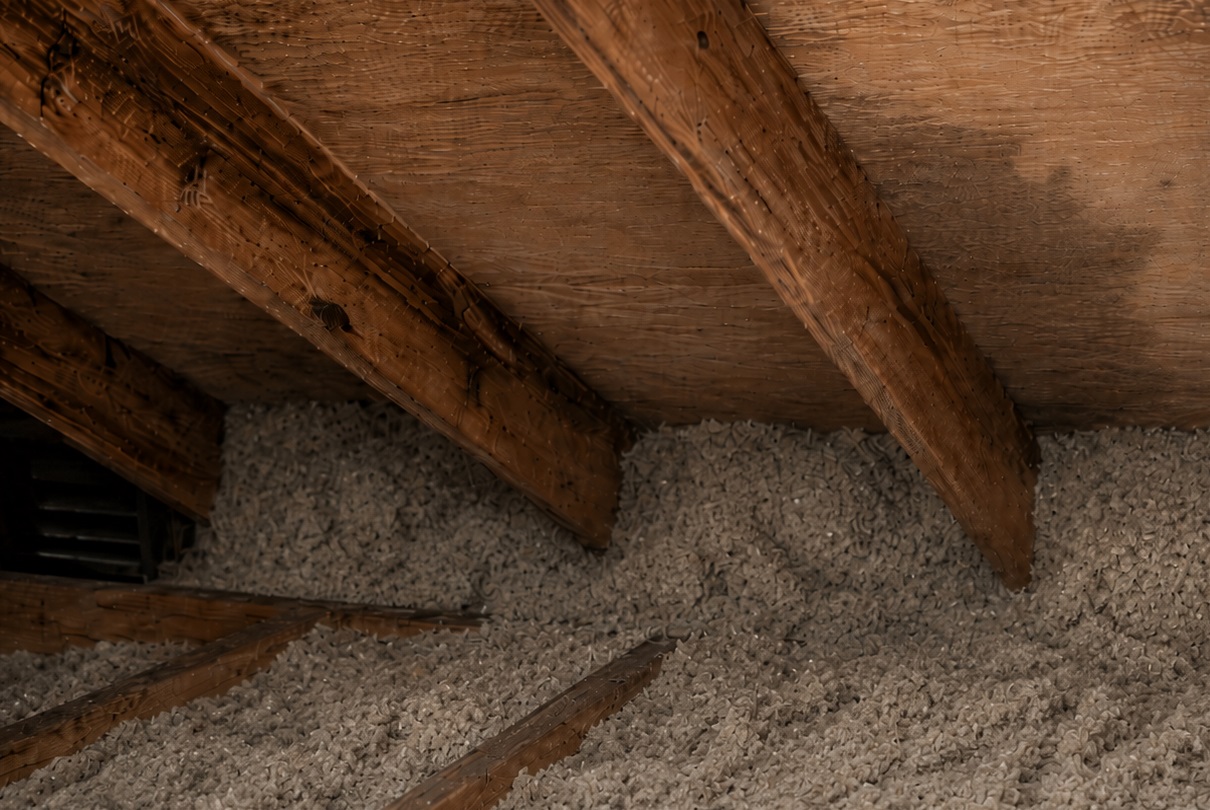
Poor roof ventilation causes moisture problems when humid indoor air rises into the attic, cannot escape fast enough, and condenses on colder roof surfaces. The result is often damp insulation, frosted nail tips, musty odors, dark roof sheathing stains, or attic mold that looks like a roof leak even when the roof covering is not the main problem.
The basic sequence is simple: warm indoor air rises, enters the attic, meets cold roof sheathing or metal fasteners, turns into condensation, and keeps repeating because poor ventilation cannot carry the moisture outside. Over time, these repeated moisture cycles can damage insulation, roof decking, rafters, nails, and other attic materials.
If you have already observed warning signs such as widespread moisture staining, condensation, or musty odors, reviewing signs of poor attic ventilation can help confirm whether your attic conditions match common ventilation-related patterns.
How Roof Ventilation Normally Controls Moisture
A working attic ventilation system controls moisture by keeping air moving instead of letting humid air sit against cold roof surfaces.
Under normal conditions, fresh air enters through intake vents near the lower edges of the roof and exits through exhaust vents near the upper roof area. As this air moves through the attic, it carries heat and moisture away from surfaces that would otherwise trap humidity.
This airflow process removes moisture produced inside the home. Everyday activities such as cooking, bathing, laundry, and washing release water vapor into indoor air. Because warm air naturally rises, some of this moisture-laden air can move upward toward the attic.
When ventilation works correctly, rising warm air is exhausted before condensation can build up. Fresh intake air replaces the outgoing air, keeping humidity levels lower and reducing the chance that moisture will settle on attic surfaces.
Proper ventilation also helps regulate attic temperature. By removing excess heat and moisture, ventilation reduces the temperature differences that encourage condensation on roof sheathing, rafters, nails, and insulation.
If airflow becomes restricted, moisture removal slows dramatically. Even small reductions in airflow can allow humidity levels to rise inside the attic, especially during colder months when temperature differences increase condensation risk.
Understanding how airflow should function provides useful context when identifying ventilation problems. If airflow behavior appears abnormal, reviewing how to detect inadequate roof ventilation can help confirm whether intake and exhaust pathways are functioning correctly.
Roof ventilation problems also fit into the larger pattern of common roofing material failures, especially when poor airflow allows moisture to damage sheathing, fasteners, insulation, and framing over time.
What Happens When Ventilation Stops Working
When roof ventilation stops working properly, moisture that normally escapes the attic becomes trapped inside. The attic may not look damaged at first, but humidity begins accumulating every time warm indoor air enters the space and cannot dry out quickly.
The first stage of ventilation failure usually involves reduced airflow. Intake vents may be blocked, exhaust vents may be undersized, airflow balance may be disrupted, or the attic may be receiving more indoor moisture than the ventilation system can remove.
Common causes include blocked soffit vents, insulation pushed into intake openings, exhaust vents that are undersized, bath fans dumping into the attic, or air leaks that let warm indoor air bypass the ceiling plane.
As airflow slows, humidity levels inside the attic rise. Moisture that should have been carried outside remains suspended in the air, creating conditions that favor condensation.
During colder weather, the effect becomes more obvious. Warm indoor air entering the attic carries moisture vapor that condenses when it touches colder roof surfaces. Without enough airflow to remove that moisture, condensation forms again and again.
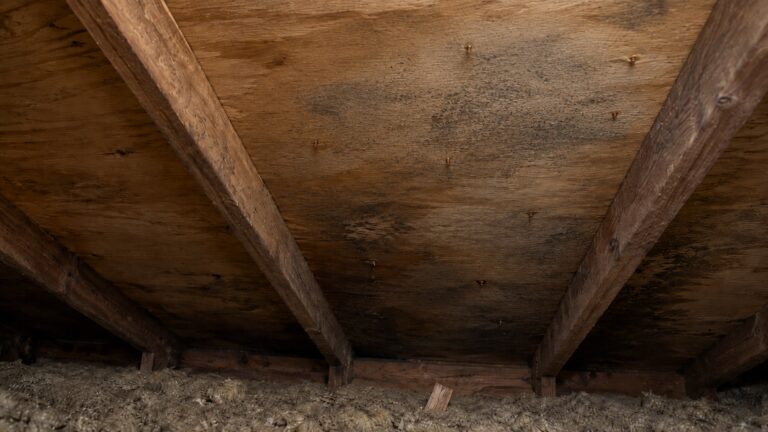
Over time, repeated condensation cycles lead to visible attic moisture. Roof sheathing may develop dark stains, insulation may become damp, and metal components such as nail tips or connectors may begin to rust.
This process often leads homeowners to assume that roof leaks are responsible for the moisture. However, ventilation-related moisture usually spreads across wide areas rather than forming isolated leak patterns. If moisture patterns appear widespread rather than localized, reviewing signs of roof condensation in attics can help distinguish ventilation-related condensation from roof leak behavior.
Common Hidden Causes of Ventilation-Related Attic Moisture
Poor roof ventilation does not always mean the attic has no vents. Moisture problems often appear when the ventilation system exists but cannot move air correctly.
- Soffit vents are blocked by insulation.
- Bathroom or kitchen fans exhaust into the attic instead of outdoors.
- Intake vents and exhaust vents are out of balance.
- Ridge, roof, or gable vents are undersized for the attic space.
- Air leaks around ceiling penetrations allow warm indoor air to bypass the ceiling plane.
- Stored items, insulation, or debris restrict airflow near the eaves.
These problems can create attic moisture even when the shingles, flashing, and roof covering are not actively leaking. That is why the moisture pattern matters as much as the moisture itself.
Why Warm Indoor Air Turns Into Attic Moisture
Warm air inside homes naturally contains moisture. Everyday activities such as cooking, bathing, laundry, and even breathing release water vapor into indoor air. As this warm, moisture-laden air rises, it can move upward through ceilings and into attic spaces.
This upward movement of warm air is normal, but the amount of moisture that reaches the attic depends on indoor humidity levels, air leaks through the ceiling plane, and how effectively ventilation removes humid air.
When warm air reaches the attic, it encounters cooler conditions. Attics are often colder than living spaces, especially during winter months. This temperature difference plays a major role in moisture formation.
Warm air can hold more moisture than cold air. As warm air cools, its ability to hold moisture decreases. When this happens, water vapor can separate from the air and settle onto nearby surfaces as condensation.
Without adequate ventilation, humid air remains trapped inside the attic instead of being removed. Each new cycle of warm indoor air adds more moisture before the previous moisture has fully dried.
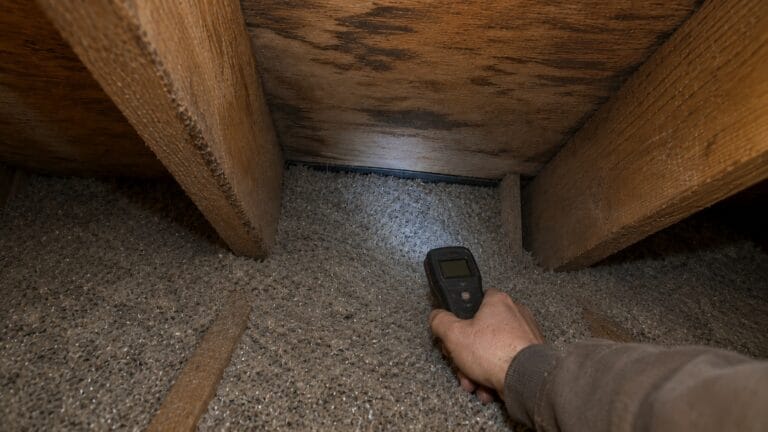
If moisture buildup continues, attic insulation may begin absorbing humidity. Damp insulation reduces thermal performance and slows drying, which further increases moisture retention inside the attic.
Why Condensation Forms on Roof Surfaces
Condensation forms when warm, moisture-filled air contacts colder surfaces. This temperature difference forces water vapor to change into liquid water or frost, depending on the surface temperature.
In attic environments, the most common condensation surfaces include roof sheathing, rafters, and metal fasteners such as nails. These surfaces cool quickly during cold weather, making them common places for condensation to appear.
One of the earliest signs is water droplets or frost on nail tips that extend through the roof decking. Metal cools faster than surrounding wood, so nail tips often reveal condensation problems before larger surfaces look obviously wet.
As condensation continues, moisture may spread across larger sections of roof sheathing. Instead of forming a single drip point, condensation often creates widespread dampness across multiple attic surfaces.
Condensation problems frequently worsen during winter months. Cold outdoor temperatures create larger temperature differences between indoor air and attic surfaces, increasing the likelihood of moisture forming on the underside of the roof deck.
During seasonal transitions, moisture may freeze overnight and melt during daytime warming. These freeze-thaw cycles allow water to repeatedly soak insulation and wood components.
Because condensation often develops gradually, many homeowners do not notice the problem until damage becomes visible. In cases where condensation appears across multiple surfaces, reviewing signs of moisture in attic insulation can help identify whether insulation damage is related to repeated condensation exposure.
Poor Ventilation vs Roof Leak Moisture Patterns
Poor ventilation and roof leaks can both create wet insulation, stained sheathing, and attic odors. The difference is usually the pattern, timing, and location of the moisture.
| Pattern | More Likely Poor Ventilation | More Likely Roof Leak |
|---|---|---|
| Moisture location | Widespread across sheathing, nails, rafters, or insulation | Localized below a roof penetration, valley, flashing point, or damaged shingle area |
| Seasonal timing | Worse during cold weather, freeze-thaw cycles, or high indoor humidity | Worse during or shortly after rain |
| Visible clues | Frosted nail tips, damp sheathing, musty insulation, rusted fasteners, broad staining | Drip trails, isolated wet spots, stained decking below one entry point |
| Repair clue | Moisture returns even after roof repairs if airflow is still poor | Moisture stops when the leak source is repaired |
This comparison is not a substitute for inspection, but it helps explain why ventilation-related moisture is so often misdiagnosed. A roof leak usually follows a path from one entry point. Poor ventilation usually changes the attic environment itself.
Why the Moisture Problem Gets Worse Over Time
Ventilation-related moisture usually builds through repeated small cycles, not one dramatic event. Humid air enters, condensation forms, surfaces partly dry, and the next cycle begins before the attic fully recovers.
When ventilation airflow is limited, moisture remains inside the attic longer than it should. Even if small amounts of moisture evaporate during warmer periods, the next cycle introduces additional humidity before surfaces have completely dried.
Wood materials such as rafters and roof decking begin absorbing moisture, while insulation fibers trap humidity within their structure. Over time, dark staining, wood discoloration, surface warping, or rusted fasteners may begin to appear.
As moisture continues to accumulate, the risk of mold growth increases significantly. Mold organisms thrive in environments where moisture remains present long enough to support growth cycles.
Why Poor Ventilation Leads to Mold Growth
Poor roof ventilation can lead to mold because it keeps attic surfaces damp long enough for growth to begin. The problem is usually not a lack of mold spores; it is the repeated moisture exposure that allows spores already present in the environment to become active.
Because ventilation-related moisture often affects broad attic areas, mold may appear across sections of roof decking, rafters, or insulation instead of staying near one leak point. For a fuller explanation of the mold-growth side of this problem, see why attic airflow problems lead to mold growth.
If mold growth becomes visible inside the attic, reviewing signs of mold growth in attic spaces can help confirm whether conditions support mold development linked to ventilation-related moisture.
Avoid covering stained sheathing, adding more insulation, or altering vents until the moisture source and airflow problem have been identified. Hiding the symptom can trap moisture deeper in the attic assembly.
How Seasonal Changes Make Moisture Worse
Seasonal temperature changes often make ventilation-related moisture more obvious. During winter, warm indoor air meets cold roof sheathing, nail tips, and framing, increasing the chance of condensation or frost. For a broader explanation of cold-weather moisture behavior inside homes, see why humidity problems worsen in winter.
When frost melts during daytime warming, liquid moisture can soak insulation and wood components. This freeze-thaw cycle may repeat many times before the attic fully dries.
Spring, fall, and humid summer conditions can also slow drying when airflow is weak. If the problem is strongest during hot, damp weather rather than cold-weather condensation, see why humidity problems increase in summer.
How Ventilation Failure Damages Insulation and Wood
When ventilation-related moisture remains inside the attic, insulation and wood materials are often the first components to suffer damage. Insulation can absorb moisture, lose thermal performance, and dry slowly because water vapor becomes trapped within its fibers.
Wood components such as rafters and roof decking can also absorb moisture during repeated condensation cycles. Over time, damp sheathing may darken, fasteners may rust, and wood fibers may weaken or warp.
In severe cases, prolonged moisture exposure can contribute to wood rot, especially when sheathing or framing stays damp through repeated condensation cycles.
Because moisture damage spreads gradually, identifying early warning signs is essential. Reviewing signs of poor attic ventilation can help confirm whether structural components are showing early symptoms of ventilation-related damage.
Why Moisture Problems Often Get Misdiagnosed
Moisture problems caused by poor roof ventilation are frequently mistaken for roof leaks because both can produce wet insulation, stained sheathing, attic odors, and visible dripping during cold weather.
The difference is usually the pattern. Ventilation-related moisture often spreads across wide areas, while roof leaks usually appear below a specific penetration, valley, flashing point, or damaged roof section.
Misdiagnosing ventilation problems as leaks can lead to unnecessary roof repairs while the real airflow issue remains unresolved. If moisture continues appearing after roofing work has been completed, ventilation performance may be the underlying cause.
If you are trying to confirm whether ventilation is the cause, check the pattern first: widespread frost on nail tips, damp sheathing across several bays, blocked soffit intake, or moisture that appears during cold weather often points toward airflow failure rather than one roof entry point. For a fuller inspection process, see how to detect inadequate roof ventilation.
FAQ: Why Poor Roof Ventilation Causes Moisture Problems
Why does poor ventilation cause condensation?
Poor ventilation allows warm, moisture-filled air to remain inside the attic instead of being removed. When this warm air contacts cooler surfaces, water vapor condenses into liquid moisture. Without airflow to remove humidity, condensation continues to form repeatedly.
Why does attic moisture keep coming back?
Moisture returns when ventilation airflow remains insufficient to remove humidity. Even if surfaces dry temporarily, repeated humidity cycles introduce new moisture. Without proper airflow, this cycle continues and moisture gradually builds over time.
How does attic ventilation remove moisture before condensation forms?
Ventilation removes moisture by moving humid air out of the attic and replacing it with drier outdoor air. This continuous airflow prevents humidity from settling on attic surfaces and forming condensation.
Why does mold grow in poorly ventilated attics?
Mold grows in poorly ventilated attics because condensation keeps roof sheathing, rafters, dust, and insulation surfaces damp for repeated periods. The moisture pattern is often widespread because the airflow problem affects the attic environment rather than one isolated leak point.
Why does frost form inside attics?
Frost forms when moisture vapor freezes on cold attic surfaces during winter. This frost later melts when temperatures rise, creating liquid moisture that soaks insulation and wood materials.
Conclusion
Poor roof ventilation causes moisture problems by trapping warm, humid air inside the attic and preventing it from escaping. This trapped moisture leads to condensation, repeated moisture cycles, and gradual material damage.
The most important clue is the moisture pattern. A roof leak usually follows a path from one entry point. Poor ventilation usually changes the attic environment, creating broader condensation, frost, damp insulation, rusted nail tips, and recurring moisture even when the roof covering is intact.
Learning how to reduce airflow problems before damage spreads is also essential. Preventive strategies that maintain proper airflow are explained in how to prevent moisture problems with proper roof ventilation.
Key Takeaways
- Poor roof ventilation traps humid indoor air inside the attic, leading to condensation and long-term damage.
- Warm indoor air can turn into attic moisture when it contacts cold roof sheathing, rafters, or nail tips.
- Repeated moisture cycles gradually weaken insulation, roof decking, fasteners, and wood framing.
- Ventilation-related moisture is usually broader than a roof leak and may appear across several attic bays.
- Blocked soffit vents, undersized exhaust vents, air leaks, and fans dumping into the attic can all contribute to the problem.
- Understanding the moisture pattern helps prevent misdiagnosis and unnecessary roof repairs.

One Comment
Comments are closed.