Signs of Leaks Under Kitchen Sinks
Common signs of leaks under kitchen sinks include damp cabinet floors, musty odors, dark stains, swollen cabinet bases, moisture near shutoff valves, and water that appears only after the sink drains. Because this space is dark, enclosed, and often blocked by stored items, small leaks can continue for weeks before the source is obvious.
This guide explains the warning signs to look for, what different moisture patterns can mean, and when the leak may be spreading into nearby cabinets, walls, or flooring. For the bigger structural risks behind these symptoms, see how plumbing leaks cause structural damage.
Why Kitchen Sink Leaks Are Often Missed
Kitchen sink leaks are frequently overlooked because they often begin slowly and occur inside enclosed cabinet spaces. Unlike visible plumbing failures that create large puddles, many under-sink leaks start as small drips that only appear during certain conditions, such as when water is running or when the sink is draining.
Several factors make these leaks difficult to detect early:
- The cabinet area is dark and rarely inspected
- Stored items block visibility
- Slow drips may evaporate before forming puddles
- Water may spread beneath liners or stored containers
- Moisture may absorb into cabinet materials before becoming visible
Because these leaks often stay hidden, homeowners usually notice the effects before they see the drip itself: odor, staining, damp stored items, softened cabinet material, or moisture that returns after the cabinet is wiped dry.
Another reason kitchen sink leaks are missed is that moisture often travels along surfaces rather than dripping straight down. Water may follow pipes, cabinet seams, or wall surfaces before collecting in unexpected locations. This movement makes leaks appear unrelated to their true source, increasing the likelihood of delayed discovery.
Even when homeowners check under the sink occasionally, symptoms can be subtle at first. Small leaks may only produce faint discoloration or slight dampness before larger problems develop.
Early Signs of a Leak Under the Kitchen Sink
The earliest signs usually appear on the cabinet floor, around pipe joints, near shutoff valves, or along the back wall of the cabinet. A single spill may dry and disappear, but a leak usually leaves a pattern: dampness returns, stains expand, odors linger, or materials begin to swell.
Damp Cabinet Floor
One of the earliest and most reliable signs of a leak under a kitchen sink is dampness on the cabinet floor. Even small amounts of moisture can create visible or tactile changes in the surface.
You may notice:
- Slight wetness on the cabinet base
- Water droplets beneath pipes
- Moisture that appears after using the sink
- Damp areas that return after drying
This symptom often appears before major cabinet damage. If the same area becomes damp again after being wiped dry, especially after running water or draining the sink, treat it as a likely leak sign rather than a random spill.
If dampness appears regularly, the next step is usually to investigate possible leak locations. A detailed guide on how to detect slow leaks under kitchen sinks can help determine whether the moisture is caused by plumbing connections or intermittent seepage.
Musty or Sour Odors
Odors are often the first sign of hidden moisture, especially when water collects in areas that are difficult to see. A musty, sour, or damp smell inside the cabinet usually indicates moisture buildup that has remained trapped over time.
This smell develops when:
- Moisture remains trapped in enclosed spaces
- Wood materials begin to absorb water
- Bacteria or organic debris begin breaking down
Odors may be especially noticeable when opening cabinet doors or moving stored items. In many cases, the smell appears before visible water damage becomes obvious.
If the odor remains after removing trash, cleaning supplies, sponges, and stored items, suspect hidden moisture in the cabinet base or back panel. If discoloration or fuzzy growth appears with the odor, compare the symptoms with the signs of mold under kitchen sink cabinets.
Water Stains or Dark Rings
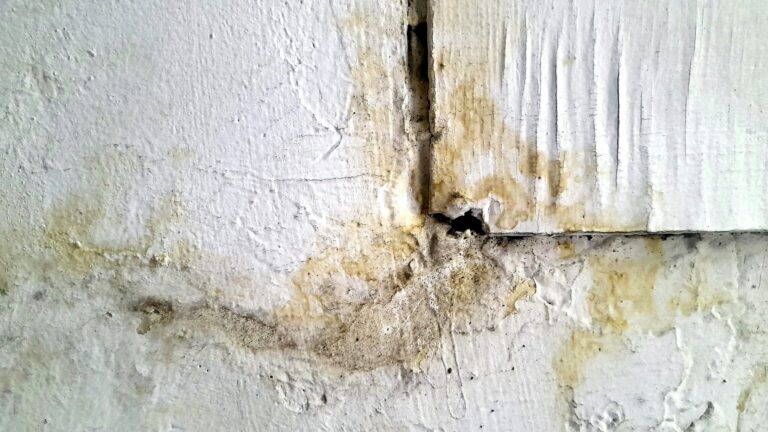
Water stains are another early indicator of leaks under kitchen sinks. These stains typically appear as dark patches, rings, or streaks on cabinet surfaces.
Common locations include:
- The cabinet floor beneath plumbing connections
- The back wall panel inside the cabinet
- The underside of shelves
- Areas directly below pipe joints
Stains may darken, widen, or form a repeated outline around the same leak path. White or chalky residue near fittings can point to a small supply-side leak, while darker residue or sour odor near the P-trap may point to a drain-side leak.
If staining continues to spread or reappear, it may indicate ongoing moisture exposure rather than a one-time spill. In these situations, inspecting the plumbing connections becomes important. Learning how to inspect kitchen sink pipes for hidden leaks can help identify early failure points before damage worsens.
Soft or Swollen Cabinet Base
Swelling is one of the clearest indicators that moisture has been present for an extended period. Cabinet bases are commonly made from particle board or plywood, both of which absorb water when exposed to leaks.
You may notice:
- Raised or bubbled surfaces
- Edges lifting away from laminate coverings
- Warped or uneven cabinet flooring
- Soft or spongy texture when pressed
Unlike temporary moisture, swelling usually indicates that materials have absorbed water repeatedly. Once cabinet materials swell, they rarely return to their original shape without repair or replacement.
If swelling has already occurred, the issue may be moving from a simple leak sign into actual material damage. For deeper cabinet, wall, and flooring symptoms, see the guide to signs of water damage under kitchen sinks.
Signs the Leak May Be Coming From the Drain Assembly
Drain-related leaks are among the most common causes of moisture under kitchen sinks. These leaks typically occur at connection points in the drain system, such as the P-trap, slip joints, or the sink basket connection. Because these components handle wastewater, leaks often appear when the sink is actively draining rather than when water is simply turned on.
One key characteristic of drain leaks is that moisture may only appear during or shortly after sink use. This intermittent behavior makes them easy to miss unless the cabinet is checked immediately after running water.
Common signs of drain assembly leaks include:
- Water forming directly beneath curved drain pipes (P-trap)
- Drips appearing only while draining the sink
- Residue or buildup around pipe joints
- Sticky or discolored areas caused by wastewater deposits
- Odors that intensify after sink use
In some cases, small leaks may leave behind mineral residue or slight discoloration before visible dripping is noticed. These deposits often appear as white or chalky buildup around connection points.
If these symptoms appear mainly while the sink is draining, the leak is more likely connected to the drain assembly than the pressurized supply lines. For a closer look at joints, traps, and fittings, see how to inspect kitchen sink pipes for hidden leaks.
Because drain leaks involve wastewater, they may also produce stronger odors than clean water leaks. This makes odor combined with intermittent moisture a strong indicator of a drain-related issue.
Signs the Leak May Be Coming From Supply Lines
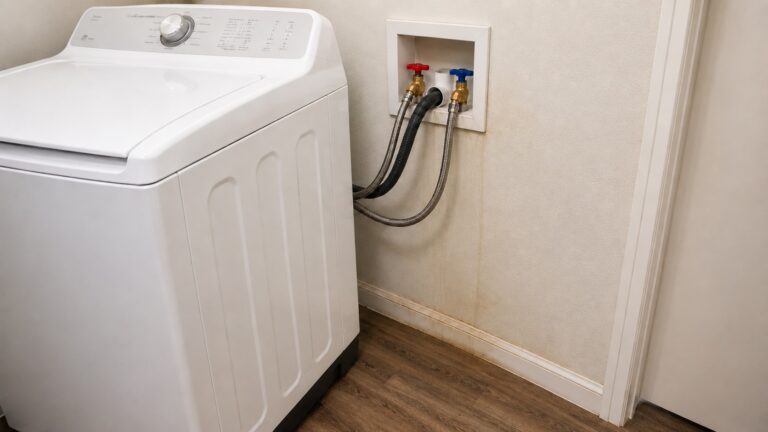
Supply line leaks involve the pipes that deliver clean water to the faucet. These leaks tend to behave differently from drain leaks because they are often under pressure, which can result in continuous dripping or fine spraying at connection points.
Unlike drain leaks, supply line leaks can occur even when the sink is not in use, depending on water pressure and valve conditions.
Signs that point to supply line leaks include:
- Moisture near shutoff valves or connection fittings
- Water droplets forming along braided hoses or tubing
- Consistent dampness that does not depend on sink use
- Rust or corrosion on metal fittings
- Small puddles forming over time without obvious use patterns
These leaks may start very small, sometimes appearing as condensation-like droplets. However, unlike true condensation, the moisture will continue to form regardless of temperature changes or humidity levels.
Because supply line leaks can continue even when the sink is not being used, they can saturate cabinet materials faster than intermittent drain leaks. If moisture is active near shutoff valves, supply hoses, a garbage disposal cord, or an outlet, stop using the area and address the leak before continuing normal use.
When persistent dampness is present without a clear pattern of use, it often signals the need for closer inspection. In those cases, learning how to detect slow leaks under kitchen sinks helps confirm whether pressure lines are the source.
Signs the Leak May Be Related to the Faucet or Countertop
Not all under-sink leaks originate from visible plumbing connections. In some cases, water enters the cabinet from above, typically due to issues around the faucet base or sink mounting areas.
These leaks can be especially confusing because they may not appear directly beneath pipes. Instead, moisture may show up along the back wall of the cabinet or along seams where the sink meets the countertop.
Common signs include:
- Dampness along the back wall of the cabinet
- Water trails running downward from higher points
- Moisture appearing after using the faucet rather than during drainage
- Wet areas near the rear corners of the cabinet floor
- Inconsistent moisture patterns that seem disconnected from pipe locations
These symptoms often indicate that water is seeping through failed seals, loose fixtures, or small gaps around the sink opening. Over time, repeated exposure allows moisture to travel down into the cabinet space.
Because these leaks originate above the cabinet, they can be harder to trace without targeted inspection. In many cases, homeowners mistake them for plumbing leaks when the actual issue lies at the sink or countertop level.
If moisture shows up along the back wall, rear corners, or cabinet seams instead of directly under a pipe, the leak may be entering from the faucet base, sink rim, or countertop opening.
Warning Signs the Leak Has Spread Beyond the Cabinet
A leak that spreads beyond the sink cabinet usually leaves broader warning signs: damp flooring near the cabinet, swelling in adjacent cabinets, staining on the back wall panel, or moisture that returns soon after cleaning. These signs suggest the leak has lasted long enough to affect surrounding materials.
Moisture on Flooring Outside the Cabinet
If water begins appearing on the kitchen floor near the sink, it often indicates that the cabinet base is saturated and no longer containing moisture. Water may seep through joints or overflow from accumulated dampness inside the cabinet.
Common indicators include:
- Damp or warped flooring near the sink base
- Water lines or stains extending outward from the cabinet
- Soft spots in flooring adjacent to the cabinet
This type of spread usually suggests that moisture has been present for an extended period and is no longer contained within the cabinet structure.
Swelling or Warping of Adjacent Cabinets
Leaks under one section of the sink can spread into neighboring cabinets through shared panels or flooring. When moisture reaches these areas, similar damage patterns may begin to appear.
You may notice:
- Warped cabinet edges near the sink
- Discoloration along shared cabinet walls
- Swelling in areas not directly beneath plumbing
This expansion of damage often indicates that moisture is moving laterally, not just downward. Once adjacent materials begin absorbing water, the issue is moving beyond a simple leak sign and into water-damage territory.
Back Wall Softness or Staining
The back wall of the cabinet is one of the first areas affected when moisture travels behind plumbing lines. This panel is usually thin and absorbs water quickly, making it a sensitive indicator of spreading leaks.
Warning signs include:
- Soft or flexible wall panels
- Dark staining behind pipes
- Peeling or bubbling surfaces
If the back wall shows these symptoms, moisture may already be reaching the wall cavity behind the cabinet. At this point, the issue may extend beyond what is visible and require further investigation.
Recurring Dampness After Cleaning
If the cabinet appears dry after wiping but becomes damp again within a short period, it usually indicates an active and ongoing leak. This recurring pattern is a key sign that moisture is not simply residual but is being continuously introduced.
Recurring dampness suggests:
- An unresolved leak source
- Water trapped within materials
- Ongoing seepage from hidden areas
In these situations, identifying the exact source becomes critical. A structured approach to detecting plumbing leaks inside walls may be necessary if the problem extends beyond visible cabinet areas.
Risk increases when symptoms become persistent rather than occasional. Recurring odor, expanding stains, crumbling cabinet material, soft flooring, or moisture on the wall behind the sink usually means the problem is no longer limited to a visible drip.
When to Call a Professional for Under-Sink Leaks
While many early leak signs can be observed without tools, certain conditions indicate that the problem may exceed simple monitoring or basic fixes. Calling a professional becomes important when the source is unclear, damage is spreading, or safety risks are present.
Consider professional evaluation if you notice:
- Leaks that continue after visible connections are checked
- Moisture that returns quickly after the cabinet is dried
- Softness, staining, or swelling in the wall behind the cabinet
- Moisture near a garbage disposal, outlet, dishwasher connection, or electrical cord
- Flooring damage extending beyond the sink cabinet
- Sewage-like odor, dirty wastewater, or water from a backed-up drain
Professionals can use targeted methods to locate hidden leak paths, test moisture levels in surrounding materials, and determine whether damage has reached structural areas. This is especially important when symptoms suggest that water may be traveling into wall cavities or subflooring.
If the cabinet itself has been affected, proper drying is also critical to prevent further deterioration. Understanding how to dry kitchen sink cabinets after leaks can help reduce damage, but professional drying may be required when materials are heavily saturated.
Frequently Asked Questions About Leaks Under Kitchen Sinks
Why does my kitchen sink cabinet smell musty even if I don’t see water?
A musty smell often indicates hidden moisture that has been absorbed into cabinet materials or trapped in enclosed spaces. Even small, slow leaks can create enough moisture to produce odor before visible water appears.
Can a small drip under the sink really cause damage?
Yes. Small drips can cause significant damage over time because they continuously expose materials to moisture. Cabinet bases, especially those made of particle board, can swell and weaken even from minor but persistent leaks.
How can I tell if the leak is from the drain or the water supply line?
Drain leaks usually appear during or after water use, while supply line leaks may occur continuously regardless of sink activity. Observing when moisture appears can help narrow down the likely source before further inspection.
Is swelling under the sink always caused by a leak?
Swelling almost always indicates moisture exposure, but the source may be a leak, repeated spills, or trapped water under a liner. If swelling expands, feels soft, or returns with dampness after the cabinet is dried, an ongoing leak is more likely than a one-time spill.
When should I stop using the sink?
If you notice active dripping, rapid moisture buildup, or water reaching electrical components, it is best to limit or stop sink use until the source of the leak is identified and addressed.
Key Takeaways
- Common signs of leaks under kitchen sinks include damp cabinet floors, musty odors, stains, swollen materials, residue near fittings, and moisture that returns after drying
- Drain leaks usually appear during or after sink use, while supply line leaks may continue even when the sink is not running
- Moisture near the back wall or rear cabinet corners may point to faucet, sink rim, or countertop leaks rather than visible pipe leaks
- Swelling, soft flooring, spreading stains, or damp adjacent cabinets suggest the leak may have moved beyond the sink cabinet
- Moisture near electrical components, recurring dampness, or dirty wastewater should be handled promptly and may require professional help
What to Do When Kitchen Sink Leak Signs Keep Returning
The safest way to treat signs of a kitchen sink leak is to look for patterns, not isolated symptoms. Dampness that returns, stains that spread, odors that linger, or swelling that worsens usually means water is still reaching cabinet materials. Once those signs appear, the next step is to identify the source, dry affected materials properly, and check whether the leak has spread beyond the cabinet.