How to Prevent Moisture Problems with Proper Roof Ventilation
Preventing attic moisture problems with proper roof ventilation depends on three things: clear intake air, effective exhaust air, and indoor humidity that does not overwhelm the attic. When those conditions work together, humid air leaves the attic before it can condense on roof decking, framing, or insulation.
The most useful prevention steps are simple but specific: keep soffit or intake areas open, avoid blocking airflow with insulation or storage, make sure exhaust vents are not restricted, and watch for seasonal condensation patterns. If your attic already has damp insulation, condensation, or musty odors, review signs of poor attic ventilation before treating the problem as routine maintenance.
Why Prevention Matters for Roof Ventilation
Prevention matters because attic moisture usually builds slowly before obvious damage appears. By the time insulation feels damp, roof sheathing is stained, or musty odors develop, the attic may already have repeated condensation cycles.
Proper ventilation helps prevent that cycle by moving humid air out before it sits against cold roof surfaces. For a deeper explanation of the moisture mechanics, see why poor roof ventilation causes moisture problems.
Good prevention also protects insulation performance and wood framing. Minor airflow maintenance is usually easier than replacing moisture-damaged insulation, correcting rot, or dealing with mold growth after the attic has stayed damp too long.
Because ventilation problems are one part of broader roof performance, this article fits within the larger guide to common roofing material failures and focuses specifically on moisture prevention rather than roof repair.
How Proper Ventilation Prevents Moisture Buildup
Proper ventilation works when lower intake openings and upper exhaust vents create a clear path for air movement. Intake air enters near the lower roof edge, passes through the attic, and carries humid air toward exhaust vents near the upper roof area.
This matters most when warm indoor air leaks or rises into a cold attic. If that air cannot leave quickly enough, moisture can condense on roof decking, nails, rafters, or insulation surfaces.
Balanced ventilation is the key preventive detail. Too little intake, blocked intake, restricted exhaust, or poorly matched vent areas can slow air movement even when vents are present. If you are unsure whether airflow is actually working, review how to detect inadequate roof ventilation.
Maintain Clear Airflow Pathways
One of the most effective ways to prevent attic moisture problems is to maintain clear airflow pathways throughout the attic space. Air must move freely from intake areas near the lower roof sections toward exhaust locations near the upper roof areas. When this pathway remains open, moisture can exit before condensation develops.
Airflow pathways are often disrupted by gradual changes inside the attic. Insulation may shift over time, stored items may block air movement, or airflow channels may become partially restricted without being immediately noticeable.
Preventive airflow management begins with awareness of how air should move through the attic. Air entering from intake locations must have enough space to travel upward without encountering resistance. Keeping these pathways open helps maintain steady ventilation performance.
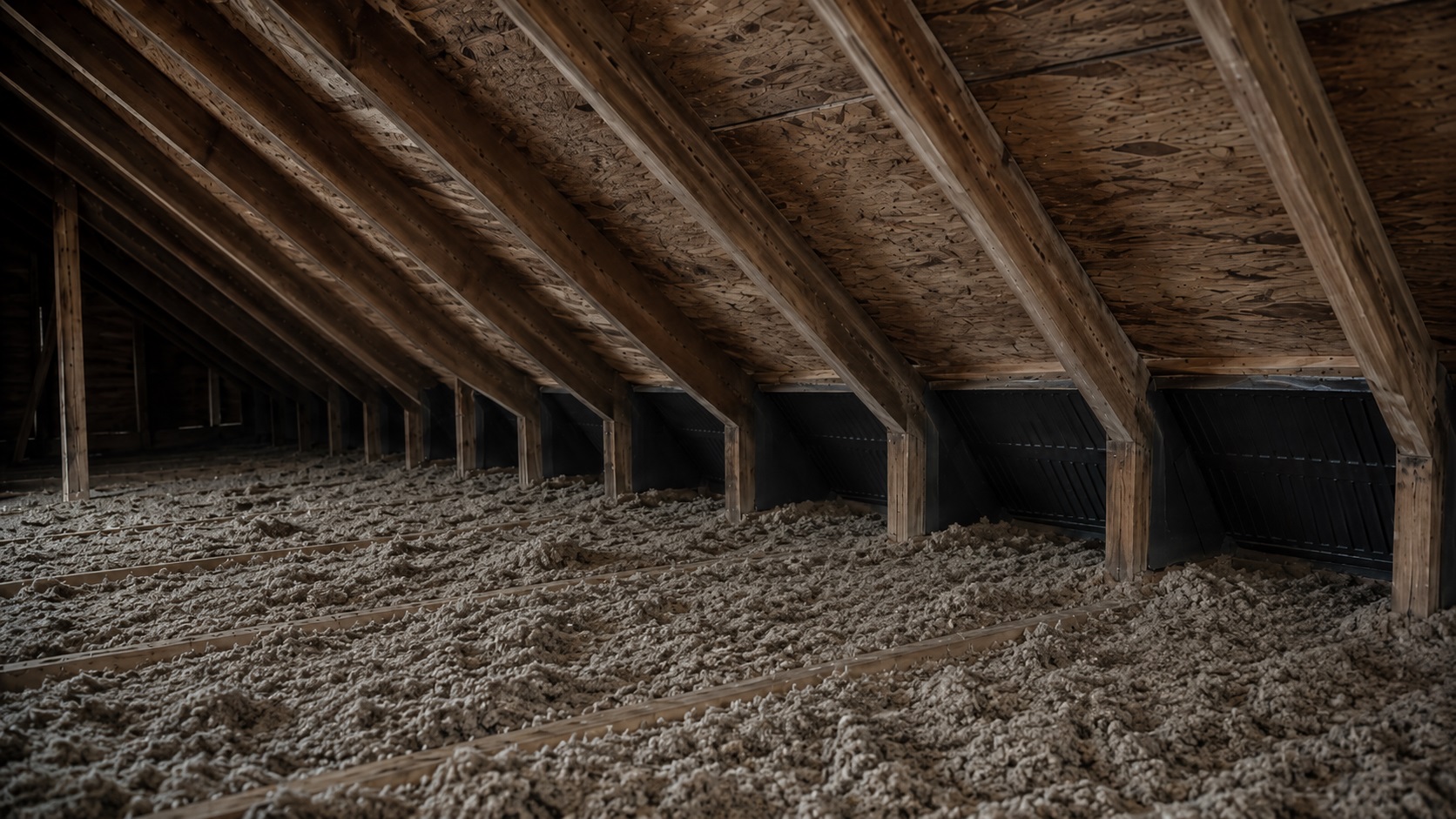
One common prevention strategy is keeping insulation pulled back from soffit or intake openings and using proper baffles where needed. Intake air should have a visible path into the attic instead of running into packed insulation at the roof edge.
It is also helpful to avoid placing storage items directly against roof edges or ventilation areas. Objects placed too close to airflow zones can create barriers that reduce ventilation effectiveness.
Keep Intake and Exhaust Vents Working Together
Proper ventilation depends on the ability of intake and exhaust vents to move air efficiently. Preventing moisture problems requires protecting these airflow points so that they continue operating as intended.
Intake vents provide fresh air to the attic, while exhaust vents remove warm, moisture-filled air. When either type of vent becomes restricted, airflow slows and humidity begins to accumulate.
Preventive protection means checking that exterior vents are not covered by leaves, paint, dust, bird nesting material, insulation, or roof debris. A vent can look present from a distance but still move very little air if the opening is partially blocked.
Maintaining awareness of vent conditions helps prevent minor airflow restrictions from developing into significant ventilation failures. If you suspect that airflow has already been reduced, reviewing how to inspect roof vents for blockages can help identify conditions that may interfere with airflow.
Balanced airflow between intake and exhaust vents is also essential. Adding or modifying ventilation components without considering airflow balance may unintentionally reduce ventilation performance.
If one side of the system is restricted, the attic may still hold humid air even when several vents are visible from outside.
Control Indoor Humidity to Reduce Attic Moisture
Indoor humidity levels play a major role in attic moisture prevention. Even with properly functioning ventilation, excessive indoor humidity can overwhelm airflow capacity and increase condensation risk.
Many daily household activities release moisture into indoor air. Cooking, showering, laundry, and dishwashing all introduce humidity that eventually rises into upper sections of the home.
Preventing attic moisture often begins by managing these indoor moisture sources. Reducing indoor humidity lowers the amount of moisture entering the attic and decreases the likelihood of condensation forming.
Bathroom and kitchen exhaust fans help only when they vent outdoors, not into the attic or soffit area. Fans that dump humid air into attic spaces can make roof ventilation problems worse instead of preventing moisture.
Laundry areas also contribute significant moisture to indoor air. Ensuring that dryers vent properly to the outside prevents excess humidity from circulating through the home.
Maintaining moderate indoor humidity levels supports long-term moisture prevention and helps ventilation systems function more effectively.
A simple hygrometer can help identify whether indoor humidity is staying elevated during cold or humid seasons. If indoor readings remain high, attic ventilation may reduce moisture movement, but it cannot fully compensate for a constant indoor moisture source.
Prevent Insulation from Blocking Airflow
Insulation plays an essential role in controlling temperature inside homes, but it can also interfere with ventilation if it blocks airflow pathways. Preventing insulation from obstructing airflow is one of the most important long-term strategies for reducing attic moisture problems.
Air entering the attic through intake areas must remain unobstructed as it travels upward. If insulation shifts or expands into airflow zones, fresh air cannot move freely into the attic. This restriction increases the likelihood of moisture becoming trapped inside the space.
Preventive awareness helps reduce this risk. Periodically observing insulation placement near lower roof sections helps ensure that airflow pathways remain open. Insulation should not press tightly against roof decking near intake locations.
Insulation movement may occur gradually due to seasonal temperature changes, vibration from wind, or attic activity. Over time, these changes can narrow airflow spaces and reduce ventilation performance. If the attic needs more than simple clearing or monitoring, the next step is learning how to improve airflow in attic spaces.
If airflow pathways appear restricted due to insulation movement, reviewing how to detect inadequate roof ventilation can help confirm whether airflow performance has been affected.
Prepare Your Attic for Seasonal Changes
Seasonal temperature shifts create changing moisture conditions inside attics. Preparing for these seasonal changes helps prevent unexpected condensation and humidity buildup. For the broader indoor pattern behind these changes, see how seasonal changes affect indoor moisture.
Winter conditions often create the highest risk of condensation. Warm indoor air rises into the attic and encounters cold surfaces, increasing the likelihood of moisture formation. Maintaining steady airflow during colder months helps reduce this risk.
During summer, outdoor humidity levels may increase significantly. High humidity combined with reduced airflow can allow moisture to remain trapped inside attic spaces. Monitoring attic conditions during humid periods supports early prevention.
Transitional seasons such as spring and fall often bring rapid temperature fluctuations. These changes create repeated condensation cycles that increase moisture exposure.
Preparing for seasonal changes involves maintaining awareness of airflow performance and recognizing how weather conditions affect moisture levels. If seasonal moisture patterns appear repeatedly, reviewing signs of roof condensation in attics can help confirm whether ventilation adjustments may be needed.
A quick seasonal check is most useful before winter condensation begins, after roof work, and after any insulation has been moved near the eaves.
Watch for Early Changes in Attic Conditions
Ongoing monitoring is an important part of preventing moisture problems. While ventilation systems are designed to function continuously, conditions inside the attic can change gradually over time.
Monitoring does not require detailed inspection procedures but instead focuses on observing general attic conditions. Watching for changes in temperature behavior, humidity levels, and visible moisture helps detect early warning signals.
For example, increased humidity levels inside the attic may indicate that airflow efficiency has declined. Similarly, unexpected moisture patterns may suggest that airflow pathways have become restricted.
Routine awareness helps identify small changes before they develop into larger moisture problems. Do not ignore wet insulation, dark roof sheathing, active dripping, electrical hazards, or sagging wood; those conditions require more than routine ventilation maintenance. If warning signs begin to appear, reviewing signs of poor attic ventilation can help determine whether preventive adjustments are needed.
Common Prevention Mistakes to Avoid
Most ventilation-prevention mistakes come from assuming that vents are working just because they are present. The bigger question is whether air can still move from intake to exhaust without obstruction.
Assuming Ventilation Never Changes
One of the most common prevention mistakes is assuming that ventilation systems remain effective without monitoring. Over time, conditions inside the attic can shift due to insulation movement, seasonal weather patterns, or gradual airflow changes.
Without ongoing awareness, small airflow restrictions may go unnoticed until moisture problems begin to develop. Monitoring ventilation performance periodically helps ensure that airflow conditions remain stable.
Blocking Airflow with Storage or Insulation
Placing storage items too close to roof edges or allowing insulation to shift into airflow pathways can reduce ventilation effectiveness. Even partial blockage can slow airflow enough to allow moisture accumulation.
Ignoring Indoor Moisture Sources
Indoor humidity plays a major role in attic moisture prevention. Failing to control indoor moisture levels increases the amount of humidity entering the attic, even when ventilation systems function properly.
Common indoor moisture sources include bathrooms, kitchens, and laundry areas. Using exhaust fans consistently helps reduce moisture movement into attic spaces.
Overlooking Early Warning Signs
Preventive maintenance becomes less effective when early warning signs are ignored. Subtle indicators such as mild condensation, rising humidity, or slight musty odors often appear before severe moisture damage develops.
If these warning signs occur, reviewing signs of moisture in attic insulation can help determine whether moisture conditions are beginning to affect insulation materials.
Relying Only on One Ventilation Component
Ventilation systems depend on coordinated airflow between intake and exhaust vents. Focusing only on one component without considering overall airflow balance may reduce ventilation efficiency.
FAQ: How to Prevent Moisture Problems with Proper Roof Ventilation
What is the most important step for preventing attic moisture with roof ventilation?
The most important step is keeping the airflow path open from intake vents to exhaust vents. If insulation, storage, debris, or blocked vent openings interrupt that path, moisture can remain trapped even when vents are present.
Can attic vents prevent moisture if indoor humidity is too high?
Attic vents help remove humid air, but they cannot fully overcome a constant indoor moisture source. Bathroom fans, kitchen fans, dryer vents, and other moisture-producing systems should exhaust outdoors so excess humidity does not keep moving into the attic.
How often should I check attic ventilation for moisture prevention?
Check general attic conditions during seasonal changes, after insulation work, after roof work, and during periods of cold weather or high humidity. Look for blocked intake areas, damp insulation, condensation, musty odors, or darkened roof sheathing.
Should insulation touch the roof decking near intake vents?
Insulation should not block the intake air path near lower roof edges. In many attics, baffles or clear air channels are needed so air can enter through soffit or intake vents and move upward through the attic.
When is ventilation maintenance not enough?
Ventilation maintenance is not enough when insulation is already wet, roof sheathing is dark or soft, water is dripping, mold is spreading, or wood appears damaged. Those signs require diagnosis and repair, not just routine prevention.
Conclusion
Preventing attic moisture with roof ventilation comes down to keeping the airflow path open, balancing intake and exhaust, controlling indoor humidity, and checking the attic before seasonal moisture patterns become serious.
If condensation, damp insulation, musty odors, or dark roof sheathing begin to appear, treat those signs as evidence that prevention may no longer be enough. In that case, review how to detect inadequate roof ventilation and correct the airflow problem before moisture damage spreads.
Key Takeaways
- Keep soffit or intake openings clear so air can enter the attic.
- Make sure exhaust vents are not blocked by debris, paint, nesting material, or roof obstructions.
- Keep insulation from pressing into intake air channels near the lower roof edge.
- Use bathroom, kitchen, and dryer exhaust systems that vent outdoors, not into the attic.
- Check the attic during cold, humid, or rapidly changing weather for condensation, damp insulation, or dark roof sheathing.