
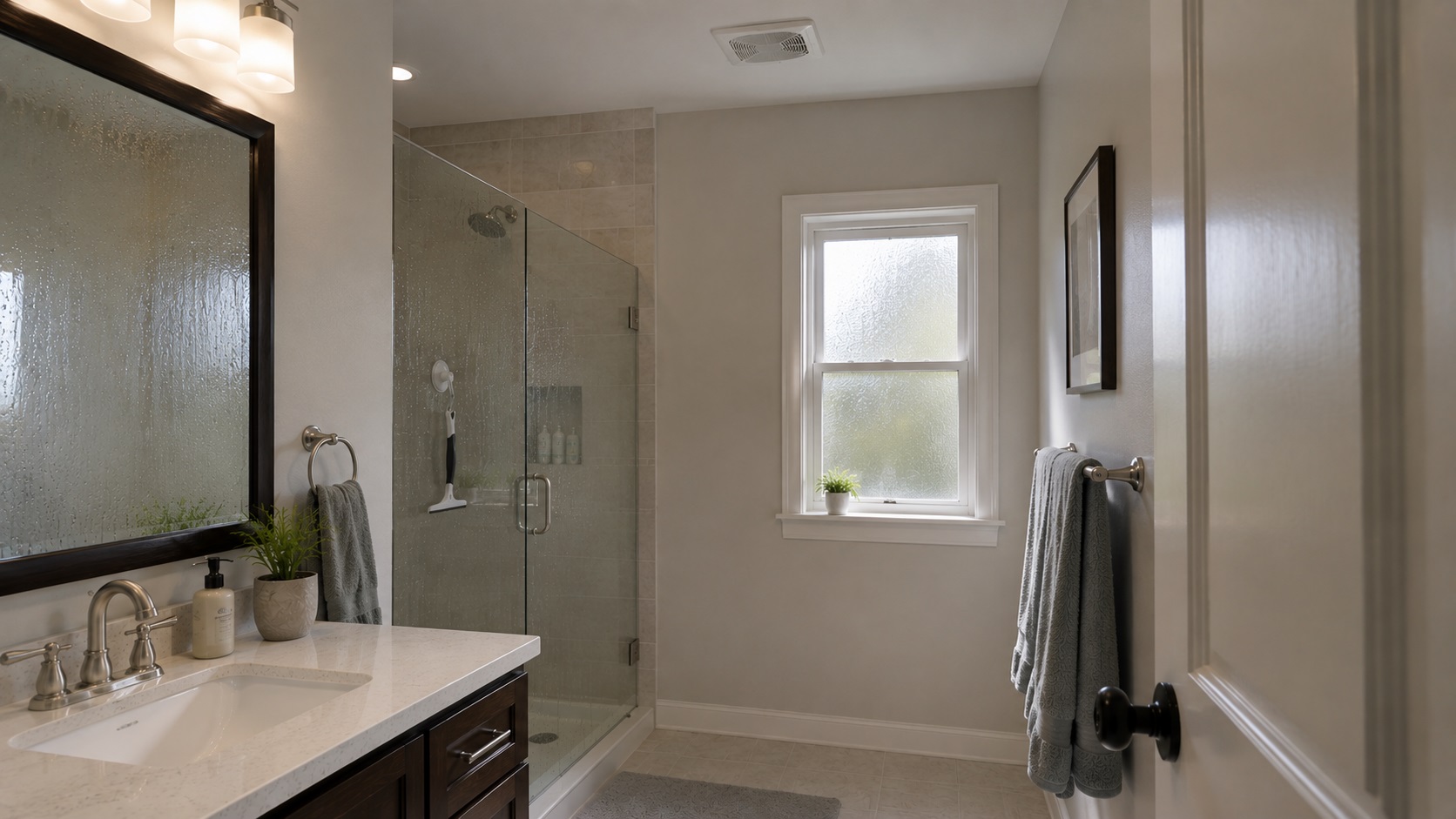
How to Prevent Mold on Bathroom Walls (Practical Bathroom Moisture Control Strategies)
Bathroom walls are one of the most common places for mold to develop because bathrooms produce large amounts of moisture in short periods of time. Hot showers, steam buildup, and limited airflow create the ideal conditions for mold spores to settle and grow on painted wall surfaces.
Fortunately, most bathroom mold problems can be prevented by controlling humidity, improving ventilation, and helping surfaces dry faster after moisture exposure. Prevention is far easier than removal, especially when small daily habits reduce moisture before mold has a chance to form.
If mold has already appeared or keeps returning, it often indicates that moisture levels are not being reduced quickly enough. For broader moisture-prevention planning beyond the bathroom, see how to prevent recurring moisture damage before the same problem spreads or returns.
Why Bathrooms Are Prone to Mold Growth
Bathrooms create unique moisture conditions that make mold growth more likely than in most other rooms. Each shower releases large amounts of warm, humid air into a relatively small space. Without proper airflow, that moisture remains trapped and settles onto walls and ceilings.
This repeated moisture cycle is what makes bathroom walls especially vulnerable to mold formation.
How Shower Steam Raises Humidity Quickly
Hot showers release steam that fills the bathroom with moisture-heavy air. In many homes, humidity can rise from normal indoor levels to mold-friendly levels within minutes of starting a shower.
When humidity rises quickly, surfaces such as painted walls, ceilings, and fixtures begin collecting condensation. This happens even if water is not visibly running down the wall.
Repeated exposure to steam without proper drying allows mold spores to settle and grow along surface areas over time.
Why Warm Moisture Collects Near the Ceiling
Warm, humid air naturally rises. This causes moisture to accumulate near ceiling edges and upper wall corners. These areas often stay damp longer than lower sections of the wall, especially when ventilation is weak.
That is why mold frequently appears in:
- Upper wall corners
- Ceiling edges
- Areas above showers or tubs
- Behind ceiling fixtures
If mold repeatedly forms near the ceiling, it usually indicates that moisture is not being removed quickly enough after showers.
If stains, musty odors, soft drywall, or recurring ceiling-edge mold appear together, the problem may go beyond surface humidity and should be checked before repainting or sealing the area.
How Condensation Forms on Bathroom Walls
Condensation occurs when warm humid air contacts cooler surfaces. In bathrooms, painted drywall and tile surfaces often become cooler than the surrounding air, especially along exterior walls.
This temperature difference causes water vapor to convert into liquid moisture on wall surfaces. Even when condensation is not clearly visible, microscopic moisture remains long enough to support mold growth.
Condensation-driven mold problems typically appear in predictable locations such as:
- Exterior bathroom walls
- Wall corners
- Behind cabinets or fixtures
- Near windows
When condensation patterns repeat daily, they create the steady moisture conditions that allow mold to develop over time.
Why Small Bathrooms Have Higher Mold Risk
Smaller bathrooms are more vulnerable to mold because moisture accumulates faster in confined spaces. With less air volume available, humidity rises quickly and remains elevated longer.
Bathrooms without windows face additional risk because they depend entirely on mechanical ventilation to remove moisture. If airflow is weak or inconsistent, moisture lingers on surfaces long after showers end.
In these environments, mold prevention depends heavily on maintaining airflow and ensuring that moisture levels return to normal within a short period after bathing.
Daily Habits That Prevent Mold on Bathroom Walls
Most bathroom mold problems are not caused by a single event, but by repeated daily moisture exposure. Small habits performed consistently can significantly reduce the moisture that allows mold to grow on bathroom walls. These daily practices help interrupt the moisture cycle before mold has time to develop.
Use the Exhaust Fan During Every Shower
Running the exhaust fan during showers is one of the most important daily habits for preventing mold. The fan removes humid air before it can settle on walls and ceilings.
The fan should be turned on:
- Before starting the shower
- During the entire shower
- Immediately after the shower ends
Starting the fan early helps prevent humidity from building to high levels. Waiting until after the shower allows steam to accumulate and settle onto surfaces.
Keep the Fan Running After Showering
Many homeowners turn off the exhaust fan as soon as the shower ends. However, humidity often remains elevated for several minutes after bathing.
Allowing the fan to continue running helps remove remaining moisture before it condenses onto walls.
A common guideline is to run the fan:
- For at least 20 to 30 minutes after showering
- Until mirrors and surfaces are completely dry
- Until humidity levels return to normal
This extra drying time is critical for preventing recurring mold problems.
Leave the Bathroom Door Open After Use
Opening the bathroom door after showering improves airflow and allows humid air to escape into larger spaces where it can dissipate more quickly.
Keeping the door closed traps moisture inside the bathroom and slows drying. Even when an exhaust fan is running, opening the door can improve air circulation and speed moisture removal.
This simple habit can significantly reduce how long walls remain damp.
Wipe Down Wet Surfaces When Needed
Removing standing moisture from surfaces helps prevent water from remaining long enough to support mold growth. This step is especially useful in bathrooms that experience frequent condensation.
Focus on wiping areas such as:
- Walls near the shower
- Upper wall corners with visible moisture
- Tile transitions and painted surfaces
- Areas where water droplets collect
Even a quick wipe can reduce drying time and lower mold risk.
Hang Towels and Mats Where They Can Dry
Wet towels and bath mats release moisture into the air as they dry. When towels remain bunched or poorly ventilated, they prolong humidity levels inside the bathroom.
To reduce moisture buildup:
- Hang towels fully extended
- Allow air circulation around fabric
- Remove damp items promptly
- Avoid stacking wet materials
Proper drying habits help reduce overall moisture load inside the room.
Reduce Steam When Possible
Extremely hot showers produce more steam than moderately warm showers. Reducing steam levels lowers humidity spikes and shortens drying time.
Helpful adjustments include:
- Using slightly lower water temperatures
- Limiting shower duration
- Running ventilation early during bathing
These small changes help maintain safer humidity levels inside the bathroom.
If humidity levels remain high despite daily habits, it may be helpful to review recommended humidity levels for preventing mold to ensure indoor moisture remains within safe ranges.
Ventilation Strategies That Prevent Mold on Bathroom Walls
Ventilation plays a major role in preventing mold on bathroom walls because it removes moisture before it can settle onto surfaces. Even small improvements in airflow can significantly reduce drying time and lower mold risk. Bathrooms that stay dry after showers rarely develop recurring mold problems.
Use the Correct Size Exhaust Fan
An undersized exhaust fan may run continuously but still fail to remove enough moisture. Fan capacity is typically measured in cubic feet per minute (CFM), which indicates how much air the fan can move.
Bathrooms require adequate airflow to keep humidity levels from remaining elevated after showers.
As a simple homeowner check, the fan should pull a piece of toilet paper or tissue firmly against the grille while running. If airflow feels weak, the grille may be clogged, the duct may be restricted, or the fan may be undersized for the room.
Signs your exhaust fan may be undersized include:
- Mirrors remain fogged long after showering
- Walls stay damp for extended periods
- Musty odors persist in the bathroom
- Mold returns despite regular cleaning
Upgrading to a properly sized fan can dramatically improve moisture removal and reduce long-term mold risk.
Keep Exhaust Fans Clean and Maintained
Dust buildup inside exhaust fans reduces airflow and limits their effectiveness. Over time, clogged fan blades and ducts prevent moisture from being removed efficiently.
Regular maintenance helps ensure consistent airflow.
Maintenance tasks include:
- Cleaning fan covers regularly
- Checking ducts for obstructions
- Ensuring vents exhaust outdoors properly
- Replacing damaged or malfunctioning units
Even a properly sized fan will not perform well if airflow becomes restricted.
Improve Natural Air Movement When Possible
Natural airflow can support mechanical ventilation when conditions allow. Opening windows and doors encourages moisture to move out of the bathroom more quickly.
However, natural ventilation is not always reliable, especially in humid climates where outdoor air contains high moisture levels.
Helpful natural airflow practices include:
- Opening windows during dry weather
- Allowing airflow through adjacent rooms
- Reducing airflow blockages inside the bathroom
Combining natural airflow with mechanical ventilation often provides the best results.
Allow Air to Reach All Bathroom Surfaces
Some areas inside bathrooms receive very little airflow. These locations remain damp longer and often become mold hotspots.
High-risk airflow zones include:
- Behind bathroom doors
- Above cabinets
- Behind shower curtains
- Inside tight wall corners
Adjusting airflow direction or using small fans can help moisture evaporate more evenly across surfaces.
Humidity Control Methods That Reduce Mold Risk
Controlling humidity is one of the most effective ways to prevent mold growth on bathroom walls. When humidity remains too high for extended periods, mold spores can settle and grow even when surfaces appear dry.
Monitor Bathroom Humidity Levels
Tracking humidity levels helps identify whether moisture is returning to safe levels after showers. Many homeowners are unaware that humidity may remain elevated long after surfaces appear dry.
Ideal indoor humidity ranges typically fall between:
- 30% to 50% for normal indoor conditions
- Below 60% to reduce mold risk
Humidity monitoring allows homeowners to confirm whether ventilation strategies are working effectively.
Use Dehumidifiers in High-Moisture Areas
In bathrooms that experience frequent humidity buildup, portable dehumidifiers can help maintain safe moisture levels. These devices remove moisture directly from the air, reducing the amount that settles on walls.
Dehumidifiers are particularly useful in:
- Windowless bathrooms
- Basement bathrooms
- Homes with persistent humidity problems
- Bathrooms with limited ventilation
Maintaining recommended settings helps prevent excessive dryness while still reducing mold risk.
For homeowners adjusting equipment settings, reviewing best dehumidifier settings for preventing mold provides helpful guidance for maintaining safe humidity levels.
Reduce Whole-Home Humidity Levels
Bathroom mold sometimes results from moisture problems elsewhere in the home. High humidity in living spaces can move into bathrooms and contribute to recurring mold growth.
Common contributors to whole-home humidity include:
- Indoor clothes drying
- Poor ventilation in kitchens
- Leaks or condensation in other rooms
- Improper use of humidifiers
Addressing moisture throughout the home supports bathroom mold prevention efforts.
Tools That Help Track Bathroom Moisture Problems
Preventing mold becomes easier when moisture conditions can be measured rather than guessed. Monitoring tools help confirm whether ventilation and humidity control strategies are working properly.
Using Hygrometers to Track Humidity
A hygrometer measures indoor humidity and helps determine whether moisture levels remain elevated after showers. This is especially useful when mold continues returning despite normal cleaning and ventilation habits because it can reveal:
- Humidity spikes after showers
- Bathrooms that remain damp too long
- Hidden moisture patterns
- Whether ventilation changes are effective
For more help choosing one, see Best Hygrometers for Home Humidity.
Using Moisture Meters for Recurring Problem Areas
If mold repeatedly appears in the same location, deeper moisture inside the wall may be involved. A moisture meter can help check problem areas such as:
- Repeatedly damp wall areas
- Wall sections near plumbing fixtures
- Bubbling or stained paint
- Areas that feel slow to dry
For more information, see Best Moisture Meters for Hidden Water Damage.
Common Bathroom Mold Prevention Mistakes
Most recurring bathroom mold problems come from moisture that remains after the room looks clean. The most common mistakes are turning the exhaust fan off too soon, keeping the door closed after showers, ignoring repeated condensation, and storing items tightly against walls where air cannot circulate.
To prevent these problems, keep the fan running until surfaces dry, leave space around walls and fixtures, wipe repeated condensation, and treat mold that returns in the same location as a moisture warning rather than a cleaning problem.
Long-Term Strategies to Prevent Mold on Bathroom Walls
Daily habits play an important role in preventing mold, but long-term strategies provide lasting protection against recurring growth. These solutions focus on maintaining healthy moisture conditions throughout the life of the bathroom.
Improve Bathroom Ventilation Systems
Bathrooms that experience frequent humidity buildup often benefit from upgraded ventilation systems. Installing a properly sized exhaust fan improves airflow and reduces moisture accumulation.
Modern ventilation upgrades may include:
- Higher-capacity exhaust fans
- Timers that extend fan operation automatically
- Humidity-sensing fan controls
- Improved duct routing for efficient airflow
These improvements help maintain consistent drying conditions after showers.
Maintain Bathroom Surfaces Regularly
Regular maintenance prevents residue buildup that supports mold growth. Soap residue, dust, and moisture create a surface environment that allows spores to settle more easily.
Helpful maintenance steps include:
- Cleaning surfaces regularly
- Removing buildup from walls and fixtures
- Monitoring areas prone to condensation
- Addressing moisture problems promptly
Maintaining clean surfaces reduces the nutrients available for mold growth.
Do not paint over recurring mold, stains, or bubbling paint until the moisture source is corrected. Covering the area can trap moisture and allow the problem to continue behind the surface.
Monitor for Hidden Moisture Conditions
Some bathrooms develop mold due to hidden moisture sources that are not immediately visible. Checking for signs of hidden moisture helps prevent unnoticed buildup behind wall surfaces.
Watch for warning signs such as:
- Peeling or bubbling paint
- Recurring stains on walls
- Persistent dampness in corners
- Musty odors that return quickly
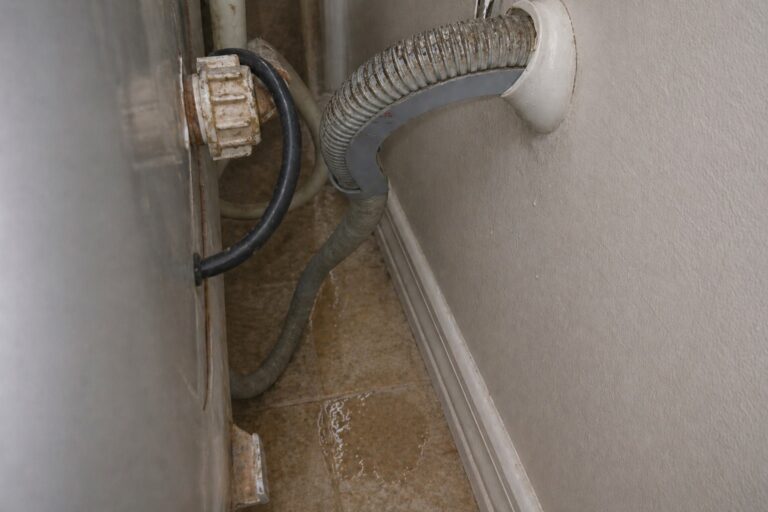
If mold returns in the exact same location repeatedly, a hidden plumbing leak may be involved rather than general humidity alone.
Possible signs of hidden leaks include:
- Mold forming in the same spot repeatedly
- Paint bubbling or staining in one area
- A musty odor that persists after cleaning
- Wall sections that feel cooler or softer than nearby areas
If these signs appear, investigate the moisture source before repainting or cleaning again. Recognizing signs of hidden moisture in walls can help determine whether the issue is surface humidity or a deeper wall problem. For step-by-step leak tracing, see how to find hidden water leaks inside walls.
Frequently Asked Questions About Preventing Mold on Bathroom Walls
How long should I run the bathroom fan after a shower?
Most bathrooms benefit from running the exhaust fan for 20 to 30 minutes after showering. This allows enough time for humidity levels to drop and surfaces to dry completely.
Can opening a window prevent bathroom mold?
Opening a window can help when outdoor air is dry, but it may not be effective in humid climates. Mechanical ventilation, such as an exhaust fan, is usually more reliable for removing moisture.
Why does mold grow even when I clean regularly?
Cleaning removes visible mold but does not eliminate moisture conditions. Mold returns when humidity remains elevated or drying is incomplete after showers.
Are small bathrooms more likely to develop mold?
Yes. Smaller bathrooms trap moisture more easily because there is less air volume available to absorb humidity. Proper ventilation is especially important in confined spaces.
Is it possible to prevent bathroom mold completely?
While no environment is completely immune, maintaining proper ventilation, controlling humidity, and drying surfaces quickly can greatly reduce the chances of mold forming.
Key Takeaways for Preventing Bathroom Wall Mold
- Bathrooms are highly prone to mold due to frequent humidity spikes from showers.
- Running exhaust fans during and after showers helps remove moisture quickly.
- Opening doors and improving airflow speeds up drying time.
- Humidity monitoring helps confirm whether bathroom moisture levels return to safe ranges after showers.
- Recurring mold in the same location may indicate hidden moisture rather than surface humidity alone.
One Comment
Comments are closed.