
How to Prevent Mold Around Windows
Mold around windows is one of the most common moisture-related problems in homes, especially in areas with high humidity or seasonal temperature changes. Preventing mold before it forms is far easier than removing it later. Most window mold problems begin with excess moisture, poor airflow, or repeated condensation that goes unmanaged over time.
To prevent mold around windows, keep indoor humidity under control, wipe condensation before it soaks into trim, improve airflow around window coverings, and maintain seals where moisture can enter. These steps reduce the repeated dampness that allows mold to grow. If the frame, trim, or surrounding wall already feels damp, first detect moisture around window frames so you are not sealing or covering an active moisture problem.
This article belongs to the broader guide on how windows and doors cause hidden moisture problems, which explains how moisture forms, enters, and lingers around vulnerable openings before mold or structural damage develops.
Why Mold Forms Around Windows
Understanding why mold develops around windows is the first step in preventing it. Mold requires three primary conditions to grow: moisture, organic material, and suitable temperatures. Window areas naturally provide all three conditions when moisture is allowed to accumulate repeatedly.
Several common factors contribute to mold growth around windows. These conditions often develop slowly, making prevention especially important.
Condensation Buildup on Window Surfaces
Condensation is one of the leading causes of mold growth around windows. When warm indoor air contacts a cool window surface, moisture forms as water droplets. Over time, repeated condensation cycles create damp conditions along trim, sills, and surrounding materials.
Condensation problems often worsen during colder months when indoor humidity remains high. Understanding the underlying causes of condensation helps prevent recurring moisture buildup. A more detailed explanation can be found in why windows develop condensation and mold, which explains how temperature differences and humidity levels create ideal mold conditions.
Humidity Imbalance Inside the Home
High indoor humidity increases the amount of moisture available in the air. When humidity remains elevated, surfaces near windows are more likely to stay damp for longer periods. Mold spores require only small amounts of moisture to begin growing, making humidity control essential for prevention.
Common sources of indoor humidity include:
- Cooking and boiling water
- Hot showers and baths
- Drying laundry indoors
- Poor ventilation in bathrooms and kitchens
- Outdoor humidity entering through open windows
When humidity levels remain too high, even well-sealed windows can develop condensation and mold over time.
Poor Airflow Around Window Areas
Limited airflow allows moisture to remain trapped near window surfaces. When air movement is restricted, damp conditions last longer, increasing the likelihood of mold development.
Airflow problems often occur when:
- Furniture blocks window areas
- Heavy curtains restrict air movement
- Blinds remain closed for extended periods
- Ventilation systems are insufficient
- Rooms remain closed off for long periods
Improving airflow helps surfaces dry faster and reduces moisture accumulation around window trim and sills.
Control Indoor Humidity to Prevent Mold
Managing indoor humidity is one of the most effective ways to prevent mold around windows. Mold growth becomes less likely when humidity remains within a safe range. Most homes benefit from maintaining humidity levels between 30% and 50%.
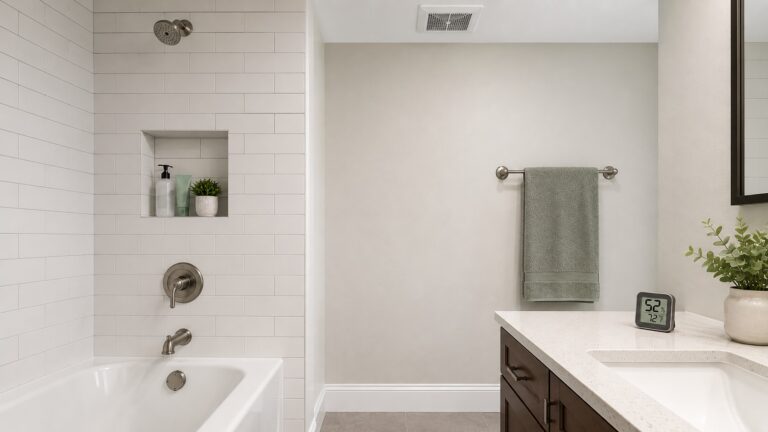
A small digital hygrometer can help you confirm whether humidity is staying in a safer range or rising during cooking, showering, rainy weather, or closed-window seasons.
Maintain Ideal Humidity Levels
Keeping humidity within recommended limits significantly reduces the risk of mold formation. Monitoring humidity helps identify conditions that may lead to condensation before visible problems develop.
Indoor humidity may increase during:
- Cold weather seasons
- Rainy or humid outdoor conditions
- Periods of limited ventilation
- High indoor moisture activity
If readings frequently rise above the recommended range, use ventilation, exhaust fans, or a dehumidifier before condensation begins forming on the glass or trim.
Use Dehumidifiers in Problem Areas
Dehumidifiers remove excess moisture from indoor air, helping maintain balanced humidity levels. They are especially useful in rooms where condensation occurs frequently, such as bedrooms, basements, and bathrooms.
Dehumidifiers may be particularly helpful when:
- Humidity remains consistently high
- Condensation forms regularly on windows
- Rooms feel damp or musty
- Mold has appeared previously in window areas
Using a dehumidifier consistently helps reduce moisture buildup and supports long-term mold prevention.
For more detailed measurement steps, see how to test indoor humidity levels so you can confirm whether humidity is actually high or whether the window area has a separate moisture source.
Improve Airflow Around Windows
Airflow plays a major role in preventing mold around windows. When air circulates freely, moisture evaporates more quickly and surfaces remain dry. Poor airflow allows damp conditions to persist, increasing the likelihood of mold growth on trim, sills, and nearby wall surfaces.
Keep Airflow Pathways Open
Blocked airflow is one of the most common reasons moisture remains trapped around windows. Furniture, decorations, and window coverings often restrict natural air movement, especially during colder months when windows remain closed.
Maintaining clear airflow pathways allows warm indoor air to circulate evenly throughout the room, reducing cold spots where condensation typically forms.
Airflow can be improved by:
- Keeping furniture several inches away from window walls
- Avoiding heavy curtains that seal tightly against trim
- Opening blinds periodically to allow airflow behind them
- Ensuring vents near windows remain unobstructed
- Allowing fresh air circulation when weather permits
Even small airflow improvements can help reduce moisture retention along window edges.
Use Fans Strategically
Fans help move air across window surfaces, speeding up evaporation and preventing moisture from settling on trim and sills. This is especially helpful during humid weather or in rooms where condensation occurs frequently.
Strategic fan use may include:
- Running ceiling fans during humid conditions
- Using portable fans to increase circulation
- Operating exhaust fans in bathrooms and kitchens
- Running ventilation systems during moisture-producing activities
Consistent air movement helps maintain dry surfaces and supports long-term mold prevention.
Reduce Condensation on Window Surfaces
Condensation control is one of the most effective prevention strategies for window mold. Reducing condensation minimizes moisture exposure on trim and surrounding materials, lowering the chance of mold growth.
Condensation usually appears when warm indoor air meets a cooler glass, frame, or trim surface. This article focuses on prevention steps; for the full cause explanation, see why windows develop condensation and mold.
Balance Indoor Temperatures
Maintaining consistent indoor temperatures helps reduce cold surfaces that encourage condensation. When temperatures fluctuate widely, moisture is more likely to form on window glass and surrounding trim.
Temperature balance can be improved by:
- Keeping interior temperatures stable throughout the day
- Avoiding rapid heating or cooling changes
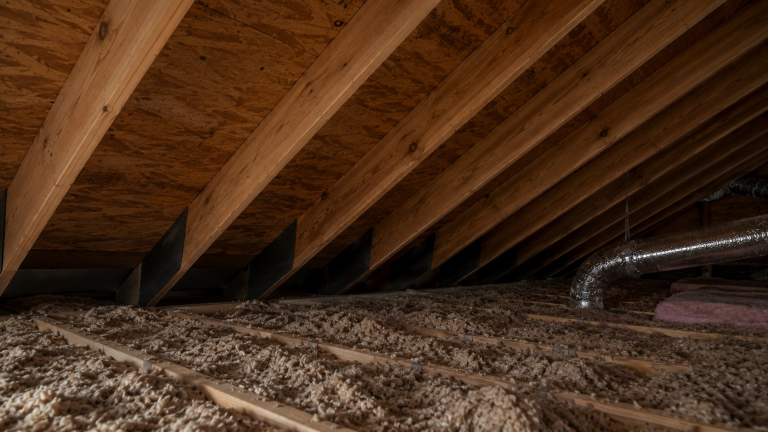
- Using insulation to reduce cold spots near windows
- Maintaining even airflow throughout rooms
Stable temperatures reduce condensation buildup and help prevent moisture accumulation around window materials.
Improve Insulation Around Window Areas
Proper insulation helps maintain warmer interior surfaces, reducing the likelihood of condensation. Poor insulation creates temperature differences that allow moisture to form more easily on window surfaces.
Insulation-related improvements may include:
- Ensuring insulation remains intact around window frames
- Identifying areas where drafts occur
- Reducing gaps that allow cold air infiltration
- Maintaining consistent thermal barriers
Improved insulation helps stabilize temperatures and supports long-term moisture control, but wet, soft, or stained materials around a window should be dried and investigated before they are covered or sealed.
Maintain Window Seals, Trim, and Small Gaps
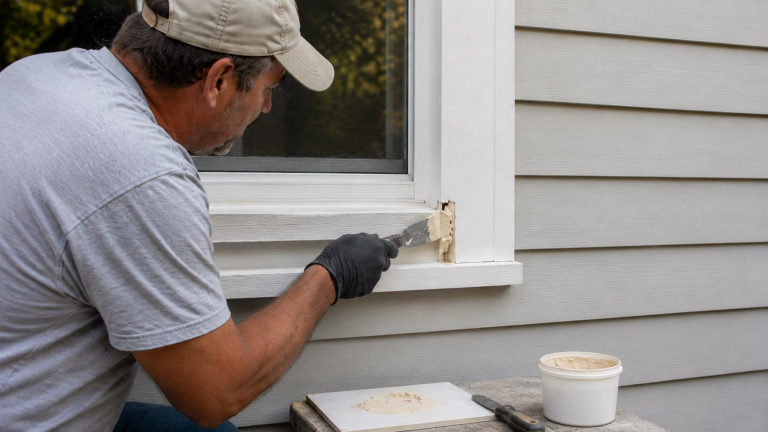
Window seals and trim protect interior materials from moisture exposure. Over time, seals may weaken or develop small gaps that allow moisture to enter. Regular maintenance helps prevent water intrusion that could lead to mold growth.
Even small gaps can allow moisture to accumulate behind trim surfaces, creating hidden conditions that support mold development.
Inspect Caulking Regularly
Caulking helps seal gaps between window frames and surrounding materials. Regular inspection helps identify areas where caulking has cracked, separated, or deteriorated.
Signs of deteriorating caulking may include:
- Visible cracks along trim edges
- Gaps forming between trim and walls
- Areas where caulking appears brittle
- Water stains appearing near seams
Check these areas after wind-driven rain and during condensation-heavy seasons. Interior caulk can help block small air gaps, but it should not be used to trap moisture inside wet trim or hide an active leak.
Seal Minor Gaps Promptly
Minor gaps around window trim can allow moisture infiltration during humid weather or storms. Sealing these openings helps maintain dry interior surfaces and reduces long-term mold risk.
Common areas to inspect include:
- Corners where trim meets walls
- Joints between trim sections
- Areas where paint has separated
- Edges near window sills
Addressing minor interior gaps early can reduce damp air movement and surface wetting. If staining, soft trim, peeling paint, or recurring dampness is already present, identify the moisture source before resealing.
Keep Window Areas Dry
Maintaining dry surfaces around windows is a simple but highly effective mold prevention strategy. Moisture that remains on surfaces provides the conditions mold needs to grow. Removing moisture quickly reduces the chance of long-term contamination.
Wipe Moisture Promptly
Condensation that remains on window surfaces for long periods increases the risk of mold development. Promptly wiping moisture helps prevent repeated wetting cycles that damage trim materials.
Regular wiping is especially helpful during:
- Cold weather seasons
- Periods of high indoor humidity
- Early morning condensation buildup
- Storm-related humidity spikes
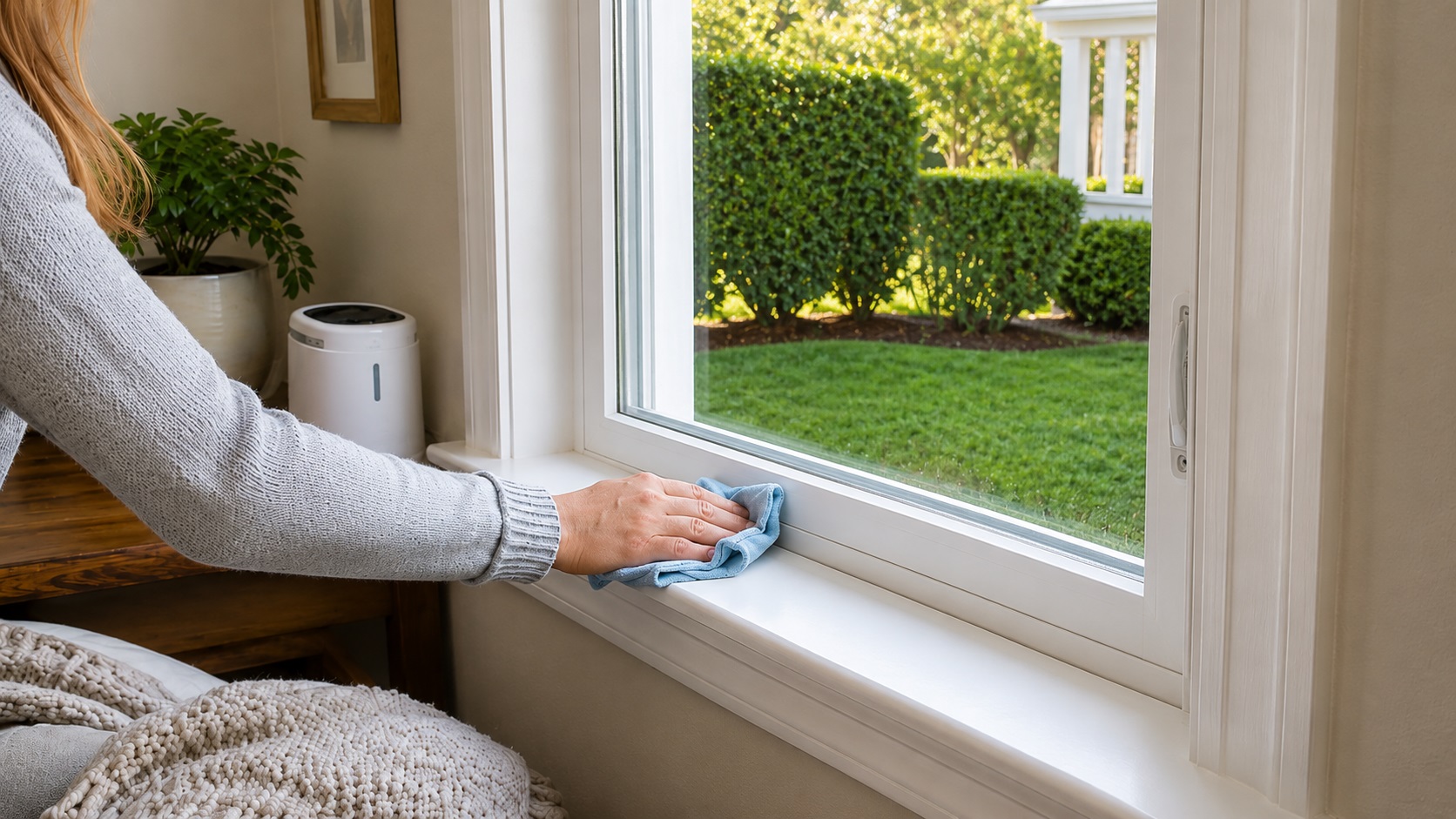
Use an absorbent towel on the glass edge, sill, lower trim, and corners where droplets collect. If condensation returns daily, wiping alone is not enough; reduce humidity or improve airflow so the same surfaces do not stay damp every morning.
Dry Surfaces Consistently
Drying surfaces after moisture exposure prevents water from soaking into trim materials. Even small amounts of moisture can accumulate over time, creating favorable conditions for mold growth.
Lower window areas are particularly vulnerable to moisture accumulation. Preventing moisture buildup at the sill helps reduce mold risk throughout the entire window assembly. Additional targeted strategies can be found in prevent mold on window sills, which explains how moisture management at the sill supports overall window protection.
Long-Term Strategies to Prevent Mold Around Windows
Short-term moisture control helps reduce immediate mold risk, but long-term prevention depends on consistent habits and periodic inspections. Mold problems often return when preventive routines are inconsistent or seasonal changes are not anticipated.
Adjust Prevention Methods Seasonally
Seasonal weather changes affect humidity levels, indoor temperature differences, and condensation risk. Adjusting prevention methods throughout the year helps maintain stable moisture conditions.
Seasonal adjustments may include:
- Increasing humidity control during winter months
- Improving ventilation during humid summer periods
- Monitoring windows more closely during rainy seasons
- Adjusting airflow strategies when heating or cooling patterns change
Seasonal awareness helps prevent unexpected moisture buildup that could lead to mold formation.
Perform Routine Window Area Inspections
Routine inspections allow early detection of moisture conditions that may lead to mold growth. Checking window areas regularly helps identify small problems before they become larger concerns.
Inspection routines may include:
- Looking for early signs of condensation buildup
- Checking trim surfaces for discoloration
- Inspecting seals and joints for visible gaps
- Monitoring areas where moisture has occurred previously
If the same window repeatedly shows condensation, discoloration, or damp trim, treat it as a recurring moisture pattern rather than a one-time cleaning issue.
FAQ: How to Prevent Mold Around Windows
How do I stop mold from forming around windows?
Stopping mold from forming around windows requires controlling indoor humidity, improving airflow, drying condensation quickly, and maintaining seals around trim and frames. These steps reduce the repeated dampness that allows mold to grow.
Does wiping condensation prevent mold?
Yes. Wiping condensation helps prevent moisture from soaking into trim materials. Removing moisture promptly reduces repeated wetting cycles that support mold growth.
What humidity level prevents mold near windows?
Maintaining indoor humidity between 30% and 50% helps reduce mold risk. Levels above this range increase condensation potential and create favorable mold conditions.
Do dehumidifiers help prevent window mold?
Yes. Dehumidifiers help remove excess moisture from indoor air, reducing condensation and maintaining balanced humidity levels. They are especially helpful in humid environments or areas prone to moisture buildup.
Why does mold keep returning around windows?
Mold usually returns when moisture conditions remain unresolved. Repeated condensation, high indoor humidity, poor airflow, failing seals, or hidden dampness around the frame can allow mold to reappear even after cleaning.
Can airflow prevent mold near windows?
Yes. Airflow helps dry damp surfaces quickly, reducing the time moisture remains present. Improved ventilation and consistent air movement help prevent mold growth around window areas.
Conclusion: Preventing Window Mold Requires Consistent Moisture Control
Preventing mold around windows depends on maintaining dry conditions, balanced humidity, and consistent airflow. Mold rarely develops without moisture, making moisture control the most effective prevention strategy.
Small habits, such as wiping morning condensation, opening airflow around window coverings, and checking damp trim after storms, support long-term protection against mold growth. Seasonal adjustments and routine inspections help identify window moisture problems before they become serious.
If moisture keeps returning around the same window after humidity, airflow, and drying habits have been improved, the problem may involve a leak path, failing seal, or hidden moisture around the opening. In that case, review how to fix persistent moisture around windows before treating the issue as a simple surface mold problem.
Key Takeaways
- Mold prevention begins with controlling moisture levels around window areas.
- Maintaining indoor humidity between 30% and 50% reduces mold risk.
- Improving airflow helps surfaces dry faster and prevents moisture buildup.
- Reducing condensation significantly lowers mold formation potential.
- Regular inspection of seals and trim helps prevent hidden moisture problems.
- Consistent long-term prevention habits provide the best protection against mold recurrence.
3 Comments
Comments are closed.