How to Prevent Moisture Build-Up in Basements
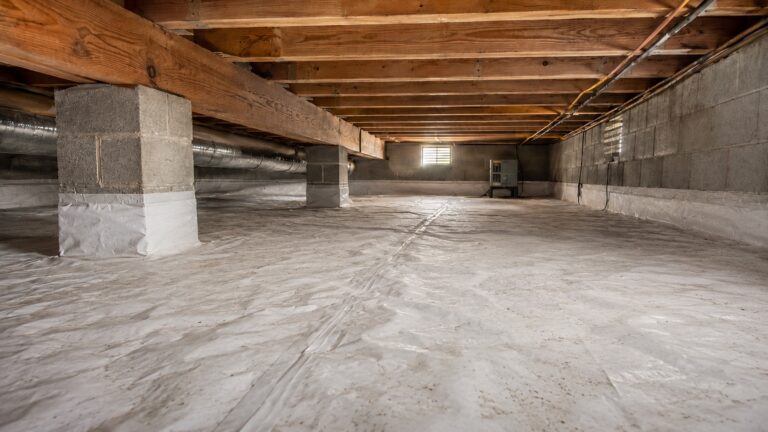
To prevent moisture build-up in basements, keep water away from the foundation, control indoor humidity, improve airflow, seal vulnerable openings, and monitor damp areas before stains, odors, or mold appear. Basement moisture prevention works best when exterior drainage and indoor humidity control are handled together.
If you already notice musty odors, damp surfaces, wall discoloration, or recurring condensation, review signs of moisture problems in basements first. Those symptoms may mean prevention alone is no longer enough and the source needs to be identified.
This guide focuses on prevention: drainage maintenance, gutter control, humidity monitoring, dehumidifier use, ventilation, sealing, storage habits, and routine checks that help keep basement materials dry.
For a broader prevention framework, see how to prevent recurring moisture damage, which explains how to stop moisture problems from returning after temporary drying or cleanup.
Why Prevention Is More Effective Than Repair
Basement moisture prevention is usually easier than repair because water can spread through concrete, framing, insulation, flooring, and stored materials before obvious damage appears. By the time stains, odors, mold, or soft materials are visible, the basement may already have gone through repeated damp-dry cycles.
Prevention works by reducing moisture entry and improving drying conditions before materials stay damp long enough to deteriorate. That means controlling exterior water, indoor humidity, airflow, and storage conditions instead of waiting for visible damage.
Routine checks also help catch changes early. For a more detailed inspection process, see how to inspect basements for moisture damage.
Most Effective Ways to Prevent Basement Moisture
Preventing moisture build-up requires controlling both outside water and indoor moisture. Grading, gutters, humidity, airflow, sealing, storage, and monitoring work together because basement moisture rarely comes from only one source.
The following methods represent the most effective strategies for reducing basement moisture risk.
Improve Exterior Drainage Around the Foundation
Exterior drainage plays one of the most important roles in preventing basement moisture problems. When water collects near foundation walls, soil becomes saturated and increases pressure against basement structures.
Effective drainage directs water away from the foundation before it can accumulate.
Key drainage prevention steps include:
- Keep soil sloped away from the foundation instead of letting it settle toward basement walls
- Remove mulch, leaves, and debris that trap water against the foundation
- Watch for puddles near basement walls after heavy rain
- Check whether water from patios, driveways, walkways, or window wells drains toward the house
- Recheck drainage after soil settles, landscaping changes, or new hardscaping is installed
Maintaining proper drainage reduces the pressure that forces moisture into foundation materials. This simple preventive step often produces noticeable improvements in basement dryness.
If drainage problems already exist, they often produce warning signs similar to those described in signs of water seepage through basement walls.
If grading, gutters, and surface drainage do not control the problem, the issue may require a larger basement water-control strategy such as the systems explained in how to waterproof basements and control water intrusion.
Control Indoor Humidity Levels
Humidity control is essential for preventing moisture buildup inside basement spaces. High humidity allows condensation to form on cooler surfaces, which contributes to moisture accumulation over time.
Maintaining safe humidity levels reduces condensation risk and limits mold development.
Common humidity control methods include:
- Using dehumidifiers during humid conditions
- Monitoring humidity with hygrometers
- Reducing indoor moisture sources
- Keeping air moving around walls, corners, and stored items
If humidity stays high even when there is no visible water entry, a properly sized dehumidifier may be needed. See how to choose and use a dehumidifier effectively for sizing, placement, drainage, and maintenance guidance.
Humidity levels above 60 percent significantly increase moisture risk, while many homes perform better when basement humidity stays closer to the 30 to 50 percent range when possible. Use a hygrometer and review how to test indoor humidity levels if readings are inconsistent, room-specific, or difficult to interpret.
The EPA recommends keeping indoor relative humidity below 60 percent and ideally between 30 and 50 percent when possible.
Seal Vulnerable Openings Around Basement Walls
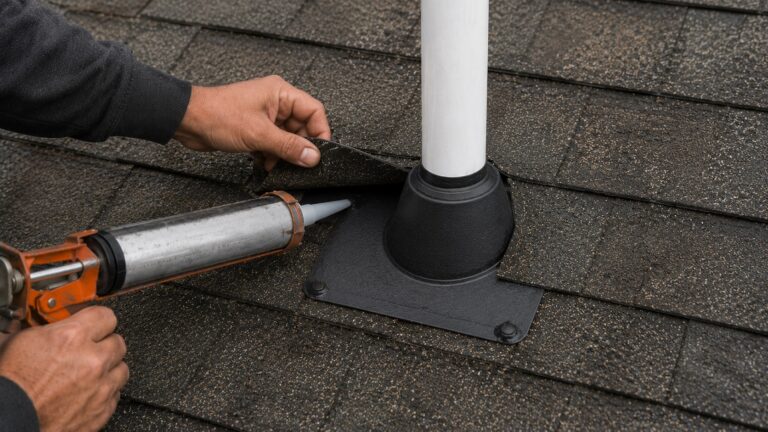
Small openings around basement walls provide pathways where moisture can slowly enter over time. These openings may not allow visible water to flow immediately, but they weaken the barrier between exterior soil moisture and interior basement spaces.
Common vulnerable openings include:
- Minor cracks along wall surfaces
- Utility entry points for pipes and cables
- Gaps around basement windows
- Small separations along wall joints
Regularly inspecting these areas helps prevent moisture from entering unnoticed. Even small openings can allow vapor or water seepage that gradually increases humidity levels inside basement spaces.
While sealing openings helps reduce moisture entry risk, it is important to recognize that sealing alone rarely solves all moisture problems. Moisture often moves through multiple pathways, so sealing should be combined with other prevention strategies.
Maintain Gutters and Downspouts Regularly
Gutters and downspouts play a critical role in directing rainwater away from basement foundations. When these systems become clogged or damaged, water spills over roof edges and accumulates near the foundation.
This accumulation increases soil saturation and raises hydrostatic pressure against basement walls. Over time, repeated saturation increases the likelihood of moisture infiltration.
Routine gutter and downspout maintenance helps prevent water buildup near basement structures.
Important maintenance tasks include:
- Cleaning gutters to remove debris
- Checking for sagging or damaged sections
- Ensuring downspouts discharge water away from the foundation
- Inspecting drainage after heavy rain
Homeowners who maintain functional drainage systems often experience fewer recurring moisture problems. If water frequently collects near basement walls, the moisture behavior may resemble patterns described in why basements develop moisture problems.
Improve Basement Ventilation
Ventilation supports moisture prevention by promoting air movement that allows damp surfaces to dry more quickly. Without proper airflow, moisture remains trapped in enclosed spaces and increases humidity levels.
Basements often have limited ventilation compared to upper floors, making airflow improvements especially important.
Ways to improve basement ventilation include:
- Opening windows only when outdoor air is drier than basement air
- Using fans to circulate air
- Keeping airflow paths unobstructed
- Reducing clutter that blocks ventilation
Improved airflow helps reduce condensation buildup and shortens drying time for damp materials. However, opening basement windows during humid weather can bring more moisture inside, so ventilation should be used when outdoor air is drier than basement air.
Ventilation works best when combined with humidity control and drainage improvements.
Use Moisture Monitoring Tools for Early Prevention
Monitoring moisture conditions allows homeowners to detect changes before visible damage develops. Simple monitoring tools provide valuable feedback about environmental conditions inside the basement.
Common monitoring tools include:
- Hygrometers for measuring basement relative humidity
- Moisture meters for checking suspicious drywall, trim, wood, or masonry areas
- Thermometers for comparing cold wall or floor surfaces with room air
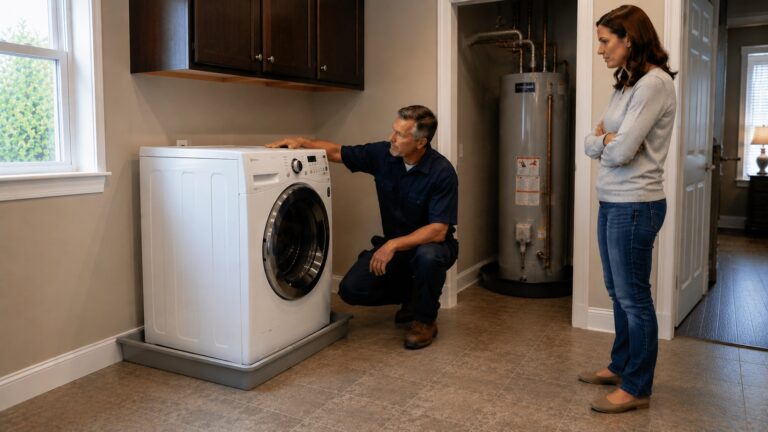
- Water leak sensors near sump pits, water heaters, laundry equipment, and plumbing lines
Tracking moisture levels over time helps identify trends that indicate developing problems. For example, repeated humidity increases after rainfall may signal drainage or vapor-related moisture conditions.
Homeowners who regularly monitor basement conditions can respond quickly when changes occur. Structured testing methods described in how to detect hidden moisture in basement walls support accurate monitoring and early detection.
Daily and Seasonal Maintenance That Prevents Moisture
Routine checks matter most after heavy rain, humid weather, snowmelt, plumbing work, or long periods without dehumidifier use.
Daily and Weekly Prevention Habits
Regular observation helps identify small changes before they develop into larger problems. Many early moisture signs appear gradually and can be addressed before damage spreads.
Daily or weekly prevention habits include:
- Checking for new damp spots or odors
- Keeping floors clean and dry
- Removing moisture-producing materials quickly
- Maintaining airflow around walls
These small actions reduce the likelihood of moisture remaining trapped in basement areas.
Seasonal Maintenance Tasks
Seasonal weather changes significantly affect basement moisture conditions. Preventive maintenance should adjust based on environmental conditions throughout the year.
Important seasonal tasks include:
- Inspecting gutters before rainy seasons
- Checking exterior drainage after storms
- Monitoring humidity during humid weather
- Inspecting foundation areas during temperature changes
Seasonal maintenance helps prevent sudden moisture increases that often follow environmental changes.
How Storage Habits Affect Basement Moisture Risk
Storage habits play a major role in basement moisture prevention, yet they are often overlooked. Improper storage arrangements can trap moisture, restrict airflow, and allow damp conditions to develop quietly behind stored items. Over time, these hidden moisture pockets may spread into surrounding materials.
Moisture often hides behind boxes, furniture, shelving, and stored belongings placed against exterior basement walls. These blocked areas dry slowly and may develop musty odors or surface mold before the rest of the basement looks damp.
Adjusting storage habits helps reduce moisture risk and improves the effectiveness of other prevention methods.
Avoid Storing Items Directly Against Basement Walls
Placing stored items directly against basement walls creates enclosed spaces where moisture can accumulate unnoticed. Exterior walls are particularly vulnerable because they remain in contact with soil moisture.
Leaving space between stored items and walls allows air to circulate and helps surfaces dry more effectively.
Recommended storage spacing includes:
- Leaving several inches between boxes and walls
- Using shelving instead of stacking directly on floors
- Avoiding tightly packed storage arrangements
- Allowing airflow behind large objects
These simple adjustments reduce the risk of trapped moisture and improve visibility during routine inspections.
Use Moisture-Resistant Storage Materials
Certain storage materials absorb moisture more easily than others. Cardboard boxes, paper packaging, and untreated wood materials can quickly become damp in humid environments.
Using moisture-resistant storage containers helps protect stored belongings and reduces moisture buildup inside storage areas.
Preferred storage materials include:
- Plastic storage bins with sealed lids
- Metal shelving units
- Water-resistant containers
- Elevated storage platforms
Moisture-resistant storage methods help prevent mold formation and reduce humidity buildup around stored items.
How to Prevent Recurring Moisture Cycles
Recurring basement moisture usually means one or more controls are inconsistent: water is still reaching the foundation, humidity is rising seasonally, airflow is blocked, or damp areas are not being checked after weather changes.
Maintain Consistent Humidity Control
Humidity control must remain consistent throughout the year. Moisture levels fluctuate with weather changes, and neglecting humidity management during certain seasons increases the likelihood of recurring dampness.
Consistent humidity control strategies include:
- Monitoring humidity levels regularly
- Operating dehumidifiers during humid conditions
- Maintaining ventilation during seasonal transitions
- Adjusting airflow as environmental conditions change
Maintaining consistent humidity control helps stabilize basement conditions and prevents moisture from returning unexpectedly.
Monitor High-Risk Areas Regularly
Some basement areas are more vulnerable to moisture buildup than others. Monitoring these locations regularly helps detect early signs of developing problems.
High-risk monitoring areas include:
- Wall-to-floor joints
- Basement corners
- Areas near windows
- Locations previously affected by moisture
Monitoring high-risk areas supports early intervention and reduces the risk of widespread moisture damage.
Respond Quickly to Minor Moisture Changes
Small moisture changes often indicate developing problems. Addressing minor dampness quickly prevents long-term damage and reduces the chance of recurring moisture cycles.
Early responses may include:
- Increasing airflow in damp areas
- Removing moisture-producing materials
- Adjusting storage placement
- Monitoring environmental conditions closely
Quick responses reduce the likelihood of moisture spreading into adjacent materials.
When Prevention Requires Professional Help
Many basement moisture prevention steps are homeowner maintenance tasks, but recurring seepage, widespread dampness, structural deterioration, or moisture that continues despite drainage and humidity control should be evaluated professionally.
Signs That Professional Prevention Is Needed
Professional help may be required when:
- Water returns after rain even when gutters and grading appear functional
- Humidity stays above 60 percent despite dehumidifier use and basic airflow improvements
- Efflorescence, staining, or dampness spreads across basement walls or floors
- Wood framing, trim, flooring, or stored materials show swelling, softness, mold, or rot
- Moisture appears near electrical panels, outlets, appliances, or finished wall cavities
Do not handle wet electrical components, outlets, appliances, or panels in a damp basement. Shut off power only if it can be done safely from a dry location, and call a qualified professional when water is near electrical equipment.
Professionals can evaluate environmental conditions, inspect structural components, and recommend advanced prevention methods tailored to specific basement conditions.
If moisture symptoms continue despite preventive efforts, reviewing how to inspect basements for moisture damage helps determine whether deeper inspection is required.
Frequently Asked Questions About Preventing Basement Moisture
What is the best way to keep a basement dry?
The best way to keep a basement dry is to combine several preventive strategies rather than relying on a single solution. Controlling exterior drainage, reducing indoor humidity, maintaining ventilation, and monitoring moisture levels all contribute to long-term moisture prevention.
Because basements sit partly or fully below grade, drainage, humidity, and airflow should be checked through seasonal changes.
How often should basement moisture prevention be checked?
Moisture prevention measures should be reviewed at least twice per year, especially before and after seasons with heavy rainfall or humidity. Regular inspections help confirm that drainage systems remain functional and humidity levels remain controlled.
More frequent checks are recommended when weather conditions change rapidly or when moisture symptoms have occurred previously.
Does ventilation stop basement moisture problems?
Ventilation can help when basement air is stale and outdoor air is drier, but it can make moisture worse when outdoor humidity is high. In many basements, controlled dehumidification is more reliable than simply opening windows.
Can dehumidifiers prevent moisture buildup in basements?
Dehumidifiers can help prevent condensation-related basement moisture by keeping humidity under control, especially during humid seasons. They are most useful when humidity is the main problem rather than active seepage.
If a dehumidifier runs constantly, fills quickly, or cannot keep basement humidity below 60 percent, look for an exterior drainage problem, foundation seepage, plumbing leak, or an undersized unit.
Why does basement moisture return after drying?
Moisture often returns after drying because the underlying causes remain active. Temporary drying removes surface moisture but does not stop new moisture from entering or forming.
Understanding the root causes described in why basements develop moisture problems helps explain why moisture continues returning until prevention methods address those conditions.
If moisture returns after rain, start outside with gutters, downspouts, grading, and pooling soil. If it returns during humid weather, start with humidity readings, dehumidifier performance, and airflow.
Conclusion: Keep Basement Moisture Prevention Consistent
Preventing moisture build-up in basements depends on controlling exterior water, indoor humidity, airflow, storage conditions, and routine monitoring. A basement stays drier when water is directed away from the foundation and indoor moisture is measured instead of guessed.
If prevention steps are in place but dampness keeps returning, the basement may need deeper inspection for seepage, drainage failure, hidden leaks, or waterproofing problems.
Key Takeaways
- Preventing moisture build-up is easier and less expensive than repairing moisture damage.
- Exterior drainage plays a major role in controlling basement moisture risk.
- Indoor humidity control helps reduce condensation and moisture accumulation.
- Sealing vulnerable openings supports long-term moisture prevention.
- Ventilation helps only when incoming air is drier than basement air.
- Proper storage habits reduce hidden moisture pockets behind stored items.
- Regular maintenance prevents recurring moisture cycles.
- Professional help may be required when moisture persists despite prevention efforts.