
Why Basements Develop Moisture Problems
Basements develop moisture problems because they sit below ground level, stay cooler than upper living areas, and remain surrounded by soil that can hold water for long periods. Moisture can enter through soil pressure, groundwater movement, foundation cracks, porous concrete, condensation, vapor diffusion, and poor exterior drainage.
This is why basement moisture can appear even when there is no obvious plumbing leak or standing water. A basement may feel damp because moisture is moving slowly through foundation materials, condensing on cool surfaces, or being pushed inward by saturated soil after rain.
If you have already noticed warning signs such as odors, stains, or damp materials, review signs of moisture problems in basements. If you need testing steps, see how to detect hidden moisture in basement walls. For the broader basement water-entry hub, review why basement walls leak during rain.
Why Basements Are Naturally Vulnerable to Moisture
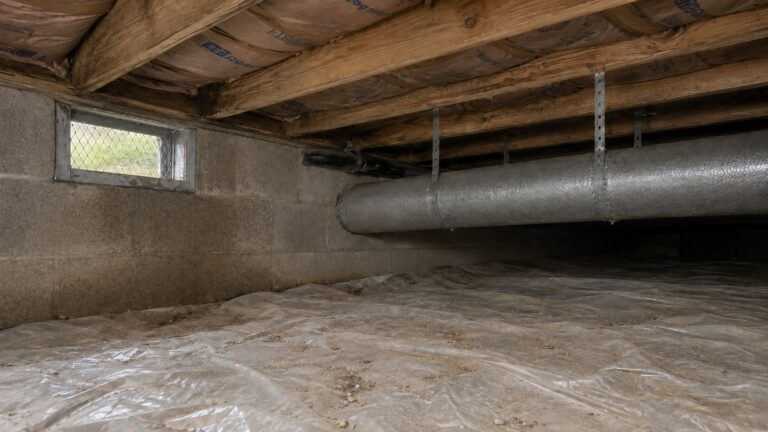
Basements are naturally more vulnerable to moisture than other areas of a home because they are built below ground level. Unlike upper floors, basement walls are surrounded by soil that continuously holds moisture. This surrounding soil creates pressure against foundation walls and increases the likelihood of moisture movement into the structure.
Soil retains water from rainfall, irrigation, melting snow, and groundwater movement. Even during dry periods, soil beneath the surface often remains damp. When basement walls are placed directly against this moist soil, the foundation becomes exposed to constant moisture pressure.
Concrete and masonry materials used in basement construction are not completely waterproof. Instead, they are porous materials that allow moisture to pass through microscopic openings. These pores act like tiny pathways that allow water vapor and small amounts of liquid moisture to move into wall materials.
This permeability explains why basements may feel damp even when no visible cracks or leaks are present. Moisture can travel slowly through foundation materials without forming visible water streams. Over time, this gradual moisture movement contributes to humidity buildup and structural wear.
Temperature differences also make basements more susceptible to moisture problems. Basement walls and floors remain cooler than upper levels of the home due to their contact with underground soil. When warm, humid air enters the basement, it cools rapidly when contacting cold surfaces. This temperature difference causes condensation to form on walls, pipes, and floors.
Limited airflow in basements further increases moisture risk. Unlike upper living spaces, basements often have fewer windows and reduced ventilation. Restricted airflow slows evaporation, allowing moisture to remain trapped within materials for longer periods.
Together, soil contact, porous materials, cooler surfaces, and limited airflow explain why moisture problems can develop even in basements without obvious structural defects.
Because basements are inherently moisture-prone environments, early detection and inspection remain essential. Structured inspections described in how to inspect basements for moisture damage help identify early warning signs before structural deterioration begins.
Most Common Causes of Basement Moisture Problems
The exact cause determines whether moisture appears as damp air, wall seepage, floor dampness, condensation, staining, efflorescence, or recurring mold. The most common basement moisture causes are soil pressure, groundwater movement, poor exterior drainage, foundation cracks, condensation, and vapor diffusion.
Soil Moisture Pressure Against Basement Walls
One of the primary causes of basement moisture problems is soil moisture pressure, also known as hydrostatic pressure. This pressure develops when water accumulates in the soil surrounding basement walls.
After rainfall or snowmelt, soil absorbs water and becomes saturated. As soil saturation increases, water pressure builds against foundation walls. This pressure forces moisture toward the basement structure, pushing water into small openings and porous materials.
Hydrostatic pressure affects:
- Foundation walls
- Floor-to-wall joints
- Foundation seams
- Concrete block cores
Even when walls appear solid, moisture may be forced through microscopic pores inside concrete or masonry materials. Over time, repeated pressure cycles allow moisture to accumulate inside basement structures.
This process explains why moisture problems often worsen after heavy rain or extended wet periods. For a deeper explanation of this pressure-driven process, see why hydrostatic pressure causes basement leaks.
Homeowners who notice recurring dampness following storms often experience pressure-related moisture entry similar to conditions described in signs of water seepage through basement walls.
Groundwater Movement Beneath the Foundation
Groundwater movement is another major cause of basement moisture problems. Unlike surface water that flows across the ground, groundwater moves beneath the soil and can rise or fall depending on seasonal conditions and rainfall patterns.
During periods of heavy rain, snowmelt, or prolonged wet weather, groundwater levels may rise higher than normal. When groundwater rises close to the foundation level, moisture pressure increases against basement walls and floors. This added pressure increases the likelihood of water entering through small openings or porous materials.
Groundwater-related moisture problems often follow seasonal patterns. Homeowners may notice basement dampness becoming worse during:
- Spring snowmelt periods
- Extended rainy seasons
- Heavy storms following dry periods
- Periods when nearby soil remains saturated
Unlike isolated leaks, groundwater-driven moisture may appear gradually and affect multiple areas at once. This is why basements sometimes feel damp across wide sections rather than in one isolated location.
If moisture levels increase during specific seasons or after heavy rainfall, groundwater movement may be a contributing factor. Monitoring seasonal changes helps identify repeating moisture patterns that require attention.
Poor Exterior Drainage Around the Foundation
Poor exterior drainage is one of the most preventable contributors to basement moisture problems. When rainwater is not directed away from the foundation, soil surrounding basement walls becomes saturated, increasing hydrostatic pressure and moisture intrusion risk.
Exterior drainage problems often develop due to:
- Clogged or overflowing gutters
- Downspouts that discharge too close to the foundation
- Improper grading that slopes toward the house
- Surface water pooling near basement walls
- Damaged or blocked drainage systems
Water accumulating near the foundation increases soil moisture levels and keeps the surrounding soil saturated for extended periods. This prolonged saturation places continuous pressure on basement walls, increasing the likelihood of moisture entry.
Exterior drainage failures frequently produce recurring moisture problems rather than isolated events. When water repeatedly collects near the foundation, the risk of ongoing seepage increases significantly.
A simple pattern is often revealing: if dampness appears after rain, near the same wall, or below a downspout discharge area, exterior drainage is more likely to be involved than indoor humidity alone.
Foundation Cracks and Structural Movement
Foundation cracks are another common cause of basement moisture entry. These cracks form when foundations shift, settle, or experience stress from soil movement and temperature changes.
Not all cracks allow immediate water entry, but they weaken the foundation’s resistance to moisture infiltration. Over time, cracks may widen slightly, allowing water vapor or liquid moisture to enter wall materials.
Common causes of foundation cracks include:
- Soil expansion and contraction
- Freeze-thaw cycles
- Natural foundation settling
- Structural stress over time
Cracks located near the lower sections of basement walls often present higher moisture risk because they remain closer to saturated soil. Moisture entering through cracks may appear as localized staining or recurring dampness.
Wide cracks, stair-step cracks in block walls, cracks that continue to grow, or cracks with wall movement should be evaluated professionally because they may indicate more than a moisture issue.
In some cases, cracks allow moisture to travel deeper into wall materials, where it becomes trapped inside structural components. These conditions may lead to hidden moisture accumulation similar to those described in how to detect hidden moisture in basement walls.
Condensation From Indoor Humidity
Not all basement moisture originates from outside the home. Condensation caused by indoor humidity is a major contributor to moisture problems, particularly in warmer seasons.
Condensation occurs when warm, humid air contacts cooler basement surfaces. Because basement walls and floors remain cooler than indoor air, moisture in the air condenses into liquid droplets on these surfaces.
Indoor condensation commonly develops due to:
- High summer humidity levels
- Poor ventilation
- Use of appliances that release moisture
- Drying laundry indoors
- Warm air entering cool basement spaces
Condensation-related moisture often appears as small droplets on pipes, walls, or floors. Over time, repeated condensation cycles allow moisture to accumulate inside materials.
Many homeowners mistakenly assume condensation is harmless because it appears temporary. However, repeated condensation events create persistent dampness that can support mold growth and material deterioration.
If condensation occurs frequently, humidity readings should be checked instead of assuming the basement has an exterior leak.
Vapor Diffusion Through Basement Walls
Vapor diffusion is one of the least understood causes of basement moisture problems, yet it affects nearly every basement to some degree. Unlike visible water seepage, vapor diffusion occurs when moisture in the form of water vapor moves slowly through porous materials such as concrete and masonry.
Concrete block and poured concrete walls contain microscopic pores that allow water vapor to pass through. When humidity levels outside the wall are higher than inside, moisture vapor naturally moves through the wall material in search of balance. This process happens continuously and often goes unnoticed until moisture buildup becomes significant.
Vapor diffusion commonly contributes to:
- Damp-feeling walls without visible leaks
- Efflorescence forming on interior surfaces
- Persistent humidity inside basement spaces
- Subtle moisture buildup over long periods
Because vapor diffusion occurs gradually, it can make a basement feel damp even when there are no obvious cracks, puddles, or active leaks.
Secondary Factors That Contribute to Basement Moisture Problems
Several conditions may not create basement moisture by themselves, but they make existing moisture problems worse or harder to dry.
Poor Ventilation in Basement Areas
Limited air movement allows humidity and damp surfaces to linger longer. This is especially common in basements with few windows, enclosed rooms, or finished wall cavities.
Poor ventilation commonly contributes to:
- Persistent damp air
- Slow drying of wet surfaces
- Increased mold risk
- Long-term humidity buildup
Limited airflow is especially problematic in finished basements where enclosed wall cavities restrict evaporation. Moisture trapped behind finished surfaces often remains undetected for extended periods.
Interior Moisture Sources Within the Basement
Moisture generated inside the basement itself can significantly contribute to moisture buildup. Many household activities release water vapor into the air, increasing humidity levels inside enclosed spaces.
Common interior moisture sources include:
- Laundry appliances
- Water heaters
- Bathrooms located in basement areas
- Cooking or cleaning activities
- Improperly vented equipment
When interior moisture sources operate frequently without proper ventilation, humidity levels rise and increase the risk of condensation forming on basement surfaces.
Interior humidity-related moisture problems are often misunderstood because they occur without visible leaks. In many homes, indoor moisture sources contribute to dampness that resembles exterior seepage.
Improper Basement Finishing Materials
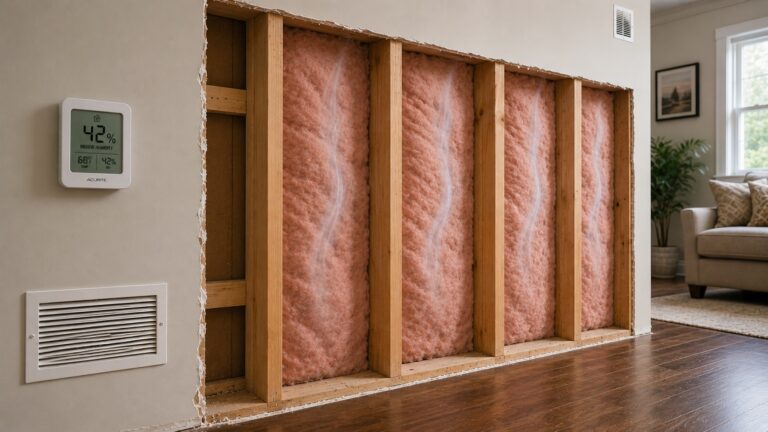
Incorrect finishing materials or installation methods can trap moisture inside basement walls. When vapor barriers, insulation, or wall coverings are installed improperly, they may prevent moisture from escaping naturally.
Common finishing-related moisture problems include:
- Trapped moisture behind drywall
- Insulation retaining moisture inside cavities
- Improper vapor barrier placement
- Wall coverings that prevent drying
These conditions often lead to hidden moisture accumulation that develops slowly over time. In finished basements, moisture problems may remain hidden until significant damage occurs.
How Weather and Seasons Affect Basement Moisture
Basement moisture often follows seasonal patterns because soil moisture, humidity, groundwater levels, and temperature differences change throughout the year.
- Spring: melting snow, rising groundwater, and saturated soil increase pressure around foundation walls.
- Summer: warm humid air can condense on cooler basement walls, floors, and pipes.
- Fall: repeated rainfall can keep soil wet long enough to increase seepage risk.
- Winter: freeze-thaw movement can stress foundation materials and create future moisture pathways.
Tracking when dampness appears helps separate rain-driven seepage from humidity-driven condensation.
Why Moisture Problems Keep Returning in Basements
Basement moisture often returns because cleanup and drying remove the symptom, not the physical condition that caused it.
Moisture problems are rarely caused by a single factor. Instead, multiple conditions often work together to create an environment where moisture continues to enter and accumulate. Unless the driving forces behind moisture movement are addressed, temporary drying efforts rarely provide long-term results.
Common reasons moisture problems return include:
- Persistent soil saturation around the foundation
- Uncorrected drainage problems
- Hidden structural pathways allowing moisture entry
- Ongoing indoor humidity sources
- Seasonal environmental changes
For example, a basement may dry during a period of low rainfall but become damp again when seasonal rains increase soil moisture levels. Similarly, interior humidity may create condensation cycles that repeatedly affect the same surfaces.
Recurring moisture problems often follow patterns that match environmental changes. Homeowners who track when moisture appears — such as after storms or during humid weather — gain valuable clues about the underlying causes.
If recurring symptoms match the warning signs described in signs of moisture problems in basements, further evaluation is often necessary to prevent long-term damage.
When Basement Moisture Becomes a Structural Risk
Basement moisture becomes more serious when it affects wood framing, finished materials, foundation surfaces, or indoor air quality. Persistent moisture should not be treated as a cosmetic issue if materials stay damp or damage keeps spreading.
Wood Rot and Structural Weakening
Wood components exposed to moisture over long periods may begin to rot. Structural framing, support beams, and subfloor materials become vulnerable when moisture levels remain elevated.
Warning signs of structural wood damage include:
- Soft or crumbling wood surfaces
- Darkened or discolored wood
- Wood that breaks easily under pressure
- Persistent dampness near framing materials
Once wood rot begins, structural stability may gradually decline. Early identification of moisture conditions reduces the risk of structural failure.
Mold Growth and Indoor Air Quality Concerns
Long-term dampness can support mold on visible surfaces and inside hidden basement materials. If mold, musty odor, or recurring discoloration appears with moisture, review signs of mold growth in basements for the mold-specific warning signs.
Foundation Damage and Surface Deterioration
Moisture exposure can gradually weaken foundation materials. Over time, water movement may enlarge small cracks, weaken concrete surfaces, and create structural instability.
Foundation-related warning signs include:
- Expanding cracks in walls
- Repeated staining near seams
- Flaking or crumbling concrete surfaces
- Persistent dampness along foundation joints
Foundation deterioration typically occurs slowly, making early detection essential. Once structural damage begins, repairs become more complex and expensive.
Frequently Asked Questions About Basement Moisture Causes
Why does my basement stay damp even without visible leaks?
Basements often remain damp due to vapor movement, condensation, or pressure from surrounding soil. Moisture can also collect behind finished walls or inside porous foundation materials before it becomes visible on the surface.
Can moisture pass through concrete basement walls?
Yes, moisture can pass through concrete walls because concrete is a porous material. Microscopic openings inside the material allow moisture vapor and small amounts of water to move through the wall over time.
This explains why moisture may appear on interior surfaces even when no cracks or visible openings are present.
Why is my basement wetter after heavy rain?
Heavy rain increases soil saturation around basement walls. When soil becomes saturated, pressure builds and forces moisture toward foundation materials. This process increases the likelihood of moisture entering the basement structure.
Repeated rainfall events often produce recurring moisture conditions that appear shortly after storms.
Can humidity alone cause basement moisture problems?
Yes, high humidity levels can create condensation on cooler basement surfaces. Over time, repeated condensation allows moisture to accumulate inside materials and contribute to mold growth or material deterioration.
Humidity-related moisture problems are especially common during warm, humid seasons.
Why do moisture problems return after drying the basement?
Moisture problems often return because drying removes surface dampness but does not correct soil pressure, drainage problems, cracks, vapor movement, or indoor humidity. If the same condition remains active, the basement can become damp again after the next rain, humid spell, or seasonal change.
Conclusion: Basement Moisture Usually Has More Than One Cause
Basement moisture problems usually develop from a combination of below-grade soil contact, saturated ground, porous foundation materials, cool surfaces, limited airflow, and indoor humidity. That is why a basement can stay damp even when there is no obvious plumbing leak or standing water.
Once the likely cause is understood, the next step is reducing the condition that keeps moisture active. Practical next steps are covered in how to prevent moisture build-up in basements.
Key Takeaways
- Basements are moisture-prone because they sit below ground level and remain in contact with damp soil.
- The most common causes are soil pressure, groundwater movement, poor drainage, foundation cracks, condensation, and vapor diffusion.
- Moisture can pass through concrete and masonry even when no visible crack or leak is present.
- Condensation can make a basement damp even when the moisture source is indoor humidity rather than exterior seepage.
- Moisture that returns after drying usually means the original cause was never corrected.
3 Comments
Comments are closed.