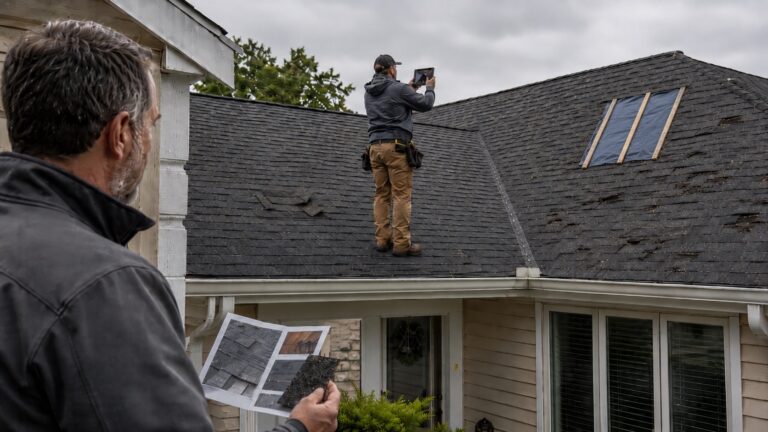
Signs Exterior Flashing Needs Repair
Exterior flashing usually needs repair when stains appear after rain, sealant pulls away from seams, metal flashing rusts or lifts, dampness returns around windows or doors, or mold develops near exterior joints. These signs often show up before a constant leak appears.
Flashing protects vulnerable areas such as windows, doors, rooflines, siding transitions, and wall penetrations by directing water away from joints and seams. When it stops shedding water correctly, moisture may enter only during wind-driven rain or certain storm angles, which makes the problem easy to miss at first.
This guide focuses on identifying when exterior flashing needs repair — not just when it has completely failed. Because flashing problems can affect wall sheathing, trim, framing, and other building materials, this topic also fits into the broader issue of structural moisture problems in homes. If you’re unsure how water enters these areas in the first place, you can also review how water enters homes through structural gaps.
Why Flashing Problems Often Go Unnoticed
Flashing leaks often depend on rain direction, wind pressure, roof runoff, and how water moves behind siding or trim. A wall may look dry after light rain but show stains or dampness after a harder storm.
This creates a pattern of intermittent problems:
- Leaks only during wind-driven rain or heavy roof runoff
- Dry surfaces between rain events
- Stains that appear near the same seam, trim edge, or wall opening after storms
- Gradual buildup of hidden moisture behind exterior materials
Because of this pattern, the timing of the symptom matters. A stain, odor, or damp spot that returns after rain is more concerning than a one-time mark that stays dry through several storms.
Understanding how flashing failures behave — especially when linked to installation issues — can help you recognize the underlying problem. These failure patterns are explained in why improper flashing installation causes leaks.
Early Warning Signs Flashing Needs Repair
The earliest signs of flashing problems are often subtle. At this stage, the system may still be partially functioning, but it is beginning to fail.
Minor Water Stains Near Openings
Small stains around windows, doors, roof-to-wall intersections, or siding transitions can indicate that water is entering in limited amounts. Pay close attention to stains that darken after rain and fade as the area dries.
- Light discoloration near trim
- Faint yellow or brown marks
- Stains that appear after rain
These are often early indicators that flashing is no longer directing water properly.
Cracking or Deteriorating Sealant
Sealant is often used to supplement flashing, but it degrades over time. Signs of deterioration include:
- Cracked or brittle caulking
- Gaps forming along seams
- Sealant pulling away from surfaces
Sealant failure alone does not always prove the flashing has failed, and adding more caulk is not a reliable repair if water is already getting behind the exterior surface. It does mean the joint should be inspected before the gap becomes a water entry point.
Occasional Dampness After Rain
If areas near walls or openings feel damp after storms but dry out later, this suggests intermittent water entry — a hallmark of flashing issues.
This pattern matters because the area may appear normal between storms while moisture continues entering behind trim, siding, or wall materials during the next rain event.
Visible Damage Indicators That Flashing Needs Repair
Visible flashing damage is easier to evaluate than hidden moisture. If the flashing is corroded, bent, loose, separated, or missing, the water-shedding path may already be compromised.
Rust or Corrosion on Metal Flashing
Many flashing systems are made of metal, which can deteriorate over time when exposed to moisture. Signs of corrosion include:
- Rust spots or streaks
- Pitting or surface degradation
- Flaking or weakened metal
Corroded flashing may no longer provide a continuous barrier, allowing water to enter through weakened areas.
Warped or Bent Flashing Sections
Flashing must maintain a consistent shape to direct water properly. Warping or bending can disrupt water flow and create entry points.
- Visible distortion along edges
- Flashing that no longer sits flat against surfaces
- Gaps forming due to misalignment
These issues often develop from temperature changes, physical damage, or improper installation.
Flashing Pulling Away from the Structure
When flashing separates from walls, roofs, or trim, it creates a direct pathway for water intrusion.
- Edges lifting away from surfaces
- Fasteners loosening or missing
- Visible gaps along seams
Even small separations can allow significant moisture entry during rain.
Missing or Dislodged Flashing Pieces
In some cases, flashing components may be partially or completely missing. This is especially common in areas exposed to weather or improper installation.
- Gaps where flashing should be present
- Loose or detached sections
- Exposed joints or seams
When flashing is missing, water can bypass protective layers entirely.
Stains or Streaks Below Exterior Joints
Exterior streaking below a window, door head, roof-wall joint, or siding transition can also point to flashing trouble. Look for dark runoff marks, dirt trails, paint staining, or repeated discoloration directly below the same joint after storms.
These exterior marks do not prove water has reached the interior, but they show that water may not be shedding cleanly away from the opening.
Water Intrusion Signs That Indicate Repair Is Needed
Visible damage is not always required to confirm that flashing needs repair. In many cases, water intrusion symptoms provide the clearest evidence.
Leaks During Rain
If water enters your home during rain events, flashing failure is a likely cause — especially near windows, doors, or rooflines.
- Drips or moisture appearing during storms
- Leaks that stop when the rain ends
- Water entering from above or around openings
These intermittent leaks are a strong indicator that flashing is no longer functioning correctly.
Expanding Water Stains
Water stains that grow over time suggest ongoing moisture intrusion. This often indicates that flashing problems are worsening.
- Stains becoming darker or larger
- Discoloration spreading outward
- New stains forming near existing ones
A stain that expands after each storm is a stronger repair signal than a stain that remains unchanged through dry and rainy periods.
Persistent Damp Walls
Walls that remain damp after nearby surfaces have dried may be holding moisture inside the wall assembly. This is especially concerning when the damp area lines up with an exterior seam, window head, door head, roofline, or siding transition.
A cool wall alone does not prove a flashing leak, but dampness that returns after rain points more strongly toward hidden water intrusion than ordinary surface condensation.
If you’re trying to confirm whether moisture is entering through flashing, reviewing how to detect water intrusion from flashing failures can help identify the source more accurately.
Mold and Moisture Signs That Indicate Flashing Needs Repair
Mold, musty odors, and recurring dampness suggest that flashing problems may be allowing moisture to stay trapped long enough to support growth.
Mold Appearing Near Seams and Openings
Flashing-related mold typically forms in predictable locations where water enters the structure:
- Along window and door trim
- At ceiling-to-wall intersections
- Near siding seams or exterior joints
Unlike general humidity-related mold, flashing-related growth is usually localized near a leak path instead of spread evenly across a humid room.
If you’re seeing these patterns, they may match those described in signs of mold growth caused by flashing failures, which often indicate ongoing water intrusion.
Persistent Musty Odors
A musty smell near exterior walls or openings can signal hidden moisture and mold inside the wall cavity. This is often one of the earliest signs that flashing is allowing water to enter repeatedly.
Even if mold is not visible, the odor suggests that moisture is trapped and needs to be addressed.
Recurring Moisture Problems
If dampness or mold returns after cleaning or drying, it usually means the underlying cause has not been fixed. Flashing failures commonly produce this cycle because water continues entering during rain events.
Recurring issues are a strong indication that repair is necessary rather than optional.
Structural Warning Signs of Advanced Flashing Failure
As flashing problems worsen, they begin to affect the structure itself. These signs indicate that water intrusion has been ongoing and that repair should not be delayed.
Soft or Spongy Wall Surfaces
Walls that feel soft when pressed may have absorbed significant moisture. This often indicates damage to drywall and possibly underlying materials.
Do not keep pressing, cutting, or probing soft material if the surface feels unstable, crumbles, or is near electrical fixtures. At that point, the issue has moved beyond simple monitoring.
- Indentations forming easily
- Loss of rigidity in wall sections
- Areas that feel weakened compared to surrounding surfaces
Swelling or Warping Materials
Moisture causes materials to expand and distort. Signs include:
- Trim pulling away from walls
- Baseboards or casings swelling
- Visible warping along edges
These changes often occur when water repeatedly enters through failed flashing and remains trapped.
Deterioration of Wood Components
Wood exposed to prolonged moisture can begin to degrade. While this damage is often hidden, advanced cases may show:
- Cracking or splitting
- Darkened or softened wood
- Loss of structural strength
At this stage, the problem has moved beyond surface-level issues and requires prompt repair to prevent further damage.
When Flashing Damage Becomes Serious
Flashing damage becomes serious when the same area shows repeated symptoms after rain or when moisture begins affecting materials around the opening.
- Leaks return during multiple storms
- Stains expand or darken after rain
- Mold, musty odors, or dampness keep coming back
- Trim, drywall, sheathing, or wood components show damage
When these signs appear together, the issue should be inspected as an active water-entry problem rather than normal exterior wear.
Repair vs Monitor: How to Decide
Not all flashing issues require immediate repair, but many do. The key is understanding when monitoring is sufficient and when action is necessary.
Monitor the Situation If:
- Signs are minor and not worsening
- No active leaks are present
- No mold or structural damage is visible
- Conditions remain stable over time
Plan for Repair If:
- Symptoms are recurring or increasing
- Leaks occur during rain
- Mold or odors are present
- Visible damage to flashing or materials exists
Monitoring is reasonable only when the area stays dry through several rain events. If the same symptom returns after storms, plan for inspection or repair instead of waiting for a larger leak.
When to Call a Professional
While some minor flashing issues can be monitored, many situations require professional evaluation. Because flashing is often hidden behind exterior materials, identifying and fixing the problem correctly usually involves more than surface-level inspection.
You should strongly consider calling a professional if:
- Leaks occur repeatedly during rain
- Water stains continue to expand
- Mold is present or keeps returning
- Flashing appears damaged, missing, or separated
- Walls feel soft or show signs of structural changes
A professional can assess the full extent of the issue, confirm whether flashing is the source, and determine the appropriate repair approach. Avoid sealing over the visible gap as the only fix if stains, odors, or dampness suggest water is already behind the exterior surface.
If problems have progressed beyond early signs, reviewing how to fix persistent flashing problems can help you understand the next stage after diagnosis.
Frequently Asked Questions
Can exterior flashing be repaired, or does it need to be replaced?
It depends on the extent of the damage. Minor issues such as small gaps or isolated damage may be repairable, while more severe problems often require partial or full replacement of the flashing system.
Is flashing damage urgent?
Flashing damage should not be ignored. Even small issues can allow water to enter repeatedly, leading to mold growth and structural damage over time. If symptoms are active or worsening, repair should be treated as urgent.
Can I repair flashing damage with caulk?
Caulk may help seal a minor exposed joint, but it should not be used as the only repair when flashing is bent, missing, corroded, pulling away, or already allowing water behind the exterior surface. In those cases, the flashing path usually needs to be inspected and corrected.
Can small flashing problems be ignored?
A small flaw can be monitored only if the surrounding area stays dry through several storms. If the same stain, damp spot, odor, or exterior streak returns after rain, the problem should be inspected instead of ignored.
What happens if flashing issues are not repaired?
Unrepaired flashing problems can lead to:
- Recurring water intrusion
- Mold growth
- Damage to drywall and insulation
- Structural deterioration
Addressing the issue early helps prevent these outcomes.
What to Do Next
If the signs are minor, mark the area, photograph it, and check whether it changes after the next few rain events. If stains, dampness, mold, odors, or visible flashing damage return after storms, treat the issue as an active repair concern rather than normal aging.
The most important clue is repetition. Flashing that repeatedly allows water near the same joint, opening, or roofline should be inspected before hidden moisture spreads into surrounding materials.
Key Takeaways
- Flashing problems often start with subtle signs like minor stains and sealant cracks.
- Visible damage such as rust, warping, or separation indicates repair is needed.
- Intermittent leaks during rain are a strong indicator of flashing failure.
- Mold, odors, and recurring moisture signal ongoing water intrusion.
- Structural warning signs mean the issue has progressed and requires urgent attention.
- A small flashing flaw becomes more concerning when the same stain, damp spot, odor, or exterior streak returns after rain.
- Professional evaluation is especially important when flashing is hidden behind siding, trim, roofing edges, or exterior cladding.