How to Fix Persistent Structural Roof Moisture Problems
Persistent structural roof moisture problems are fixed by correcting the source of moisture, not by drying or patching the visible damage alone. A lasting repair usually requires confirming whether the moisture comes from roof leakage, attic air leakage, condensation, blocked ventilation, wet insulation, or damaged structural materials.
If damp rafters, wet roof decking, musty attic odors, or mold return after earlier repairs, the repair plan should follow a clear sequence: find the source, stop the moisture movement, restore ventilation and airflow, dry or remove affected materials, replace weakened structural wood when needed, and monitor the area after repairs.
For the broader pattern of repeated leaks, incomplete repairs, and moisture returning after cleanup, see Why Moisture Problems Keep Returning. This article focuses specifically on persistent moisture affecting roof framing, decking, rafters, and related structural roof components.
If long-term moisture damage has already developed, reviewing Signs of Long-Term Roof Moisture Damage can help determine how advanced the structural impact may be. Understanding the severity of damage helps guide the type of repairs required.
This article explains how persistent structural roof moisture problems are fixed, how to identify which repairs are needed, and when professional intervention becomes necessary.
Why Persistent Roof Moisture Problems Keep Coming Back
Recurring roof moisture usually means one part of the roof or attic system is still moving water or humid air into the structure. The visible stain, damp rafter, or mold patch may be only the result. The cause is usually a leak path, airflow failure, condensation cycle, blocked vent path, wet insulation, or weakened material that was never corrected.
Temporary Fixes Often Lead to Recurring Moisture
Temporary repairs may stop visible leaks but fail to address deeper moisture pathways. These short-term solutions often give the appearance of success while allowing hidden problems to continue.
Examples of temporary fixes include:
- Patching visible roof leaks without inspecting surrounding materials
- Cleaning mold without correcting moisture sources
- Drying structural wood without improving airflow
- Replacing damaged materials without identifying root causes
These approaches rarely solve persistent problems because they address symptoms rather than underlying failures.
Persistent Moisture Indicates System-Level Failure
Roof systems rely on coordinated airflow, moisture control, and structural integrity. When moisture returns repeatedly, it often signals that one or more system components are not functioning properly.
System-level failures commonly involve:
- Ventilation imbalance between intake and exhaust
- Air leakage from living spaces into attic zones
- Hidden roof defects allowing water intrusion
- Insulation placement errors blocking airflow
- Incomplete structural drying after moisture exposure
If moisture continues despite earlier drying attempts, reviewing How to Dry Structural Roof Components may help identify whether the framing, decking, or insulation system was never fully dried after the original moisture event.
Source-Based Repairs Protect Structural Stability
Corrective repairs stabilize structural components by addressing both the source of moisture and the conditions that allow it to persist. The goal is not just to dry the visible wood, but to stop the pattern that keeps the roof structure damp.
Permanent repair strategies typically:
- Eliminate repeated moisture entry
- Restore proper ventilation balance
- Correct airflow restrictions
- Repair structural defects
- Prevent moisture accumulation in the future
Identify the Root Cause Before Attempting Repairs
Before attempting any repairs, identifying the root cause of persistent moisture is essential. Repairing visible symptoms without understanding moisture behavior often leads to repeated failures.
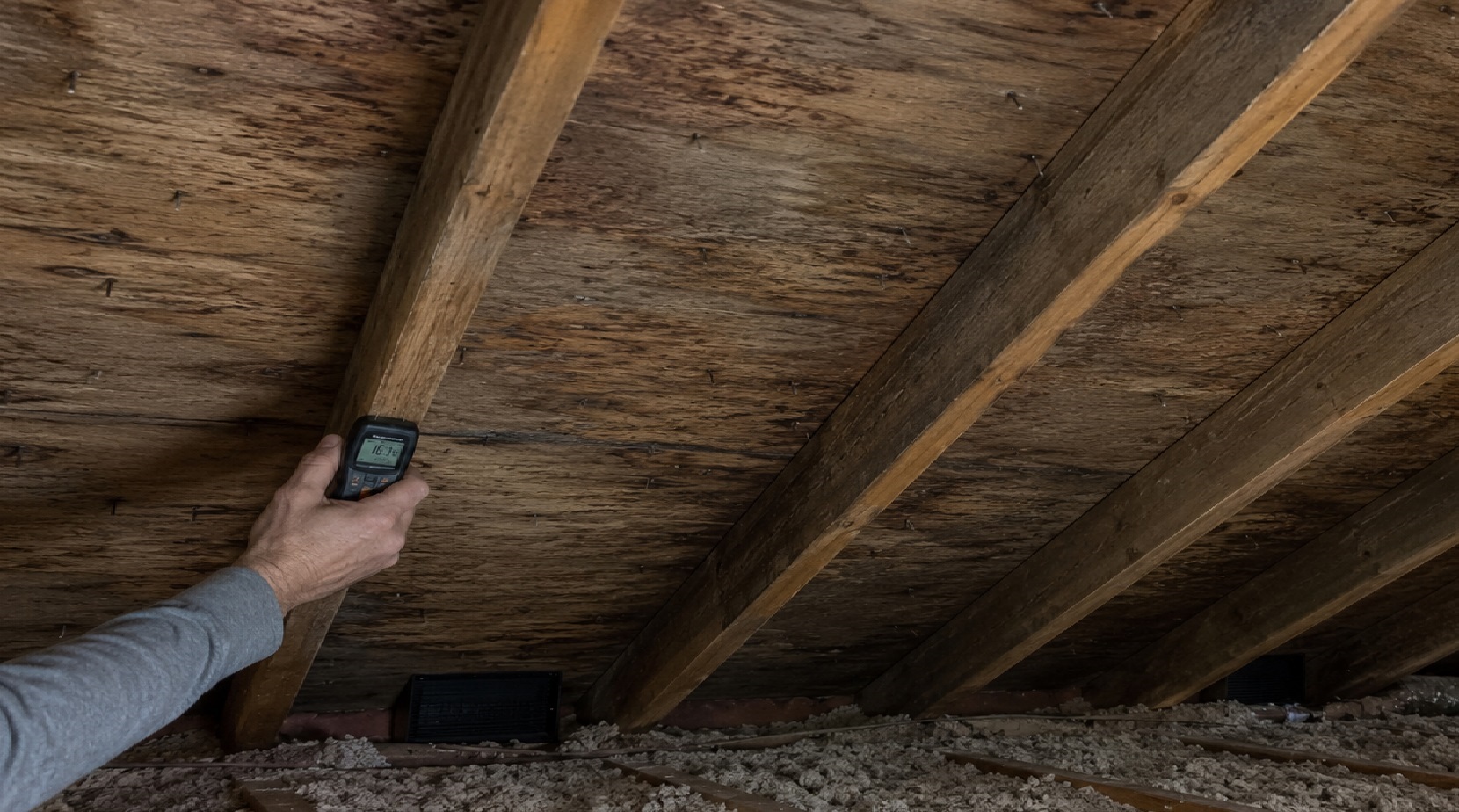
If moisture patterns remain unclear, reviewing How to Detect Moisture in Roof Framing can help identify the source of damp conditions.
Ventilation Failures
Poor ventilation is one of the most common contributors to persistent roof moisture problems. Without balanced airflow, moisture remains trapped in attic spaces and accumulates on structural wood.
Common ventilation-related problems include:
- Blocked soffit vents restricting intake airflow
- Missing ventilation baffles preventing airflow movement
- Inadequate ridge vent capacity
- Uneven distribution of intake and exhaust airflow
- Obstructed air channels between rafters
Correcting ventilation problems often requires restoring airflow pathways and ensuring consistent circulation throughout attic spaces.
Hidden Roof Leaks
Small leaks that occur repeatedly can keep structural wood damp without producing visible dripping. These hidden leaks often develop around penetrations or flashing areas.
Common hidden leak sources include:
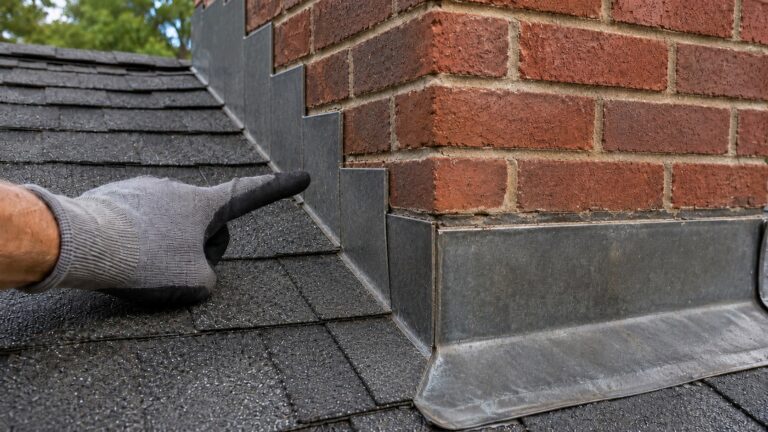
- Damaged flashing around chimneys or vents
- Loose roofing materials
- Deteriorated sealants around penetrations
- Gaps, nail holes, or failed seams that allow water to reach roof decking
- Fastener penetration points
Leaks that appear only during rainfall events often require detailed inspection to locate accurately.
Air Leakage From Living Spaces Into the Attic
Air leakage is a major but often overlooked contributor to persistent roof moisture problems. Warm indoor air contains moisture, and when that air escapes into cooler attic spaces, condensation forms on framing surfaces. This repeated moisture cycle keeps rafters damp even when roofing materials remain intact.
Common air leakage pathways include:
- Unsealed attic access hatches
- Openings around recessed lighting fixtures
- Gaps around plumbing or electrical penetrations
- Bathroom or kitchen exhaust fans dumping humid air into the attic instead of venting outdoors
- Cracks or openings along ceiling surfaces
Correcting air leakage often involves sealing visible openings and improving the separation between indoor living spaces and attic environments. Even small gaps can allow significant moisture movement over time.
Insulation Problems That Trap Moisture
Improper insulation placement can trap moisture against structural wood, preventing airflow and slowing drying. Insulation that blocks ventilation pathways creates stagnant air pockets that allow moisture to accumulate.
Common insulation-related problems include:
- Insulation packed tightly against roof decking
- Missing or damaged airflow baffles
- Insulation blocking soffit ventilation
- Uneven insulation distribution creating cold spots
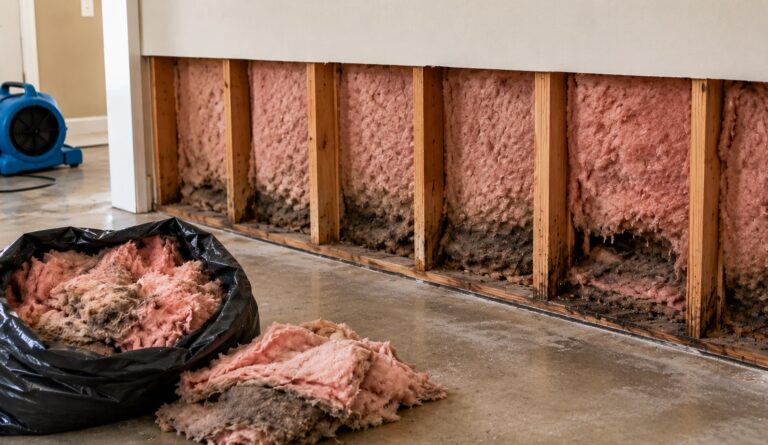
- Wet insulation left in place after leaks
Correcting insulation placement helps restore airflow and supports long-term moisture control. In many homes, insulation adjustments play a critical role in preventing recurring moisture cycles.
Use a Repair Sequence Instead of Isolated Fixes
Persistent roof moisture is easiest to fix when repairs follow the moisture path in order. Do not start by replacing stained wood, adding vents, or cleaning mold unless the source has been confirmed first.
- Confirm whether the moisture is from leakage, condensation, air leakage, blocked ventilation, or wet insulation.
- Stop the moisture source before enclosing or rebuilding any materials.
- Restore intake, exhaust, and rafter-channel airflow where ventilation is part of the problem.
- Dry or remove damp insulation and confirm structural wood is no longer holding elevated moisture.
- Replace roof decking, rafters, sheathing, or framing members only when strength has been compromised.
- Monitor the repaired area during rain, cold weather, and humid seasons before assuming the problem is solved.
Common Structural Repairs That Fix Persistent Moisture
Once the root cause is identified, permanent repairs can be planned. Structural repair methods vary depending on the source of moisture and the extent of damage. Some repairs focus on improving airflow, while others involve repairing or replacing damaged materials.
Ventilation System Corrections
Ventilation improvements are among the most effective ways to fix persistent roof moisture problems. Proper airflow removes humid air and supports drying of structural wood.
Ventilation-related repairs may include:
- Installing additional soffit vents
- Clearing blocked ventilation pathways
- Adding ridge vent capacity
- Installing ventilation baffles between rafters
- Balancing intake and exhaust airflow
Restoring ventilation balance allows moisture to escape before it accumulates on structural surfaces.
Flashing Repairs Around Roof Penetrations
Flashing protects vulnerable roof areas where penetrations occur. When flashing fails, water can enter small gaps and travel into structural components.
Flashing repairs commonly involve:
- Replacing damaged flashing materials
- Sealing joints around roof penetrations
- Correcting improperly installed flashing
- Reinforcing vulnerable connection points
Repairing flashing prevents repeated moisture entry and reduces the risk of recurring damp conditions.
Roof Deck Repairs
Roof decking provides the foundation for roofing materials. When decking becomes damaged or deteriorated, moisture may penetrate structural components beneath the surface.
Decking-related repairs may include:
- Replacing damaged sections of roof decking
- Reinforcing weakened areas
- Repairing connections between decking and framing
- Sealing exposed joints
Deck repairs often occur when moisture has penetrated deeply into roofing layers.
Safety note: If roof framing is sagging, soft, separated, cracked, or visibly distorted, avoid walking on the roof or disturbing structural members until a qualified contractor or structural professional has evaluated the area.
Structural Wood Replacement
When wood has deteriorated significantly, replacement becomes necessary. Drying alone cannot restore strength to wood that has been weakened by rot or long-term moisture exposure.
Structural replacement may be required when:
- Wood becomes soft or crumbly
- Structural members lose their shape
- Rot spreads across multiple components
- Framing members show severe warping
- Load-bearing capacity is reduced
If structural damage appears extensive, reviewing Signs of Long-Term Roof Moisture Damage can help confirm whether replacement is necessary.
Correcting Insulation and Airflow Problems
Many persistent roof moisture problems continue even after leaks are repaired because airflow and insulation systems remain improperly configured. Without correcting these conditions, moisture will continue forming inside structural areas regardless of surface repairs.
Restore Proper Airflow Channels
Airflow channels allow air to move freely between intake and exhaust vents. When these channels become blocked, humid air remains trapped inside attic spaces and condensation becomes more likely.
Correcting airflow channel problems may involve:
- Installing airflow baffles between rafters
- Clearing insulation from soffit openings
- Ensuring ventilation paths remain continuous
- Removing debris that restricts airflow
- Maintaining consistent airflow from intake to exhaust vents
Restoring airflow improves drying performance and reduces long-term moisture buildup.
Adjust Insulation Placement
Insulation must support temperature control without blocking ventilation pathways. Improper insulation placement creates cold surfaces that encourage condensation formation.
Correcting insulation placement typically includes:
- Moving insulation away from ventilation openings
- Maintaining ventilation gaps above insulation layers
- Ensuring consistent insulation thickness
- Removing saturated insulation after leaks
- Replacing insulation that has been damaged by moisture
Proper insulation placement allows ventilation systems to function effectively while reducing condensation risks.
How to Prevent Recurring Moisture After Repairs
Repairing structural problems is only part of the solution. This section focuses on post-repair monitoring; for broader long-term prevention, see How to Prevent Structural Moisture in Roof Systems.
Schedule Routine Roof Inspections
Regular inspections help identify small problems before they develop into major moisture failures. Even minor defects can allow moisture to enter structural components repeatedly.
Routine inspection practices include:
- Checking roof areas after severe weather
- Inspecting flashing around penetrations
- Watching for discoloration along rafters
- Confirming ventilation pathways remain open
- Monitoring attic conditions during seasonal changes
Regular inspection helps prevent recurring moisture problems from developing unnoticed.
Maintain Ventilation Performance
Ventilation systems require periodic evaluation to remain effective. Over time, insulation shifts, debris accumulates, and airflow pathways become restricted.
Maintenance activities include:
- Clearing debris from soffit and ridge vents
- Checking ventilation openings annually
- Ensuring airflow channels remain unobstructed
- Inspecting insulation placement regularly
Maintaining ventilation reduces the likelihood of repeated moisture buildup.
Monitor Structural Moisture Patterns
After completing repairs, monitoring structural components helps confirm that moisture problems have been resolved. Tracking changes over time allows early detection of recurring issues.
Monitoring steps include:
- Observing wood surfaces for new discoloration
- Checking for recurring dampness
- Watching for new mold formation
- Confirming that musty odors do not return
If moisture patterns return, reviewing Why Roof Rafters Stay Wet can help identify unresolved environmental causes.
When Full Structural Repair Becomes Necessary
Some moisture problems progress to the point where partial repairs are no longer sufficient. Full structural repair becomes necessary when damage affects load-bearing components or spreads across multiple framing areas.
Signs That Full Structural Repair Is Required
Extensive structural damage requires professional repair planning. Attempting minor repairs in severe cases often delays necessary corrective action.
Indicators that full structural repair may be necessary include:
- Large sections of rotted wood
- Warped or distorted framing members
- Sagging roof lines
- Repeated structural movement
- Deep deterioration across multiple components
If these conditions appear, reviewing Signs of Long-Term Roof Moisture Damage can help confirm whether damage has reached advanced levels.
Repair Planning Requires Accurate Assessment
Before major repairs begin, structural conditions must be evaluated carefully. Accurate assessment ensures that all damaged areas are identified and corrected.
Repair planning typically includes:
- Evaluating structural strength
- Identifying moisture pathways
- Determining repair scope
- Planning replacement of compromised materials
- Confirming moisture sources are eliminated
Thorough evaluation reduces the likelihood of incomplete repairs.
When to Hire Professional Contractors
While minor airflow or maintenance corrections can sometimes be handled independently, persistent structural roof moisture problems frequently require professional repair. Structural systems are complex, and incorrect repairs can allow moisture to return or worsen existing damage.
Situations That Require Professional Repair
Certain conditions indicate that professional contractors should be involved to ensure long-term stability and safety.
- Structural wood has become soft or rotted
- Large areas of framing show moisture damage
- Roof sagging or distortion is visible
- Repeated mold growth continues after repairs
- Moisture returns despite previous corrective attempts
- Hidden leaks remain difficult to locate
When these conditions occur, trained professionals can evaluate structural integrity and determine the appropriate repair strategy.
How Professionals Fix Persistent Moisture Problems
Professional repair teams should verify the moisture source before replacing materials. Otherwise, new decking, rafters, insulation, or finishes can become damp again after the next rain event, cold-weather condensation cycle, or ventilation failure.
Typical professional repair steps include:
- Inspecting structural components thoroughly
- Identifying moisture entry points
- Repairing ventilation and airflow systems
- Replacing compromised structural materials
- Confirming that moisture conditions remain stable after repairs
This systematic approach makes it more likely that the moisture source is corrected instead of temporarily reduced.
Frequently Asked Questions About How to Fix Persistent Structural Roof Moisture Problems
Can persistent roof moisture problems be permanently fixed?
Yes. Persistent moisture problems can be corrected long term when the root cause is identified and repaired. Successful repairs typically involve correcting airflow, sealing leaks, and replacing damaged materials when necessary.
Do structural moisture problems always require replacing wood?
Not always. Wood replacement is required only when structural strength has been compromised. In cases where moisture exposure is moderate, drying and correcting ventilation problems may restore safe conditions.
What is the most common cause of recurring roof moisture?
Ventilation imbalance is common, but the “most common” cause depends on the pattern. Moisture after rain usually points toward leakage or flashing failure, while damp rafters during cold or humid weather often point toward condensation, attic air leakage, blocked soffit intake, or poor exhaust ventilation.
How long do structural roof repairs usually take?
Repair timelines vary depending on damage severity. Minor ventilation corrections may take a few hours, while structural repairs involving wood replacement may require several days or longer.
Will moisture problems return after repairs?
Moisture should not return if the actual source was corrected and the repaired area stays dry through rain, seasonal temperature swings, and normal humidity changes. If dampness returns, the repair probably addressed a symptom rather than the leak path, air leak, condensation source, or airflow restriction.
Key Takeaways
- Persistent structural roof moisture problems require source-based repairs, not surface patching alone.
- Root causes must be identified before effective repairs can begin.
- Ventilation failures are among the most common contributors to recurring moisture.
- Structural wood replacement may be necessary when rot or distortion occurs.
- Professional repairs are recommended for large or complex moisture problems.
- Routine monitoring helps prevent moisture problems from returning after repairs.
Conclusion
Persistent structural roof moisture problems require careful correction to prevent long-term damage and structural failure. Temporary fixes rarely provide lasting results. Durable solutions involve identifying root causes, correcting airflow and moisture pathways, and repairing damaged materials.
The safest repair plan is the one that proves why the roof structure stayed wet, corrects that source, and then confirms the framing remains dry after the repair.
If recurring moisture problems continue despite previous repairs, review Why Moisture Problems Keep Returning to compare roof moisture with other recurring moisture patterns that may point to an unresolved source.