How to Fix Persistent Door Leak Problems
If your door keeps leaking during rain even after caulking, weatherstripping, or drying the area, the problem is usually not the visible gap you repaired. Persistent door leaks often come from a failed threshold, poor drainage, missing or failed flashing, damaged sealant, or moisture that has already reached the subfloor or framing.
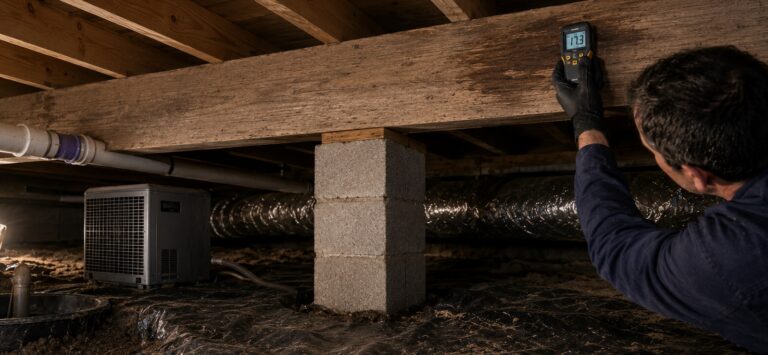
Fixing persistent door leaks requires more than patching visible gaps. It involves identifying the true source of water intrusion, understanding how moisture is moving through the door system, and choosing the right level of repair. If the leak has continued long enough to affect flooring, framing, or the wall around the opening, it also helps to understand the broader repair context in structural moisture problems in homes.
The goal is not just to stop the next leak, but to decide which level of repair is actually needed: a simple seal adjustment, threshold repair, drainage correction, structural repair, or full door-system replacement.
Why Door Leaks Keep Coming Back
Recurring leaks usually mean one active water pathway remains open. The repair may have improved part of the door system, but water is still reaching the threshold, frame, subfloor, or wall around the opening.
Surface Fixes Do Not Address Structural Problems
Many common fixes—such as applying caulk or replacing weatherstripping—only address visible gaps. While these can help in some situations, they do not solve deeper issues involving the threshold, subfloor, or wall structure.
For example:
- Caulking may seal visible seams but not stop water entering beneath the threshold
- New weatherstripping may block air leaks but not prevent water pooling at the base
- Surface repairs may temporarily redirect water without eliminating the source
Understanding the structural causes behind these issues is essential. Many persistent leaks originate from problems such as those explained in why door threshold failures cause leaks.
Water Is Entering Through Hidden Pathways
Water does not always enter through obvious openings. In many cases, it follows hidden paths beneath or behind structural components.
Common hidden entry paths include:
- Beneath the door threshold
- Behind exterior trim and siding
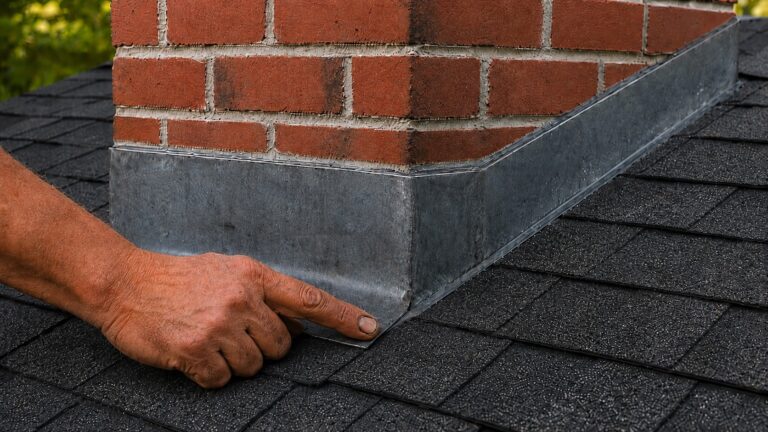
- Through gaps in flashing or sealants
- Into subfloor materials below the surface
Because these pathways are not visible, the leak may seem unpredictable or inconsistent, even though the same mechanism is occurring repeatedly.
Moisture Builds Up Over Time
Persistent leaks often involve repeated exposure to small amounts of water rather than a single large intrusion. Each event adds moisture to the structure, allowing it to accumulate over time.
This gradual buildup can lead to:
- Increasingly noticeable dampness near the door
- Recurring mold growth
- Damage to flooring and subfloor materials
- Expansion of moisture into surrounding walls
If moisture is not fully removed, problems may continue even after visible water disappears. Drying procedures like those outlined in how to dry flooring after door leaks are essential after each intrusion, but they must be combined with proper repairs.
Multiple Failure Points Are Often Involved
Persistent door leaks are rarely caused by a single issue. Instead, they usually involve multiple failure points that work together to allow water entry.
For example:
- A worn threshold allows water to enter beneath the door
- Poor exterior drainage causes water to pool at the entry
- Failed caulking allows additional moisture behind the frame
Fixing only one of these issues may reduce the problem but not eliminate it completely.
Moisture Problems Can Spread Beyond the Door
Once water enters the structure, it can spread into adjacent materials, making the problem appear larger over time. This can lead to symptoms such as those described in signs of mold growth around exterior doors, where mold appears after moisture has been present for extended periods.
Step 1: Identify the Real Source of the Leak
Before attempting any repair, it is critical to identify where the water is actually entering. Persistent door leaks often appear to come from one location while originating from another. Misidentifying the source is one of the main reasons repairs fail.
Observe When the Leak Occurs
The timing of the leak provides important clues about its cause. Pay close attention to when moisture appears.
- Leaks during heavy rain often point to drainage, threshold, or flashing problems
- Leaks during wind-driven rain often point to weatherstripping, door alignment, or frame-seal failures
- Moisture during cold weather without rain may point to condensation instead of an exterior leak
- Moisture that appears after rain has stopped may point to trapped water in flooring, trim, or the wall cavity
Understanding the conditions that trigger the leak helps narrow down the likely source.
Check Where the Water Appears
The location of visible moisture can help identify how water is entering.
- Water at the base of the door often points to threshold issues
- Moisture along vertical edges may indicate frame or sealant failures
- Damp flooring extending inward suggests subfloor involvement
- Staining on nearby walls may indicate hidden wall cavity moisture
Keep in mind that water may travel before becoming visible, so the entry point may not match the visible location exactly.
Inspect Exterior Conditions
Many door leaks originate outside the home. Inspect the area around the door for conditions that allow water to collect or flow toward the entry.
- Check for pooling water near the threshold
- Look for improper grading that slopes toward the door
- Inspect caulking and trim for visible gaps
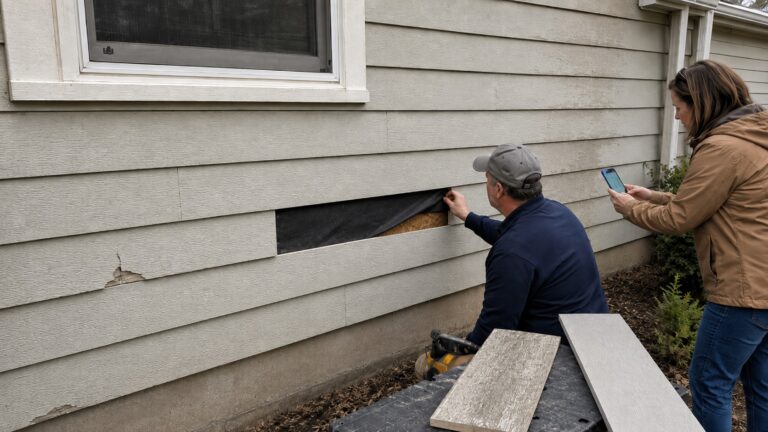
- Examine siding or exterior materials near the door frame
Exterior conditions often determine how much water reaches the door system in the first place.
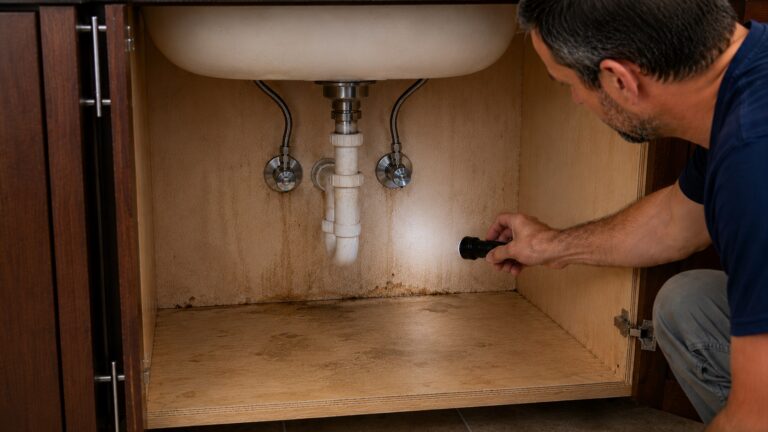
Look for Hidden Moisture Indicators
Some leaks are not immediately visible. Instead, they show up as indirect signs of moisture.
- Musty odors near the entry
- Recurring mold in the same area
- Soft or warped flooring
- Peeling paint or trim damage
These symptoms often indicate moisture that has been present for an extended period. Detection methods such as those described in detect door leaks inside walls can help confirm hidden sources.
Step 2: Match the Problem to the Correct Fix
Once the source of the leak is identified, the next step is to match it to the appropriate type of fix. Applying the wrong solution is one of the most common reasons door leaks persist.
| Problem pattern | Likely fix level |
|---|---|
| Small gaps around the door edge | Weatherstripping adjustment or replacement |
| Water at the base of the door | Threshold adjustment, resealing, or replacement |
| Water behind trim or along the frame | Exterior sealant, flashing, or frame repair |
| Damp flooring spreading inward | Subfloor inspection, drying, and possible structural repair |
| Leaks after multiple previous repairs | Full door-system evaluation or replacement |
Weatherstripping Problems
If water enters through gaps around the door edges, worn or damaged weatherstripping may be the issue.
Signs include:
- Drafts around the door
- Visible gaps between the door and frame
- Water appearing along the sides or top of the door
This is usually a surface-level repair, but only if the door still closes evenly and the leak is not coming from the threshold or frame.
Threshold-Related Leaks
If water appears at the base of the door, the threshold is often the primary problem. Threshold issues allow water to enter beneath the door and spread into flooring and subfloor materials.
Common signs include:
- Water pooling at the bottom of the door
- Damp flooring near the entry
- Leaks during rainfall
These conditions are typically related to failures explained in why door threshold failures cause leaks, where structural issues allow water to bypass the barrier.
Frame and Sealant Failures
If moisture appears along the sides of the door frame or spreads into adjacent walls, the problem may involve failed caulking or sealing around the frame.
Signs include:
- Cracked or missing exterior sealant
- Water stains along vertical frame edges
- Moisture entering behind trim
These issues often allow water to slip behind the exterior trim, where it can enter the wall cavity instead of appearing directly at the door edge.
Drainage and Exterior Water Flow Issues
In some cases, the door system itself may be functioning correctly, but exterior conditions are overwhelming it.
Examples include:
- Water pooling near the entryway
- Improper grading directing water toward the door
- Blocked drainage paths
Correcting these conditions is essential for long-term success. Without proper drainage, even well-installed doors can leak.
Repair Options for Persistent Door Leak Problems
Once the cause is identified, choose the smallest repair that fully interrupts the water path. Persistent leaks often require a combination of sealing, threshold work, drainage correction, and drying—not repeated caulking over the same visible seam.
Improving Sealing Around the Door Frame
When leaks are caused by gaps around the frame, improving sealing can reduce water intrusion.
- Reapplying exterior caulking
- Sealing gaps between trim and siding
- Ensuring continuous sealant coverage
These fixes are most effective when the underlying structure is still intact.
If the same seam has already been caulked several times and still leaks, remove failed sealant and inspect the joint instead of adding another layer over it.
Addressing Threshold Issues
Threshold-related problems often require more than adding caulk along the front edge. The repair needs to stop water from passing under or behind the threshold, not just hide the seam.
- Resealing beneath the threshold
- Adjusting or replacing the threshold
- Correcting slope to improve drainage
These fixes address the primary entry point for water at the base of the door.
Improving Exterior Drainage
Reducing the amount of water reaching the door can significantly improve performance.
- Adjusting grading to slope away from the home
- Clearing drainage paths
- Redirecting runoff away from entryways
These changes reduce the amount of water reaching the threshold, which lowers the chance that rain will be forced under the door during storms.
When DIY Fixes Are Enough
Some door leak problems can be resolved with basic repairs, especially when the issue is limited to surface-level sealing or minor wear. The key is recognizing when the underlying structure is still sound.
Do not seal over damp, soft, moldy, or swollen materials. The area should be dry, structurally sound, and free of hidden moisture before final caulking, painting, or trim repairs are completed.
Minor Sealing Gaps Around the Frame
If leaks are caused by small gaps in caulking or trim joints, resealing these areas may be enough to stop water intrusion.
- Cracked or missing caulk around exterior trim
- Small visible gaps between siding and door frame
- Localized moisture without widespread damage
These repairs are typically effective when the problem has not yet affected deeper structural layers.
Worn Weatherstripping
Weatherstripping can wear out over time, allowing water and air to pass through gaps around the door.
- Replace damaged or compressed weatherstripping
- Ensure proper alignment between door and frame
- Check for consistent contact along the edges
This type of fix is relatively simple and often resolves leaks caused by air-driven rain.
Early-Stage Threshold Issues
If the threshold is still structurally intact, minor adjustments or resealing may improve performance.
- Sealing small gaps beneath the threshold
- Adjusting threshold height or alignment
- Addressing minor slope issues
However, these fixes are only effective if the threshold has not suffered significant damage.
When Repairs Require Structural Work
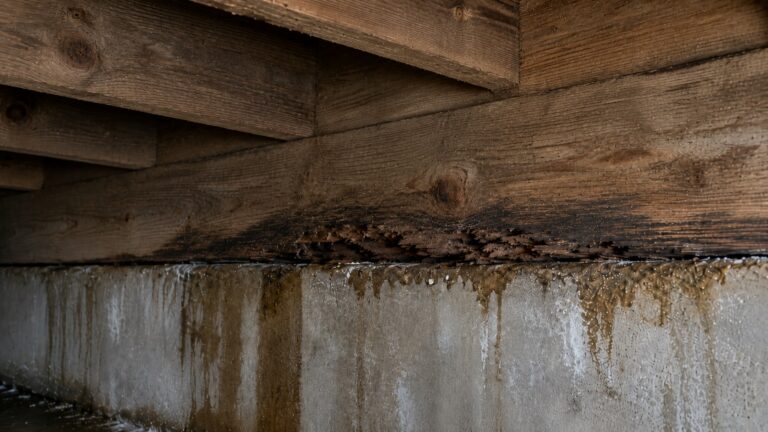
Structural work becomes necessary when water has moved beyond the visible door edge and affected the threshold base, subfloor, framing, insulation, or surrounding wall materials.
Threshold Replacement or Reinstallation
If the threshold has failed completely, it may need to be removed and replaced. This typically involves:
- Removing the existing threshold
- Inspecting and repairing subfloor materials
- Installing proper flashing and sealant
- Ensuring correct slope for drainage
This type of repair addresses the core barrier that prevents water from entering beneath the door.
Subfloor and Structural Repairs
When water has penetrated beneath the threshold, it can damage subfloor materials. In these cases, repairs may include:
- Replacing damaged subfloor sections
- Reinforcing weakened structural components
- Drying and restoring affected areas
If moisture has spread beyond the surface, drying alone—such as the methods outlined in how to dry flooring after door leaks—may not be enough to resolve the problem.
Wall and Frame Repairs
Moisture entering through the door system can spread into surrounding walls and framing.
- Repairing damaged drywall or insulation
- Replacing compromised wood framing
- Sealing hidden gaps behind trim
These repairs are necessary when moisture has moved beyond the door assembly into adjacent structures.
When to Replace the Door System
Replacement becomes more reasonable when the leak is not isolated to one worn part. If the slab, frame, threshold, flashing, and surrounding materials no longer work together as a water-shedding system, replacing individual pieces may only postpone the next leak.
Multiple Failure Points Exist
If the threshold, frame, and sealing components are all compromised, replacing the entire system may be more efficient than attempting multiple repairs.
- Recurring leaks despite multiple fixes
- Visible damage across several components
- Inconsistent performance under different conditions
A properly installed replacement gives the door slab, frame, threshold, flashing, and sealants a better chance of working together as one water-shedding system.
Severe Structural Damage Is Present
When water intrusion has caused extensive damage, replacement may be necessary to restore the integrity of the structure.
- Significant subfloor deterioration
- Warped or unstable framing
- Persistent mold or moisture issues
These conditions often go beyond what targeted repairs can resolve.
The Door System Is Outdated or Improperly Installed
Older door systems or those installed incorrectly may lack proper moisture protection features.
- Missing flashing components
- Outdated threshold designs
- Poor integration with surrounding materials
In these cases, replacement can provide improved performance and prevent future issues.
Cost vs Risk: How to Decide How Far to Go
A small repair makes sense when the leak is recent, localized, and tied to one clear failure point. A larger repair or replacement becomes more reasonable when the same area has leaked repeatedly, moisture has reached the subfloor or wall, or several parts of the door system are failing at once.
The cheapest repair is not always the lowest-risk repair. Repeated surface fixes can cost more over time if they allow hidden moisture to keep damaging flooring, framing, or trim.
When to Call a Professional
Call a professional when the leak has continued after basic repairs, when moisture may be hidden inside flooring or walls, or when the threshold, frame, or subfloor may need structural work.
Call a Professional if Leaks Continue After Repairs
If you’ve already attempted repairs and the leak keeps coming back, it usually means the root cause has not been fully addressed. A professional can identify hidden failure points and recommend the correct solution.
Call a Professional for Hidden Moisture Problems
Moisture that spreads beneath flooring or into wall cavities can be difficult to detect without specialized tools.
- Persistent dampness near the door
- Musty odors without visible water
- Recurring mold growth
These conditions may require advanced detection methods like those described in detect door leaks inside walls.
Call a Professional for Structural Damage
If structural materials have been affected, professional repair may be necessary to restore stability and prevent further deterioration.
- Soft or weakened subfloor
- Warped or unstable framing
- Damage extending beyond the door area
These issues often require more than surface-level fixes.
Call a Professional When Replacement Is Likely
If the door system shows multiple points of failure or extensive damage, a professional can assess whether replacement is the best option.
This is especially important when moisture problems have been ongoing for an extended period.
Frequently Asked Questions About How to Fix Persistent Door Leak Problems
Why does my door still leak after I sealed it?
Sealing visible gaps may not address deeper structural issues. Water often enters beneath the threshold or through hidden pathways that surface-level sealing does not fix.
How do I know if my repair worked?
Check the repair during the same conditions that caused the leak before, such as wind-driven rain or heavy runoff near the threshold. Also recheck the flooring, trim, and wall edges over the next few days, because trapped moisture may appear after the visible leak has stopped.
Can I fix a door leak without replacing the door?
Yes, many leaks can be fixed with targeted repairs. However, if multiple components are failing or structural damage is present, replacement may be necessary.
Is it safe to ignore a small door leak?
No. Even small leaks can lead to larger problems over time, including mold growth, subfloor damage, and structural deterioration.
What is the most common cause of persistent door leaks?
Threshold failure is one of the most common causes. Water can bypass the threshold and enter beneath the door, leading to recurring moisture problems.
How do I prevent door leaks from coming back?
Preventing recurring leaks requires keeping water away from the entry, sealing the frame correctly, repairing threshold failures, and confirming that flooring or wall materials are dry before final trim or caulk work is finished.
Conclusion
Persistent door leaks usually continue because one part of the water path is still active. The visible gap may not be the real problem; the failure may be at the threshold, exterior drainage, flashing, frame, subfloor, or surrounding wall.
Start by matching the leak pattern to the right repair level. Minor gaps may only need sealing or weatherstripping, but repeated leaks, damp flooring, soft materials, or multiple failed components require deeper evaluation. For broader repair context, review structural moisture problems in homes.