

Signs of Hidden Mold Around Window Frames
Signs of hidden mold around window frames include musty odors near the window, faint gray or brown staining, recurring condensation, peeling paint, swollen trim, soft drywall, and discoloration that keeps returning after cleaning. These clues matter because mold can begin behind casing, inside frame gaps, or near damp insulation before it becomes clearly visible.
If the same window area repeatedly feels damp, smells musty, or shows new staining after rain or condensation, the problem should be treated as a hidden moisture warning. To confirm whether dampness is still present, use a careful visual check and, when needed, detect moisture around window frames before repainting, caulking, or replacing trim.
Hidden mold around window frames often connects to broader window and door moisture issues, including condensation, leakage, trapped dampness, and moisture inside the rough opening. For the larger window-system explanation, see How Windows and Doors Cause Hidden Moisture Problems.
Why Mold Around Window Frames Often Remains Hidden
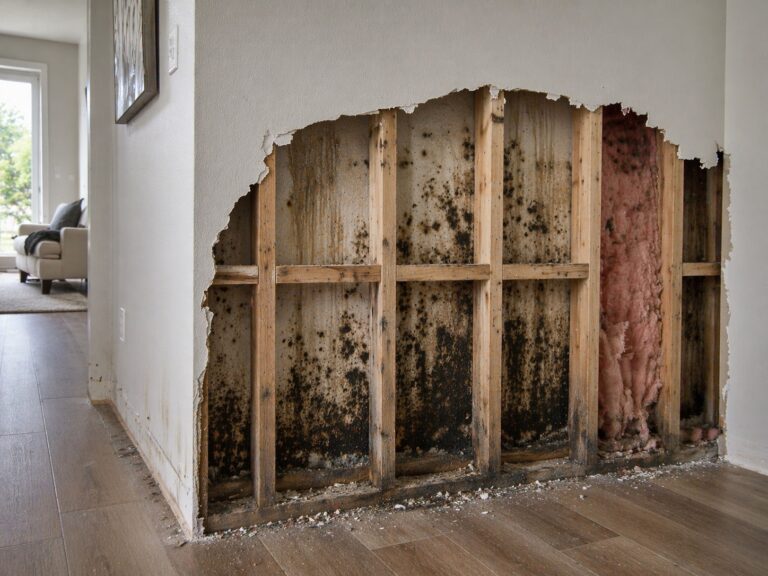
Mold frequently develops in concealed locations before becoming visible on exposed surfaces. Window frames contain multiple layers of materials, including trim, insulation, and structural components that create enclosed spaces where moisture can collect.
Because these areas are difficult to see directly, mold may seem to appear suddenly even though moisture has been present for weeks or months.
Structural Hiding Locations
Window assemblies include several structural components that create natural hiding places for mold. These concealed areas often trap moisture from condensation or minor water intrusion.
Common structural hiding locations include:
- Behind decorative window trim or casing
- Inside narrow gaps between frame components
- Within insulation surrounding window openings
- Behind drywall adjacent to window edges
- Inside joints where multiple materials meet
Moisture entering these spaces may remain trapped long enough to support mold growth, even when exterior surfaces appear dry.
Moisture Retention Zones
Certain areas around window frames retain moisture more easily than others. These retention zones allow water to remain in place, creating damp conditions that encourage mold growth.
Moisture retention zones often develop in areas such as:
- Lower corners of window frames
- Horizontal trim edges
- Seams between frame components
- Areas exposed to frequent condensation
- Surfaces near exterior walls
Repeated moisture exposure in these zones increases the likelihood of hidden mold development.
Early Warning Signs of Hidden Mold
Hidden mold often produces subtle warning signs before becoming clearly visible. Recognizing these early clues helps identify potential mold growth before structural damage occurs.
Musty Odors Near Window Areas
A persistent musty odor near window frames is one of the most common early indicators of hidden mold. Mold releases microbial gases as it grows, producing a distinctive smell that may remain noticeable even when mold is not visible.
Odor-related warning signs may include:
- A damp, earthy smell near window areas
- Odors that become stronger during humid conditions
- Musty smells appearing after condensation events
- Persistent odors that return after cleaning surfaces
- Localized smells concentrated near specific windows
Musty odors often indicate moisture-related problems even when surfaces appear clean.
Subtle Discoloration Patterns
Hidden mold may produce faint discoloration patterns before visible colonies appear. These patterns often develop gradually along trim surfaces or adjacent wall materials.
Subtle discoloration may appear as:
- Light gray or brown staining near window edges
- Uneven color changes along trim surfaces
- Darkening in corners where moisture collects
- Streaking patterns below window joints
- Small spots that expand slowly over time
These color changes often signal moisture exposure that supports hidden mold growth.
A single dirty mark is not enough to confirm hidden mold, but staining that returns after cleaning, spreads from a damp corner, or appears with a musty odor deserves closer inspection.
Visible Surface Changes That Suggest Hidden Mold
Visible surface changes around window frames often provide strong clues that mold may be developing behind trim or inside structural cavities. While mold itself may not yet be visible, surrounding materials frequently show signs of stress caused by prolonged moisture exposure.
Paint Bubbling or Peeling
Paint bubbling or peeling around window frames often signals trapped moisture beneath the surface. When moisture collects behind paint layers, pressure builds as water attempts to evaporate. This pressure weakens paint adhesion and causes visible distortion.
Paint-related warning signs may include:
- Bubbles forming beneath paint surfaces
- Peeling paint along window trim edges
- Blistered areas that expand gradually
- Paint separating from wood or drywall
- Surface cracking following moisture exposure
These changes often develop slowly and may appear minor at first. However, they frequently indicate moisture trapped behind visible surfaces where hidden mold may be forming.
Trim Swelling or Warping
Window trim materials may swell or warp when moisture remains present over extended periods. Wood trim is especially sensitive to repeated moisture exposure because it absorbs water easily.
Swelling or warping signs may include:
- Trim edges appearing thicker than surrounding areas
- Misalignment between trim components
- Gaps forming between trim and adjacent surfaces
- Distorted or uneven trim surfaces
- Difficulty closing nearby windows due to material expansion
These structural changes often signal prolonged moisture exposure that increases the likelihood of hidden mold growth.
Environmental Clues That Suggest Mold Growth
Environmental conditions often reveal ongoing moisture problems that support hidden mold development. Even when visible mold is not present, recurring moisture patterns may signal favorable growth conditions.
Recurring Moisture Patterns
Recurring moisture near window frames often indicates ongoing condensation or hidden water intrusion. Moisture appearing repeatedly in the same location suggests that drying conditions remain incomplete or that moisture sources continue to develop.
Recurring moisture warning signs may include:
- Condensation forming daily on window edges
- Water droplets returning after cleaning
- Damp surfaces reappearing in the same areas
- Moisture developing during seasonal weather changes
- Wet trim following rain or temperature shifts
When moisture patterns repeat regularly, mold growth becomes more likely in concealed areas.
Persistent Condensation Around Window Areas
Persistent condensation increases the likelihood of hidden mold because repeated wetting cycles create favorable growth conditions. Even when moisture appears minor, repeated exposure gradually supports microbial development.
For the cause-focused explanation, see why windows develop condensation and mold; this article stays focused on the symptoms that suggest mold may already be hidden around the frame.
Persistent condensation signs may include:
- Fogging or water droplets forming consistently
- Moisture appearing overnight or during temperature changes
- Wet surfaces remaining damp longer than expected
- Frequent wiping required to remove moisture
- Water collecting along horizontal trim surfaces
Repeated condensation keeps frame edges damp long enough for mold to develop behind visible materials.
Structural Changes Linked to Hidden Mold
Structural changes often occur when moisture remains trapped inside materials for extended periods. These changes usually develop gradually, making them easy to overlook until visible damage becomes noticeable.
Soft Materials Around Window Frames
Materials that feel soft or weak near window areas often indicate prolonged moisture exposure. Softness may develop as wood or drywall absorbs water and begins breaking down.
Soft material warning signs may include:
- Trim that feels soft when pressed lightly
- Drywall surfaces that dent easily
- Loose fasteners around window trim
- Surfaces that crumble or chip when touched
- Material edges losing firmness over time
These signs often indicate hidden moisture conditions that support mold growth inside structural cavities.
Surface Distortion or Separation
Surface distortion occurs when materials shift or separate due to repeated moisture exposure. As materials expand and contract during wetting cycles, structural alignment may change.
Distortion warning signs may include:
- Separation between trim and wall surfaces
- Visible cracks forming near window joints
- Uneven surface alignment along frame edges
- Bulging sections of drywall or trim
- Changes in how materials fit together
These distortions often indicate moisture trapped behind surfaces, increasing the likelihood of concealed mold growth.
If moisture exposure happened recently, dry the window area before reinstalling trim, repainting, or sealing gaps. The related guide on how to dry window areas after water intrusion explains the drying stage without turning this symptoms article into a drying guide.
When Hidden Mold Becomes More Visible
Hidden mold rarely stays concealed forever. As moisture exposure continues, mold colonies often expand beyond concealed spaces and begin affecting surrounding materials. Recognizing when hidden mold becomes more visible helps homeowners identify advancing contamination before it spreads extensively.
Visible mold often appears after concealed materials have already stayed damp for an extended period.
Expanding Discoloration Around Window Areas
One of the most noticeable signs that hidden mold is becoming visible is the expansion of discoloration around window frames. These discoloration patterns often begin as faint stains but gradually spread outward as mold colonies grow.
Expanding discoloration may appear as:
- Darkening areas spreading along trim edges
- Stains extending into nearby wall surfaces
- Patchy discoloration forming around corners
- Surface patterns becoming more defined over time
- Previously small spots merging into larger areas
These changes often indicate that mold growth has progressed beyond concealed areas.
Material Deterioration Near Window Frames
Material deterioration often develops when mold growth continues over extended periods. As moisture and microbial activity affect building materials, surfaces may weaken or break down.
Deterioration warning signs may include:
- Crumbling wood trim near window edges
- Peeling layers of paint or sealant
- Fragile drywall that flakes easily
- Loose trim pieces separating from walls
- Surface coatings breaking apart
These symptoms often indicate that mold growth has been present long enough to affect structural materials.
Why Hidden Mold Around Windows Requires Prompt Attention
Hidden mold around window frames can spread gradually through surrounding materials if moisture conditions remain favorable. Even small mold colonies may expand over time, increasing contamination risks and structural damage potential.
Prompt recognition of mold symptoms helps limit the spread of contamination. Addressing moisture conditions early reduces the likelihood of long-term damage and prevents mold colonies from expanding into adjacent areas.
Do not scrape, sand, or pull apart suspected moldy materials if the trim is soft, the drywall crumbles, the stain is spreading, or the area is connected to an active leak. In those situations, professional inspection is safer than opening the area and spreading spores into the room.
Understanding how moisture develops around windows helps explain why mold problems often return. For prevention-focused steps, see how to prevent mold around windows.
FAQ: Signs of Hidden Mold Around Window Frames
How do I know if mold is hidden around window frames?
Hidden mold is often suspected when musty odors, discoloration, or persistent moisture patterns appear near window areas. Even when mold is not visible, these warning signs may indicate concealed growth behind trim or inside wall cavities.
Can mold grow behind window trim?
Yes. Mold can grow behind window trim when moisture collects in narrow gaps around the frame. This article focuses on hidden frame-area symptoms; surface staining on trim is covered separately in signs of mold around window trim.
Why does my window area smell musty?
A musty smell near window areas often indicates microbial activity caused by moisture exposure. Mold releases gases that create distinctive odors even when colonies are hidden from view.
What causes mold behind window frames?
Mold behind window frames typically develops when moisture remains trapped inside structural cavities. Condensation, minor leaks, or humidity buildup often contribute to these conditions.
Is hidden mold around windows dangerous?
Hidden mold may affect indoor air quality and contribute to long-term material damage if left unaddressed. Identifying mold symptoms early helps limit exposure risks and structural deterioration.
Should hidden mold be inspected immediately?
Yes, especially if the area smells musty, feels soft, shows spreading stains, or stays damp after wiping. Prompt inspection helps confirm whether mold or moisture is present before the area is painted, caulked, or closed back up.
What to Do When Window Frame Mold Signs Appear
Hidden mold around window frames often develops quietly, so repeated odors, stains, dampness, and material changes should not be ignored.
Check the same window after rain, overnight condensation, humid weather, and cleaning. If the same odor, stain, soft spot, or damp area returns, the issue is likely more than surface dirt.
When mold symptoms appear around a window frame, the next step is to confirm whether moisture is still present, avoid covering the area with paint or caulk too soon, and address the source of dampness before the affected materials are closed back up.
Key Takeaways
- Hidden mold around window frames often develops in concealed spaces behind trim and inside wall cavities.
- Musty odors and subtle discoloration are among the earliest warning signs of hidden mold.
- Paint bubbling, trim swelling, and recurring moisture patterns often signal underlying mold risks.
- Soft materials and surface distortion may indicate prolonged moisture exposure.
- Expanding discoloration and material deterioration suggest advancing mold growth.
- Early recognition of symptoms helps prevent widespread contamination and structural damage.


2 Comments
Comments are closed.