How to Prevent Moisture Build-Up in HVAC Systems
To prevent moisture build-up in HVAC systems, keep airflow unrestricted, keep the condensate drain clear, control indoor humidity, and make sure ducts are sealed and insulated where temperature differences can cause condensation. Air conditioning systems naturally produce moisture, but that moisture should drain away instead of collecting inside the unit, ducts, or nearby materials.
If you’ve already noticed condensation, musty smells, water near the unit, or indoor humidity changes, address those warning signs early. Prevention protects the HVAC system and also helps reduce the risk of ceiling stains, wet insulation, poor air quality, and recurring moisture problems.
If you’re still identifying symptoms, start with signs of moisture problems in HVAC systems. If you’ve already confirmed moisture is present, how to detect moisture inside HVAC systems can help verify what you’re dealing with before focusing on prevention.
Because HVAC moisture issues often return when the underlying cause is not addressed, this topic also connects closely with how to prevent recurring moisture damage and why moisture problems keep returning. Preventing HVAC moisture is ultimately about maintaining the right balance between airflow, humidity, drainage, and system performance.
Why Preventing HVAC Moisture Is Important
Moisture problems inside HVAC systems rarely stay isolated. If condensate overflows, ducts sweat, or humidity stays high, moisture can spread into insulation, drywall, framing, and indoor air.
Preventing moisture build-up helps avoid:
- Water damage to ceilings, walls, and insulation
- Reduced HVAC efficiency and performance
- Persistent indoor humidity problems
- Musty odors and uncomfortable indoor conditions
- Long-term system wear and component damage
Prevention Focuses on Control, Not Elimination
HVAC systems will always produce some moisture during cooling, so the goal is not to eliminate condensation completely. The goal is to make sure moisture forms where it should, drains away properly, and does not spread into ducts, insulation, drywall, or surrounding materials.
Most preventable HVAC moisture problems come from small issues that gradually disturb that balance, including:
- Dirty or clogged air filters
- Blocked or closed vents
- Clogged condensate drain lines
- High indoor humidity levels
- Uninsulated, leaking, or poorly routed ductwork
When air moves freely, condensate drains away, humidity stays measured, and ducts are protected from temperature swings, normal condensation is much less likely to collect where it can cause damage.
The Most Effective Ways to Prevent HVAC Moisture Problems
The best prevention steps focus on the places HVAC moisture problems usually begin: restricted airflow, backed-up condensate drains, high indoor humidity, and ducts exposed to temperature differences.
Maintain Proper Airflow Throughout the System
Airflow is one of the most important factors in preventing moisture problems. When airflow is restricted, the system can become too cold internally, leading to excess condensation and uneven moisture behavior.
To maintain proper airflow:
- Replace air filters before they become visibly loaded with dust
- Keep return vents clear of furniture, curtains, boxes, and stored items
- Avoid closing supply vents in multiple rooms unless an HVAC professional has balanced the system for that setup
- Make sure supply registers are open and not covered by rugs or furniture
- Pay attention to weak airflow from vents, especially during humid weather
Good airflow helps keep the evaporator coil from getting too cold, which reduces the risk of excess condensation, coil icing, and drainage problems.
If airflow issues are already causing symptoms, you may also notice patterns described in signs of HVAC condensation problems, where condensation becomes visible around vents and ducts.
Keep the Condensate Drain System Working Properly
The drainage system is responsible for removing the water your HVAC system produces. Even if condensation forms normally, it becomes a problem if it cannot drain efficiently.
To prevent drainage-related moisture issues:
- Check the drain pan for standing water, rust, slime, or overflow stains
- Make sure the condensate line drains freely and does not back up during cooling cycles
- Watch for water pooling near the indoor air handler or furnace cabinet
- Look for stains, mineral residue, or damp insulation near the drain area
- Confirm that the drain line has not been bumped, disconnected, crushed, or blocked by stored items
Turn off power to the HVAC unit before opening access panels or touching wet areas near electrical components.
Drain problems are one of the most common causes of HVAC moisture buildup. Keeping this system clear and functional prevents water from accumulating inside the unit or spreading to surrounding areas.
If water stains, standing water, or damp insulation are already present, how to detect moisture inside HVAC systems can help confirm whether the drain system is part of the problem.
Avoid Airflow Imbalance From Closed or Blocked Vents
Closing vents may seem like a way to control temperature, but it can disrupt the balance of airflow throughout the system. This imbalance can lead to pressure changes that affect how moisture forms and moves.
When airflow becomes uneven:
- Some areas may receive too much cold air
- Other areas may become stagnant or humid
- Condensation may increase in specific locations
Keeping vents open and maintaining consistent airflow helps prevent localized moisture problems and supports overall system performance.
Monitor the System for Early Signs of Drain or Airflow Issues
A quick monthly check can catch drain or airflow problems before moisture spreads beyond the HVAC equipment.
Watch for:
- Unusual humidity changes
- Condensation forming more frequently than normal
- Musty smells during system operation
- Water sounds or dripping near the unit
These early signs often indicate that airflow or drainage is beginning to shift out of balance. Addressing them quickly can prevent more serious moisture problems from developing.
If you’re unsure whether what you’re seeing qualifies as a warning sign, reviewing signs of moisture problems in HVAC systems can help clarify what to watch for.
How to Manage Indoor Humidity to Prevent HVAC Moisture
Even a properly functioning HVAC system can struggle if indoor humidity levels are too high. When excess moisture is present in the air, the system must work harder to remove it, increasing the risk of condensation-related problems.
To keep humidity under control:
- Use exhaust fans in bathrooms and kitchens to remove moisture at the source
- Limit activities that release large amounts of moisture without ventilation
- Consider using a dehumidifier in high-humidity areas such as basements
- Monitor indoor humidity levels with a hygrometer, especially during warmer months
If you are not sure whether humidity is actually high, start with how to test indoor humidity levels before making changes to equipment or ventilation.
Keeping humidity within a stable range reduces the amount of condensation your HVAC system has to manage, helping prevent moisture from building up.
If humidity remains high despite these steps, it may indicate underlying conditions explained in why HVAC systems develop moisture problems.
How to Prevent Moisture in Ductwork
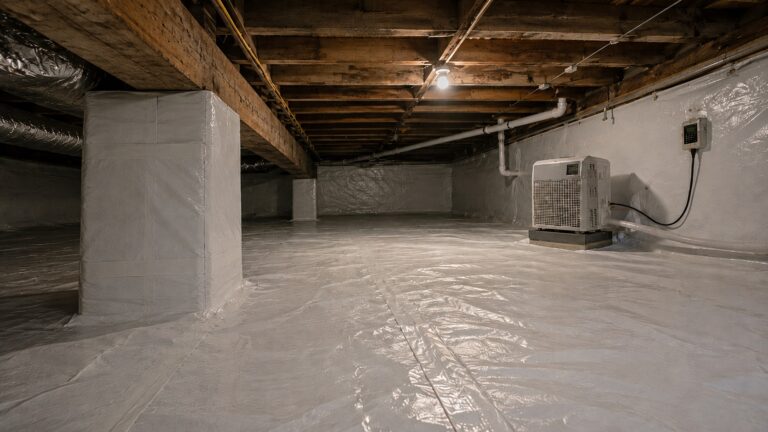
Ductwork is especially vulnerable to moisture when cold ducts pass through hot, humid areas such as attics, crawl spaces, garages, or unfinished basements. If warm humid air contacts a cold duct surface, condensation can form on the outside of the duct or around nearby insulation.
To prevent moisture in ducts:
- Ensure ducts are properly insulated, especially in attics and crawl spaces
- Seal duct joints and connections to prevent air leaks
- Check for gaps where humid air may enter the duct system
- Inspect insulation around ducts for signs of dampness
Preventing condensation on duct surfaces helps protect surrounding materials such as insulation and drywall from moisture damage. For signs that moisture may already be affecting ductwork, see signs of moisture in HVAC ducts.
Maintenance Habits That Reduce Moisture Risk
A simple maintenance rhythm can prevent many HVAC moisture problems before they spread beyond the equipment.
Use these habits as a basic prevention checklist:
- Check the air filter monthly during heavy cooling use and replace it when dirty
- Look around the indoor unit for standing water, stains, rust, or damp insulation
- Keep vents and returns open, clean, and unobstructed
- Listen for dripping sounds or unusual water movement near the air handler
- Schedule professional maintenance if airflow weakens, humidity rises, or the drain repeatedly clogs
How to Reduce Environmental Moisture Around the System
Sometimes the HVAC system is reacting to moisture from the surrounding space. A damp crawl space, humid basement, leaky attic, or poorly sealed utility area can increase the moisture load around the equipment and ducts.
To reduce environmental moisture:
- Seal gaps in the building envelope where humid air can enter
- Improve insulation to prevent temperature differences that cause condensation
- Manage moisture in crawl spaces and basements
- Ensure proper ventilation throughout the home
By controlling the environment around your HVAC system, you reduce the overall moisture load it must handle.
When Prevention Requires Professional Help
If filters, vents, drains, humidity control, and duct conditions have already been checked but moisture keeps returning, the problem may be deeper than routine maintenance.
Consider professional help if:
- Moisture problems return after filters, vents, and drains have been checked
- Condensation appears on multiple vents, ducts, ceilings, or nearby surfaces
- Indoor humidity remains high even when the system runs normally
- The condensate drain repeatedly clogs or overflows
- There are signs of wet insulation, ceiling staining, mold growth, or structural moisture damage
In these cases, a more detailed inspection may be needed to identify system-level issues. For a structured approach, see how to inspect HVAC systems for moisture damage.
Frequently Asked Questions About How to Prevent Moisture Build-Up in HVAC Systems
How do I stop moisture from forming in my HVAC system?
You usually cannot stop all moisture from forming during cooling, but you can stop it from building up. Keep filters clean, leave vents and returns unobstructed, confirm that condensate drains freely, and control indoor humidity so normal condensation can drain away instead of spreading into ducts or nearby materials.
How often should HVAC maintenance be done to prevent moisture problems?
Most HVAC systems should be professionally serviced at least once a year, and filters should be checked much more often during heavy cooling use. In humid climates or homes with pets, dust, or heavy system use, filter checks may need to be monthly.
Can high humidity alone cause HVAC moisture problems?
Yes. High indoor humidity increases the amount of condensation the HVAC system must manage. If humidity exceeds the system’s capacity, moisture can build up even if the system is otherwise functioning correctly.
How do I prevent condensation on air vents?
Condensation on vents is usually caused by temperature differences and high humidity. Improving airflow, reducing humidity, and ensuring proper insulation around ductwork can help prevent this issue.
What is the best way to keep HVAC ducts dry?
Keep ducts dry by sealing air leaks, insulating ducts in unconditioned spaces, maintaining airflow, and reducing indoor humidity. Pay extra attention to ducts in attics, crawl spaces, garages, and basements because temperature differences in those areas can make condensation more likely.
Conclusion
Preventing moisture build-up in HVAC systems comes down to four controls: airflow, drainage, humidity, and duct protection. Keep filters clean, vents open, condensate drains clear, indoor humidity measured, and ducts sealed or insulated where temperature differences can cause condensation.
If moisture keeps returning after those basics are addressed, the system may have a deeper airflow, drainage, sizing, duct, or humidity problem that needs professional inspection. Prevention works best when small HVAC moisture warnings are corrected before they spread into insulation, drywall, ductwork, or indoor air.
Key Takeaways
- Most HVAC moisture build-up starts with restricted airflow, poor drainage, high humidity, or sweating ducts
- Regular air filter changes and airflow management are essential for prevention
- Keeping the condensate drain system clear prevents water buildup
- Controlling indoor humidity reduces strain on the HVAC system
- Proper duct sealing and insulation help prevent condensation in hidden areas
- Recurring moisture issues may indicate a deeper system problem requiring inspection