How to Prevent Basement Flooding with Sump Pumps (Complete Protection Guide)
A sump pump helps prevent basement flooding by collecting groundwater in a sump pit and pumping it away before it rises onto the basement floor. But a pump alone is not complete protection. Flooding can still happen if the pump loses power, the discharge line backs up, the pit fills faster than the pump can empty it, or water drains toward the foundation faster than the system can handle it.
The safest approach is a layered sump pump system: a properly sized primary pump, reliable discharge routing, exterior drainage that reduces the water load, backup protection for outages or pump failure, alarms, and routine testing before storms.
If your home relies on a sump system, it should fit into broader basement waterproofing and water control systems. The goal is not just to remove water from the pit, but to control how water reaches the foundation, enters the drainage system, and exits the property.
Why a Sump Pump Alone Is Not Enough
A common misconception is that installing a sump pump guarantees a dry basement. In reality, sump pumps are only one part of a larger water management system. Flooding occurs when any part of that system fails.
For example:
- If the pump loses power, it cannot remove water
- If the discharge line is blocked, water cannot leave the system
- If groundwater volume exceeds pump capacity, water will overflow
- If drainage systems fail, water may bypass the sump pit entirely
Even a fully functional pump can fail under these conditions. Understanding why basement sump pumps fail helps explain why relying on a single component is not enough.
Many homeowners only recognize these risks after noticing early warning signs. If you’re already seeing unusual behavior, review signs your basement sump pump is not working to determine whether your system is already under stress.
How Sump Pumps Prevent Basement Flooding
Sump pumps are designed to remove water that collects around your foundation before it can enter your living space. They are typically installed in a sump pit at the lowest point of the basement, where water naturally flows.
How the System Works
- Water enters the sump pit through drainage systems
- The float switch rises with the water level
- The pump activates automatically
- Water is discharged away from the home
- The pump shuts off once the pit is empty
This process helps control groundwater pressure and prevents water from rising into the basement.
Where the System Can Fail
Flooding occurs when any part of this process breaks down:
- The pump does not activate
- The pump cannot keep up with water volume
- The discharge system fails
- Water enters faster than it can be removed
Because of these risks, flood prevention requires more than just having a pump—it requires ensuring the entire system works together reliably.
Choose the Right Sump Pump Capacity
One of the most important factors in preventing basement flooding is using a sump pump that is properly sized for your home’s conditions.
Why Pump Size Matters
If the pump is too small, it may not be able to remove water quickly enough during heavy rain or high groundwater conditions. This leads to continuous operation, rising water levels, and eventual overflow.
Factors That Affect Pump Capacity Needs
- Basement size and depth
- Water table level in your area
- Soil type (clay soil retains more water)
- Frequency and intensity of rainfall
- Condition of exterior drainage systems
Homes in high-risk environments may need a pump with higher gallons-per-hour capacity at the actual vertical lift required in that basement. The pump’s rating should be checked at the needed head height, not just by horsepower, because a pump can move much less water when it has to push water higher or through a long discharge run.
If your pump struggles during storms or runs continuously, it may be undersized. Early detection of these issues—using methods described in how to detect sump pump problems early—can help prevent future flooding.
A pump that runs nonstop during every heavy rain is not providing a safety margin. Even if it prevents flooding today, it may not keep up during a stronger storm, partial blockage, or power interruption.
Install a Backup Sump Pump System
One of the most effective ways to prevent basement flooding is to add a backup sump pump. Primary pumps can fail at the worst possible time—especially during storms when power outages and high water levels occur together.
Why Backup Systems Are Critical
Without a backup, your home depends entirely on a single point of failure. If the main pump stops working for any reason, water can quickly accumulate and overflow into the basement.
Backup systems provide redundancy, ensuring that water continues to be removed even if the primary pump fails. The importance of this added protection is explained in why sump pump backup systems are important.
Common Types of Backup Systems
- Battery backup sump pumps: Activate automatically during power outages
- Water-powered backup pumps: Use municipal water pressure instead of electricity
Battery backups are useful during outages, but the battery must be charged, tested, and sized for the expected runtime. Water-powered backups can run without electricity, but they require adequate municipal water pressure and may not be allowed or practical in every plumbing setup.
When Backup Systems Are Most Important
- Homes in areas with frequent storms
- Basements with a history of flooding
- Finished basements with high-value materials
- Homes in regions prone to power outages
In these situations, the backup pump may be the only thing removing water if the primary pump loses power, burns out, or cannot keep up with the pit.
Improve Discharge Line Performance
A sump pump can only prevent flooding if it successfully removes water from your property. The discharge line plays a critical role in carrying water away from the home.
Why Discharge Matters
If water is not directed far enough away, it can return toward the foundation and re-enter the sump system. This creates a cycle that increases system load and raises the risk of flooding.
Key Discharge Improvements
- Make sure the discharge pipe sends water away from the foundation, not beside it
- Extend the outlet to a lower area where water can continue draining away
- Keep the outlet clear of leaves, mud, ice, nests, and crushed pipe sections
- Confirm the check valve works so discharged water does not drain back into the pit
- Protect exposed or shallow discharge lines from freezing in cold weather
Proper discharge routing prevents water from re-entering the system and helps maintain efficient operation.
Warning Signs of Poor Discharge
- Water pooling near the foundation
- Pump running frequently without lowering water levels
- Water returning into the sump pit
These issues can contribute to system overload and failure, even when the pump itself is working correctly.
The discharge point should release water where it can continue flowing away from the home, not where it can soak back into the soil beside the foundation and return to the sump pit.
Improve Exterior Drainage Around Your Home
Reducing the amount of water that reaches your foundation is one of the most effective ways to prevent basement flooding. The less water your sump pump has to handle, the lower the risk of overload and failure.
Why Exterior Drainage Matters
Sump pumps are designed to remove water—but preventing water from accumulating in the first place reduces system stress and improves reliability.
Key Exterior Drainage Improvements
- Proper yard grading: Soil should slope away from the foundation
- Downspout extensions: Move roof runoff several feet away from the home
- Gutter maintenance: Keep gutters clean and free-flowing
- Drainage systems: Install French drains if water collects near the foundation
These improvements help redirect water before it can reach the sump system, reducing the chance of flooding.
Warning Signs of Poor Exterior Drainage
- Water pooling near the foundation
- Soil erosion around the home
- Frequent sump pump cycling during rain
- Damp basement walls after storms
Addressing these issues can significantly reduce the amount of water entering your basement system.
Protect Against Power Failures
Power outages are one of the most common causes of sump pump failure during storms. Without electricity, even a fully functional pump cannot operate.
Why Power Loss Is Dangerous
Storms that bring heavy rain often cause electrical outages at the same time. This creates a high-risk situation where water levels rise but the pump cannot respond.
Ways to Reduce Power-Related Risk
- Install a battery backup sump pump
- Use a dedicated circuit for the sump pump
- Check GFCI outlets regularly
- Consider whole-home backup power options
Never use loose extension cords, improvised wiring, or unprotected electrical connections around a sump pit. Sump pump circuits, outlets, and backup power connections should be installed safely and kept protected from water exposure.
Backup systems are one of the most reliable ways to maintain protection during outages, especially in high-risk environments.
Use Monitoring and Alarm Systems
Even well-designed systems can fail unexpectedly. Monitoring tools and alarms provide early warning so you can respond before flooding occurs.
Types of Monitoring Systems
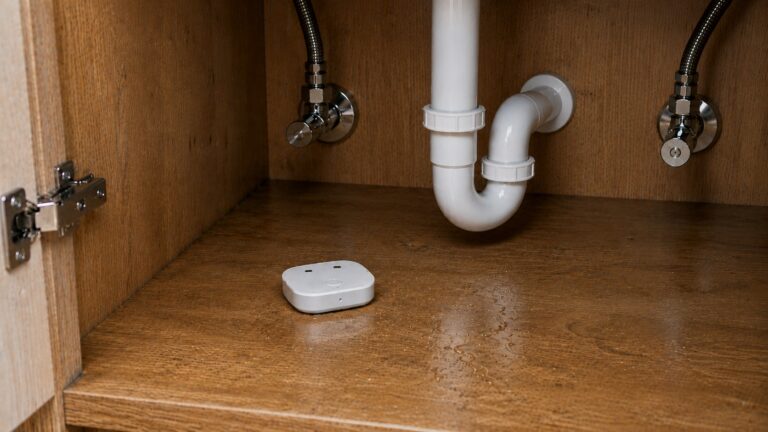
- High water alarms: Alert when water rises above the normal pump activation range
- Sump pit alarms: Warn when the pit is filling but the pump is not keeping up
- Battery-powered alarms: Continue working during outages if the main power fails
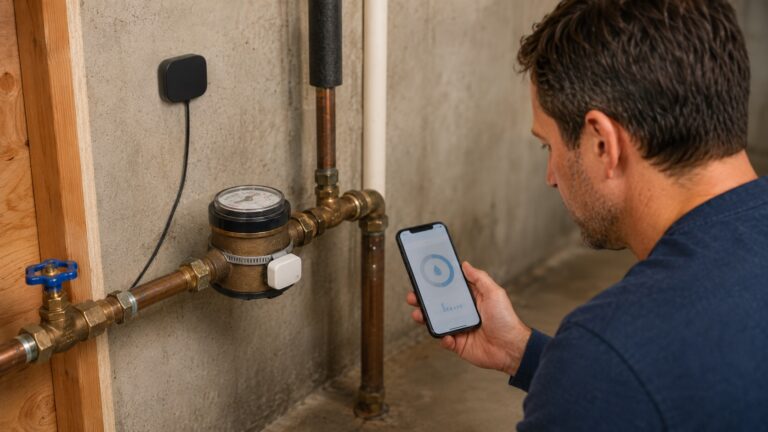
- Smart monitoring systems: Send phone alerts when water levels, power status, or pump activity changes
These systems help homeowners detect problems even when they are not in the basement.
Why Monitoring Is Important
Early alerts allow you to take action before water reaches the basement floor. This is especially valuable during storms or when you are away from home.
Monitoring systems complement detection methods like those described in how to detect sump pump problems early, providing continuous awareness instead of one-time checks.
Maintain Sump Pump Reliability Over Time
Preventing flooding requires keeping your sump pump system in reliable working condition. Even the best system can fail if it is not maintained properly.
Why Maintenance Supports Prevention
- Prevents debris buildup that can block operation
- Ensures moving parts remain functional
- Helps detect early signs of wear
- Reduces the risk of sudden failure
Small maintenance issues—such as debris in the pit, a sticking float, or a weak check valve—can become flooding problems during the next heavy storm.
Basic maintenance practices are explained in how to maintain basement sump pumps, which focuses on keeping systems in working condition over time.
Prepare for Extreme Weather Events
Basement flooding is most likely to occur during extreme weather such as heavy rainstorms, rapid snowmelt, or prolonged wet seasons. Even a well-functioning sump pump system can be overwhelmed if conditions exceed its design limits.
Why Extreme Weather Increases Flood Risk
- Rapid groundwater rise increases pump workload
- Soil saturation reduces natural drainage capacity
- Power outages may disable the system
- Multiple water entry points activate at once
These conditions can push a sump pump system beyond its normal operating range, especially if no backup protection is in place.
Pre-Storm Preparation Steps
- Test sump pump before storm season begins
- Confirm backup system is functional (if installed)
- Clear gutters and downspouts
- Check that discharge lines are unobstructed
These actions reduce the likelihood of failure during peak water conditions.
Build a Long-Term Flood Prevention Strategy
Preventing basement flooding is not a one-time task—it requires an ongoing strategy that combines equipment, drainage management, and monitoring.
Core Components of Long-Term Protection
- Properly sized sump pump system
- Backup pump for redundancy
- Effective exterior drainage control
- Reliable discharge routing
- Routine system testing and maintenance
Together, these safeguards reduce the chance that one failure will turn into basement flooding.
Why Layered Protection Matters
No single system can guarantee full protection under all conditions. Flood prevention relies on multiple safeguards working together to reduce risk at every stage of water entry and removal.
The goal is redundancy: if one part struggles, another layer still helps protect the basement.
FAQ: Preventing Basement Flooding with Sump Pumps
Can a sump pump alone prevent basement flooding?
No. A sump pump is only one part of a complete water management system. Drainage, discharge routing, and backup protection are also necessary.
Do I really need a backup sump pump?
Yes, especially in areas with heavy rain or frequent power outages. Backup systems provide protection if the primary pump fails or loses power.
What is the most important part of flood prevention?
The most important part is removing water faster than it can rise while also preventing discharged water from returning to the foundation. That usually requires both a reliable pump system and exterior drainage that reduces the amount of water reaching the sump pit.
How often should I test my sump pump?
Test it at least every few months and before major storm seasons by adding water to the pit until the float rises, the pump activates, and water discharges properly.
Can exterior drainage really affect sump pump performance?
Yes. Poor exterior drainage increases water entering the system, which can overload the pump and increase flood risk.
Conclusion
Preventing basement flooding with sump pumps depends on more than the pump itself. The system must collect water, activate reliably, discharge water away from the foundation, keep working during outages, and warn you before water reaches the basement floor.
If your pump runs constantly, the pit fills too quickly, water returns through the discharge line, or the system has no backup protection, the basement is still vulnerable. Correcting those weak points before the next major storm is the best way to reduce flood risk.
Key Takeaways
- A sump pump prevents flooding only when the full system works: pit, pump, float switch, discharge line, power supply, and drainage
- Pump capacity should be judged by water volume and head height, not horsepower alone
- Backup systems protect the basement when the primary pump fails or power goes out
- Discharge water must be sent where it cannot drain back toward the foundation
- Exterior drainage reduces the amount of water the sump pump has to handle
- Alarms and routine testing help catch problems before water reaches the basement floor
- Storm preparation matters most when the system is already close to its limit