
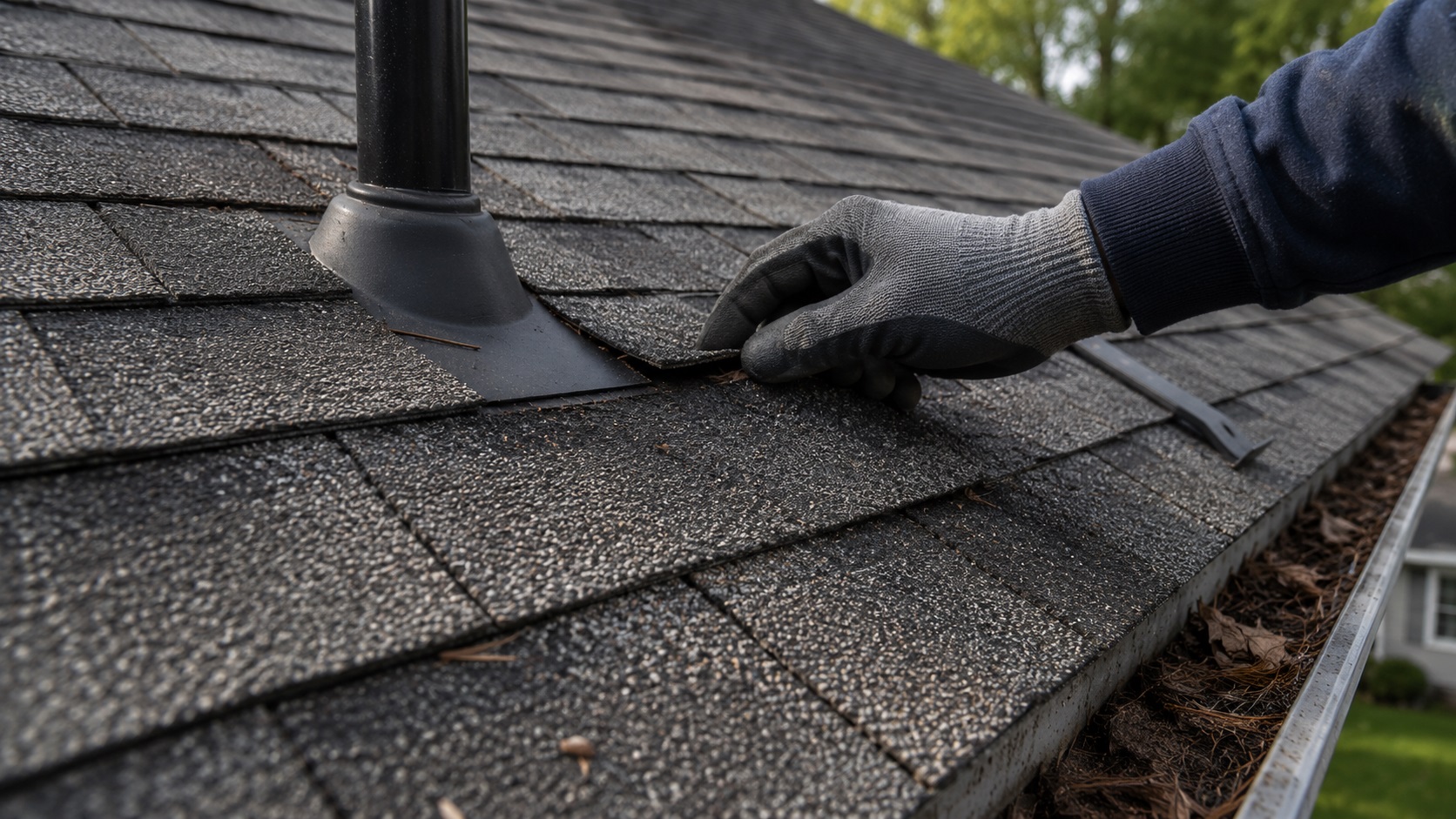
How to Prevent Roof Leak Damage
Roof leak damage is often preventable when water is controlled quickly and vulnerable roof areas are maintained before they fail. The most important steps are keeping drainage systems clear, monitoring flashing and roof penetrations, checking attic areas after storms, and drying wet materials before moisture spreads into framing, insulation, or ceilings.
Many homeowners focus only on stopping leaks, but preventing damage requires a broader approach. Water intrusion becomes dangerous when moisture remains trapped inside roofing materials, insulation, or structural framing. By reducing moisture exposure time and controlling how water moves through the home, it is possible to limit long-term damage even when leaks occur.
Many leaks begin at transition areas such as chimneys, vent pipes, valleys, skylights, and roof-to-wall connections. These weak points are explained in Why Roof Flashing Failures Cause Leaks, and they should receive extra attention during routine roof and attic checks.
If you suspect a roof leak, start by limiting water spread indoors, checking the attic below the likely leak path, photographing stains or wet materials, and scheduling roof repair before the next storm. Prevention works best when temporary control, drying, and permanent repair happen together.
Why Preventing Damage Matters Even When Leaks Are Small
Small roof leaks often seem harmless at first. A minor drip during heavy rain may dry quickly and leave no immediate visible damage. However, repeated exposure to moisture gradually weakens building materials and creates hidden risks.
Roof leak damage develops as materials absorb moisture and stay wet. Wood framing can soften, insulation can lose performance, and drywall may stain, crack, or deteriorate. The longer those materials remain damp, the greater the risk of hidden damage.
How Moisture Exposure Leads to Structural Problems
When water enters through a roof leak, it follows gravity and surface pathways. Moisture often spreads along rafters, insulation, and roof decking before becoming visible indoors. This delayed visibility allows damage to continue unnoticed.
Common structural effects of prolonged moisture exposure include:
- Wood rot developing in roof framing
- Rust forming on metal fasteners
- Insulation losing thermal performance
- Drywall softening and cracking
- Mold growth developing in enclosed areas
If moisture damage has already begun, early warning signs described in Signs of Roof Leaks Inside the House can help homeowners identify problems before severe deterioration occurs.
Why Small Leaks Often Cause the Worst Damage
Large leaks usually attract attention quickly because water becomes visible immediately. In contrast, small leaks often remain hidden for long periods. These slow leaks allow moisture to accumulate gradually, which increases the risk of hidden structural damage.
Small leaks are especially risky in attic insulation, roof decking, and wall cavities because these areas can stay damp long after the rain stops. Repeated minor leaks can gradually weaken wood components and create conditions favorable for mold growth.
The Most Effective Ways to Prevent Roof Leak Damage
The most effective prevention methods focus on maintaining roof components, keeping drainage systems clear, monitoring attic conditions, and reducing how long building materials stay damp after water intrusion.
Common Mistakes That Allow Roof Leak Damage to Spread
The most common mistake is assuming a dry ceiling means the roof leak is gone. Water can dry on the surface while insulation, roof decking, or framing remains damp above it. Other mistakes include only patching interior stains, ignoring clogged gutters, delaying roof repairs until the next storm, and replacing wet insulation before the leak source is fixed.
Maintain Roof Components Regularly
Routine maintenance helps identify developing problems before water intrusion occurs. Flashing systems, sealants, and roof penetrations experience constant stress from temperature changes and weather exposure.
Regular maintenance allows homeowners to detect early deterioration before major failures develop.
Important roof components to monitor include:
- Chimney flashing with loose edges, gaps, rust, or cracked sealant
- Pipe boot flashing with cracked rubber collars or lifted metal edges
- Roof valleys where debris slows water flow
- Skylight edges with staining, gaps, or failed sealant
- Roof-to-wall transition points where step flashing may loosen or become exposed
Understanding the risks associated with flashing deterioration — discussed in Why Roof Flashing Failures Cause Leaks — helps homeowners prioritize inspections in the areas most likely to fail.
Keep Gutters and Drainage Systems Clear
One of the most effective ways to prevent roof leak damage is maintaining proper drainage. Gutters and downspouts control how water leaves the roof. When drainage systems function correctly, water moves away quickly, reducing pressure on flashing, shingles, and structural components.
When gutters become clogged or drainage paths fail, water accumulates along roof edges and vulnerable transition points. This increases the likelihood of water forcing its way into small openings or weak areas.
Regular gutter maintenance helps reduce the stress placed on flashing and roof edges, especially in areas where leaves, pine needles, or debris collect.
How Poor Drainage Increases Damage Risk
Water that cannot drain properly remains in contact with roofing materials longer than intended. This prolonged exposure increases the chances of seepage through joints and weak points.
Common drainage-related problems include:
- Gutters overflowing during heavy rain
- Downspouts blocked with debris
- Water spilling behind gutters
- Roof edges staying wet for extended periods
- Ice or debris buildup slowing water flow
These problems increase water pressure around flashing systems, which are already vulnerable to failure. When flashing areas experience repeated water exposure, deterioration happens faster, increasing the risk of leaks.
If leaks have already occurred near roof edges, reviewing Signs of Water Damage from Roof Leaks can help determine whether drainage problems have already caused hidden damage.
Recommended Gutter Maintenance Practices
Routine cleaning and inspection reduce the likelihood of drainage-related water damage. Most homes benefit from inspecting gutters at least twice per year, with additional checks after heavy storms or seasonal debris accumulation.
Effective gutter maintenance includes:
- Removing leaves and debris from gutters
- Checking downspouts for blockages
- Confirming that water flows freely during rainfall
- Repairing loose gutter sections
- Ensuring water exits away from the home’s foundation
Homes located near trees may require more frequent cleaning due to faster debris buildup. Maintaining clear drainage systems reduces prolonged water exposure and protects vulnerable roof components.
Keep Attic Ventilation Clear So Moisture Can Dry
Attic ventilation does not stop roof leaks, but clear airflow can reduce how long minor moisture stays trapped in the attic. That matters because damp insulation, roof decking, and framing are more likely to deteriorate when they remain wet.
Why Ventilation Reduces Moisture Retention
When attic airflow is blocked, damp insulation and framing dry more slowly. Balanced intake and exhaust ventilation help move humid air out of the attic so minor moisture does not linger as long.
Key ventilation components include:
- Soffit vents allowing air intake
- Ridge vents enabling warm air to escape
- Roof vents providing additional airflow
- Gable vents assisting cross-ventilation
If ventilation systems are blocked or damaged, moisture remains trapped longer, increasing the risk of mold growth and structural deterioration. Understanding how moisture conditions lead to mold problems — explained in Why Roof Leaks Cause Mold Growth — highlights the importance of maintaining airflow inside attic spaces.
Common Ventilation Problems That Increase Damage Risk
Ventilation systems require periodic inspection to ensure airflow remains unobstructed. Small blockages or installation issues can significantly reduce ventilation effectiveness.
Common ventilation-related problems include:
- Insulation blocking soffit vents
- Damaged or missing ridge vents
- Debris clogging roof vents
- Improper ventilation design
- Airflow imbalance between intake and exhaust vents
Correcting ventilation problems improves drying conditions and reduces the likelihood of long-term moisture retention inside attic spaces.
Monitor Known Roof Risk Areas Regularly
Preventing roof leak damage requires paying attention to the areas most likely to develop problems. Roof systems rarely fail without warning. In many cases, small warning signs appear long before major damage occurs. Regular monitoring helps homeowners detect minor issues before they become costly repairs.
Most roof leaks begin in predictable locations, especially where materials connect or change direction. These areas should be inspected periodically, particularly after heavy rain, windstorms, or seasonal temperature changes.
If you are unsure what warning signs to look for, reviewing Signs of Roof Leaks Inside the House can help identify early moisture indicators before visible damage spreads.
High-Risk Areas That Require Routine Monitoring
Certain roof areas consistently experience more stress than others. Monitoring these locations improves the chances of detecting early failure before water enters the home.
High-risk roof areas include:
- Chimney flashing systems
- Roof-to-wall intersections
- Roof valleys handling heavy water flow
- Skylight edges and penetrations
- Vent pipe flashing locations
- Roof edges near gutters
Many leaks develop gradually as flashing deteriorates or materials shift slightly out of position. Checking these locations periodically helps prevent hidden water intrusion from continuing unnoticed.
Routine Attic Inspections Help Detect Hidden Moisture
Attic inspections are one of the most effective ways to prevent serious roof leak damage. Because water often enters the roof structure before becoming visible indoors, attic spaces frequently show early warning signs.
Routine attic inspections should be performed at least twice per year, as well as after major storms or unusually heavy rainfall events.
For a more detailed inspection process, review How to Inspect Roof Areas for Leak Damage, which covers where hidden moisture is most likely to appear after roof leaks.
During attic inspections, homeowners should look for:
- Dark trails or stains on the underside of roof sheathing
- Damp, matted, compressed, or discolored insulation below a roof penetration or valley
- Rust on nail tips, fasteners, metal straps, or vent hardware
- Water droplets on roof decking, rafters, or vent surfaces
- Musty odors that are strongest near a specific roof bay or attic corner
If these signs appear, they may indicate that moisture intrusion has already begun. Understanding the full range of interior warning signs — described in Signs of Water Damage from Roof Leaks — helps confirm whether moisture is spreading into structural materials.
Reduce How Long Wet Materials Stay Damp
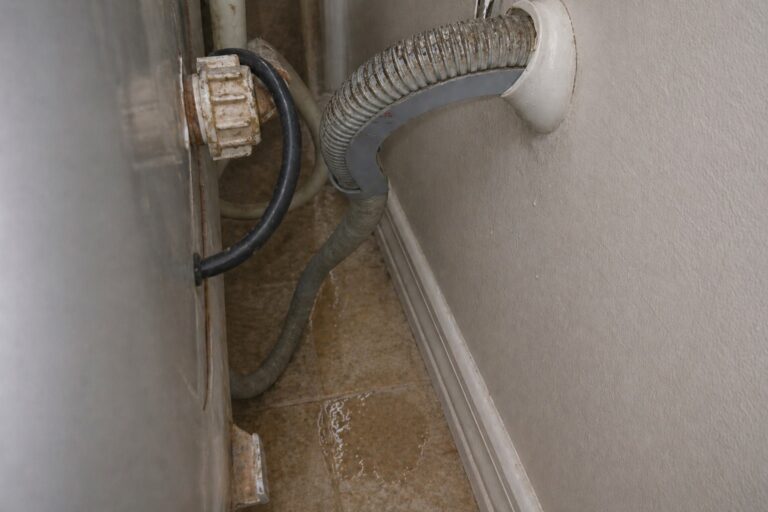
After a roof leak, damage depends heavily on how long water stays inside the roof assembly. Wet insulation, stained roof decking, damp rafters, and ceiling materials should be treated as part of the same leak path until the source is repaired and the affected area is dry.
How Indoor Humidity Affects Roof Leak Damage
Humidity levels inside the home influence how quickly materials dry after moisture exposure. High humidity slows evaporation, allowing materials to remain damp longer. This increases the risk of structural deterioration and mold development.
When humidity remains elevated, minor moisture exposure may lead to persistent damp conditions that worsen over time.
Common humidity-related problems include:
- Slow drying of insulation after leaks
- Condensation forming on cold surfaces
- Musty odors developing in attic spaces
- Increased mold risk in enclosed areas
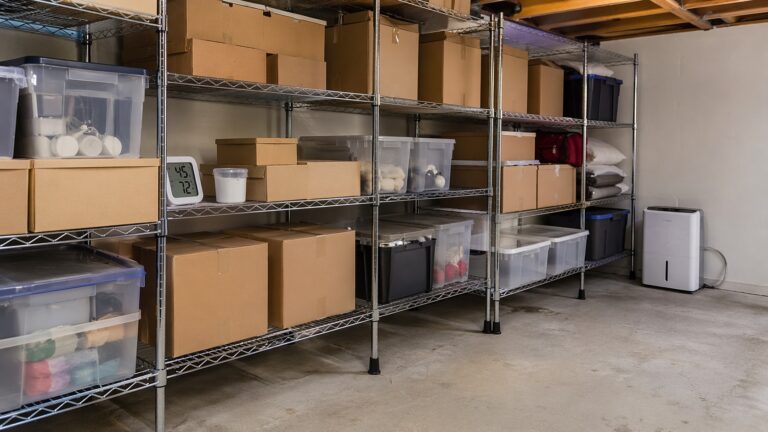
Reducing indoor humidity improves drying conditions and reduces long-term moisture retention. In homes where moisture problems occur frequently, humidity control becomes an essential prevention strategy.
How to Help Roof Leak Areas Dry Safely
Drying a roof leak area starts with stopping the water source. After that, airflow, lower indoor humidity, and repeated checks help prevent damp insulation or framing from staying wet unnoticed.
Effective moisture control methods include:
- Maintaining proper attic ventilation
- Reducing indoor humidity sources
- Monitoring moisture-prone areas regularly
- Ensuring insulation remains dry and properly installed
- Allowing wet materials to dry promptly
Reducing long-term moisture retention also lowers mold risk after roof leaks. For the fuller mold-growth explanation, review Why Roof Leaks Cause Mold Growth.
Seasonal Maintenance That Helps Prevent Roof Leak Damage
Roof systems experience different stresses throughout the year. Seasonal maintenance allows homeowners to prepare for changing weather conditions and reduce the likelihood of water damage during extreme events.
Many serious roof leak damage cases occur after seasonal neglect, especially when debris buildup, drainage issues, or hidden deterioration are left unaddressed.
Spring Maintenance Priorities
Spring is an ideal time to inspect for damage caused by winter weather. Ice accumulation, snow loads, and freeze-thaw cycles can shift flashing components and weaken sealants.
Important spring maintenance tasks include:
- Inspecting flashing around chimneys and roof penetrations
- Checking gutters for winter debris accumulation
- Looking for damaged shingles or loose materials
- Examining attic spaces for moisture stains
- Confirming proper ventilation airflow
Spring inspections help identify problems before heavy rain seasons increase the likelihood of leaks.
Summer Maintenance Priorities
High temperatures and strong sunlight accelerate material aging. Sealants and flashing materials expand repeatedly during hot weather, increasing stress on roof connections.
Summer maintenance focuses on monitoring heat-related wear and verifying that materials remain intact.
- Inspecting sealants for cracking or separation
- Checking for signs of UV damage on exposed materials
- Confirming that attic temperatures remain controlled
- Monitoring ventilation performance
- Watching for early signs of moisture buildup
Fall Maintenance Priorities
Fall preparation is critical for preventing water buildup during winter months. Leaves and debris often accumulate rapidly during this season, blocking gutters and slowing drainage.
Recommended fall tasks include:
- Cleaning gutters and downspouts thoroughly
- Removing debris from roof valleys
- Checking flashing connections before winter storms
- Inspecting roof edges and drainage points
- Verifying that attic insulation remains dry
Winter Monitoring Considerations
Winter conditions increase the risk of water infiltration due to snow accumulation and freeze-thaw cycles. Ice buildup can force water into small openings, especially around flashing components.
While winter repairs may be limited by weather conditions, monitoring signs of moisture helps reduce long-term damage.
- Watching for unusual ceiling stains
- Listening for dripping sounds during snow melt
- Checking attic areas during temperature changes
- Monitoring gutters for ice buildup
Understanding early warning signs — described in Signs of Roof Leaks Inside the House — helps homeowners respond quickly during high-risk seasons.
Prepare for Unexpected Roof Leaks
Even well-maintained roofs can develop leaks unexpectedly. Storm damage, falling debris, or material failure may occur without warning. Preparing for unexpected leaks helps reduce structural damage when water intrusion occurs.
Rapid response planning focuses on minimizing water exposure until permanent repairs can be completed. After severe weather, the first checks should be ceiling stains, attic insulation below known roof penetrations, gutter overflow areas, and any rooms below valleys, chimneys, skylights, or roof-to-wall intersections.
Do not enter an attic or touch wet ceiling materials if water is near electrical wiring, light fixtures, or visibly sagging drywall. In those situations, shut off power to the affected area if it can be done safely and call a qualified professional.
Simple Preparation Steps That Reduce Damage
- Knowing where shutoff valves and access points are located
- Keeping attic access areas clear
- Monitoring known weak points during storms
- Maintaining clear drainage paths
- Inspecting interior areas after severe weather
These preventive actions help reduce the amount of time water remains inside structural materials. The faster moisture exposure is limited, the lower the risk of long-term damage.
After any repair work is completed, continued monitoring becomes essential. The steps described in How to Monitor Roof Areas After Repairs help ensure that repaired areas remain watertight.
When Preventive Maintenance Is No Longer Enough
Preventive maintenance reduces risk, but it cannot correct every roof problem. Professional evaluation is needed when leaks repeat, materials stay damp, or roof components show visible deterioration.
Warning Signs That Require Professional Inspection
- Leaks returning repeatedly in the same location
- Multiple ceiling stains appearing over time
- Persistent moisture in attic insulation
- Visible deterioration of flashing materials
- Structural wood showing signs of softening
Recurring leak problems often indicate unresolved flashing defects or underlying structural issues. When these signs appear, delaying professional inspection increases the likelihood of long-term damage.
For guidance on handling ongoing leak problems, review How to Fix Persistent Roof Leak Problems, which explains when repair escalation becomes necessary.
Frequently Asked Questions About Preventing Roof Leak Damage
How Often Should Roof Leak Prevention Checks Be Done?
Most homes benefit from roof inspections at least twice per year, typically during spring and fall. Additional inspections after severe storms help identify early damage before water intrusion worsens.
Can Attic Ventilation Prevent Roof Damage?
Ventilation does not prevent leaks, but it helps reduce moisture retention. Improved airflow allows materials to dry more quickly, reducing the likelihood of long-term structural damage.
Should Minor Leaks Always Be Repaired Immediately?
Yes. Even small leaks can cause significant damage if left unaddressed. Early repairs reduce moisture exposure time and prevent long-term deterioration of building materials.
How Do Gutters Affect Roof Leak Damage?
Gutters control how water leaves the roof. Blocked or damaged gutters increase water pressure at vulnerable areas, which raises the likelihood of leaks and structural damage.
What should I check first after heavy rain?
Check the attic below roof penetrations, valleys, chimneys, skylights, and roof-to-wall transitions. Then look indoors for new ceiling stains, damp insulation, musty odors, or water marks near exterior walls.
Conclusion: Preventing Damage Requires Consistent Monitoring and Maintenance
Preventing roof leak damage comes down to maintaining vulnerable roof areas, keeping water moving away from the roof, checking attic spaces after storms, and responding quickly when moisture appears. If a stain, damp insulation, musty odor, or repeated leak appears in the same area, treat it as an active moisture problem until the roof source is found, repaired, and the affected materials are confirmed dry.
For a broader understanding of how roofing materials fail over time, reviewing Most Common Roofing Material Failures provides valuable context for long-term prevention planning.
Key Takeaways
- Preventing roof leak damage depends on reducing moisture exposure time.
- Regular inspections help detect problems before major damage occurs.
- Proper drainage systems reduce pressure on vulnerable roof areas.
- Clear attic ventilation helps wet materials dry faster, but it does not replace roof leak repair.
- Seasonal maintenance prepares roofs for changing weather conditions.
- Recurring leaks indicate the need for professional inspection.

One Comment
Comments are closed.