Why Roof Leaks Cause Mold Growth
Roof leaks cause mold growth because they keep organic building materials damp inside enclosed roof, attic, and ceiling spaces. Even a small amount of water entering through damaged roofing materials can soak insulation, wood framing, or paper-backed drywall. Once that moisture stays trapped, mold spores already present in the home can begin to grow.
Many homeowners assume mold only develops after large leaks or flooding. In reality, mold growth often begins after repeated small leaks that go unnoticed. Moisture trapped inside building materials may remain hidden long after the visible surface appears dry.
If you are already seeing ceiling stains, peeling paint, or musty odors, reviewing signs of roof leaks inside the house can help confirm whether roof moisture may be present. This article focuses on why that roof moisture turns into mold when drying is delayed.
How Roof Leaks Create Ideal Conditions for Mold Growth
Mold requires only a few basic conditions to grow. Roof leaks supply those conditions in ways that make attics and ceiling spaces especially vulnerable.
Moisture From Roof Leaks Stays Trapped
When water enters through damaged roofing materials, it rarely dries immediately. Instead, moisture spreads through insulation, wood framing, and ceiling materials. These materials absorb water and release it slowly over time.
This trapped moisture creates long-lasting damp conditions that mold spores need to begin growing. Even when surfaces appear dry, moisture may still be present inside hidden cavities.
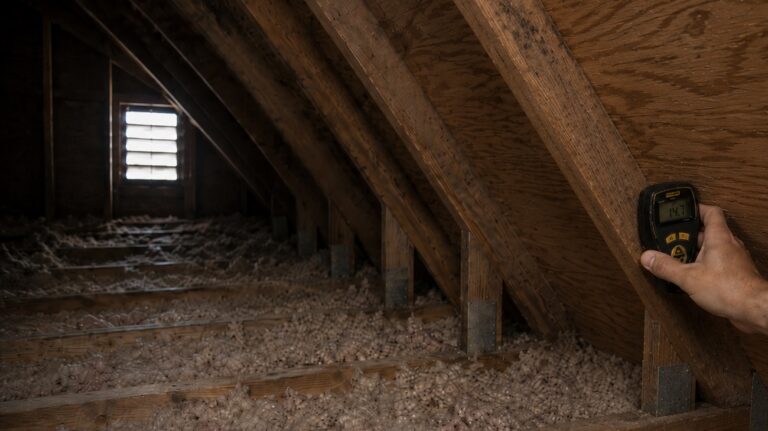
After a suspected roof leak, the first areas to check are the underside of roof decking, the top of ceiling drywall, nearby insulation, and framing directly below the leak path.
Roof Structures Contain Organic Materials
Mold grows best on organic materials. Many roof components provide ideal surfaces for mold development.
Common organic materials inside roof systems include:
- Wood roof decking
- Rafters and joists
- Paper-backed drywall
- Dust and debris trapped in insulation
These materials provide nutrients that mold uses to grow and spread once moisture is present.
Warm Temperatures Accelerate Growth
Many roof spaces, especially attics, stay warm enough to speed up mold growth when moisture is present. During warmer months, damp roof decking, framing, or insulation may support mold activity before homeowners notice visible damage below.
How Fast Mold Can Grow After a Roof Leak
Mold can begin developing quickly after a roof leak if insulation, wood, or drywall stays wet. Mold spores already exist in the air and on surfaces; the roof leak supplies the moisture that allows growth to begin.
The First 24 Hours After a Leak
During the first day after a roof leak, moisture spreads into surrounding materials. Insulation absorbs water, wood surfaces become damp, and drywall may begin softening.
At this stage, mold is not usually visible. However, moisture conditions are developing that can support future growth.
Within 24 to 48 Hours
If materials remain wet beyond the first day, mold can begin developing on damp surfaces. Early growth often starts at microscopic levels that are invisible to the human eye.
Even though mold may not yet be visible, conditions inside the roof structure may already support colony formation.
Between Three and Seven Days
If moisture continues to remain trapped, mold colonies may begin forming visible spots. Musty odors often develop during this stage as mold releases airborne compounds.
At this point, the leak source should already be identified. Learning how to detect hidden roof leaks helps locate the origin before mold spreads further.
After One to Three Weeks
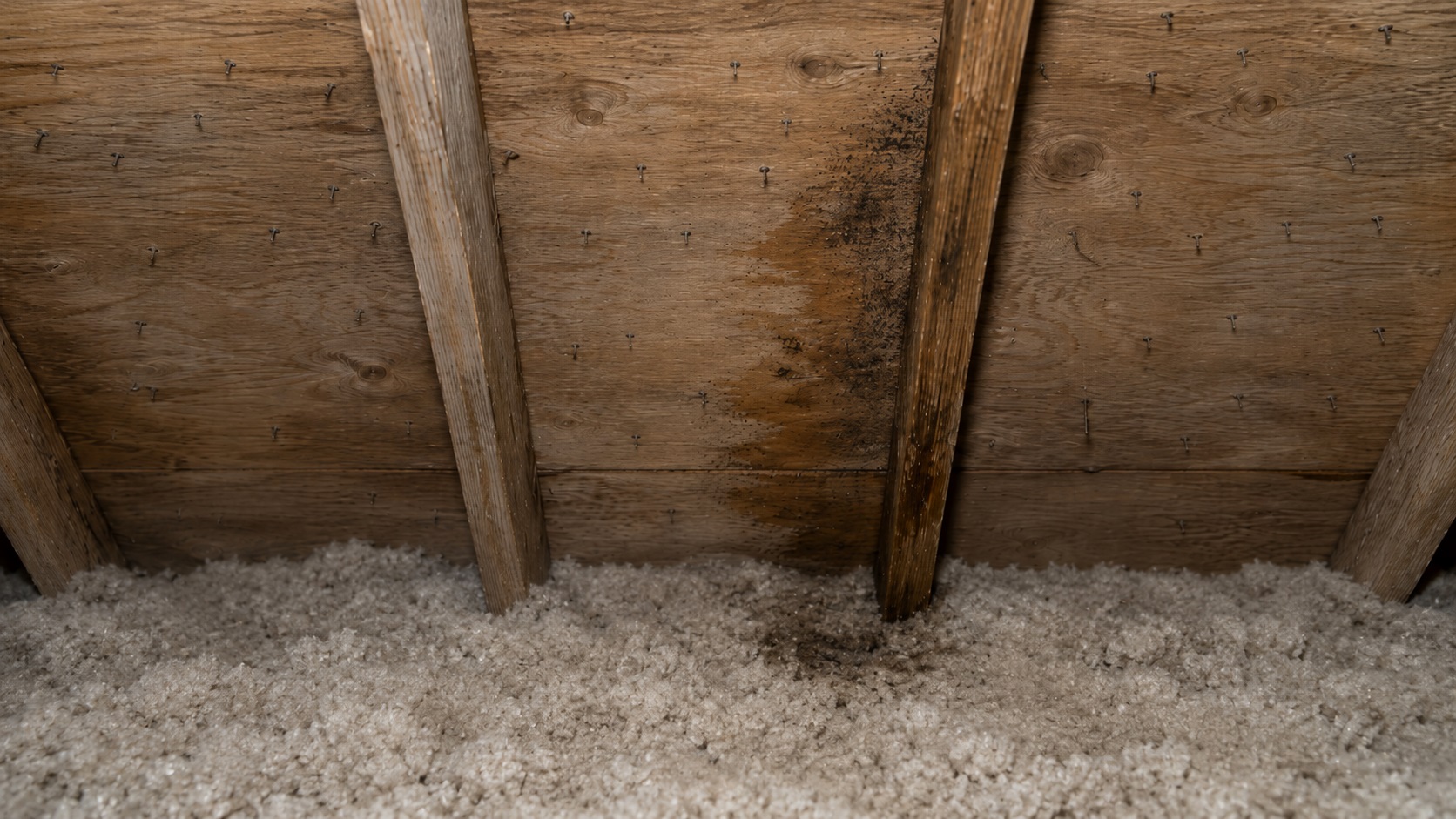
Long-term moisture exposure allows mold colonies to expand significantly. Visible staining, discoloration, or fuzzy growth may appear on wood or insulation surfaces.
Extended moisture exposure increases the difficulty of cleanup and increases the risk of structural damage.
Why Wet Insulation Is a Major Mold Trigger
Wet insulation is one of the most common reasons mold develops after roof leaks. Insulation is designed to trap air, but when water enters, those same air pockets hold moisture instead. This slows drying and creates long-term damp conditions that mold needs to grow.
In many homes, insulation becomes saturated long before ceiling stains appear. By the time visible signs develop indoors, mold may already be forming inside insulation layers.
Insulation Holds Moisture Like a Sponge
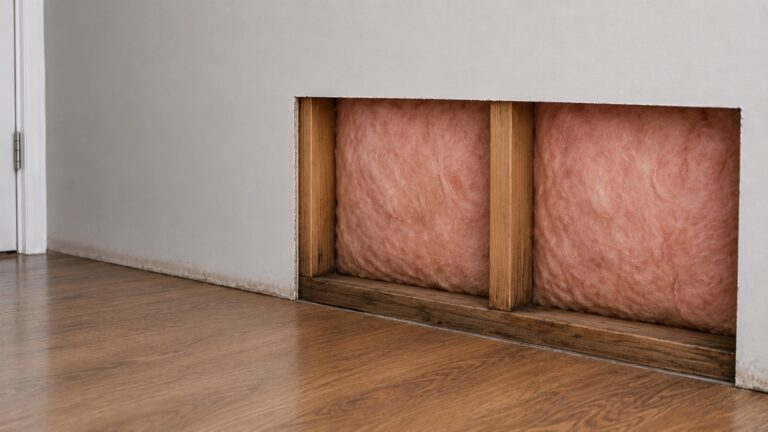
Most insulation types, including fiberglass and cellulose, absorb water quickly when exposed to leaks. Once wet, insulation traps moisture deep inside its fibers.
This trapped moisture often remains hidden, making it difficult to detect without direct inspection. Even when the outer surface feels dry, moisture may still be present inside the insulation mass.
Wet insulation also loses its ability to regulate temperature, which increases humidity levels inside attic spaces and makes mold growth more likely.
Airflow Cannot Easily Reach Wet Insulation
Insulation is usually installed tightly between framing members. When it becomes wet, airflow cannot circulate freely around it. Without airflow, moisture evaporates very slowly.
Roof leak moisture that becomes trapped inside insulation may remain for days or weeks, especially in areas with limited ventilation.
Repeated Leaks Make Insulation More Dangerous
Roof leaks rarely happen once. Each rainfall introduces additional moisture into already damp materials. This repeated wetting creates long-term moisture exposure that significantly increases mold risk.
When insulation remains wet through multiple rain cycles, mold growth becomes much more likely. For a deeper look at this material-specific problem, see why mold forms in attic insulation.
Why Hidden Moisture Causes Worse Mold Problems
Hidden moisture is more dangerous than visible water because it often remains untreated. A small roof leak can keep ceiling cavities, insulation, or attic corners damp for long periods before stains appear indoors.
Hidden Moisture Dries Slowly
Moisture trapped inside ceilings, insulation, or framing dries much more slowly than exposed water. These enclosed spaces receive limited airflow and little direct heat.
As a result, moisture can remain inside materials long after visible surfaces appear dry. This delayed drying creates the ideal environment for mold growth.
Hidden Moisture Often Spreads Before Detection
Water from roof leaks does not stay in one place. It spreads along framing members, insulation surfaces, and roof decking before reaching visible areas.
This spreading behavior increases the total area affected by moisture, making mold growth more widespread than expected.
Understanding signs of water damage from roof leaks helps homeowners recognize how moisture spreads through building materials.
Small Leaks Can Remain Undetected for Months
Slow leaks may produce minimal visible damage at first. Instead of dripping water, they may create slight dampness that goes unnoticed until mold growth becomes visible.
This delayed discovery allows mold colonies to grow in hidden spaces such as ceiling cavities or attic corners.
Materials Most Likely to Grow Mold After Roof Leaks
Some building materials are more vulnerable to mold growth than others. Materials that absorb moisture and contain organic components create ideal mold growth environments.
The highest-risk materials are usually the ones that stay damp the longest, not always the ones that look wet first.
Wood Framing and Roof Decking
Wood is highly susceptible to mold growth because it absorbs moisture and contains natural organic fibers. Rafters, joists, and roof decking are among the most commonly affected materials after roof leaks.
Once moisture enters wood fibers, drying becomes slow and uneven. This increases the likelihood of mold development along wood surfaces.
Drywall and Ceiling Materials
Drywall contains paper backing that supports mold growth when wet. Ceiling drywall is particularly vulnerable because roof leaks often deposit moisture directly onto its surface.
Once drywall becomes wet, mold can begin growing on both the front and back surfaces, especially if moisture remains trapped inside ceiling cavities.
Insulation Materials
Insulation creates one of the highest mold risks after roof leaks. In addition to trapping moisture, insulation also collects dust and debris, which provide nutrients for mold growth.
Wet insulation frequently becomes the primary location where mold begins forming after roof leaks.
Stored Items in Attics
Cardboard boxes, fabric materials, and stored belongings can also support mold growth when exposed to roof leak moisture.
Attic storage areas are particularly vulnerable because they often receive limited airflow and are located directly beneath roof systems.
Why Drying Delays Increase Mold Risk
The speed at which materials dry plays a major role in whether mold growth occurs. The longer materials remain wet, the greater the chance mold will develop.
Delayed Repairs Allow Moisture to Persist
Waiting too long to repair roof leaks allows water to continue entering the structure. Each rainfall adds moisture to already damp materials, increasing mold risk.
Limited Ventilation Slows Drying
Poor attic ventilation reduces airflow, making it harder for moisture to evaporate. Without proper airflow, damp materials remain wet longer.
Ventilation problems can turn minor leaks into long-term moisture issues.
Cool Surfaces Retain Moisture
Cool surfaces dry more slowly than warm surfaces. Areas near roof edges or shaded sections of the attic often remain cooler, allowing moisture to persist longer.
This extended dampness creates conditions that support mold growth even after rainfall stops.
Warning Signs Mold Risk Is Becoming Serious After a Roof Leak
Mold growth after roof leaks becomes more dangerous the longer moisture remains inside building materials. While small areas of mold can sometimes be managed early, widespread contamination often requires professional remediation and structural repairs.
Mold problems rarely improve while roof moisture remains active. In most cases, growth continues until the leak source is corrected and damp materials are dried or removed.
Strong Musty Odors That Do Not Go Away
A persistent musty smell is often one of the earliest signs of mold growth following roof leaks. These odors typically become stronger after rainfall or during humid weather.
If odors remain after visible moisture appears to dry, hidden mold may still be present inside insulation or framing cavities.
When odors continue despite cleaning or ventilation, it is important to identify whether additional leak sources exist. Revisiting how to detect hidden roof leaks can help locate hidden moisture that continues feeding mold growth.
Visible Mold Spreading Beyond Small Areas
Small mold spots may appear harmless at first, but rapid expansion is a warning sign that moisture conditions remain favorable for growth. Mold that spreads across rafters, drywall, or insulation surfaces indicates ongoing moisture problems.
Visible mold growth along structural surfaces should never be ignored, especially when it appears in multiple locations. Do not paint, caulk, or seal over stained or moldy materials until the leak source and hidden moisture have been corrected.
Multiple Damp Areas Inside the Roof Structure
If several areas inside the attic or ceiling show dampness, the leak may have been active for an extended period. Widespread moisture greatly increases the chance of mold contamination throughout the structure.
If ceiling drywall is sagging, light fixtures are wet, or water is near electrical wiring, stop inspection from below and call a qualified professional.
Recognizing signs of water damage from roof leaks helps determine whether moisture has already spread into surrounding materials.
Symptoms That Improve Away From the Affected Area
When mold growth develops above ceilings or inside attic spaces, air movement can carry particles or odors into nearby rooms. Some people may notice irritation that feels worse in rooms below the leak area and improves when they leave that part of the home.
Possible symptoms include:
- Persistent coughing or throat irritation
- Nasal congestion
- Eye irritation
- Increased allergy symptoms
If symptoms appear alongside roof leak damage or mold odors, addressing the moisture source becomes even more urgent.
Why Repeated Roof Leaks Make Mold Problems Worse
Roof leaks that occur repeatedly create cycles of wetting and drying. These cycles allow mold colonies to strengthen and spread deeper into materials.
Each new leak event adds moisture to previously affected areas, making complete drying more difficult.
Repeated Wetting Strengthens Mold Colonies
Mold colonies that survive earlier moisture exposure can remain active when damp conditions return. When leaks continue over time, these colonies may expand across larger surfaces.
Repeated wetting also increases the amount of contaminated material inside the structure.
Older Leaks Create Hidden Layers of Damage
Long-term leaks often create multiple layers of moisture damage. Wood framing, insulation, and drywall may all be affected at different depths.
These layered moisture zones make mold removal more difficult and increase the risk of structural deterioration.
Seasonal Leaks Increase Mold Risk
Some roof leaks occur only during certain weather conditions, such as heavy rainfall or snow melt. Seasonal leaks can allow moisture to build slowly over time without obvious warning signs.
Understanding common roofing material failures helps explain why seasonal damage patterns often lead to hidden mold growth.
How to Reduce Mold Risk After a Roof Leak
Preventing mold growth after roof leaks requires fast action and thorough drying. Even small leaks should be addressed quickly to reduce moisture exposure time.
Repair the Leak as Soon as Possible
Stopping the leak source is the most important step. Without repairing the roof entry point, moisture will continue entering the structure and feeding mold growth. Temporary measures may reduce water intrusion, but permanent repairs are necessary to prevent recurrence.
Dry Affected Materials Quickly
Fast drying is essential after roof leaks, but visible dryness is not enough. Wet insulation, ceiling drywall, and roof framing should be checked for hidden moisture before the area is considered dry.
Remove Severely Wet Materials When Necessary
Materials that remain wet for extended periods may need replacement. Insulation, drywall, and wood components that cannot dry properly may continue supporting mold growth.
If visible mold appears, additional steps may be required. A complete guide to how to remove mold permanently explains long-term remediation strategies.
Frequently Asked Questions About Roof Leaks and Mold Growth
Can mold grow after a single roof leak?
Yes. Even a single leak can introduce enough moisture to support mold growth if materials remain wet for more than one or two days.
Does wet insulation always lead to mold?
Not always, but wet insulation significantly increases mold risk. The longer insulation remains damp, the greater the chance mold will develop.
Can mold grow without visible water?
Yes. Mold often begins growing in hidden areas where moisture remains trapped but cannot be seen from living spaces.
Does cold weather prevent mold growth?
Cold temperatures slow mold growth but do not stop it completely. Indoor roof spaces often remain warm enough to support mold activity.
When should roof-leak mold be handled by a professional?
Professional help is usually safer when mold covers a large area, keeps returning after drying, is inside insulation or ceiling cavities, or appears near sagging drywall or electrical fixtures.
Conclusion
Roof leaks create mold risk by adding moisture to organic materials in enclosed spaces with limited airflow. Even small leaks can keep insulation, wood, or ceiling materials damp long enough for mold to develop before visible damage appears.
The most important response is to stop the leak, confirm how far moisture spread, and dry or remove materials that cannot dry safely. Early action lowers the risk of hidden mold, structural damage, and larger remediation costs.
Key Takeaways
- Roof leaks create long-lasting moisture that supports mold growth.
- Wet insulation and wood are among the most common mold growth locations.
- Mold can begin forming within 24–48 hours of sustained moisture exposure.
- Repeated leaks significantly increase mold risk and contamination spread.
- Fast repairs and rapid drying reduce the chance of long-term mold problems.