
How to Prevent Water Leaks Around Chimneys
To prevent water leaks around chimneys, keep the entire chimney water-control system working: the crown, cap, mortar, brick, flashing, surrounding shingles, and attic warning signs all need attention. A chimney interrupts the roof surface, so even a small crown crack, loose flashing edge, missing cap, or deteriorated mortar joint can let rainwater enter before a ceiling stain appears.
The best prevention routine is simple: inspect the chimney seasonally, keep debris away from the roof-to-chimney area, repair small defects before they spread, check the attic after storms, and avoid using sealant as a substitute for failed flashing, cracked masonry, or unsafe roof repairs.
Why Chimneys Are Common Water-Leak Points
Chimneys are vulnerable because they pass through the roof instead of being part of one continuous roof plane. Anywhere a roof surface is interrupted, water must be directed around the opening. That makes the chimney area dependent on proper flashing, sound masonry, a working crown, and roof materials that still shed water correctly.
Rainwater naturally looks for weak points. It can run down the roof toward the chimney, hit the uphill side of the masonry, collect around flashing, blow sideways during storms, soak into deteriorated mortar, or enter through cracks at the top of the chimney. Once water finds a path, it may not appear directly below the entry point. It can travel along roof decking, rafters, insulation, or chimney surfaces before showing up as a stain.
That is why chimneys fit into the broader category of exterior structural water-entry points. Chimneys, wall penetrations, flashing transitions, mortar joints, roof intersections, and exterior gaps all need reliable water-control details. Understanding how water enters homes through structural gaps helps explain why chimney leak prevention requires more than one quick patch.
Chimney leak risks often build slowly. Crown cracks widen, flashing loosens, sealant dries out, mortar erodes, brick absorbs moisture, and debris traps water against weak points. Prevention works best before stains appear indoors, because by the time water reaches ceiling drywall, attic insulation or roof sheathing may already be wet.
Know Which Chimney Parts Control Water
Preventing chimney leaks starts with knowing which part of the water-control system is most likely to fail.
The chimney crown is the top masonry or concrete surface that helps shed water away from the flue and chimney walls. A good crown slopes away from the flue and does not hold standing water. If it cracks, crumbles, separates around the flue, or becomes flat enough to pond water, rain can enter from the top of the chimney.
The chimney cap helps limit direct rain entry into the flue opening. A missing, loose, rusted, or damaged cap can allow water into the chimney system and may contribute to odors, rust, dampness, or masonry problems. Caps do not solve every chimney leak, but they are an important part of reducing direct water exposure.
Flashing protects the roof-to-chimney intersection. Step flashing usually works with the roof covering along the sides of the chimney, while counterflashing helps cover and protect the upper flashing edges where they meet the masonry. If flashing lifts, rusts, separates, pulls out of mortar joints, or is covered with failed patching, water can enter beside the chimney and reach the attic.
Brick and mortar also matter. A chimney can leak even when the flashing looks acceptable if the brick is porous, the mortar joints are cracked, or the masonry has started to spall. Water can soak into deteriorated masonry and move through the chimney structure instead of entering through one obvious hole.
The surrounding roof surface is part of the system too. Damaged shingles, poor drainage, debris buildup, nearby roof penetrations, or roof defects above the chimney can send water toward the chimney area. If the roof surface does not shed water properly, even good chimney details may be exposed to more water than they were designed to handle.
Finally, the attic provides early warning signs. Water stains on roof decking, damp insulation, rusted nail tips, or musty odors around the chimney can reveal a leak before the living space is damaged. Preventive chimney maintenance should include both exterior inspection and periodic attic checks.
Inspect the Chimney Crown Before Cracks Spread
The chimney crown is one of the first places to check when preventing chimney water leaks. It sits at the top of the chimney and should shed rainwater away from the flue and masonry. When the crown cracks, holds water, or separates around the flue tile, water can enter from above and move into the chimney structure.
A prevention inspection does not need to start on the roof. From the ground, use binoculars or a camera zoom lens to look for obvious cracks, broken crown edges, missing material, uneven surfaces, or gaps around the flue. If the roof is steep, wet, high, icy, or unsafe, do not climb onto it. Use a professional inspection instead.
Pay attention to crown slope. A crown that is too flat may hold water after rain. Ponding water makes even small cracks more important because moisture has more time to soak into weak areas. Dirt rings, dark low spots, algae-like staining, or repeated dampness on the crown surface may suggest that water is not draining away properly.
Cracks near the flue are especially important. The area where the flue passes through the crown is exposed to movement, heat, weather, and repeated wetting. If the seal around the flue fails, water may enter even if the rest of the crown looks mostly intact. If you see cracks or gaps at the top of the chimney, the next step is to inspect chimney crowns for cracks more carefully.
Not every crown crack needs the same repair. A faint surface line may only need monitoring, while open cracks, missing crown material, flue separation, or crumbling edges may require professional repair before the damage becomes attic moisture, masonry deterioration, or a recurring chimney leak.
Keep Chimney Flashing Maintained
Flashing is one of the most important leak-prevention details around a chimney. It protects the roof-to-chimney intersection, where water naturally tries to enter. If flashing is loose, rusted, poorly sealed, buried under roofing cement, or separated from the masonry, rain can move into the roof system beside the chimney.
Chimney flashing usually includes step flashing along the sides of the chimney and counterflashing that covers the top edge of the step flashing where it meets the masonry. These pieces must work with the roof covering and the chimney wall. If one layer is missing, reversed, loose, or poorly integrated, water may bypass the system.
From the ground or a safe vantage point, look for rust stains, lifted flashing edges, cracked sealant, gaps at the masonry, missing mortar where counterflashing is embedded, or large blobs of roof cement from repeated patching. These signs do not always prove an active leak, but they show that the flashing should be evaluated before water reaches the attic. If those signs are visible, a more focused step-by-step check to inspect chimney flashing for leaks can help separate minor maintenance from flashing that may already be allowing water behind the roof surface.
Debris can also make flashing problems worse. Leaves, pine needles, moss, and roof grit can trap moisture against metal and masonry. When debris stays wet against flashing, it can contribute to corrosion, staining, and water backup during storms. Keeping the roof-to-chimney area clear is part of leak prevention.
Flashing maintenance should be handled carefully because poor patching can make future leak tracing harder. Smearing sealant over flashing without understanding how the pieces overlap may hide the problem instead of fixing it. If the flashing is generally intact but needs attention, learn how to maintain chimney flashing without turning a small issue into a recurring leak.
Watch for Brick, Mortar, and Masonry Deterioration
Not every chimney leak starts at the crown or flashing. Brick and mortar can also allow moisture problems when they deteriorate. Older masonry, cracked mortar joints, porous brick, and spalling surfaces can absorb water during rain, especially when wind drives moisture against the chimney.
Look for missing mortar, recessed joints, loose brick, white powdery staining, flaking brick faces, dark damp areas, or vertical staining below the crown. These symptoms suggest that water may be interacting with the masonry instead of shedding cleanly off the chimney.
White staining, often called efflorescence, can appear when moisture moves through masonry and leaves mineral deposits on the surface. Efflorescence does not prove the exact source of water, but it is a clue that the chimney has been wet enough for moisture movement through masonry materials.
Spalling brick is more serious. When brick faces flake, chip, or break away, the chimney may have been exposed to repeated moisture cycles. Freeze-thaw conditions, saturated masonry, poor crown protection, and long-term weather exposure can all contribute to deterioration. Once masonry begins breaking down, simple surface sealing may not be enough.
If the brick is still structurally sound but absorbs water easily, follow a dedicated process to waterproof brick chimneys instead of treating masonry protection as a quick surface patch.
Prevention means watching masonry condition before it becomes structural damage. Small mortar defects can become larger water paths, porous brick can stay wet longer, and cracks can widen. If masonry damage is visible near the top of the chimney, inspect the crown and cap as well because water may be entering from above and soaking downward.
Use Chimney Caps and Covers Correctly
A chimney cap helps reduce direct rain entry into the flue and can also keep debris, animals, and leaves out of the chimney opening. It does not replace crown, flashing, or masonry maintenance, but it is still an important part of leak prevention.
Inspect the cap from the ground if possible. Look for rust, missing screens, loose fasteners, tilted sections, storm damage, or a cap that appears too small for the opening. A damaged cap may allow rain to enter the flue or may direct water poorly around the top of the chimney.
If the cap is missing, water may fall directly into the flue during rain. Depending on the chimney design, this can contribute to damp odors, rusted components, staining, or moisture around the fireplace system. If attic water intrusion is also present, the cap should be inspected along with the crown, flashing, and masonry.
Do not treat the cap as the only chimney leak solution. A new cap will not correct failed flashing, a cracked crown, deteriorated mortar, or roof defects beside the chimney. It helps reduce one type of water entry, but chimney leak prevention still depends on the whole system.
Keep Debris Away From the Roof-to-Chimney Area
Debris around the chimney can turn a small maintenance issue into a water problem. Leaves, pine needles, sticks, moss, seed pods, and roof grit can collect where the chimney meets the roof. When that debris holds moisture against flashing, shingles, mortar, or metal edges, the area stays wet longer after rain.
The uphill side of the chimney is especially important because water naturally flows toward that area before moving around the chimney. If debris builds up there, it can slow drainage, trap moisture, and increase pressure against flashing joints. Over time, this may contribute to staining, corrosion, sealant failure, or water backing into weak roof details.
From the ground, look for visible debris piles, moss growth, dark damp areas, or gutters that overflow near the chimney side of the roof. If the chimney is below overhanging trees, debris control may need to happen more often than once a year.
Do not climb onto a steep or unsafe roof just to clear debris. If the roof is difficult to access, have debris removed during routine roof, gutter, or chimney service so wet organic material does not sit against the chimney and flashing system for long periods.
Check the Attic After Storms
Chimney leak prevention should include attic checks, especially after heavy rain or wind-driven storms. The attic is often where early chimney moisture appears before the living space shows damage. A roof or chimney can leak for a while before a ceiling stain becomes obvious.
After a storm, safely inspect the attic area around the chimney. Look for dark roof sheathing, damp insulation, rusted nail tips, water trails on rafters, musty odors, or wet ceiling drywall below the chimney area. If a stain is new, darker after rain, or paired with damp insulation, the chimney area should be investigated further.
Attic inspection is also useful after exterior repairs. If flashing, crown work, masonry repair, or cap replacement was recently completed, rechecking the attic after the next few storms helps confirm whether moisture is still returning. A repair should not be considered successful only because the exterior looks better.
Because attic moisture patterns can be subtle, take photos from the same angle each time you inspect. Compare the area after different weather conditions. If stains grow, darken, spread, or smell musty, the leak may still be active. A more detailed process to check for chimney water intrusion in attics can help determine whether the issue is localized near the chimney or part of a broader attic moisture problem.
Do Not Rely on Sealant Alone
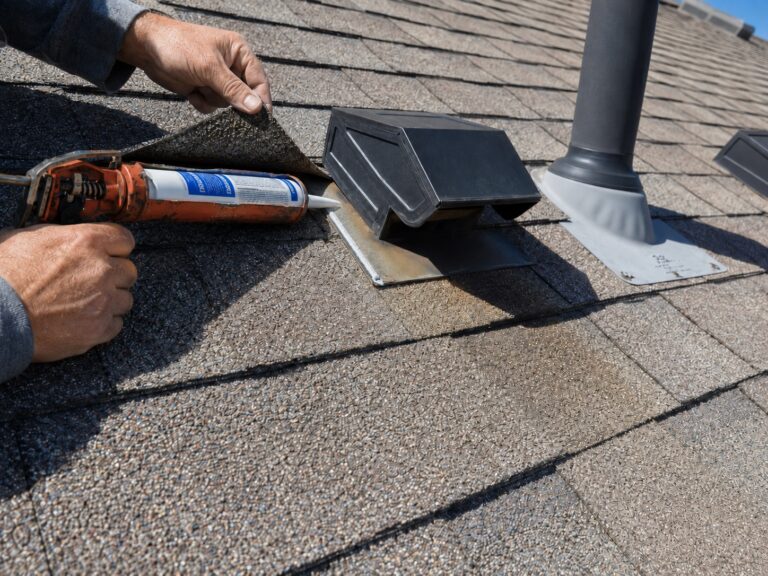
Sealant can be useful in some chimney maintenance situations, but it should not be treated as a complete leak-prevention system. Many recurring chimney leaks happen because someone sealed a visible gap without correcting the reason water was reaching that gap in the first place.
Ordinary caulk, roof cement, or surface patching may temporarily cover a crack or joint. But if the flashing is poorly installed, the crown is flat, the masonry is crumbling, the counterflashing is loose, or water is being trapped by debris, sealant alone will not solve the underlying water-control problem.
Sealant can also make future inspection harder when it is applied heavily over flashing, mortar joints, or roof edges. Thick patches may hide lifted metal, rust, cracks, or improper overlaps. A chimney that has been patched repeatedly but still leaks often needs proper diagnosis instead of another layer of sealant.
That does not mean all sealants are bad. Appropriate products can help maintain certain joints when the surrounding materials are sound and the correct repair approach is used. The problem is relying on sealant as a substitute for proper crown slope, intact flashing, sound masonry, and working roof drainage.
If water keeps appearing after repeated patching, prevention has moved into repair territory. At that point, the chimney may need flashing replacement, crown repair, masonry work, or a broader roof leak investigation. If the flashing is visibly failed or repeatedly patched, it may be time to evaluate when chimney flashing needs replacement.
Seasonal Chimney Leak Prevention Checklist
A seasonal checklist helps catch small chimney defects before they become hidden leaks. The best schedule depends on climate, roof condition, tree cover, chimney age, and storm exposure, but most homes benefit from at least one careful chimney review each year.
Use this checklist before the wet season, after harsh winter weather, and after major storms:
- Inspect the chimney crown for cracks, gaps, low spots, and crumbling edges.
- Check whether the crown sheds water away from the flue and masonry.
- Look for rusted, loose, tilted, or missing chimney caps.
- Inspect visible flashing for rust, lifting, gaps, failed sealant, missing counterflashing mortar, or repeated patching.
- Watch for missing mortar, recessed joints, spalling brick, or loose masonry.
- Remove leaves, branches, moss, and roof debris from the chimney area when safe.
- Look for white staining, dark water trails, or rust streaks on the chimney exterior.
- Check the attic near the chimney after storms.
- Photograph stains or suspicious areas so changes can be compared over time.
- Call a professional if defects are open, spreading, unsafe to access, or linked to interior moisture.
Prevention is not only about stopping the first leak. It is also about making sure moisture does not keep returning after repairs. If a chimney area has leaked before, include it in a broader plan to prevent recurring moisture damage throughout the home.
When Prevention Requires Professional Repair
Preventive maintenance can reduce chimney leak risk, but some conditions require professional repair. Once chimney components are cracked, loose, deteriorated, unsafe to access, or repeatedly leaking, prevention is no longer just a homeowner checklist. The water-entry path needs to be corrected.
Call a qualified chimney, masonry, or roofing professional if you see open crown cracks, missing crown material, loose flashing, separated counterflashing, spalling brick, missing mortar, active attic moisture, wet insulation, recurring ceiling stains, or repeated failed patches. These signs suggest that water may already be entering or that the chimney’s water-control system is no longer reliable.
Professional inspection is also important when the roof is steep, high, wet, icy, fragile, or difficult to access. Many chimney components cannot be evaluated properly from the ground, but that does not mean a homeowner should climb into an unsafe position. A professional can inspect the crown, cap, flashing, roof surface, mortar joints, and attic evidence together.
Recurring leaks deserve special attention. If the chimney area has been patched several times but stains keep returning, the problem may involve poor flashing integration, hidden crown deterioration, porous masonry, roof defects above the chimney, or water traveling from a different area. Another layer of sealant may only delay proper diagnosis.
Repair becomes more urgent when moisture has reached interior materials. Damp attic insulation, darkened roof sheathing, softened framing, mold-like growth, or ceiling stains below the chimney mean water has moved beyond the exterior surface. Correct the source before painting ceilings, replacing drywall, or sealing interior stains, or the damage may return.
FAQ About Preventing Water Leaks Around Chimneys
What is the best way to prevent chimney leaks?
The best way to prevent chimney leaks is to maintain the whole chimney water-control system. Inspect the crown, cap, flashing, mortar, brick, surrounding roof surface, and attic area. Do not rely on one sealant patch if the flashing, crown, or masonry is damaged.
How often should chimney flashing be checked?
Chimney flashing should be checked at least once a year and after major storms. It should also be inspected if you see rust stains, lifted metal, cracked sealant, missing mortar near counterflashing, debris buildup, or attic moisture near the chimney.
Can a chimney leak without water coming into the fireplace?
Yes. Chimney-related water can enter around flashing, masonry, or roof intersections and show up in attic insulation, roof sheathing, ceiling drywall, or framing without dripping into the fireplace. No firebox leak does not always mean the chimney area is dry.
Does chimney waterproofing prevent all leaks?
No. Chimney waterproofing may help sound masonry resist water absorption, but it does not fix broken flashing, cracked crowns, missing caps, failed mortar, or roof defects. Waterproofing should not be used as a substitute for needed repairs.
Is it safe to seal around chimney flashing yourself?
Minor maintenance sealing may be appropriate in some cases, but sealing around a chimney without understanding the water path can hide problems. If flashing is loose, the crown is cracked, masonry is deteriorated, or leaks keep returning, professional inspection is safer.
When should chimney leak prevention involve a professional?
Use a professional when defects are open, spreading, recurring, unsafe to access, or linked to attic moisture or ceiling stains. Professional help is also recommended when flashing has been repeatedly patched, masonry is spalling, or the crown is cracked around the flue.
Stop Chimney Leaks Before They Reach the Attic
Preventing water leaks around chimneys means acting before the leak reaches ceiling drywall. Start with safe visual inspections, keep debris away from the roof-to-chimney area, monitor the crown and flashing, check the attic after storms, and do not rely on sealant as a cure-all. If leaks return or damage is visible, professional repair is the safer next step.
Chimney leak prevention also fits into a larger home moisture strategy. The same habit of early inspection, source correction, and follow-up monitoring helps homeowners find, fix, and prevent moisture problems in homes before small exterior defects become expensive hidden damage.
Chimney Leak Prevention: Key Takeaways
- Chimneys leak because several water-control details must work together.
- The crown, cap, flashing, masonry, roof surface, and attic area should all be inspected.
- Small crown cracks, loose flashing, missing mortar, and debris buildup can become leak paths.
- Attic checks after storms can reveal chimney moisture before ceiling damage appears.
- Sealant alone is not a complete chimney leak prevention strategy.
- Recurring leaks, wet insulation, spalling brick, open cracks, and failed flashing should be inspected professionally.

One Comment
Comments are closed.