
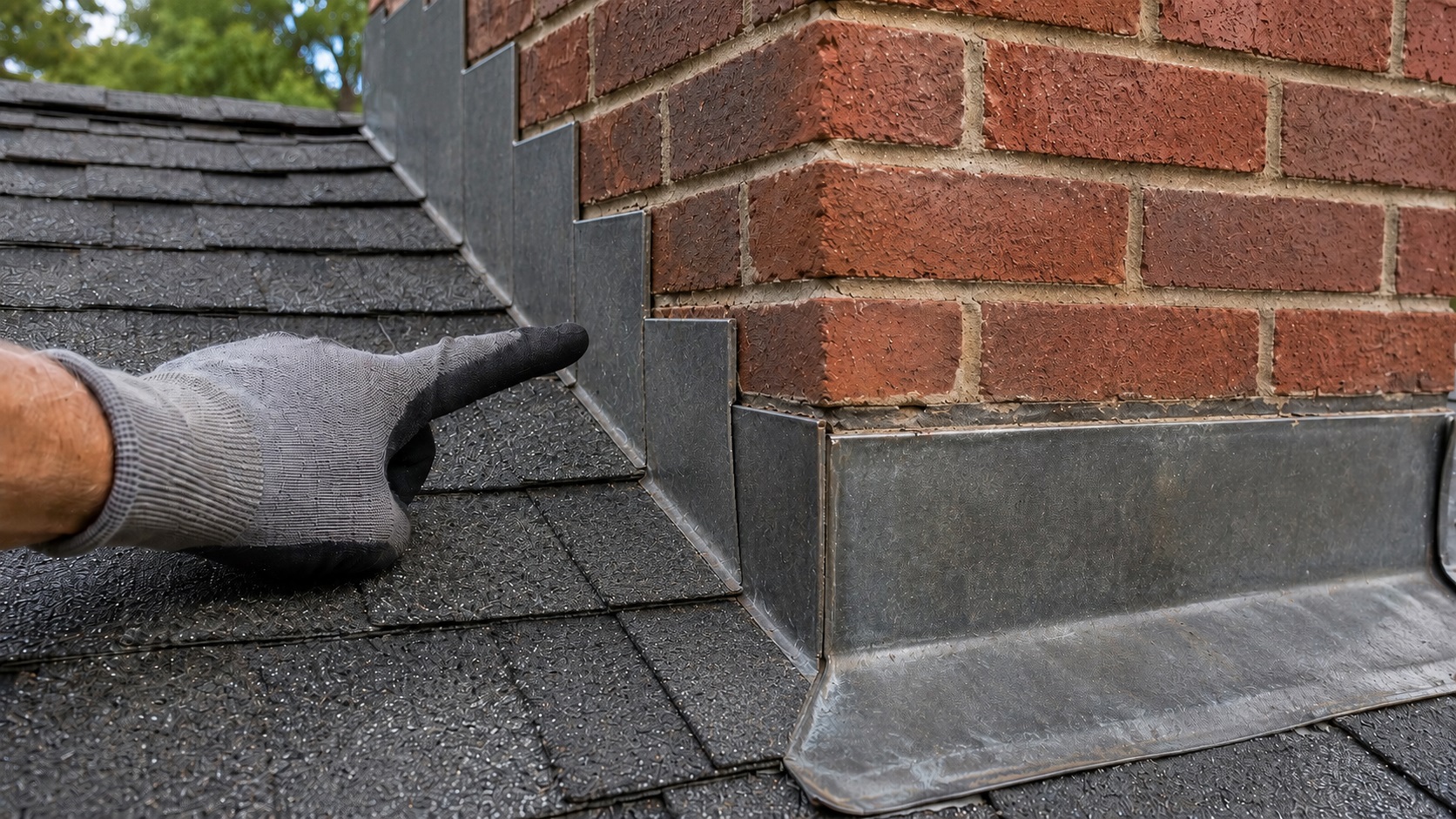
Why Roof Flashing Failures Cause Leaks
Roof flashing failures are one of the most common causes of roof leaks, even on roofs that still have years of life left in their shingles. Many homeowners assume roof leaks always come from worn shingles, but in reality, most leaks begin at the points where different roof surfaces meet — not across wide open shingle areas.
Flashing exists to protect those vulnerable transition points. When flashing fails, even slightly, water can bypass the roofing system and enter the home. Over time, this leads to interior water stains, attic moisture, structural wood damage, and mold growth if the problem continues unnoticed.
If you already see interior leak symptoms, Signs of Roof Leaks Inside the House can help you compare indoor stains, attic moisture, and ceiling damage with possible roof-entry points. If the flashing itself looks rusted, loose, separated, or patched with failing sealant, also review visible signs of roof flashing failure.
This guide explains the mechanics behind flashing leaks: how water bypasses transitions, why small gaps become leak paths, where flashing usually fails, and why sealant-only fixes often do not solve the underlying problem.
What Roof Flashing Does and Why It Matters
Roof flashing is designed to protect the weakest parts of the roof system — the areas where materials change direction or where objects penetrate the roof surface. These areas include roof-to-wall intersections, chimneys, skylights, plumbing vents, and roof valleys.
Unlike shingles, which mainly shed water across flat roof surfaces, flashing redirects water away from seams and openings. It works as part of a layered drainage system that forces water to flow downward and outward rather than into structural gaps.
The important distinction is that flashing should not depend on caulk alone. A sound flashing assembly uses overlap, slope, counterflashing, underlayment, and proper sequencing so water keeps moving even after surface sealants age.
Without properly installed flashing, water would quickly enter the roof structure anytime rainwater encounters edges, joints, or penetrations.
Why Roof Transition Areas Are Naturally Vulnerable
Flat roof surfaces covered with shingles are relatively simple to waterproof. However, problems begin where the roof meets vertical structures or changes direction.
These transitions create natural openings that must be sealed and layered carefully. Even small installation mistakes can allow water to move behind roofing materials and into the structure.
Common vulnerable transition areas include:
- Roof-to-wall intersections
- Chimney perimeters
- Roof valleys
- Skylight openings
- Plumbing vent penetrations
- Dormer connections
- Roof edges near gutters
Interior stains often appear long after the first flashing gap forms. A careful inspection approach — like those described in How to Inspect Roof Areas for Leak Damage — can help identify these weak zones before severe damage occurs.
Why Flashing Areas Fail Before Shingles
Flashing systems typically fail before shingles because they are exposed to movement, stress, and concentrated water flow. While shingles mostly lie flat and move together, flashing must adapt to changes in structure, temperature, and roof geometry.
Movement Between Building Materials
Homes constantly expand and contract due to temperature changes. Roofing materials, wood framing, masonry, and metal flashing all expand at different rates.
This movement causes stress at joints where flashing connects to surrounding materials. Over time, these stresses loosen fasteners, crack sealants, or pull flashing sections slightly out of alignment.
Even tiny gaps created by this movement can allow wind-driven rain to enter beneath the flashing system.
Concentrated Water Flow in Flashing Zones
Water does not spread evenly across the roof. Certain areas handle much larger volumes of runoff, especially during heavy rain.
Flashing zones often carry more water than surrounding roof areas because they collect runoff from multiple roof sections. This concentrated flow increases wear on flashing materials and exposes weaknesses more quickly.
Common high-flow areas include:
- Roof valleys where two slopes meet
- Chimney bases where runoff collects
- Skylight edges where water slows and pools
- Lower roof-to-wall transitions
When flashing weakens in these high-flow areas, water intrusion often begins gradually before becoming visible indoors.
Exposure to Debris and Environmental Stress
Leaves, branches, and roofing debris frequently collect around flashing zones. These materials trap moisture and slow drainage, increasing the time water remains in contact with flashing materials.
Standing moisture accelerates corrosion, sealant breakdown, and joint failure. In cold climates, trapped water may freeze and expand, pushing flashing out of position.
Over time, these stresses create small openings that allow water to travel beneath roofing materials and into attic spaces.
If interior damage has already begun, Signs of Water Damage from Roof Leaks can help connect roof-entry problems with visible indoor damage.
Most Common Locations Where Roof Flashing Failures Occur
Roof flashing failures usually happen at predictable locations where water flow is concentrated or where roofing materials connect to walls, chimneys, valleys, skylights, or penetrations.
Many recurring roof leaks originate from the same vulnerable points repeatedly. If a leak has returned after previous repairs, the issue may involve incomplete flashing installation or hidden deterioration. This pattern of repeated failure is discussed further in Signs of Recurring Roof Leaks.
The most common flashing failure locations include:
- Chimney flashing systems
- Step flashing along roof-to-wall intersections
- Plumbing vent pipe boots
- Roof valley flashing
- Skylight flashing assemblies
- Kick-out flashing near roof edges
Each location handles water differently, so the failure pattern often points to the likely leak source.
Chimney Flashing Failures
Chimneys are one of the most common sources of flashing leaks because they interrupt the smooth surface of the roof. Water flowing down the roof must move around the chimney structure, which increases pressure and exposure at that location.
A proper chimney flashing system typically includes multiple layers:
- Base flashing installed along the bottom of the chimney
- Step flashing layered with shingles along the sides
- Counterflashing embedded into chimney mortar
If any one of these components fails, water can enter beneath the roofing system.
Chimney flashing is only one part of the larger flashing system. If the leak appears tied to the chimney itself, the chimney-specific leak articles can help narrow whether the problem is flashing, mortar, crown damage, or masonry moisture.
Common Chimney Flashing Failure Patterns
- Loose or missing counterflashing
- Cracked mortar joints around the chimney
- Improper layering of step flashing
- Sealant used instead of mechanical flashing
- Rust or corrosion of metal flashing
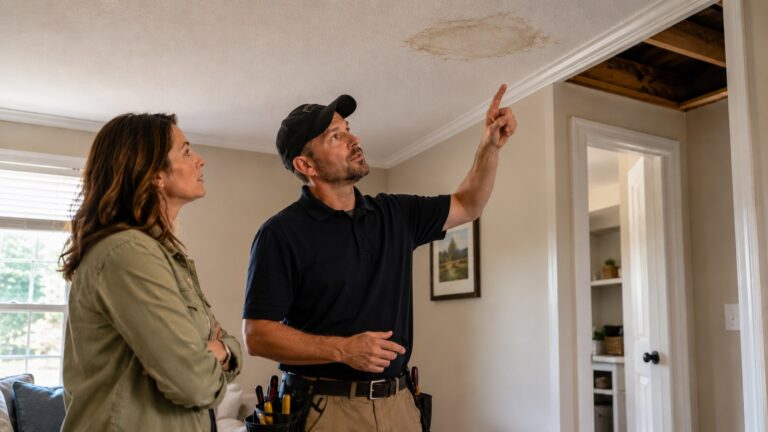
Chimney flashing failures often produce leaks that appear several feet away from the actual entry point. Water entering near the chimney may travel along rafters or sheathing before appearing as ceiling stains.
Step Flashing Failures Along Walls
Step flashing protects areas where a sloped roof meets a vertical wall. This is one of the most critical flashing systems on any roof because water running down the wall naturally collects along this intersection.
Step flashing works by overlapping individual metal pieces with each shingle layer. This layered design forces water to flow downward along the roof rather than behind the wall surface.
Common Causes of Step Flashing Failure
- Missing step flashing pieces
- Improper overlap between flashing sections
- Flashing installed incorrectly behind siding
- Loose or damaged siding exposing flashing edges
- Water bypassing flashing due to missing kick-out flashing
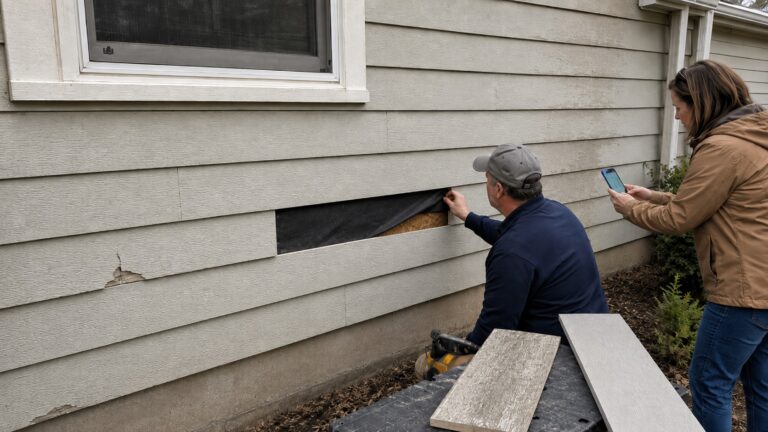
Step flashing failures often cause leaks inside exterior walls rather than directly into attic spaces. This can delay detection because water damage may develop behind drywall before becoming visible.
Pipe Boot Flashing Failures
Plumbing vent pipes penetrate the roof surface, creating another common leak location. These penetrations are protected using pipe boots — flexible flashing components designed to seal tightly around the pipe.
Over time, pipe boots deteriorate due to weather exposure. Rubber materials crack from UV radiation, while plastic materials can become brittle and break.
Common Causes of Pipe Boot Failure
- Cracked rubber pipe boots
- Split plastic flashing collars
- Loose sealing around pipe edges
- Improper installation height
- Fasteners exposed to weather
Pipe boot failures often produce small leaks at first, especially during wind-driven rain or heavy storms. For the symptom side of this problem, see signs roof penetrations are leaking.
Roof Valley Flashing Failures
Roof valleys are among the most demanding areas of the roofing system. These channels carry large volumes of water from multiple roof slopes into a single drainage path.
Valley flashing must handle heavy runoff during storms, making it especially vulnerable to wear and installation mistakes.
Common Causes of Valley Flashing Failure
- Improper valley flashing installation
- Debris buildup blocking water flow
- Damaged valley liner materials
- Inadequate waterproof membrane beneath flashing
- Shingle edges lifting along valley lines
Valley flashing failures often show up during heavy rainfall because valleys carry a high volume of runoff. For warning signs specific to this area, see signs roof valleys are failing.
Kick-Out Flashing Failures Near Roof Edges
Kick-out flashing is a small but critical component installed where roof runoff meets vertical walls near gutters. Its purpose is to direct water away from siding and into the gutter system.
When kick-out flashing is missing or poorly installed, water flows directly down the wall surface instead of into the gutter. This allows moisture to enter behind siding and into wall cavities.
Common Causes of Kick-Out Flashing Failure
- Kick-out flashing not installed during roof construction
- Improper placement directing water toward walls
- Damaged siding allowing water infiltration
- Gutter misalignment interfering with water flow
Kick-out flashing failures often lead to hidden wall damage before interior symptoms appear. These types of leaks may go undetected until moisture problems spread into structural framing or insulation.
If leaks continue after previous repairs, the original flashing defect may not have been corrected. This recurring pattern is covered more directly in Why Roof Leaks Return After Repairs.
Main Material-Related Causes of Flashing Failure
While flashing failures often occur at predictable locations, the underlying causes usually involve material breakdown over time. Flashing is exposed to constant weather stress, temperature changes, and mechanical movement. Even properly installed flashing can eventually fail if materials deteriorate or lose their ability to shed water.
Many flashing problems begin silently and worsen gradually until interior damage becomes visible.
Rust and Corrosion of Metal Flashing
Most roof flashing is made from metal, including galvanized steel, aluminum, or copper. Over time, exposure to moisture and environmental pollutants can cause metal flashing to corrode.
Rust weakens flashing by thinning the metal and creating small holes or cracks. Even tiny perforations allow water to pass through, especially during heavy rain or snow melt.
Common Sources of Flashing Corrosion
- Standing water trapped around flashing edges
- Debris buildup holding moisture against metal surfaces
- Improper material selection for the local climate
- Galvanized coatings wearing away over time
- Contact between incompatible metals causing galvanic corrosion
Corrosion damage typically worsens slowly, making it difficult to notice until visible leaks appear. In many cases, corrosion-related failures lead to hidden attic moisture that becomes visible only after staining or structural damage develops.
Sealant Breakdown Over Time
Sealants are often used alongside flashing to close small gaps and reinforce connections. However, sealants are not designed to last indefinitely. Over time, exposure to sunlight, temperature changes, and moisture causes sealants to shrink, crack, or separate from surfaces.
Once sealant fails, water can bypass flashing joints and enter the roof structure.
Why Sealant-Only Repairs Often Fail
- Sealants degrade faster than metal flashing materials
- Movement between materials breaks the seal bond
- Sun exposure causes sealants to harden and crack
- Water pressure during storms forces water through weakened joints
Temporary repairs that rely heavily on sealant may stop leaks briefly, but they rarely provide long-term protection. When leaks return repeatedly, the underlying flashing system usually requires proper repair or replacement rather than additional sealant.
Thermal Expansion and Contraction Damage
Roofing materials expand and contract constantly due to temperature changes. Metal flashing expands when heated by sunlight and contracts when temperatures drop. Over time, this repeated movement places stress on joints, fasteners, and surrounding materials.
This stress gradually loosens connections and creates gaps where water can enter.
Common Effects of Thermal Movement
- Loose fasteners allowing flashing to shift
- Separation between flashing sections
- Cracked sealant joints
- Warped flashing edges
Thermal expansion damage is especially common in climates with large temperature swings between day and night or between seasons.
Fastener Failure and Loosening
Flashing components are typically secured using nails or screws. Over time, fasteners may loosen due to vibration, structural movement, or repeated expansion and contraction cycles.
When fasteners loosen, flashing sections may lift slightly away from the roof surface. Even small gaps allow water to move beneath flashing layers.
Common Causes of Fastener Failure
- Incorrect fastener placement
- Use of improper fastener types
- Fasteners exposed directly to weather
- Rust weakening fastener strength
- Structural movement loosening connections
Once fasteners fail, flashing can shift out of alignment, creating pathways for water entry. If these conditions persist, leaks may spread beyond the original flashing location.
Improper Flashing Installation Errors
One of the most significant causes of flashing leaks is improper installation. Even new roofs can leak if flashing was not installed according to proper layering techniques.
Flashing must be installed in a specific sequence to direct water downward across overlapping materials. When installation steps are skipped or performed incorrectly, water can bypass protective layers.
Common Installation Errors That Lead to Leaks
- Flashing installed in the wrong order
- Insufficient overlap between flashing sections
- Failure to integrate flashing into wall systems
- Missing protective underlayment beneath flashing
- Improper placement around penetrations
Improper installation problems often remain hidden for years before leaks appear. When water damage develops long after installation, homeowners may assume aging materials caused the leak when the real cause was poor installation from the start.
If leak problems continue despite previous repairs, it may indicate that installation-related issues were never fully corrected. In those situations, understanding when escalation is necessary becomes important, as explained in How to Fix Persistent Roof Leak Problems.
How Flashing Leaks Spread Into Structural Areas
One of the most dangerous aspects of flashing failures is that water rarely stays where it first enters. Instead, it travels along structural materials until it finds a place to collect or drip. This is why roof flashing leaks often appear far from the original failure point.
Water entering through damaged flashing may move along:
- Roof sheathing surfaces
- Wood rafters and framing members
- Attic insulation
- Interior ceiling materials
- Wall cavities below roof intersections
Because flashing leaks often travel before they become visible, interior stains do not always appear directly below the entry point. If staining has already appeared, Signs of Water Damage from Roof Leaks can help identify whether moisture movement is already affecting structural materials.
Why Flashing Leaks Often Appear Far From Entry Points
Once water enters beneath flashing, gravity pulls it downward, but surface tension allows it to cling to materials along the way. Wood framing and roof decking provide natural pathways that guide water across structural surfaces.
This behavior explains why homeowners may misidentify leak locations. Attempting repairs at visible damage points without identifying the true source often leads to repeated failures.
Common moisture travel patterns include:
- Water moving along rafters before dripping onto ceilings
- Water soaking insulation before appearing as stains
- Water entering walls through roof-to-wall intersections
- Water spreading across attic surfaces before becoming visible indoors
Hidden moisture movement is one reason early inspection is critical. If water infiltration continues undetected, conditions may eventually support mold growth, especially in enclosed spaces with limited airflow.
The long-term risks of moisture persistence are explained further in Why Roof Leaks Cause Mold Growth, which discusses how recurring moisture creates conditions that allow mold to develop.
When Flashing Failure Becomes a Structural Risk
Not every flashing failure immediately creates major structural damage, but repeated water exposure eventually weakens building materials. The longer moisture remains inside the structure, the greater the risk of deterioration.
Structural damage may occur when flashing leaks persist over months or years without proper repair.
Early Structural Warning Signs
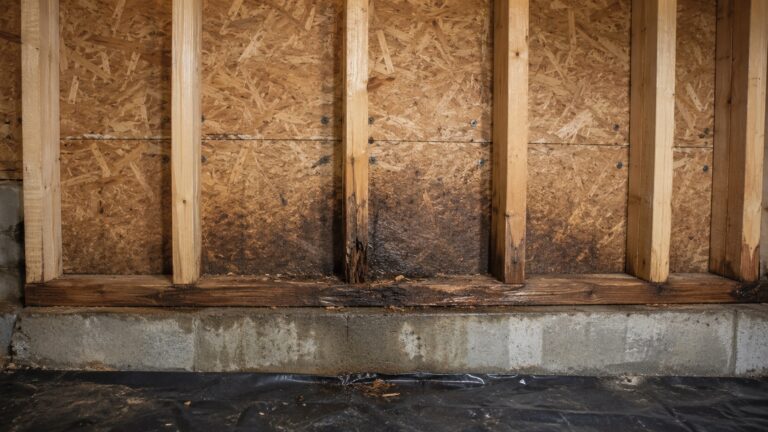
- Dark staining on roof framing
- Persistent damp insulation
- Soft or weakened wood surfaces
- Peeling paint or drywall bubbling
- Musty odors in attic spaces
These signs indicate that water has been entering the structure repeatedly rather than from a single isolated leak event.
Long-Term Structural Damage Risks
If flashing failures continue without correction, several types of structural damage may develop:
- Wood rot in rafters or roof decking
- Fastener corrosion weakening roof connections
- Insulation deterioration reducing thermal performance
- Mold growth affecting indoor air quality
- Ceiling and wall damage requiring replacement
Once structural damage begins, repair costs often increase significantly. Early detection and correction remain the most effective ways to prevent long-term structural problems.
When Homeowners Should Call a Professional
Some minor flashing problems may appear manageable at first, but many flashing failures involve hidden damage that requires professional evaluation. Understanding when to call a roofing professional can prevent costly long-term repairs.
Avoid walking on a wet, steep, icy, damaged, or high roof to inspect flashing. Many flashing problems can be checked first from the ground, from a ladder placed safely, or from inside the attic; roof-surface inspection is safer when handled by a qualified roofer.
Situations That Require Professional Inspection
- Leaks that return after previous repairs
- Water stains near chimneys or roof walls
- Multiple leak locations appearing over time
- Visible flashing rust or separation
- Water entering during heavy rain events
If repeated leak symptoms occur, relying on temporary sealant repairs rarely solves the underlying issue. Professional roof inspection may be necessary to identify the true source and prevent recurring damage.
Homeowners facing ongoing leak problems should review the escalation steps in How to Fix Persistent Roof Leak Problems to understand when temporary patching is no longer enough.
Frequently Asked Questions About Roof Flashing Failures
Can Roof Flashing Leak Even If Shingles Look Fine?
Flashing failures are one of the most common causes of leaks on roofs where the shingles still look fine. Because flashing protects transitions rather than flat surfaces, leaks often develop before shingles show visible wear.
Is Caulk Enough to Fix Flashing Leaks?
Caulk may temporarily reduce water entry, but it rarely provides a long-term solution. Flashing systems rely on layered materials rather than sealants alone. Permanent repair usually requires correcting the flashing assembly itself.
Why Does Flashing Leak Only During Heavy Rain?
Heavy rain produces higher water volume and pressure, which forces water into small openings that may remain sealed during light rainfall. Wind-driven rain can also push water upward beneath flashing edges.
Are Chimney Flashing Leaks Common?
Yes. Chimneys are one of the most common leak locations because they interrupt roof surfaces and require complex flashing systems. Improper installation or aging materials frequently cause chimney-related leaks.
How Long Can a Flashing Leak Go Undetected?
Flashing leaks may remain hidden for months or even years before becoming visible. Water often travels through attic materials before appearing indoors, delaying detection.
What Roof Flashing Failure Means for Leak Risk
Roof flashing failures cause leaks because they affect the most vulnerable parts of the roofing system — the transition points where water pressure is highest and protection depends on proper layering.
While shingles shed water across wide roof surfaces, flashing protects joints, penetrations, and structural connections. When flashing deteriorates, shifts, corrodes, or is installed incorrectly, water can bypass protective layers and enter the home.
Understanding these failure mechanisms allows homeowners to recognize potential risks earlier and avoid repeated leak problems. Preventive maintenance and proper inspection remain the most effective ways to protect roofing systems from long-term moisture damage.
For broader context on roof failure patterns, see Most Common Roofing Material Failures.
3 Comments
Comments are closed.