
How to Prevent Mold in Garages (Moisture Control for Tools, Storage, and Walls)
How Garage Mold Prevention Starts With Moisture Control
To prevent mold in a garage, control the moisture that collects on floors, walls, tools, and stored items. The most important steps are drying wet vehicles and equipment when possible, keeping storage off the concrete floor, improving airflow, monitoring humidity, and investigating any wall or floor area that stays damp or musty.
Garages are more exposed to outdoor air, rainwater, vehicles, seasonal humidity, and temperature swings than most interior rooms. That makes them useful storage spaces, but it also means mold can develop on cardboard, fabrics, wood, drywall, tools, and lower wall sections when moisture lingers.
If mold is already present, cleanup and prevention are separate steps. For cleanup guidance, see How to Remove Mold Permanently. For long-term prevention across the home, see How to Prevent Recurring Moisture Damage.
Why Garages Are Prone to Mold
Garages become mold-prone when moisture enters faster than the space can dry. The main sources are wet vehicles, humid outdoor air, damp concrete, and seasonal temperature swings. For the fuller cause breakdown, see why garages often develop mold problems.
Moisture From Vehicles
Vehicles are one of the largest sources of moisture inside garages. Rainwater, snow, road slush, and humidity carried in by vehicles can collect on floors and nearby surfaces after parking.
Vehicle-related moisture increases mold risk when:
- Water drips from tires and undercarriages
- Snow or slush melts on the garage floor
- Wet vehicles remain parked in enclosed spaces
- Moisture collects near walls or stored materials
The practical prevention goal is to keep vehicle moisture from spreading into storage zones, wall edges, and enclosed corners.
Outdoor Air Humidity
Garages are more exposed to outdoor air than most rooms. Opening and closing garage doors introduces outside humidity, especially during warm or rainy weather. When humid air enters the garage and settles on cooler surfaces, condensation can develop.
Outdoor humidity becomes a greater concern when:
- The climate includes frequent rainfall or high humidity
- Garage doors are opened repeatedly throughout the day
- The garage stays closed for long periods after humid air enters
- The space lacks ventilation or airflow support
During humid or rainy periods, the garage may need more airflow, shorter door-open time, or dehumidification support to dry properly.
Concrete Floor Dampness
Most garages have concrete floors, which can stay cool and retain moisture longer than other surfaces. Concrete can also absorb small amounts of moisture from the surrounding environment, creating damp conditions near stored items placed directly on the floor.
Concrete-related moisture risk increases when:
- Boxes or tools sit directly on the floor
- The garage experiences temperature swings
- Water pools or spreads after rain or snow melt
- Stored materials remain in contact with damp surfaces
Keeping materials off the floor is one of the simplest ways to reduce exposure to this type of moisture.
Seasonal Temperature Swings
Garages are more affected by outdoor temperature changes than interior rooms. Rapid warming and cooling cycles can create condensation on walls, ceilings, and tools, especially during seasonal transitions.
Temperature swings increase mold risk when:
- Warm air enters a cold garage
- Cool surfaces collect condensation
- Humidity rises during seasonal weather changes
- Stored items remain in place through repeated temperature shifts
Watch these seasonal transitions closely because condensation can form even when there is no active leak.
Garage Habits That Help Prevent Mold
Preventing mold in a garage usually starts with the habits that control how much moisture enters the space and how quickly it is allowed to dry. Because garages deal with vehicles, tools, storage items, and outdoor exposure, even small changes in routine can make a big difference over time.
Start with the lowest areas first: the concrete floor, the bottom of stored boxes, the wall-floor joint, and the corners behind shelving. These are usually the first garage areas to stay damp long enough for mold to appear.
Dry Vehicles Before Parking When Possible
One of the biggest moisture sources in a garage is a wet vehicle. Rainwater, snow, and road slush all get carried inside and then melt or drip onto the floor. While you cannot keep every vehicle perfectly dry, reducing that moisture load whenever possible helps lower the overall dampness in the garage.
Helpful habits include:
- Letting excess water drip off outside when practical
- Removing heavy snow buildup before parking
- Watching for puddles forming beneath parked vehicles
- Avoiding long-term moisture accumulation near walls or stored items
The goal is not perfection. It is to reduce how much water the garage has to absorb and dry repeatedly.
Manage Wet Tools and Equipment
Garages often hold tools, yard equipment, sports gear, and other items that come back inside damp. If these items are stored wet, they can raise humidity in the space and create mold-prone pockets around shelves, corners, and storage bins.
Wet-item management matters most for:
- Garden tools
- Sports equipment
- Tarps and outdoor covers
- Work boots and protective gear
- Seasonal equipment brought in after rain or snow
For metal tools, the warning sign may not be visible mold; recurring surface rust, damp toolboxes, or musty drawers can also show that the garage is staying too humid.
Drying these items before storing them helps prevent moisture from lingering quietly in enclosed parts of the garage.
Keep Storage Elevated
Items stored directly on the garage floor are more exposed to dampness from concrete, minor water intrusion, and condensation-prone conditions near the slab. Elevating storage helps create separation between belongings and the dampest part of the garage.
This helps by:
- Reducing contact with cool concrete
- Protecting boxes and materials from minor floor moisture
- Improving airflow under stored items
- Lowering the chance of mold spreading from floor-level dampness
This is especially important for cardboard boxes, paper goods, fabrics, wood items, and anything stored in closed bins that can trap damp air.
If your garage is used heavily for storage, see How to Prevent Mold in Storage Areas for broader storage-specific strategies.
Improve Airflow
Airflow helps a garage dry faster after vehicles, weather, or damp equipment introduce moisture. When air remains stagnant, damp corners and wall sections stay wet longer, which increases mold risk.
Better airflow can help:
- Reduce trapped humidity
- Help walls and floors dry more evenly
- Lower stale, musty air buildup
- Make the environment less favorable for mold growth
Even modest airflow improvements can help the garage recover faster after wet weather or heavy moisture exposure, especially behind shelving and along exterior-facing walls.
Garage Conditions That Make Mold More Likely
Some garage environments are naturally more vulnerable to mold than others. Recognizing these conditions helps homeowners see whether the issue is only occasional dampness or whether the garage is consistently creating a mold-friendly environment.
High Humidity
High humidity is one of the most common reasons garages develop mold. Even when there is no obvious leak, humid air can keep walls, tools, stored items, and garage contents damp enough for mildew or mold to begin.
Humidity-related risk is higher when:
- The garage feels damp or stale regularly
- Warm humid outdoor air enters often
- The garage stays closed after moisture comes in
- Stored materials absorb moisture from the air
If garage humidity seems to be part of the problem, tracking conditions can help confirm the pattern. For that, see Best Hygrometers for Home Humidity.
Poor Ventilation
Poor ventilation allows humid air to stay trapped in the garage longer than it should. This slows drying after wet vehicles, rain events, and seasonal moisture swings.
Ventilation-related mold risk is higher when:
- The garage stays shut for long periods
- Air movement is weak or inconsistent
- Storage blocks corners and walls from drying
- The garage has recurring musty odor after weather changes
Without enough ventilation, even a garage that looks mostly dry can remain humid enough to support mold on vulnerable materials.
Condensation on Walls
Garage walls often experience condensation because they are exposed to outdoor temperatures more directly than interior rooms. When warm humid air meets a cooler garage wall, moisture can collect on the surface or remain trapped just long enough to support mold growth.
Wall condensation is more likely when:
- The garage has exterior-facing walls with temperature swings
- Humidity rises quickly after storms or seasonal changes
- Stored items sit tightly against wall surfaces
- The garage has cool shaded areas with poor drying
This kind of repeated dampness often leads to mold first appearing in corners, behind storage, or along lower wall sections.
Hidden Wall Moisture
Not every garage mold problem is caused by general humidity alone. In some cases, moisture may be entering from within the wall system, nearby plumbing, roof transitions, or exterior water intrusion. This is more likely when mold or odor keeps returning in one exact part of the garage.
Hidden moisture becomes more likely when:
- One wall smells mustier than the rest of the garage
- Mold keeps appearing in the same location
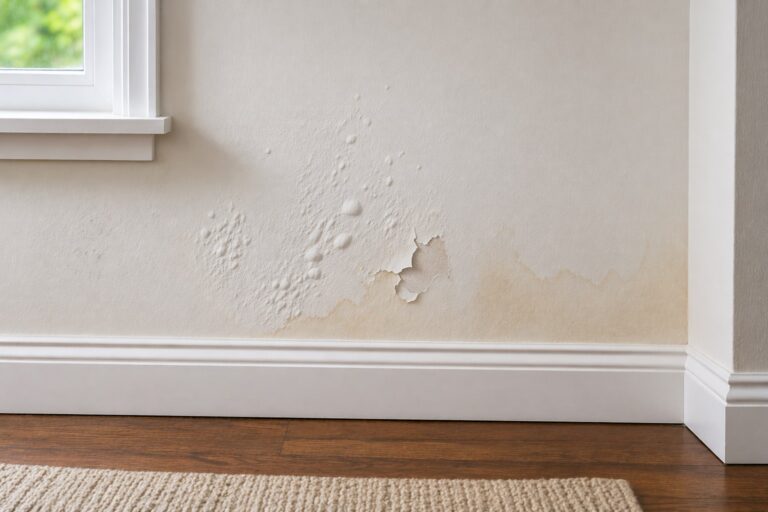
- Paint or wall finishes show subtle bubbling or staining
- The issue worsens after rain rather than after vehicle use
When that happens, the prevention strategy has to include finding the hidden moisture source rather than only improving airflow.
Do not paint, seal, or cover a garage wall that still smells musty, feels damp, or shows repeated staining. Covering damp material can trap moisture and allow mold to return behind the surface.
Tools That Help Control Garage Moisture
Garage mold prevention becomes much easier when moisture conditions can be measured instead of guessed. Because garages deal with changing weather, vehicle moisture, and temperature swings, simple tools can help show whether the space is drying properly or staying damp long enough to support mold growth.
Hygrometers
A hygrometer helps track humidity levels in the garage so you can see whether the air is staying too damp for too long. This is especially useful in climates with frequent rain, humid summers, or large seasonal swings.
A hygrometer can help you identify:
- Humidity spikes after storms or wet weather
- Garages that stay damp longer than expected
- Whether airflow or dehumidification changes are helping
- Seasonal patterns that increase mold risk
Humidity tracking helps turn a vague “the garage feels damp” problem into something more measurable. For more guidance on choosing one, see Best Hygrometers for Home Humidity.
Dehumidifiers
When a garage stays damp because of overall humidity rather than one obvious leak, a dehumidifier can help lower the moisture level in the air. This can be especially helpful in enclosed garages, humid climates, and garages that double as storage areas.
A dehumidifier can help by:
- Reducing lingering moisture in the garage air
- Helping walls, tools, and stored items dry faster
- Lowering the chance of condensation on cooler surfaces
- Reducing musty odor during humid periods
If a dehumidifier is part of the garage moisture-control strategy, settings matter. For related guidance, see Best Dehumidifier Settings to Prevent Mold.
Moisture Meters
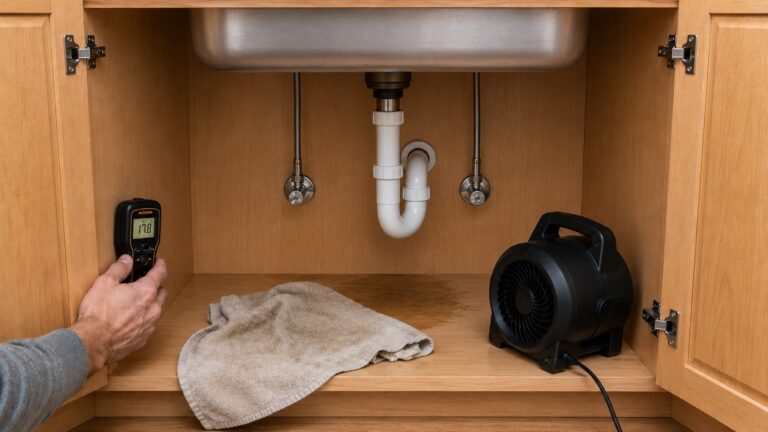
When mold or musty odor keeps appearing in one area of the garage, a moisture meter can help determine whether the problem is only air humidity or whether a wall, floor edge, or lower surface is holding hidden moisture. This is especially useful when the garage seems dry in general but one section keeps causing trouble.
A moisture meter may help you check:
- Lower garage wall sections
- Baseboards, trim, or framing edges
- Areas near garage doors
- Spots where stored items repeatedly become musty
If those materials show elevated moisture, the issue may involve hidden dampness in the garage structure rather than only poor airflow. For related tool guidance, see Best Moisture Meters for Hidden Water Damage.
Seasonal Garage Mold Prevention Strategies
Garage mold risk changes with the seasons. Rainy periods, winter condensation, and humid summers each create different moisture patterns, so prevention should adjust with the weather.
Wet-Weather Preparation
Rainy periods bring more moisture into the garage through vehicles, wet equipment, and repeated door opening. Preparing for wet weather helps reduce how much moisture gets introduced and how long it remains inside.
Helpful wet-weather habits include:
- Watching for repeated puddling near parked vehicles
- Keeping stored items farther from damp-prone floor areas
- Checking corners and lower walls for musty odor
- Improving drying after heavy rain periods
After several wet days, check the floor edges, corners, and stored items before musty odor becomes obvious.
Winter Condensation Management
Winter can create garage mold risk when temperature differences become more extreme. A cold garage exposed to warmer moist air can develop condensation on walls, tools, doors, and other surfaces. Snow and slush carried in by vehicles also add moisture during colder months.
Winter garage mold risk is more likely when:
- Vehicles regularly bring in snow or slush
- Cold wall surfaces collect condensation
- The garage stays closed while dampness builds
- Stored materials sit near cool concrete or exterior walls
Paying attention to winter condensation helps reduce the chance that seasonal moisture turns into a mold problem by spring.
Summer Humidity Control
Summer often creates the highest humidity levels of the year, especially in garages that are opened and closed frequently. Warm humid air can enter the garage repeatedly and settle on cooler surfaces or stored materials.
Summer control becomes especially important when:
- The garage smells musty during humid weather
- Stored cardboard or fabrics feel slightly damp
- Walls stay cooler than the surrounding air
- Mold spots or odor tend to return in the same season each year
Summer humidity can be harder to notice than obvious wetness from rain or snow, but it is still one of the most common reasons garages develop mold-prone conditions.
When Garage Mold Means the Moisture Source Is Bigger
Some garage mold problems improve with better habits, airflow, and humidity control. Others keep returning because the moisture source is larger than normal garage use. If mold, musty odor, or dampness keeps showing up despite preventive changes, check for water entry, hidden wall moisture, drainage issues, or repeated condensation in the same area.
Repeated Mold Growth
If mold keeps returning to the same wall, corner, storage area, or shelf zone, that usually means the garage is still staying damp enough to support it. Repeated growth is one of the clearest signs that the underlying moisture problem has not been fully corrected.
Recurring mold is more concerning when:
- The same area develops spotting again and again
- Musty odor returns shortly after the garage dries out
- Stored items near one section keep becoming affected
- Seasonal moisture control only helps temporarily
When mold repeatedly comes back, the focus should shift from cleaning or rearranging to identifying what moisture source is still active.
Persistent Wall Dampness
Garage walls that stay cool, damp, or slow to dry are a much bigger concern than general humidity alone. Persistent wall dampness often suggests that moisture is entering from outside, condensing repeatedly on the same surface, or moving through the wall system itself.
This becomes more likely when:
- One wall always feels different from the others
- Paint shows bubbling, dullness, or subtle staining
- The lower wall smells musty even when the rest of the garage seems fine
- Dampness gets worse after rain or weather changes
When the wall itself remains damp, prevention needs to go beyond garage airflow and address the moisture behavior of the structure.
Structural Moisture Problems
Sometimes garage mold is only the visible symptom of a larger structural moisture problem. Water intrusion near garage doors, hidden leaks, moisture entering through adjacent walls, or dampness moving through lower wall sections can all create conditions that keep the garage mold-prone even when everyday habits improve.
Structural moisture may be more likely when:
- One area of the garage smells consistently mustier than the rest
- Mold or odor worsens after rain instead of after vehicle use
- Stored items near one wall or floor edge keep becoming affected
- Visible surface changes suggest repeated dampness in the same location
When a concealed moisture source is suspected, investigate the garage structure rather than only changing storage practices. Start with How to Detect Moisture on Garage Walls; if the pattern points to a wall cavity or plumbing path, How to Find Hidden Water Leaks Inside Walls can help guide the next step.
Frequently Asked Questions
What garage areas usually grow mold first?
Mold often appears first in lower wall corners, behind shelving, on cardboard boxes, near damp floor edges, around stored fabrics, and in areas where wet vehicles or outdoor humidity keep surfaces damp.
How do you keep mold out of a garage?
Keeping mold out of a garage usually means reducing moisture, improving airflow, drying wet vehicles and equipment when possible, keeping storage elevated, and monitoring humidity or damp wall areas before mold has a chance to spread.
Can cars cause garage mold?
Yes. Vehicles can bring rainwater, snow, slush, and humidity into the garage. If that moisture is allowed to linger on the floor or near stored materials, it can contribute to mold-friendly conditions over time.
Should I use a fan or a dehumidifier to prevent garage mold?
A fan helps move damp air and dry surfaces faster, while a dehumidifier lowers humidity when the garage stays damp overall. If outdoor air is very humid, opening the garage or running a fan alone may not be enough.
Why do garage walls get moldy?
Garage walls often get moldy because of condensation, humidity, repeated dampness from nearby moisture sources, or hidden water intrusion. Exterior-facing walls and low-airflow corners are especially vulnerable.
The Best Long-Term Way to Keep Garage Mold From Returning
The best long-term way to prevent mold in a garage is to keep moisture from lingering. Dry wet vehicles and equipment when possible, keep storage elevated, improve airflow, monitor humidity, and pay close attention to lower walls, corners, and floor edges.
If mold or musty odor keeps returning in the same area, treat it as a moisture-source problem rather than a cleaning problem. Long-term prevention depends on finding what is keeping that part of the garage damp.
One Comment
Comments are closed.