How to Prevent Mold Behind Bathroom Walls
To prevent mold behind bathroom walls, keep wall cavities dry by controlling shower humidity, improving ventilation, sealing water entry points, maintaining grout and caulk, and using moisture-resistant materials in wet areas. Hidden mold usually develops after moisture repeatedly reaches drywall, framing, insulation, or tile backer surfaces and fails to dry between uses.
Bathrooms produce moisture through showers, baths, splashing, wet towels, and repeated humidity spikes. The goal is not only to clean visible surfaces but to prevent moisture from reaching hidden wall spaces in the first place.
For broader prevention planning beyond bathroom walls, see how to prevent recurring moisture damage, which explains how to stop moisture problems from returning after leaks, humidity, or water exposure.
Main Moisture Risks Behind Bathroom Walls
Mold prevention behind bathroom walls depends on stopping repeated moisture contact. The main risks are lingering shower humidity, unsealed plumbing openings, condensation inside exterior walls, and water movement through damaged grout or caulk.
High Humidity Levels That Persist After Showers
Bathrooms experience rapid humidity spikes during showers and baths. Warm steam fills the room and settles on cooler surfaces, including walls and ceilings. If humidity remains elevated for long periods, moisture slowly penetrates paint layers, drywall, and other wall materials.
Persistent humidity is especially common in bathrooms with:
- Limited ventilation
- Small enclosed layouts
- Frequent daily use
- No windows or natural airflow
- Short exhaust fan operation times
Over time, repeated humidity exposure can allow moisture to migrate into wall cavities. This process happens gradually, which is why mold often develops unnoticed behind finished surfaces.
For surface-level humidity control, see how to reduce bathroom wall moisture.
Moisture Entering Through Plumbing Openings
Bathroom walls contain multiple plumbing penetrations, including supply lines, drain pipes, and fixture connections. These openings create pathways where moisture can enter wall cavities.
Even when plumbing appears dry, small gaps around pipes can allow humid air or condensation to enter hidden spaces. Over time, this repeated exposure creates moisture accumulation inside the wall.
Common plumbing-related moisture risks include:
- Unsealed pipe openings
- Minor condensation near cold water lines
- Loose fittings that release occasional moisture
- Hidden leaks inside wall cavities
Preventing moisture entry around plumbing is one of the most effective ways to reduce hidden mold risk behind bathroom walls.
Condensation Inside Wall Cavities
Condensation occurs when warm humid air contacts cooler surfaces. In bathrooms, this often happens when exterior walls remain cooler than indoor air. Moisture forms on hidden surfaces inside the wall, where it may remain undetected.
This process is especially common in:
- Bathrooms located along exterior walls
- Homes with poor insulation
- Cold climates with large temperature differences
- Bathrooms with frequent hot water use
Repeated condensation cycles gradually saturate wall materials. Over time, this creates the conditions mold needs to grow behind finished surfaces.
Water Passing Through Tile and Grout
Many homeowners believe tile walls completely block moisture. In reality, grout lines absorb small amounts of water during normal use. This moisture can slowly pass through grout and reach underlying wall materials.
Over time, repeated exposure allows moisture to accumulate behind tile assemblies. If drying conditions are poor, hidden mold growth becomes more likely.
Warning signs that grout-related moisture may be affecting walls include:
- Cracked grout lines
- Loose or shifting tiles
- Persistent damp odors near tiled surfaces
- Discoloration along tile seams
Understanding why moisture remains trapped in bathroom walls helps homeowners recognize early risks. Reviewing the causes explained in why bathroom walls stay damp can provide additional insight into persistent moisture patterns.
The Role of Ventilation in Wall Mold Prevention
Ventilation is the single most effective defense against hidden bathroom wall mold. Without proper airflow, moisture remains trapped in the room and gradually migrates into drywall, tile assemblies, framing, and insulation. Over time, repeated humidity buildup allows mold to grow in places that cannot be seen during normal cleaning.
Many homeowners assume their bathroom ventilation is working correctly simply because an exhaust fan exists. However, poor ventilation performance is one of the most common reasons mold develops behind walls. Preventing hidden mold requires not only having ventilation equipment but using it effectively and maintaining it properly.
Why Exhaust Fans Are Essential for Preventing Hidden Mold
Exhaust fans remove moisture-laden air from the bathroom and expel it outdoors. This reduces humidity levels and shortens the time walls remain damp after showers or baths. When moisture is removed quickly, wall materials have less opportunity to absorb water.
Effective ventilation reduces several hidden mold risks, including:
- Condensation inside wall cavities
- Moisture buildup behind tile surfaces
- Damp insulation within exterior walls
- Humidity trapped behind bathroom fixtures
Without proper ventilation, moisture cycles repeat daily. Over time, these repeated cycles significantly increase the likelihood of mold forming behind finished surfaces.
In bathrooms where hidden mold risks already exist, recognizing nearby warning signs—such as those described in signs of hidden mold behind bathroom cabinets—can help identify moisture problems early.
How Long Exhaust Fans Should Run After Showering
One of the most common mistakes homeowners make is turning off the exhaust fan too soon. Running the fan only during a shower removes some moisture, but much of the humidity remains suspended in the air afterward.
For effective mold prevention, exhaust fans should continue running after moisture-producing activities stop. This extended runtime allows humidity levels to drop to safer levels and supports faster wall drying.
Recommended fan usage includes:
- Turning the fan on before starting the shower
- Keeping the fan running throughout the shower
- Allowing the fan to operate for 20–30 minutes afterward
- Using timers or humidity sensors when available
These practices significantly reduce moisture accumulation inside wall materials.
Common Ventilation Problems That Increase Mold Risk
Many ventilation systems appear functional but operate inefficiently due to installation or maintenance issues. These problems reduce airflow and allow humidity to remain trapped inside bathroom spaces.
Common ventilation failures include:
- Fans that vent into attics instead of outdoors
- Undersized exhaust fans for the room size
- Clogged ducts that restrict airflow
- Dirty fan covers reducing performance
- Disconnected or damaged vent pipes
If humidity lingers long after showers, ventilation problems may be present even if the fan produces noise. Inspecting airflow performance regularly helps maintain effective moisture removal.
A simple tissue test can reveal weak airflow: hold a tissue near the fan grille while the fan is running. If the tissue does not pull firmly against the grille, the fan may be dirty, undersized, blocked, or poorly vented.
How Humidity Control Protects Wall Cavities
Humidity control is a critical part of preventing mold behind bathroom walls. Even without visible leaks, high humidity levels alone can provide enough moisture for mold to grow inside wall cavities.
Maintaining stable humidity levels reduces condensation risk and improves drying conditions throughout the bathroom.
Understanding Safe Humidity Levels for Bathrooms
Relative humidity measures the amount of moisture in the air. When humidity rises too high, water vapor condenses on surfaces and enters porous materials such as drywall and wood framing.
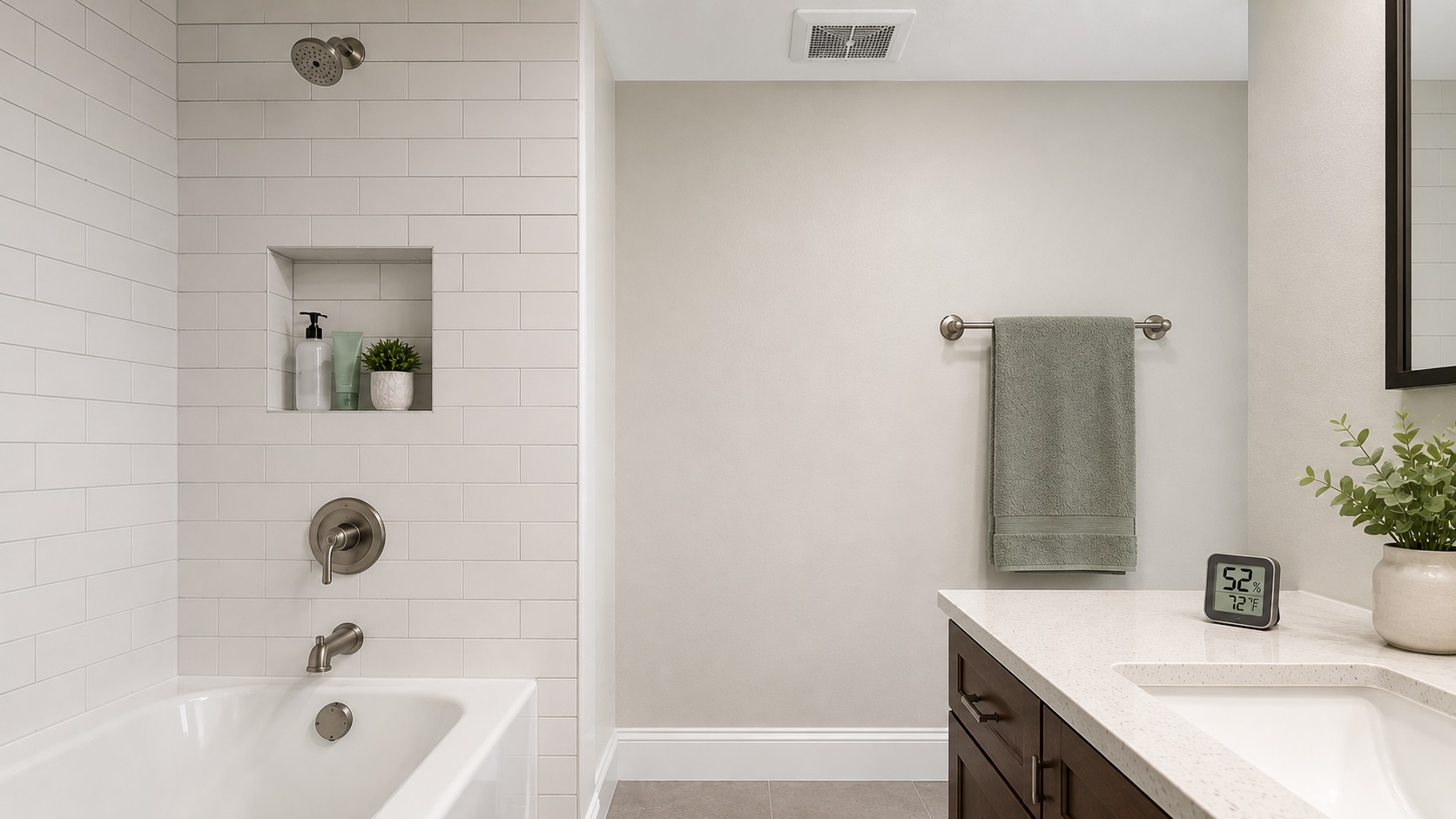
Bathrooms should ideally maintain humidity levels between:
- 30% to 50% for optimal mold prevention
- Below 60% to reduce mold growth risk
Humidity levels above these ranges increase the chance of condensation and slow drying. Place a small hygrometer in the bathroom and check whether humidity drops back toward normal levels within about 30 minutes after showering.
Learning to control moisture at the surface level is essential. Reviewing strategies explained in reduce bathroom wall moisture can help homeowners manage humidity before it spreads into hidden spaces.
Using Dehumidifiers in High-Moisture Bathrooms
Some bathrooms experience persistent humidity despite ventilation improvements. This is especially common in homes located in humid climates or in bathrooms with frequent daily use.
Portable dehumidifiers can help reduce moisture levels in these environments. By removing excess moisture from the air, they shorten drying time and reduce condensation on walls.
If the bathroom stays humid even with fan use, see how to choose and use a dehumidifier effectively to decide whether supplemental moisture control makes sense.
Dehumidifiers are particularly useful in:
- Bathrooms without windows
- Homes in humid regions
- Bathrooms shared by multiple occupants
- Spaces with chronic moisture buildup
While dehumidifiers cannot replace proper ventilation, they provide valuable supplemental moisture control when needed.
Using Moisture-Resistant Materials Correctly
Choosing the right materials plays a major role in preventing mold behind bathroom walls. While ventilation and humidity control are critical, materials that resist moisture absorption can slow water movement into wall cavities and reduce long-term mold risk.
However, it is important to understand that moisture-resistant materials do not eliminate mold risk on their own. They reduce vulnerability, but moisture must still be controlled through proper ventilation and maintenance.
Moisture-Resistant Drywall Helps Limit Water Absorption
Moisture-resistant drywall—often called green board or mold-resistant drywall—is designed to slow water absorption compared to standard drywall. These materials are commonly used in bathrooms because they resist minor humidity exposure better than traditional wallboard.
Moisture-resistant drywall works by using treated cores and surface coatings that reduce water penetration. However, it does not make walls waterproof. If moisture continues to enter the wall repeatedly, mold can still develop over time.
Moisture-resistant drywall is most effective when used in:
- Walls adjacent to sinks and vanities
- Bathroom areas exposed to routine humidity
- Spaces near plumbing penetrations
- Bathrooms with moderate moisture exposure
When combined with strong ventilation and humidity control, these materials help reduce long-term mold risk behind walls.
Waterproof Backer Boards Provide Additional Protection
In areas exposed to frequent water contact—such as shower surrounds—waterproof backer boards provide stronger moisture resistance than drywall. These materials are designed to withstand repeated exposure to water and limit moisture transfer into underlying structures.
Common waterproof backer board materials include:
- Cement board
- Fiber-cement panels
- Foam-based waterproof boards
- Specialized tile backer systems
These materials are typically installed behind tile surfaces to protect wall structures from water exposure. While they improve moisture resistance, proper installation is essential. Poorly installed backer boards can allow water intrusion despite their protective properties.
Proper Sealing Around Fixtures Prevents Hidden Moisture Entry
Sealing gaps around fixtures is an often-overlooked prevention step. Small openings around pipes, faucets, and fixtures allow humid air and water vapor to enter wall cavities.
Over time, repeated moisture movement through these gaps increases the likelihood of hidden mold growth. Preventing these openings helps protect vulnerable areas.
Key areas that should be sealed include:
- Pipe penetrations through walls
- Gaps around sink fixtures
- Spaces around tub and shower plumbing
- Openings near valve access panels
When sealing materials degrade, moisture entry becomes more likely. Monitoring seal integrity regularly helps prevent long-term moisture infiltration.
How Moisture Barriers Protect Hidden Wall Spaces
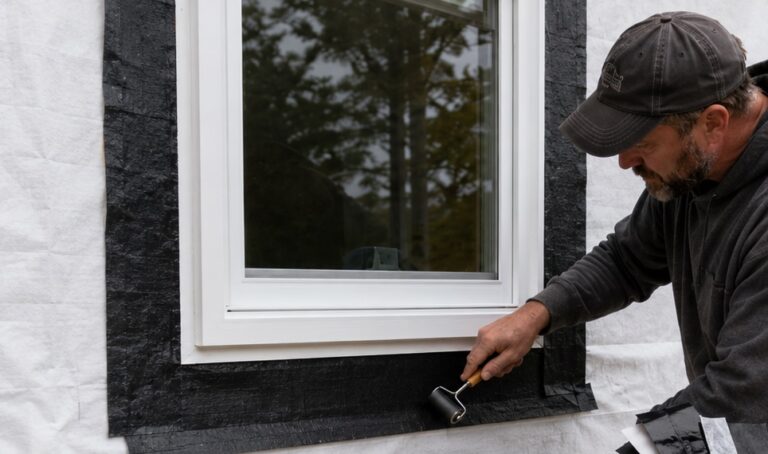
Moisture barriers help prevent vapor movement into wall cavities where mold growth can occur. These systems are designed to control the direction of moisture movement and protect structural materials from prolonged dampness.
Properly installed moisture barriers reduce the amount of water vapor entering wall assemblies. However, incorrect placement can trap moisture and worsen mold risk.
Understanding the Purpose of Vapor Barriers
Vapor barriers and vapor retarders are materials designed to slow water vapor movement. Their placement depends on the climate, wall assembly, and local building practice, but their purpose is to limit unwanted moisture migration into structural components.
These barriers work best when installed in areas exposed to repeated humidity cycles, such as:
- Exterior bathroom walls
- Walls surrounding showers and tubs
- Areas with frequent steam exposure
- Bathrooms in cold or humid climates
By controlling moisture movement, vapor barriers help maintain dry wall cavities and reduce long-term mold risk.
Avoiding Improper Barrier Placement
Incorrect barrier installation can create moisture traps. When vapor barriers are installed on both sides of a wall assembly, moisture can become trapped between layers. This prevents drying and increases mold risk.
Improper barrier placement may lead to:
- Moisture buildup inside walls
- Persistent hidden dampness
- Odor development without visible damage
- Accelerated mold growth inside cavities
Understanding how barriers interact with wall systems helps ensure they function as intended rather than causing unintended moisture retention.
Preventing Condensation Inside Bathroom Walls
Condensation inside walls is one of the most misunderstood causes of hidden mold growth. Many homeowners assume mold behind bathroom walls always results from plumbing leaks, but condensation alone can create enough moisture to support mold development.
Preventing condensation requires controlling temperature differences, improving airflow, and reducing humidity levels.
Managing Temperature Differences Between Walls and Air
Condensation forms when warm, humid air contacts cooler surfaces. Exterior bathroom walls are particularly vulnerable because outdoor temperatures can keep interior wall surfaces cooler than surrounding air.
Reducing temperature differences helps prevent moisture from forming inside wall assemblies.
Helpful strategies include:
- Maintaining consistent indoor temperatures
- Improving insulation in exterior walls
- Reducing cold surface exposure
- Ensuring consistent airflow throughout the bathroom
These steps reduce the likelihood of condensation forming inside hidden wall spaces.
Reducing Surface Moisture Before It Enters Walls
Surface moisture often migrates into walls when left unattended. Drying visible surfaces quickly helps prevent moisture from reaching hidden areas.
Effective surface moisture reduction methods include:
- Wiping condensation from walls after showers
- Drying water splashes near sinks
- Maintaining grout and sealant condition
- Repairing cracked grout lines promptly
These preventive actions reduce moisture exposure and help maintain dry wall conditions over time.
Daily Habits That Reduce Hidden Wall Moisture
Daily routines inside the bathroom play a larger role in mold prevention than many homeowners realize. Even with strong ventilation and moisture-resistant materials, repeated daily moisture exposure can gradually allow dampness to build behind bathroom walls.
Small changes in routine can significantly reduce humidity levels and prevent moisture from lingering long enough to enter hidden wall spaces.
Allowing Airflow After Every Shower
Air circulation helps moisture evaporate from surfaces before it penetrates wall materials. Bathrooms that remain sealed after showers trap humid air, allowing moisture to settle into walls and ceilings.
Improving airflow after each shower supports faster drying and reduces mold risk.
Helpful airflow practices include:
- Leaving the bathroom door open after showering
- Running the exhaust fan for 20–30 minutes after use
- Opening windows when weather conditions allow
- Avoiding sealing the room immediately after bathing
These simple steps reduce the time moisture remains inside the room, lowering the likelihood of hidden wall dampness.
Keeping Bathroom Surfaces Dry
Visible moisture left on surfaces often becomes hidden moisture inside walls. Water that remains on walls, fixtures, or tile surfaces slowly migrates into grout lines and porous materials.
Drying surfaces after heavy moisture exposure helps prevent long-term water absorption.
Recommended surface-drying habits include:
- Wiping down wet tile walls after showers
- Drying sink areas where splashing occurs
- Removing standing water from surfaces
- Maintaining clean and sealed grout lines
These habits reduce surface moisture before it has time to enter deeper wall layers.
Preventing Moisture Buildup Inside Cabinets
Bathroom cabinets can trap humidity if airflow is limited. Moisture that collects inside cabinets can migrate into nearby walls, increasing the risk of hidden mold growth.
Keeping cabinet interiors dry helps reduce moisture accumulation behind surrounding structures.
Effective cabinet moisture practices include:
- Avoiding storage of wet towels inside cabinets
- Allowing cabinet interiors to air out periodically
- Keeping cabinet doors slightly open when humidity is high
- Monitoring for damp odors inside enclosed spaces
Hidden mold behind cabinetry often develops before becoming visible. Learning to recognize early indicators described in signs of hidden mold behind bathroom cabinets helps detect problems before they spread into wall cavities.
Maintenance Steps That Prevent Long-Term Mold Growth
Routine maintenance helps identify developing moisture problems before they become serious mold issues. Small defects that go unnoticed can allow moisture to enter wall assemblies repeatedly.
Regular inspection and repair help maintain effective moisture protection systems.
Inspecting Sealants and Caulking Regularly
Sealants around tubs, sinks, and plumbing fixtures create protective barriers that limit water intrusion. Over time, these materials degrade and lose their protective function.
Inspecting sealants regularly helps identify areas where moisture could enter hidden wall spaces.
Signs that sealants may need attention include:
- Cracked or peeling caulking
- Visible gaps around fixtures
- Discoloration along sealed edges
- Persistent moisture near sealed surfaces
Maintaining intact sealants prevents moisture migration into vulnerable wall areas.
Monitoring for Changes in Humidity Patterns
Unexpected changes in humidity levels often signal developing moisture problems. If humidity remains high longer than usual, ventilation or airflow problems may be present.
Common warning signs include:
- Lingering condensation on mirrors or walls
- Musty odors that appear after showers
- Paint bubbling or discoloration
- Persistent dampness near fixtures
Identifying humidity changes early allows corrective action before hidden mold develops.
Checking for Early Signs of Persistent Moisture
Persistent moisture problems often begin with subtle changes. Recognizing early signs allows homeowners to correct problems before structural damage occurs.
Early moisture warning signs may include:
- Peeling paint near bathroom walls
- Softening drywall surfaces
- Discoloration around plumbing areas
- Recurring condensation patterns
If moisture problems continue despite routine maintenance, more advanced solutions may be necessary. Understanding when to address persistent moisture issues is essential for long-term prevention.
Homeowners experiencing ongoing humidity problems may benefit from reviewing how to fix persistent bathroom moisture problems to determine when professional upgrades may be required.
When Prevention Methods Require Professional Upgrades
Many bathroom mold-prevention steps can be handled through daily habits, sealant maintenance, and better fan use. However, recurring dampness, persistent odors, or wall damage can mean the bathroom’s ventilation, plumbing, insulation, or wall assembly needs professional evaluation.
Signs That Existing Ventilation Is Not Enough
Ventilation systems that fail to remove moisture effectively allow humidity to remain trapped inside bathroom walls.
Warning signs that ventilation may need improvement include:
- Condensation remaining long after showers
- Persistent damp odors inside the bathroom
- Recurring humidity buildup despite routine fan use
- Visible moisture accumulation on surfaces
These conditions suggest airflow capacity may be inadequate for the room size.
Situations That Require Professional Evaluation
Some moisture issues extend beyond simple maintenance. Persistent humidity problems may indicate deeper structural or ventilation challenges.
Professional evaluation may be needed when:
- Moisture problems continue despite improvements
- Wall surfaces show repeated damage
- Hidden mold is suspected behind walls
- Humidity remains consistently elevated
Addressing these problems early helps prevent costly structural repairs and long-term mold contamination.
Final Prevention Checklist for Bathroom Wall Mold
The strongest way to prevent mold behind bathroom walls is to keep moisture from entering hidden spaces and make sure the bathroom dries quickly after every shower. Run the exhaust fan long enough, monitor humidity, keep grout and caulk intact, dry wet surfaces, and investigate recurring damp odors or wall damage before covering them up.
If moisture continues after these steps, the problem may involve weak ventilation, hidden plumbing leakage, poor insulation, or an assembly issue behind the wall. At that point, professional evaluation is safer than repeatedly cleaning visible symptoms while hidden moisture remains active.
Key Takeaways
- Hidden mold behind bathroom walls develops when moisture remains trapped inside wall cavities.
- Proper ventilation is the most effective method for removing humidity and preventing mold growth.
- Maintaining humidity levels between 30% and 50% helps reduce condensation risks.
- Moisture-resistant materials support prevention but must be combined with airflow control.
- Regularly checking caulk, grout, fan airflow, humidity readings, and damp odors helps catch bathroom wall moisture before mold becomes hidden.
- Persistent moisture problems may require professional ventilation or structural upgrades.
Frequently Asked Questions About Preventing Mold Behind Bathroom Walls
Can mold grow behind bathroom walls without a leak?
Yes. Mold can grow behind bathroom walls even without visible leaks. Repeated humidity exposure and condensation alone can provide enough moisture for mold development inside wall cavities.
How long should bathroom fans run after showers?
Bathroom exhaust fans should run for at least 20 to 30 minutes after showers. This allows moisture to leave the room and reduces the chance of humidity entering wall materials.
Does moisture-resistant drywall prevent mold completely?
No. Moisture-resistant drywall slows water absorption but does not eliminate mold risk. Proper ventilation and humidity control are still required to prevent hidden moisture buildup.
Is condensation behind bathroom walls dangerous?
Repeated condensation can lead to mold growth inside wall cavities. Over time, this can damage materials and affect indoor air quality if not addressed.
When should I suspect hidden mold behind bathroom walls?
Hidden mold may be present if you notice persistent musty odors, recurring damp spots, peeling paint, or unexplained humidity problems inside the bathroom.