
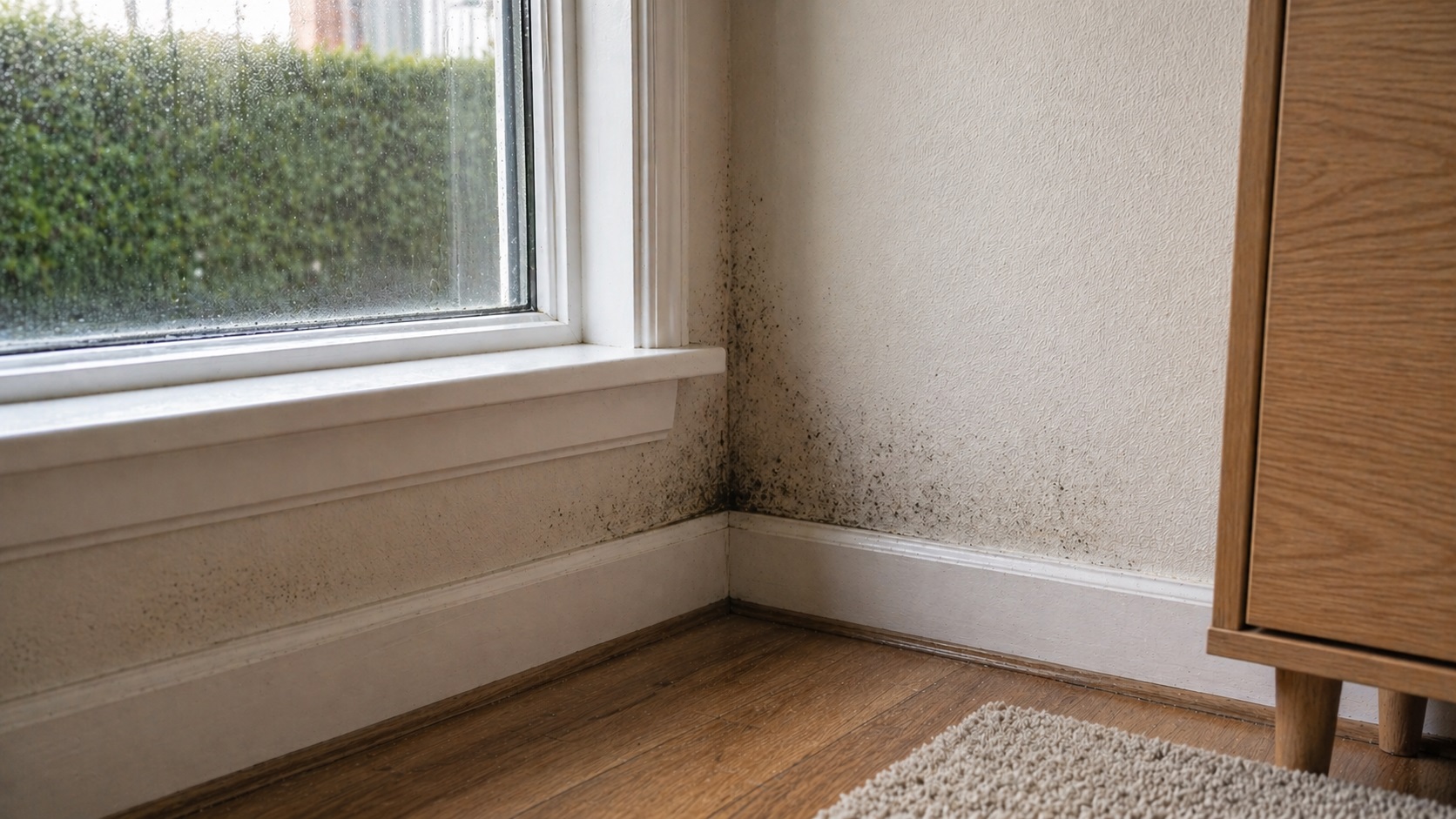
Best Mold Test Kits for Homeowners (Top Reliable DIY Mold Testing Kits for 2026)
Disclosure: As an Amazon Associate, this site earns from qualifying purchases. This does not affect the price you pay. Our recommendations are based on research, product reliability, and real-world usability in moisture-prone environments.
If you’ve noticed musty smells, unexplained stains, or persistent moisture problems, choosing the best mold test kits for homeowners can help you confirm whether mold is actually present before taking action. For example, many homeowners begin researching mold test kits after noticing a musty smell that keeps coming back — even after cleaning the room.
Many homeowners suspect mold long before they see visible growth. In some cases, early warning signs appear first — such as the symptoms covered in our guide on Signs of Mold Behind Walls. A reliable mold test kit helps confirm those suspicions and guides your next steps.
Mold test kits won’t fix moisture problems by themselves, but they can be extremely helpful when you’re trying to figure out what’s actually causing the issue. Used properly, they can help identify mold presence, compare rooms, or determine whether cleanup is necessary.
This guide reviews the best mold test kits for homeowners, including multi-room testing kits, rapid mold tests, and budget-friendly options. If you’re like most homeowners, you’re probably trying to answer one simple question: is mold actually present, or is it something else?
Many of these are practical home mold testing kits designed for homeowners who want answers without hiring specialists.
- Confirm whether visible mold is actually present
- Compare mold levels across multiple rooms
- Identify potential hidden mold problems
- Monitor conditions that allow mold to grow
Each recommendation focuses on practical use, reliability, and real-world effectiveness. If mold is confirmed, your next step may involve removal strategies covered in our complete guide: How to Remove Mold Permanently.
For readers exploring indoor air quality concerns, this article belongs to our broader Air Quality category, where we cover mold detection, humidity control, and indoor moisture problems.
⭐ Quick Picks: Best Mold Test Kits for Homeowners (Top Reliable Options)
Most of the products listed below are DIY mold test kits, meaning they are designed for homeowners to use without professional equipment.
- Best Overall Mold Test Kit:
Seeml Labs DIY Mold Test Kit — 3 Tests
Reliable surface sampling with professional lab analysis included. - Best Multi-Room Mold Test Kit:
ImmunoLytics DIY Mold Test Kit — 5 Room
Ideal for testing multiple rooms at once. - Best Budget Mold Test Kit:
Mold Armor FG500 Do It Yourself Mold Test Kit
Affordable option for basic mold screening. - Best Rapid Mold Test Kit:
Healthful Home 5-Minute Mold Test
Provides fast results for visible mold areas. - Best Value Multi-Test Kit:
Evviva Sciences Mold Test Kit — 10 Tests
Best for testing large homes or multiple locations. - Also Consider (Prevention Tool):
Airthings 4200 House Kit
Monitors humidity and air quality to reduce mold risk.
Best Mold Test Kits for Homeowners
1. Seeml Labs DIY Mold Test Kit — 3 Tests
Category: ⭐ Best Overall Mold Test Kit
The Seeml Labs DIY Mold Test Kit is one of the most reliable choices for homeowners who want confirmation from a professional laboratory. Unlike simple air settle plates, this kit focuses on surface sampling and includes accredited lab analysis, making it a strong choice when visible mold or suspicious materials are present.
This option is particularly useful when you already see suspicious spots on drywall, trim, or flooring edges and want to confirm whether mold is actually present.
Key Features:
- Includes 3 surface sampling tests
- Professional lab analysis included
- Uses swab and tape methods
- Provides mold identification results
- Designed for homeowner-friendly use
Pros:
- ✔ Lab analysis included
- ✔ Reliable identification method
- ✔ Suitable for visible mold testing
- ✔ Strong overall accuracy
Cons:
- ✖ Requires mailing samples
- ✖ Not ideal for whole-home screening
- ✖ Results take several days
Best For:
- Visible mold confirmation
- Targeted testing of suspicious areas
- Homeowners wanting professional verification
If you’re unsure whether visible spots are mold or something else, comparing symptoms to guidance in Mold vs Mildew on Walls can help clarify what you’re seeing before testing.
2. ImmunoLytics DIY Mold Test Kit — 5 Room
Category: 🏡 Best Multi-Room Mold Test Kit
The ImmunoLytics 5-Room Mold Test Kit is designed for homeowners who suspect mold in multiple locations. Instead of testing just one area, this kit lets you compare conditions across multiple rooms. This makes it much easier to identify patterns in larger homes or buildings with recurring moisture problems.
This approach is helpful when musty odors appear throughout the house or when you want to track problem areas over time.
Key Features:
- Includes 5 room testing plates
- Designed for multi-room comparisons
- Passive air sampling method
- Optional lab identification available
- Simple instructions included
Pros:
- ✔ Tests multiple rooms at once
- ✔ Good value for larger homes
- ✔ Useful for locating problem areas
- ✔ Flexible testing options
Cons:
- ✖ Lab analysis costs extra
- ✖ Results require incubation time
- ✖ Requires careful interpretation
Best For:
- Whole-home screening
- Tracking musty odors
- Testing multiple suspect rooms
Multi-room testing is especially useful if you’ve already noticed warning signs such as discoloration, humidity problems, or structural moisture indicators described in Signs of Hidden Moisture in Walls.
3. Mold Armor FG500 Do It Yourself Mold Test Kit
Category: 💰 Best Budget Mold Test Kit
The Mold Armor FG500 is one of the most widely recognized mold testing kits available for homeowners. Its simple design and affordable entry point make it a practical option for those who want to test for mold without investing heavily in more advanced kits.
This kit includes both indoor and outdoor sampling options, allowing you to compare results and better understand whether mold levels indoors may be elevated compared to outside conditions.
Key Features:
- Includes indoor and outdoor comparison testing
- Surface sampling option included
- Designed for quick homeowner testing
- Optional lab testing available
- Simple instructions included
Pros:
- ✔ Affordable entry-level testing
- ✔ Widely available product
- ✔ Includes comparison method
- ✔ Beginner-friendly
Cons:
- ✖ Lab analysis costs extra
- ✖ Not ideal for large homes
- ✖ Limited number of tests
Best For:
- First-time mold testing
- Budget-conscious homeowners
- Testing small areas
If you’re trying to locate the moisture source that caused mold in the first place, tools like those covered in our guide to Best Moisture Meters for Hidden Water Damage can help identify problem areas.
4. Healthful Home 5-Minute Mold Test
Category: ⚡ Best Rapid Mold Test Kit
The Healthful Home 5-Minute Mold Test stands out because of its speed. Instead of waiting days for mold growth or lab confirmation, this kit provides quick screening results within minutes.
This makes it particularly helpful when you need immediate confirmation about suspicious stains after leaks or visible water damage.
Key Features:
- Provides results in approximately 5 minutes
- Surface swab testing method
- Compact and easy-to-use design
- No incubation required
- Suitable for visible mold screening
Pros:
- ✔ Extremely fast results
- ✔ Easy to perform
- ✔ Useful for quick confirmation
- ✔ Minimal setup required
Cons:
- ✖ Limited testing scope
- ✖ Does not provide species identification
- ✖ Single-use test
Best For:
- Quick confirmation of visible mold
- Post-leak inspection
- Testing suspicious stains
If moisture problems persist after leaks, reviewing How to Detect Moisture Without Opening Walls can help identify hidden moisture sources that lead to mold growth.
5. Evviva Sciences Mold Test Kit — 10 Tests
Category: 🧪 Best Value Multi-Test Kit
The Evviva Sciences Mold Test Kit offers one of the highest numbers of individual tests per package, making it a practical solution for homeowners who want to test multiple areas without purchasing several kits.
The extra number of testing plates makes this much easier to use in large homes, rental properties, or situations where repeated testing may be necessary.
Key Features:
- Includes 10 individual mold tests
- Suitable for multiple rooms
- Passive air sampling method
- Optional lab identification available
- Flexible testing coverage
Pros:
- ✔ High number of included tests
- ✔ Good overall value
- ✔ Suitable for large homes
- ✔ Flexible placement options
Cons:
- ✖ Requires incubation time
- ✖ Lab testing costs extra
- ✖ Requires interpretation of results
Best For:
- Large homes
- Rental properties
- Follow-up testing
6. Airthings 4200 House Kit
Category: 📊 Also Consider — Mold Prevention Monitor
The Airthings 4200 House Kit differs from traditional mold test kits because it focuses on preventing mold conditions rather than detecting existing mold. By continuously monitoring humidity, temperature, and air quality, it helps homeowners maintain safe indoor conditions.
This type of monitoring is particularly useful in basements, crawl spaces, and other areas prone to moisture buildup.
Key Features:
- Continuous humidity monitoring
- Tracks indoor air quality
- Wireless smart monitoring system
- Mobile app connectivity
- Long-term environmental tracking
Pros:
- ✔ Helps prevent mold conditions
- ✔ Continuous monitoring
- ✔ Useful for moisture-prone homes
- ✔ Strong humidity tracking capability
Cons:
- ✖ Does not detect mold directly
- ✖ Requires setup
- ✖ Higher upfront investment
Best For:
- Mold prevention
- Humidity monitoring
- Long-term indoor air management
Monitoring humidity levels is one of the most effective prevention strategies. Keeping humidity below about 50% in most living areas significantly reduces the risk of mold growth over time. For additional tools designed to manage indoor moisture, see our guide to Best Hygrometers for Home Humidity.
Types of Mold Test Kits Explained
Understanding the different types of mold test kits helps homeowners choose the right method for their situation, especially when comparing different mold testing kits for homes. Each type is designed for a specific purpose and works best under certain conditions.
Surface Mold Test Kits
Surface tests collect samples directly from visible mold growth. These are commonly used when discoloration appears on drywall, trim, tile, or flooring.
Air Mold Test Kits
Air sampling kits detect mold spores floating in the air. These are often used when musty smells are present but visible mold cannot be located.
Rapid Mold Screening Tests
Rapid tests provide quick confirmation when mold is suspected after leaks or visible water damage.
Comparison Table — Best Mold Test Kits for Homeowners
Quick Comparison of Mold Test Kit Types
The table below summarizes the most important differences between each mold test kit, making it easier to compare testing methods and determine which option fits your needs. It compares some of the best mold test kits for homeowners based on reliability, ease of use, and practical testing methods.
| Product | Category | Test Type | Number of Tests | Lab Analysis | Best Use Case |
|---|---|---|---|---|---|
| Seeml Labs DIY Mold Test Kit | Best Overall | Surface Sampling | 3 | Included | Visible mold confirmation |
| ImmunoLytics 5 Room Kit | Best Multi-Room | Air Sampling | 5 | Optional | Whole-home screening |
| Mold Armor FG500 | Best Budget | Air + Surface | 3 | Optional | Entry-level testing |
| Healthful Home 5-Minute Test | Best Rapid | Surface Swab | 1 | No | Quick confirmation |
| Evviva Sciences — 10 Tests | Best Value | Air Sampling | 10 | Optional | Large home testing |
| Airthings 4200 | Also Consider | Environmental Monitoring | Continuous | N/A | Prevention monitoring |
How to Choose the Right Mold Test Kit for Your Home (Step-by-Step Guide)
The best mold test kit for homeowners depends on what you’re trying to detect. Surface tests work best for visible mold, air sampling kits help detect hidden mold in multiple rooms, and rapid tests provide quick confirmation after leaks or water damage.
Not all mold test kits serve the same purpose. Some are designed for quick confirmation of visible mold, while others help identify hidden contamination across multiple rooms. Choosing the right kit depends on your specific situation, not just the number of tests included.
Before selecting a mold test kit, it’s often helpful to understand what conditions allow mold to grow in the first place. Excess moisture is usually the root cause, which is why many homeowners first investigate humidity or hidden leaks using tools like those discussed in Best Moisture Meters for Hidden Water Damage.
1. Choose Based on Your Testing Goal
The most important factor is understanding what you’re trying to learn.
- If you see visible mold: Choose a surface-based kit like the Seeml Labs kit or the Healthful Home rapid test.
- If you smell mold but can’t find it: Choose a multi-room kit like ImmunoLytics or Evviva Sciences.
- If you’re testing after a leak: A rapid test can help confirm visible mold growth quickly.
- If you’re monitoring large homes: Choose a multi-test kit with several sampling plates.
Many homeowners begin testing after noticing early warning signs like musty smells or discoloration — symptoms covered in detail in our guide on Signs of Hidden Moisture in Walls.
2. Understand the Different Mold Test Types
Knowing how each test works helps prevent confusion and improves accuracy.
Surface Sampling Tests
Surface tests are used when mold is already visible. These tests collect samples directly from suspicious materials such as drywall, wood trim, or tile.
Best used for:
- Visible mold spots
- Black stains on walls
- Testing suspected contamination areas
Air Sampling Tests
Air sampling kits collect airborne mold spores. These tests help identify whether mold is present in a room, even if it isn’t visible.
Best used for:
- Musty smells
- Unknown mold locations
- Whole-home testing
Rapid Screening Tests
Rapid tests deliver quick results and are often used when immediate confirmation is needed.
Best used for:
- Suspicious stains
- Post-leak inspection
- Immediate mold confirmation
3. Consider Whether Lab Analysis Is Necessary
Some mold test kits include professional laboratory analysis, while others require an additional fee. The right choice depends on how precise you need the results to be.
Choose lab analysis if:
- You need mold identification
- You plan to hire remediation professionals
- You want documented results
Skip lab analysis if:
- You only need general screening
- You want quick results
- You are testing for basic confirmation
If mold is confirmed, the next step is addressing moisture sources and removal methods covered in our complete guide: How to Remove Mold Permanently.
Setup and Usage Tips for More Accurate Results
Even the best mold test kits can produce misleading results if they are used incorrectly. Following basic setup practices improves reliability and helps avoid false alarms.
Safety Tip: If you suspect heavy mold growth or strong odors, consider wearing gloves and a mask during testing to reduce exposure to airborne spores.
1. Always Compare Indoor and Outdoor Conditions
Outdoor mold spores are naturally present in the environment. Some test kits include outdoor sampling plates to help establish a baseline.
This comparison makes it easier to determine whether indoor mold levels may be elevated beyond normal conditions.
2. Test Areas With Known Moisture History
Focus testing efforts on areas where moisture problems have occurred before, especially in spaces prone to basement moisture problems. Mold rarely appears without an underlying moisture source.
Common high-risk areas include:
- Basements
- Bathrooms
- Crawl spaces
- Under sinks
- Near plumbing fixtures or flooring areas showing early mold warning signs
For example, many homeowners discover mold growth under bathroom sinks after small plumbing leaks go unnoticed for weeks. Basements are another common trouble spot, especially in homes where humidity levels rise during rainy seasons or summer months.
If you’re unsure where moisture may be hiding, review techniques in How to Detect Moisture Without Opening Walls.
3. Follow Incubation Instructions Carefully
Air sampling tests require time to allow mold colonies to grow. Opening plates too early or moving them during incubation can affect results.
Always:
- Place plates on flat surfaces
- Avoid direct sunlight
- Keep pets and children away
4. Monitor Humidity Levels During Testing
Humidity plays a major role in mold growth, which is why maintaining ideal indoor humidity levels is critical for long-term mold prevention. Testing conditions that are too dry may produce misleading results.
Using humidity monitoring tools like those discussed in Best Hygrometers for Home Humidity helps maintain proper indoor conditions.
Common Mold Testing Mistakes to Avoid
Many inaccurate mold test results are caused by user error rather than faulty products. Avoiding these mistakes improves accuracy and helps prevent unnecessary concern.
Testing the Wrong Areas
Testing random locations often produces confusing results. Instead, focus on areas showing visible damage or persistent moisture exposure. It’s common for homeowners to test random rooms first, only to discover later that the real problem started near an unnoticed leak behind a wall or cabinet.
Examples include:
- Water-damaged drywall
- Flooring near leaks
- Areas with repeated humidity problems
Ignoring the Source of Moisture
Mold growth almost always follows moisture intrusion. Testing alone does not solve mold problems.
After testing, always investigate moisture sources such as:
- Roof leaks
- Plumbing failures
- Foundation cracks
- Condensation problems
Important: If mold covers large areas (typically more than 10 square feet), professional remediation may be necessary instead of DIY removal.
Expecting Mold Tests to Find Hidden Leaks
Mold test kits detect mold presence, not the cause of moisture problems. Identifying hidden leaks requires moisture detection tools.
Those tools are covered in detail in our guide to Best Moisture Meters for Hidden Water Damage.
Misinterpreting Normal Mold Presence
Some level of mold spores is normal in indoor air. That said, results don’t always tell the full story on their own — interpretation depends on the surrounding conditions and recent moisture events. A positive result does not always mean dangerous contamination.
Instead, look for patterns such as:
- Consistently high mold growth
- Localized contamination
- Visible mold damage
When in doubt, professional testing may be necessary.
Frequently Asked Questions About Mold Test Kits
Do mold test kits actually work?
Yes, mold test kits can be useful tools when used correctly. They help confirm whether mold is present and can identify contaminated areas. However, they do not fix the underlying moisture problem that allows mold to grow.
If testing confirms mold, the next step is identifying and correcting moisture sources — a process explained in How to Remove Mold Permanently.
What is the most accurate type of mold test kit?
Surface sampling kits that include laboratory analysis tend to provide the most accurate results. These kits allow mold samples to be professionally analyzed and identified.
However, air sampling kits are useful for detecting mold across multiple rooms, especially when visible mold is not present.
Can mold test kits detect hidden mold?
Mold test kits can indicate whether mold spores are present in the air, which may suggest hidden mold growth. However, they cannot pinpoint exact hidden locations.
To locate hidden moisture that often leads to mold growth, homeowners frequently use tools like those described in How to Detect Moisture Without Opening Walls.
How long does it take to get results from a mold test kit?
Result times vary depending on the test type.
-Rapid tests may produce results within minutes.
-Air sampling tests typically take 48–72 hours.
-Lab analysis kits may take several days after samples are mailed.
Choosing the right type depends on whether you need speed or detailed identification.
Should I test for mold after a water leak?
Yes, testing after water leaks is often recommended, especially if moisture remained for more than 24–48 hours. Mold can begin developing within 24 to 48 hours after moisture exposure, which is why early testing and drying are so important.
Leaks behind walls, under flooring, or near plumbing fixtures are common sources of hidden mold growth. It’s also worth checking areas around washing machines, dishwashers, and water heaters, since slow leaks in these areas often go unnoticed.
Before testing, it may be helpful to confirm that moisture has fully dried using guidance from Best Moisture Meters for Hidden Water Damage.
How often should homeowners test for mold?
Routine mold testing is not necessary for most homes. However, testing may be helpful in certain situations.
Consider testing when:
-Musty odors appear
-Water damage has occurred
-Humidity problems persist
-Visible mold spots appear
Homes in humid climates or with past mold problems may benefit from occasional testing combined with humidity monitoring.
Is visible mold always dangerous?
Not all visible mold is dangerous, but any mold growth indicates moisture problems that should be addressed.
Even small mold patches may spread if moisture conditions remain uncontrolled.
Humidity control strategies discussed in Best Hygrometers for Home Humidity can help prevent recurring mold problems.
Final Thoughts: Choosing the Best Mold Test Kit for Your Home
The best mold test kits for homeowners are tools that help confirm problems — not solve them. Mold growth almost always begins with moisture, especially in areas where hidden water damage signs may not be obvious at first.
For many homeowners, a simple budget-friendly kit may be enough to confirm visible mold. Others may benefit from multi-room testing kits that help locate hidden contamination across the home. When accuracy matters most, kits that include laboratory analysis provide the strongest confirmation.
In most cases, choosing the right mold test kit comes down to understanding where moisture may be hiding and what kind of confirmation you actually need.
- If you see visible mold — choose a surface testing kit.
- If you smell mold but can’t find it — use multi-room air testing.
- If you need fast confirmation — select a rapid screening test.
- If you’re focused on prevention — monitor humidity and air quality.
Testing is only one step in protecting your home. Controlling moisture, managing humidity, and repairing leaks are the real keys to long-term mold prevention.
For readers working through mold-related problems, additional guidance is available throughout our Air Quality category, where we cover detection methods, prevention tools, and long-term moisture management strategies.
Choosing one of the best mold test kits for homeowners can help you confirm problems early and take the right steps before moisture damage spreads further.
2 Comments
Comments are closed.