
Signs of Mold Behind Walls (How to Tell If Hidden Mold Is Growing)
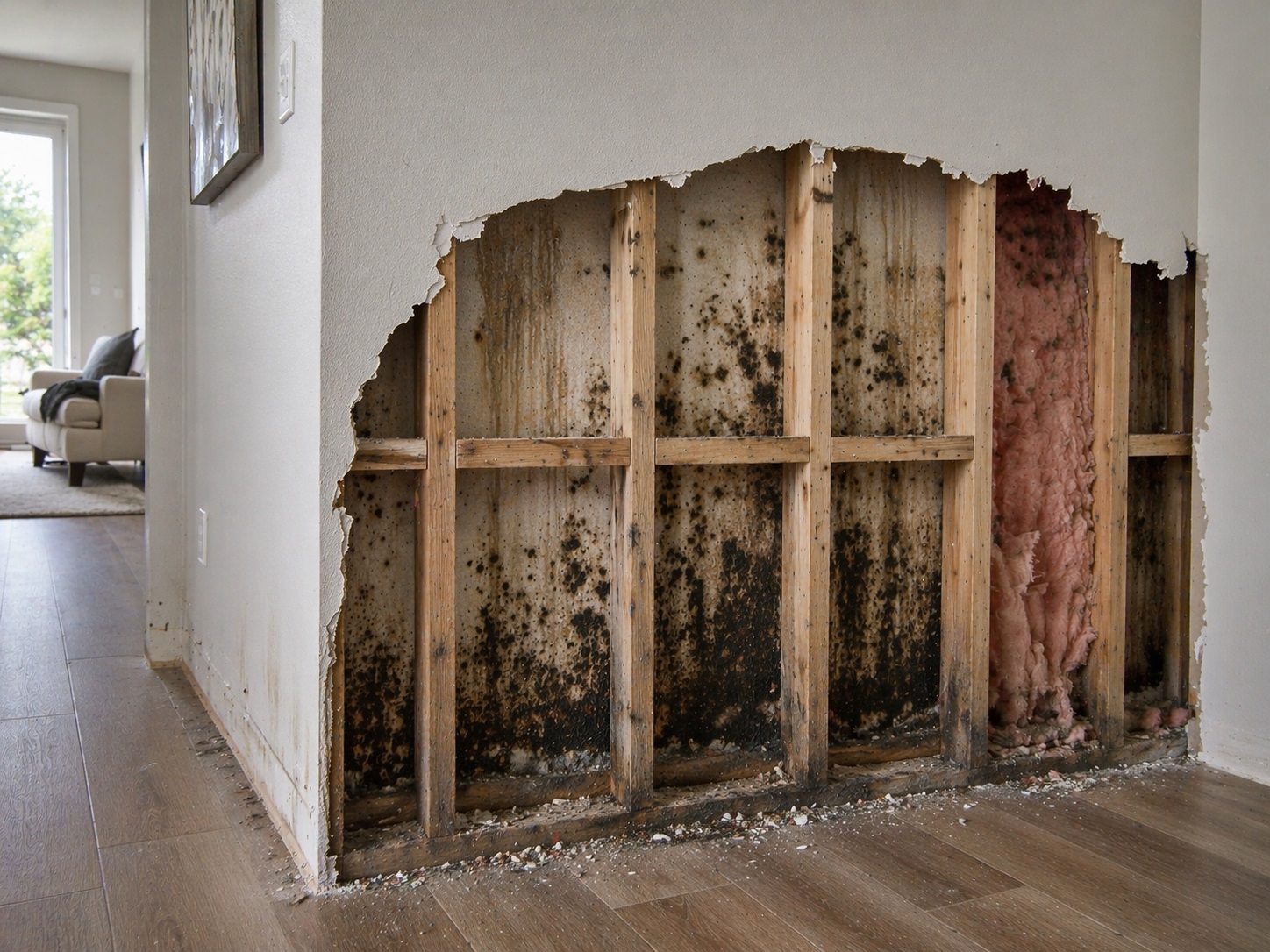
Mold behind walls is one of the most difficult household problems to detect because it often develops out of sight. Many homeowners assume mold only appears when visible spots form on walls or ceilings, but hidden mold growth frequently begins inside wall cavities long before obvious signs appear.
In most homes, mold growth begins after moisture becomes trapped inside drywall, insulation, or wood framing. This is why mold problems are closely connected to moisture issues. If you suspect moisture problems but are unsure what warning signs to watch for, reviewing the signs of hidden moisture in walls can help identify early conditions that often lead to mold growth.
This guide explains the most common signs of mold behind walls, what those signs usually mean, and when hidden mold becomes likely enough to investigate further. The goal is not to confirm mold from one clue, but to recognize patterns such as odor, recurring spots, wall damage, and indoor symptoms that appear together.
This article focuses specifically on recognizing warning signs of hidden mold. For full cleanup and remediation guidance after mold is confirmed, use How to Remove Mold Permanently; for moisture readings, leak tracing, and prevention, use the related guides linked where those topics come up.
What Are the Signs of Mold Behind Walls?
Mold behind walls often produces noticeable warning signs even when the mold itself is hidden from view. These signs may appear gradually and may affect only one area of the home at first.
The most common signs of mold behind walls include:
- Persistent musty odor that does not go away
- Mold spots that keep returning after cleaning
- Dark discoloration or stains on drywall or trim
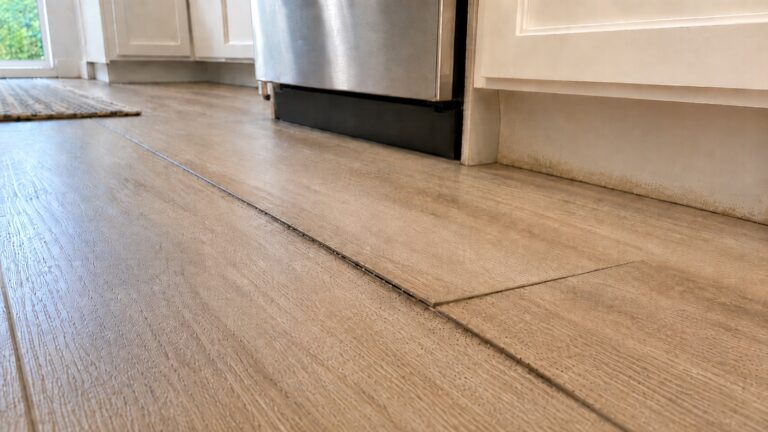
- Warped or damaged drywall in localized areas
- Allergy-like symptoms indoors that improve when leaving the area
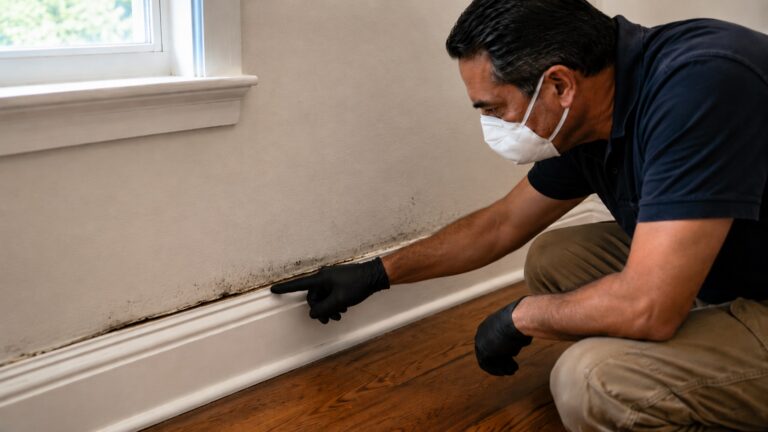
- Mold growth near baseboards or trim
- Mold spreading from seams, corners, or trim
Not every mold problem produces visible growth immediately. In many cases, odor and recurring symptoms appear first, making these early indicators especially important to recognize.
Why Hidden Mold Signs Often Start Inside Walls
Walls provide an ideal environment for mold growth because they contain organic materials and often experience limited airflow. When moisture enters a wall cavity, it can remain trapped long enough for mold to begin forming.
Mold requires three basic conditions to grow:
- Moisture
- Organic material
- Limited airflow
Most modern homes contain materials that support mold growth if moisture remains present. Drywall paper backing, wood framing, and insulation provide organic surfaces that allow mold spores to attach and spread.
For a deeper explanation of moisture sources, wall cavities, condensation, and leaks, see what causes mold in walls.
Moisture levels inside materials play a major role in determining whether mold growth begins. Elevated readings inside drywall or wood significantly increase mold risk. If you have taken moisture readings, reviewing our guide on moisture levels that indicate water damage can help determine whether conditions may support mold growth.
Mold growth can begin quickly after exposure to moisture under favorable conditions. For detailed timing, see how long mold takes to grow after water damage.
Most Common Signs of Mold Behind Walls
Hidden mold rarely appears without producing indirect warning signs. While these symptoms may seem minor at first, they often become stronger as mold growth spreads inside wall cavities.
Persistent Musty Odor That Does Not Go Away
A persistent musty smell is one of the most reliable indicators of mold behind walls. Many homeowners notice this odor before seeing visible mold growth.
Mold odors are typically described as:
- Musty
- Earthy
- Damp
- Stale
This smell often becomes stronger:
- After rainfall
- During humid weather
- Inside enclosed rooms
- Near plumbing fixtures
- Behind furniture placed against walls
If a musty odor returns repeatedly after cleaning or ventilation, hidden mold growth becomes more likely.
Mold Spots That Keep Returning After Cleaning
Recurring mold growth on surfaces often indicates hidden mold behind walls. While surface mold may be removed temporarily, it frequently returns when moisture and mold sources remain inside the wall cavity.
Common examples include:
- Mold appearing repeatedly along baseboards
- Small mold patches that return after cleaning
- Dark spots forming in the same location
- Mold growth spreading slowly outward
Repeated mold growth usually means the source of moisture has not been fully addressed. Surface cleaning alone rarely solves mold problems when hidden moisture remains inside walls.
Discolored or Dark Patches on Walls or Trim
Discoloration is one of the most recognizable visual signs of mold behind walls. Mold growth often produces dark patches that appear on drywall, trim, or painted surfaces. These patches may begin small but gradually expand as mold spreads inside the wall cavity.
Common discoloration patterns associated with mold include:
- Black or dark gray patches
- Green or olive-colored spots
- Brown or yellow stains that continue spreading
- Shadowy discoloration beneath paint or wallpaper
- Uneven staining along seams or corners
Unlike simple dirt or minor stains, mold-related discoloration often changes over time. Spots may grow larger, darken in color, or reappear after cleaning attempts.
Discoloration that forms alongside moisture damage is especially concerning. When stains appear together with swelling, peeling paint, or recurring odors, hidden mold becomes more likely. In these cases, confirming moisture conditions using our guide on moisture levels that indicate water damage can help determine whether conditions support mold growth.
Warped, Soft, or Damaged Drywall
Drywall damage often signals moisture problems that may support mold growth. When drywall absorbs moisture repeatedly, it can lose strength and begin to deform. Over time, this damage creates an environment where mold can grow unnoticed behind the surface.
Signs of drywall damage that may indicate hidden mold include:
- Bulging or uneven wall surfaces
- Soft areas that give slightly under pressure
- Cracking seams between drywall panels
- Bubbling paint or loose surface layers
- Sections that feel swollen or unstable
Although drywall damage alone does not confirm mold growth, it often indicates long-term moisture exposure. Mold becomes more likely when these structural changes occur alongside odors or discoloration.
If drywall damage appears alongside other warning signs, combining visual inspection with testing methods can improve accuracy. Our guide on how to detect moisture without opening walls explains safe ways to confirm moisture without damaging finished surfaces.
Allergy-Like Symptoms That Improve Outside the Home
Indoor environmental changes sometimes accompany hidden mold growth. Some individuals notice irritation or allergy-like symptoms that appear indoors and improve after leaving the affected area.
Possible symptoms associated with mold exposure may include:
- Frequent sneezing
- Nasal congestion
- Persistent coughing
- Watery or irritated eyes
- Throat irritation
- Headaches in enclosed spaces
These symptoms can occur for many reasons, so they should never be used as the only indicator of mold. However, when symptoms appear consistently in the same indoor environment and improve outdoors, hidden mold becomes one possible contributing factor.
Environmental symptoms are most meaningful when they appear alongside physical warning signs such as odors, stains, or repeated moisture damage.
Mold Growth Near Baseboards or Wall Edges
Baseboards and wall edges are common locations for hidden mold growth. These areas often sit close to plumbing lines, flooring seams, and exterior walls, making them vulnerable to moisture intrusion.
Mold appearing along baseboards may indicate that moisture is entering from inside the wall cavity rather than forming only on the surface.
Watch for:
- Mold lines forming along the bottom of walls
- Dark growth near floor seams
- Reappearing mold after repeated cleaning
- Discoloration along trim joints
- Mold spreading along corners or edges
When mold appears repeatedly in these areas, it often signals moisture problems behind the wall. Checking for related moisture signs using the signs of hidden moisture in walls guide can help confirm whether conditions support hidden mold growth.
Where Mold Most Commonly Grows Inside Walls
Hidden mold tends to develop in predictable locations where moisture exposure is most likely. Understanding these high-risk areas helps homeowners focus inspection efforts on the most vulnerable parts of the home.
Bathrooms
Bathrooms are one of the most common environments for hidden mold growth. Frequent moisture exposure from showers, sinks, and plumbing fixtures increases the likelihood of moisture entering wall cavities.
High-risk bathroom areas include:
- Behind shower walls
- Around tub enclosures
- Behind toilet plumbing
- Inside vanity cabinets
- Along poorly ventilated exterior walls
Kitchens
Kitchens contain multiple water sources, making them another frequent location for hidden mold development. Small plumbing leaks often occur beneath sinks or behind appliances.
Common kitchen mold locations include:
- Under sink cabinets
- Behind refrigerators with water lines
- Around dishwasher connections
- Behind backsplash areas
Basements and Lower-Level Walls
Basements often experience higher humidity levels than upper floors. Limited airflow and ground moisture increase the risk of mold growth inside basement walls.
Typical basement problem areas include:
- Exterior-facing basement walls
- Foundation corners
- Storage rooms with limited ventilation
- Areas near sump pumps or floor drains
Exterior Walls and Window Frames
Exterior walls are exposed to changing weather conditions, making them vulnerable to moisture intrusion. Rainwater, condensation, and temperature changes can allow moisture to enter hidden wall cavities.
High-risk exterior locations include:
- Below windows
- Around poorly sealed frames
- Near roofline connections
- Behind siding or exterior trim
What Mold Behind Walls Smells Like
Mold behind walls often smells musty, earthy, damp, stale, or similar to wet paper or rotting wood. The odor may become stronger after rainfall, during humid weather, inside closed rooms, near exterior walls, around plumbing fixtures, or behind furniture placed tightly against walls.
Because odor can travel through outlets, wall gaps, trim openings, and air movement inside cavities, the strongest smell does not always mark the exact mold location. If odor is the main warning sign and you do not see visible mold, review mold smell but no visible mold for odor-based investigation steps.
Health-Related Symptoms That May Signal Hidden Mold
Hidden mold can affect indoor air quality, but symptoms alone cannot confirm mold behind a wall. Treat indoor symptoms as supporting clues only when they appear with physical signs such as musty odor, recurring discoloration, moisture damage, or mold returning in the same area.
Common Environmental Symptoms Associated With Mold Exposure
Some individuals notice physical discomfort when spending time in areas affected by hidden mold. These symptoms may improve after leaving the affected environment.
Possible environmental symptoms include:
- Frequent sneezing indoors
- Nasal congestion or irritation
- Persistent coughing in enclosed rooms
- Watery or irritated eyes
- Dry throat or scratchy sensation
- Headaches in poorly ventilated spaces
These symptoms can have many causes and should not be used as a sole indicator of mold presence. However, when symptoms appear alongside physical warning signs such as odors or discoloration, hidden mold becomes more likely.
When Environmental Symptoms Become More Noticeable
Symptoms often appear more frequently under certain conditions that increase mold exposure.
These conditions may include:
- Spending extended time indoors
- Sleeping in affected rooms
- During periods of high humidity
- When ventilation is limited
- After water damage events
If environmental symptoms occur consistently in specific areas of the home, inspecting for hidden moisture becomes an important step. Reviewing the signs of hidden moisture in walls alongside these mold indicators improves diagnostic accuracy.
Understanding the moisture conditions that support mold growth helps determine whether mold development is likely. Reviewing the moisture levels that indicate water damage guide can help evaluate whether measured moisture levels support mold growth.
What To Do If You Suspect Mold Behind Walls
If the signs point toward hidden mold, the next step is not to start tearing open the wall. First, confirm whether moisture is still present, reduce conditions that help mold spread, and decide whether professional inspection or limited wall opening is needed.
Step 1: Confirm Moisture Conditions
Mold cannot grow without moisture, so confirming moisture conditions is the first priority. Identifying moisture sources helps determine whether the warning signs are connected to an active problem or older damage.
Common moisture sources include:
- Leaking plumbing lines
- Roof or window leaks
- Condensation buildup
- Exterior water intrusion
- High indoor humidity levels
If moisture levels remain elevated, mold growth becomes more likely. Reviewing both measurement data and the signs of hidden moisture in walls helps determine whether hidden moisture conditions exist. If the warning signs point toward an active wall leak, use how to find hidden water leaks inside walls for source-tracing steps.
Step 2: Reduce Conditions That Help Mold Spread
Reducing humidity and improving airflow will not remove mold behind a wall, but it can help limit the conditions that allow mold to keep spreading while the source is being investigated.
Practical short-term steps include:
- Running exhaust fans in bathrooms and kitchens
- Using a dehumidifier in damp rooms
- Keeping interior doors open for air circulation
- Moving furniture slightly away from suspect walls
- Monitoring indoor humidity levels regularly
Tracking humidity conditions with a hygrometer helps show whether indoor conditions are staying high enough to support mold. For measurement methods and placement guidance, see how to test indoor humidity levels.
Step 3: Avoid Disturbing Suspect Wall Materials
If mold is suspected behind walls, disturbing affected materials too soon can release spores and contaminated dust into the air. Avoid cutting, sanding, drilling, or tearing out drywall until the moisture source and likely mold area have been evaluated.
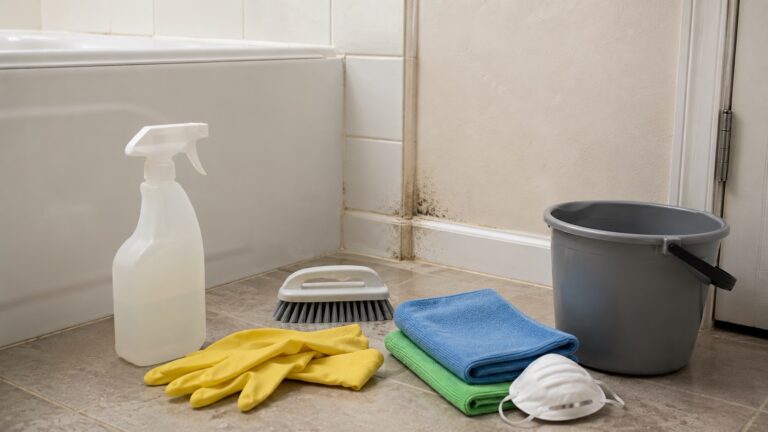
While waiting for inspection or repairs, consider taking simple precautions:
- Avoid disturbing affected areas unnecessarily
- Keep rooms ventilated when possible
- Reduce indoor humidity levels
- Avoid painting over stains or suspected mold
- Monitor affected areas for spreading damage
Reducing moisture remains the most effective way to slow mold growth. If moisture continues entering the wall, mold growth will likely continue as well.
Step 4: Know When Wall Opening May Be Necessary
In some cases, a section of drywall may need to be opened to confirm the extent of hidden mold or moisture damage. This is usually considered only after strong warning signs, recurring mold, or elevated moisture readings point to a concealed problem.
Wall opening may be necessary when:
- Mold returns repeatedly after cleaning
- Drywall becomes soft or severely damaged
- Strong mold odors persist for extended periods
- Large areas show visible mold growth
- Moisture readings remain elevated
Before opening walls, confirming moisture conditions using safe detection methods helps avoid unnecessary damage. Our guide on how to detect moisture without opening walls explains how to confirm moisture problems before damaging finished surfaces.
When to Call a Professional for Mold Inspection
Some mold problems require specialized equipment and professional expertise. Knowing when to seek professional help can prevent larger structural issues and reduce long-term repair costs.
Professional inspection is often recommended when:
- Mold spreads beyond small surface areas
- Multiple rooms show warning signs
- Strong odors persist despite cleaning
- Hidden leaks cannot be located
- Water damage affects large sections of wall
- Health-related symptoms appear consistently indoors
Professional inspectors typically use moisture meters, humidity monitoring tools, and infrared scanning to locate hidden mold growth accurately.
Frequently Asked Questions About Mold Behind Walls
Can mold grow behind drywall without visible signs?
Yes, mold can grow behind drywall without visible surface signs. Mold often develops inside wall cavities where moisture becomes trapped. In many cases, musty odors or recurring moisture problems appear before visible mold growth becomes noticeable.
How can you tell if mold is behind a wall?
Common warning signs include persistent musty odors, recurring mold spots, discoloration, and damaged drywall. Confirming moisture conditions using non-invasive testing methods helps determine whether mold growth is likely inside the wall.
What does mold behind walls smell like?
Mold behind walls typically produces a musty, earthy smell similar to damp paper or wet wood. This odor often becomes stronger in enclosed spaces or during humid conditions.
How quickly can mold grow inside walls?
Mold growth can begin within 24 to 48 hours after moisture enters wall materials under favorable conditions. Continued moisture exposure allows mold to spread more rapidly over time.
Is hidden mold dangerous?
Hidden mold can affect indoor air quality and may contribute to environmental discomfort. While small mold problems may be manageable, widespread mold growth often requires professional attention.
Should drywall be removed if mold is suspected?
Drywall removal may be necessary when mold returns repeatedly, damage spreads, or strong odors persist. Confirming moisture conditions first helps determine whether removal is necessary.
What Hidden Mold Signs Usually Mean
Mold behind walls rarely develops without moisture. When a musty odor, recurring spots, discoloration, wall damage, or indoor symptoms appear together, the pattern is more concerning than any single sign by itself.
The most important warning signs to watch for include:
- Persistent musty odors
- Recurring mold growth in the same location
- Discoloration or spreading stains
- Warped or damaged drywall
- Environmental symptoms indoors
- Mold forming along baseboards or trim
If you suspect mold growth inside walls, combine visual inspection, odor patterns, and moisture testing before opening finished surfaces. Early detection reduces repair costs and helps prevent more extensive structural damage.
If mold is already present or suspected to be spreading, cleanup should follow structured safety procedures instead of surface cleaning alone. For remediation planning after hidden mold is confirmed, see How to Remove Mold Permanently.
9 Comments
Comments are closed.