
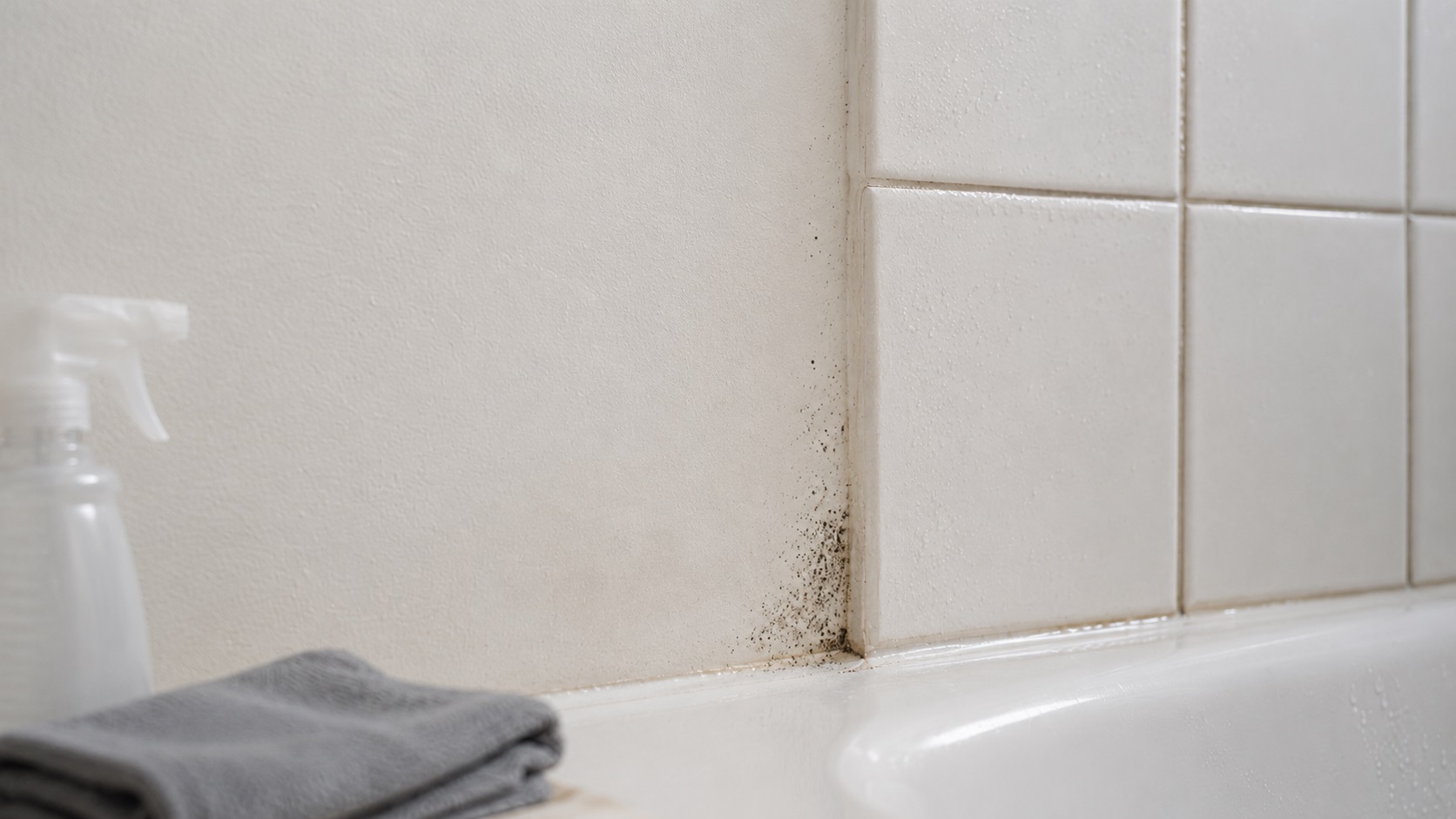
Why Mold Keeps Coming Back After Cleaning
Mold usually keeps coming back after cleaning because the moisture source was never fully removed. Surface cleaning can remove visible growth, but mold can return days or weeks later if damp drywall, wood, insulation, humidity, condensation, or a hidden leak continues feeding growth beneath or behind the surface.
Recurring mold is not random. When it returns in the same spot, it usually points to a repeated moisture pattern: trapped dampness, poor airflow, high humidity, condensation, incomplete drying, or water entering from a hidden source.
This guide explains why mold returns after cleaning, what repeated mold patterns reveal, and how to think through the root cause before cleaning the same area again.
If mold has already appeared in your home, long-term success depends on correcting moisture sources rather than repeatedly cleaning surfaces. For a broader look at recurring moisture patterns, see why moisture problems keep returning, which explains how unresolved leaks, trapped dampness, and incomplete drying can cause the same problem to come back.
The Real Reason Mold Returns After Cleaning
The most important fact about recurring mold is simple: mold comes back when moisture remains. Cleaning alone does not eliminate mold permanently unless the moisture that supports it is also removed.
Mold requires only three elements to grow:
- Moisture
- Organic material (such as drywall, wood, or dust)
- Time
When moisture remains available, mold spores that survive cleaning quickly begin growing again. This regrowth often appears in the same location, leading homeowners to believe mold is spreading mysteriously when it is actually following predictable moisture patterns.
What to Check First When Mold Comes Back
Before cleaning the same spot again, check what changed or stayed damp around the affected area. Look for recent leaks, condensation on nearby surfaces, musty odor, soft drywall, swollen trim, damp flooring, blocked airflow, furniture pushed tightly against walls, or indoor humidity that stays above a comfortable range.
If the same area becomes moldy again after cleaning, treat the mold as a symptom. The next step is not stronger scrubbing; it is finding why that location keeps receiving moisture.
Cleaning Removes Mold — But Not the Cause
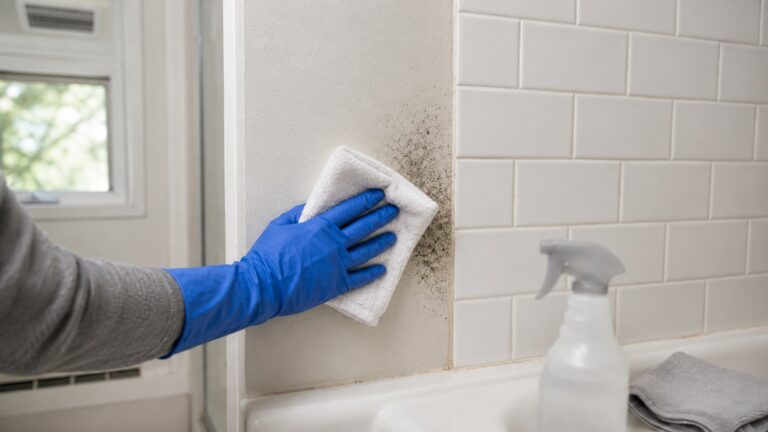
Most cleaning methods target surface mold growth. Sprays, scrubbing, and wiping remove visible staining, which makes the area appear clean. However, the underlying moisture conditions that allowed mold to grow often remain unchanged.
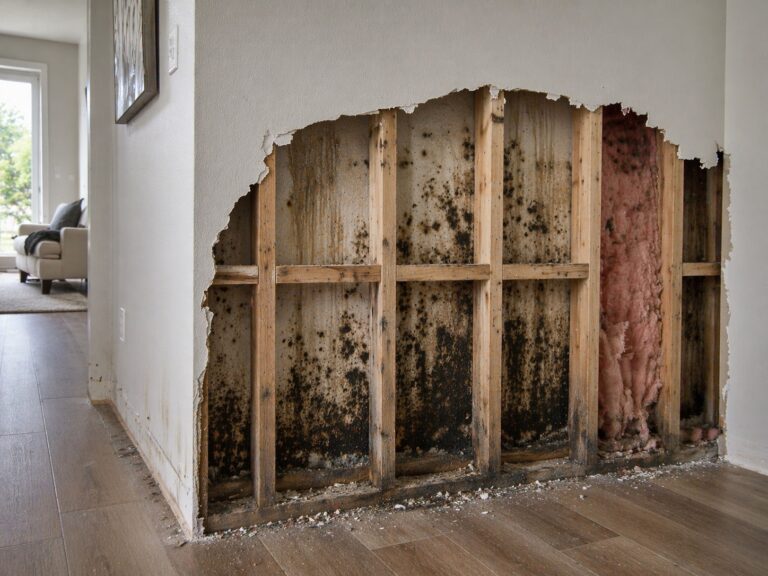
For example, mold that forms on painted drywall may appear fully removed after cleaning. But if moisture remains inside the wall cavity or behind the surface, mold spores continue developing beneath the surface.
Hidden Moisture Allows Mold to Regrow
Many recurring mold problems are caused by hidden moisture rather than visible leaks. Small amounts of moisture trapped inside materials provide enough humidity to support mold growth without obvious warning signs.
Common hidden moisture sources include:
- Slow plumbing leaks inside walls
- Condensation inside wall cavities
- Humidity trapped behind furniture
- Damp insulation or drywall
- Moisture entering through exterior walls
If mold repeatedly forms in the same area, especially along walls or corners, hidden moisture is often the true cause. Understanding the early warning signs described in signs of mold behind walls can help identify whether moisture exists inside structural materials.
If the problem is part of a broader pattern of dampness, leaks, or repeated repairs, the sitewide guide to finding, fixing, and preventing moisture problems in homes can help connect mold recurrence with whole-home moisture control.
Surface Drying Does Not Mean Materials Are Dry
Another common misunderstanding is assuming surfaces are dry simply because they feel dry to the touch. In reality, materials such as drywall, wood, and insulation can retain moisture internally long after surface drying occurs.
Moisture trapped inside porous materials creates an ideal environment for mold growth beneath visible surfaces. This hidden moisture slowly feeds mold regrowth even when the area appears dry.
Porous materials that commonly retain moisture include:
- Drywall
- Wood framing
- Carpet and padding
- Fabric materials
- Insulation
If mold has previously affected these materials, simply cleaning the surface rarely solves the root problem. In many cases, identifying underlying moisture causes described in what causes mold in walls helps explain why regrowth occurs.
Hidden Moisture Is the Most Common Cause of Recurring Mold
In most homes, recurring mold is not caused by poor cleaning alone. Even small amounts of moisture trapped behind surfaces or inside materials can support mold growth long after visible areas appear clean.
Because hidden moisture problems often develop slowly, homeowners may believe the issue has been solved, only to see mold return weeks later in the same location.
Moisture Trapped Inside Walls
One of the most common causes of mold returning after cleaning is moisture trapped inside wall systems. Walls contain multiple layers — drywall, framing, insulation, and cavities — that can hold moisture even when the outer surface looks dry.
Moisture can enter wall cavities through:
- Slow plumbing leaks
- Roof leaks traveling downward
- Exterior wall moisture intrusion
- Condensation forming inside walls
- Previous water damage that was not fully dried
Once moisture enters wall cavities, it can remain trapped for extended periods. This trapped moisture feeds mold growth from behind the visible surface, allowing mold to return even after repeated cleaning.
If mold repeatedly forms along wall surfaces, understanding how hidden moisture develops inside structures — as explained in how to find hidden water leaks inside walls — can help identify potential causes.
Damp Materials Behind Surfaces
Materials hidden behind visible surfaces often hold moisture longer than expected. Insulation, wood framing, and drywall backing can remain damp even after visible surfaces appear dry.
These materials dry slowly because:
- Airflow inside wall cavities is limited
- Moisture evaporates slowly in enclosed spaces
- Insulation traps humidity and slows drying
- Temperature differences reduce evaporation
This slow drying process allows mold to remain active inside materials, so even a small rise in moisture can restart visible growth.
Condensation Hidden Behind Surfaces
Condensation is a major contributor to recurring mold, especially in areas exposed to temperature changes. Condensation forms when warm, humid air contacts cooler surfaces, creating small amounts of moisture that accumulate over time.
This problem often develops in:
- Exterior wall corners
- Closets located along outside walls
- Window and door frames
- Bathroom walls
- Basement walls
Repeated condensation cycles introduce moisture slowly but consistently. Over time, these small amounts of moisture build into persistent damp conditions that support mold growth.
For wall-cavity condensation specifically, how to prevent condensation inside walls explains how insulation, airflow, humidity, and temperature differences contribute to repeated moisture cycles.
Incomplete Cleaning Can Also Contribute to Mold Recurrence
Even when moisture problems exist, incomplete cleaning can contribute to recurring mold growth. Cleaning methods that only remove visible staining may leave microscopic mold structures behind.
Mold often extends deeper into materials than homeowners realize. Removing surface discoloration does not guarantee that internal growth has been eliminated.
Surface Cleaning Does Not Reach Deep Mold Growth
Mold grows into porous materials, forming microscopic structures that extend below the surface. When only the outer layer is cleaned, internal mold remains intact.
This type of incomplete removal commonly occurs when:
- Mold is wiped without proper cleaning depth
- Porous materials are cleaned repeatedly instead of replaced
- Cleaning products are applied without allowing sufficient contact time
- Moisture is not fully dried after cleaning
Over time, remaining mold structures regenerate and spread back toward the surface.
If mold appears on painted surfaces, the cleanup method matters, but this article focuses on why the mold returns. For surface-specific cleaning guidance, see how to remove mold from painted walls.
Porous Materials Are Difficult to Clean Completely
Some materials absorb moisture and mold deeply, making complete cleaning difficult. These materials act like sponges, holding moisture long after surface cleaning is finished.
Common porous materials include:
- Drywall
- Wood
- Ceiling materials
- Carpet backing
- Insulation
When mold penetrates these materials, repeated surface cleaning may temporarily improve appearance but fail to eliminate the root problem.
Cleaning Without Proper Drying Leads to Recurrence
Cleaning introduces moisture into materials. If surfaces are not dried thoroughly afterward, additional moisture remains behind, creating conditions that support mold regrowth.
Proper drying is essential because moisture introduced during cleaning can worsen underlying conditions.
Homes that have experienced previous water damage often require thorough drying methods such as those explained in how to dry walls after water damage, which outlines safe drying practices for structural materials.
High Humidity Allows Mold to Return Even After Cleaning
In many homes, mold returns after cleaning because overall humidity levels remain too high. Even without visible leaks, elevated indoor humidity can provide enough moisture for mold to regrow on walls, ceilings, and other surfaces.
Humidity-driven mold problems are especially common in bathrooms, closets, basements, and poorly ventilated rooms. These spaces trap moisture in the air, allowing mold spores to settle and grow again after cleaning.
Whole-House Humidity Can Sustain Mold Growth
Indoor humidity that stays above 60% can create favorable conditions for mold growth. When humidity remains consistently elevated, surfaces can absorb moisture from the air, even if no visible water is present.
This problem becomes worse when humidity builds gradually throughout the day. Activities such as showering, cooking, drying clothes indoors, or running humidifiers can increase moisture levels without obvious warning signs.
Common signs that humidity is contributing to recurring mold include:
- Condensation on windows
- Musty odors in enclosed rooms
- Damp-feeling walls or ceilings
- Mold forming in multiple locations
- Recurring mold in bathrooms or closets
If recurring mold appears in multiple areas, monitoring humidity levels is essential. The warning signs outlined in signs of high humidity in a house can help confirm whether moisture in the air is contributing to the problem.
Daily Condensation Cycles Feed Mold Growth
Humidity often causes mold to return through repeated condensation cycles. This process occurs when warm, humid air contacts cooler surfaces, creating moisture droplets that feed mold growth.
This pattern is particularly common in bathrooms, where steam from showers raises humidity levels quickly. Without proper ventilation, moisture settles on walls and ceilings, allowing mold to regrow after cleaning.
Daily condensation cycles typically occur in:
- Bathroom walls and ceilings
- Exterior wall corners
- Closets along outside walls
- Basement surfaces
- Window frames and surrounding trim
Repeated condensation causes moisture to accumulate slowly over time. Even if surfaces appear dry during the day, moisture cycles may continue unnoticed, allowing mold to return.
Structural Conditions That Cause Recurring Mold
Recurring mold often indicates structural conditions that allow moisture to remain trapped. Certain areas of a home are naturally more vulnerable to moisture buildup, making them frequent locations for repeated mold growth.
Exterior Walls Are Highly Vulnerable
Exterior walls commonly develop recurring mold because they are exposed to temperature differences between indoor and outdoor environments. Cooler wall surfaces attract condensation when warm indoor air contacts them.
This temperature difference creates repeated moisture cycles that are difficult to eliminate without improving airflow or insulation.
Recurring mold on exterior walls is especially common in:
- Bedroom corners
- Closets along outside walls
- Behind large furniture
- Areas near windows
- Rooms with limited airflow
If mold consistently appears along exterior walls, moisture intrusion from outside may also be involved. Understanding the warning patterns described in signs of water damage around windows can help identify whether outside moisture is contributing to recurrence.
Poor Ventilation Creates Moisture Traps
Ventilation plays a major role in controlling humidity levels inside a home. When airflow is restricted, moisture remains trapped in the air and settles onto surfaces.
Rooms with poor ventilation are among the most common locations for recurring mold growth.
Ventilation problems commonly occur in:
- Bathrooms without exhaust fans
- Laundry rooms
- Closets and storage areas
- Basements
- Kitchens without proper ventilation
Without airflow, humidity accumulates gradually. Over time, surfaces remain damp long enough to support mold growth even after cleaning.
Furniture Placement Can Block Airflow
Furniture placed tightly against walls can create hidden moisture pockets. These areas receive little airflow, allowing humidity to accumulate behind large objects.
This problem frequently causes recurring mold behind:
- Dressers
- Sofas
- Bookcases
- Wardrobes
- Storage cabinets
When airflow is restricted, moisture remains trapped between furniture and walls. Mold may return repeatedly in these hidden areas unless airflow is improved.
Why Bleach Does Not Fix Recurring Mold by Itself
Many homeowners rely on bleach because it makes mold stains look better quickly. But bleach does not fix the moisture conditions that caused the mold, so the same area can become moldy again.
Bleach Targets Surface Mold Only
Bleach works primarily on visible mold at the surface level. It does not penetrate deeply into porous materials such as drywall or wood.
When mold exists below the surface, bleach may remove staining while leaving hidden growth intact. This creates the appearance of success, even though mold remains active within the material.
Because bleach does not remove internal moisture, it can make the surface look clean while the conditions for regrowth remain unchanged.
Bleach Can Create False Confidence
One of the most misleading effects of bleach is its whitening action. Bleach lightens mold stains, making affected areas look clean even when mold remains beneath the surface.
This visual improvement can delay proper diagnosis of underlying moisture problems. As a result, mold returns repeatedly, often spreading into new areas over time.
When mold continues returning despite repeated cleaning, it is usually a sign that moisture conditions remain unresolved rather than a failure of cleaning products.
When Mold Keeps Returning in the Same Spot
One of the clearest warning signs of an unresolved moisture problem is mold returning to the exact same location. Mold rarely appears randomly. When it repeatedly grows in the same area, that location almost always contains a consistent moisture source.
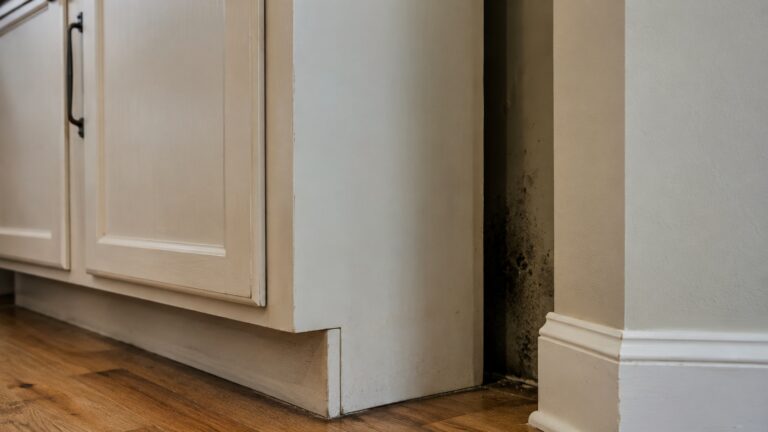
This pattern is especially common along baseboards, wall corners, ceilings, and areas near plumbing fixtures. These locations often hide slow moisture buildup that remains unnoticed until mold returns again.
Repeated Growth Indicates a Localized Moisture Source
If mold continues appearing in the same spot after cleaning, the most likely explanation is a localized moisture problem. This could be a hidden leak, trapped condensation, or persistent humidity affecting that specific area.
Localized recurrence is commonly linked to:
- Slow plumbing leaks inside walls
- Exterior moisture entering through wall systems
- Condensation forming in cold wall corners
- Hidden roof leaks traveling downward
- Moisture trapped behind baseboards or trim
When mold appears near lower wall sections, inspecting moisture behavior behind trim areas — such as those described in how to detect moisture behind baseboards — can help determine whether moisture is collecting behind surfaces.
Recurring Mold Near Plumbing Fixtures
Mold that repeatedly develops near sinks, showers, or toilets often indicates small plumbing leaks. These leaks may release only small amounts of moisture, making them difficult to detect without careful inspection.
Common plumbing-related recurrence areas include:
- Under bathroom sinks
- Behind toilets
- Near shower walls
- Around tub enclosures
- Inside vanity cabinets
If mold keeps returning in these locations, check nearby caulk lines, cabinet floors, shutoff valves, supply lines, drain connections, toilet bases, and the wall or floor area behind the fixture for dampness, staining, swelling, or musty odor.
When Recurring Mold Signals a Bigger Problem
In some cases, recurring mold indicates deeper structural moisture problems that require more than basic cleaning. Recognizing early warning signs can prevent long-term damage and costly repairs.
Persistent Musty Odors
A musty odor that returns after cleaning is often a sign that mold remains hidden somewhere inside the structure. Odors develop when mold colonies grow in concealed areas such as wall cavities, insulation, or flooring.
If odors return shortly after cleaning, hidden moisture may still be present.
Visible Material Damage
Recurring mold often appears alongside physical damage to building materials. These visible changes indicate moisture has been present long enough to weaken surfaces.
Common material warning signs include:
- Peeling or bubbling paint
- Warped drywall
- Swollen wood trim
- Discoloration around seams or joints
- Soft or crumbling materials
These symptoms often appear in areas where moisture remains trapped behind visible surfaces.
Mold Spreading to New Areas
If mold begins appearing in new locations after cleaning, moisture conditions may be spreading throughout the home. This often happens when humidity levels remain elevated or when moisture travels through structural materials.
Recurring mold that spreads beyond its original location should always be treated as a serious warning sign.
Understanding early expansion patterns — especially those described in signs of mold behind walls — can help determine whether mold is spreading inside hidden areas.
How Recurrence Timing Helps Identify the Cause
The speed at which mold returns after cleaning provides valuable clues about the underlying moisture problem. Faster recurrence usually indicates more severe moisture exposure.
Mold Returns Within Days
When mold reappears within a few days, it usually signals an active moisture source. This may include leaks, high humidity, or saturated materials that remain wet.
This pattern often indicates:
- An active plumbing leak
- Severe humidity levels
- Persistent condensation cycles
- Materials that remain saturated
Fast recurrence should be treated as a high-priority warning sign.
Mold Returns Within Weeks
Mold that returns after several weeks often suggests moisture that dries slowly but never fully disappears. This pattern is common after incomplete drying or when humidity remains moderately elevated.
Possible causes include:
- Damp wall cavities
- Insufficient airflow
- Seasonal humidity buildup
- Hidden moisture trapped in materials
Mold Returns After Several Months
Slower recurrence patterns may be related to seasonal humidity changes or recurring condensation cycles. Mold may disappear temporarily before returning during periods of increased humidity.
This type of recurrence commonly occurs in:
- Basements
- Closets
- Exterior wall corners
- Rooms affected by seasonal weather changes
Common Mistakes That Allow Mold to Keep Returning
Recurring mold problems are often made worse by repeated mistakes that allow moisture to remain in place. Avoiding these common errors significantly improves long-term mold control.
Cleaning Without Identifying the Moisture Source
The most common mistake is cleaning mold without identifying the moisture source that caused it. Removing mold without eliminating moisture almost always leads to recurrence.
If mold returns after cleaning, the area should be checked for leaks, condensation, trapped dampness, poor airflow, or high humidity before another cleaning cycle begins.
Assuming Visual Cleaning Equals Complete Removal
Many homeowners assume mold is gone once visible staining disappears. However, mold may remain hidden inside materials even when surfaces appear clean.
Visual cleaning alone rarely solves recurring mold problems if the material behind the surface is still damp or contaminated.
Ignoring Humidity Levels
Humidity control is frequently overlooked. Even when no leaks exist, high humidity levels can allow mold to regrow repeatedly.
Humidity-driven recurrence is especially common in bathrooms, closets, and poorly ventilated rooms.
Repeated Use of the Same Cleaning Method
Using the same cleaning method repeatedly without addressing moisture conditions often leads to recurring mold cycles. Each cleaning temporarily improves appearance but fails to solve the root cause.
When to Stop Recleaning and Investigate Further
Stop treating the problem as simple surface mold if the same area returns repeatedly, the material feels soft or crumbly, the musty odor persists, or staining spreads after cleaning. Mold that covers a large area or appears after leaks, flooding, sewage exposure, or roof intrusion also deserves closer investigation.
In those situations, repeated cleaning can hide the warning signs while moisture continues damaging materials behind the surface. The safer next step is to identify the moisture source and determine whether damp or damaged materials need professional evaluation.
Frequently Asked Questions
Why does mold keep coming back after cleaning?
Mold usually returns because moisture remains present after cleaning. Surface cleaning can remove visible growth, but hidden leaks, damp materials, condensation, poor airflow, or high humidity can allow mold to regrow.
Why does mold return after using bleach?
Bleach primarily removes surface mold and stains. It does not eliminate moisture trapped inside porous materials, allowing mold to grow again.
Can mold grow back in just a few days?
Yes. Mold can regrow quickly when moisture remains available. Fast recurrence often indicates an active moisture source such as a leak or severe humidity.
Does recurring mold mean hidden water damage?
In many cases, yes. Recurring mold frequently indicates hidden moisture inside walls, ceilings, or structural materials.
Can humidity alone cause mold to return?
Yes. High humidity can provide enough moisture for mold to return, especially in bathrooms, closets, basements, corners, and poorly ventilated rooms where surfaces stay damp.
Conclusion: Recurring Mold Always Points to Moisture
When mold keeps coming back after cleaning, the underlying issue is almost always unresolved moisture. Cleaning may remove visible mold temporarily, but lasting success depends on identifying and correcting moisture sources.
Recurring mold should not be ignored because it signals that moisture conditions still exist, even when they are not immediately visible. By focusing on moisture control instead of repeated cleaning alone, homeowners can stop mold from returning and protect their home from long-term damage.
For broader cleanup and prevention context, how to remove mold permanently explains how safe mold removal connects with long-term moisture control.
3 Comments
Comments are closed.