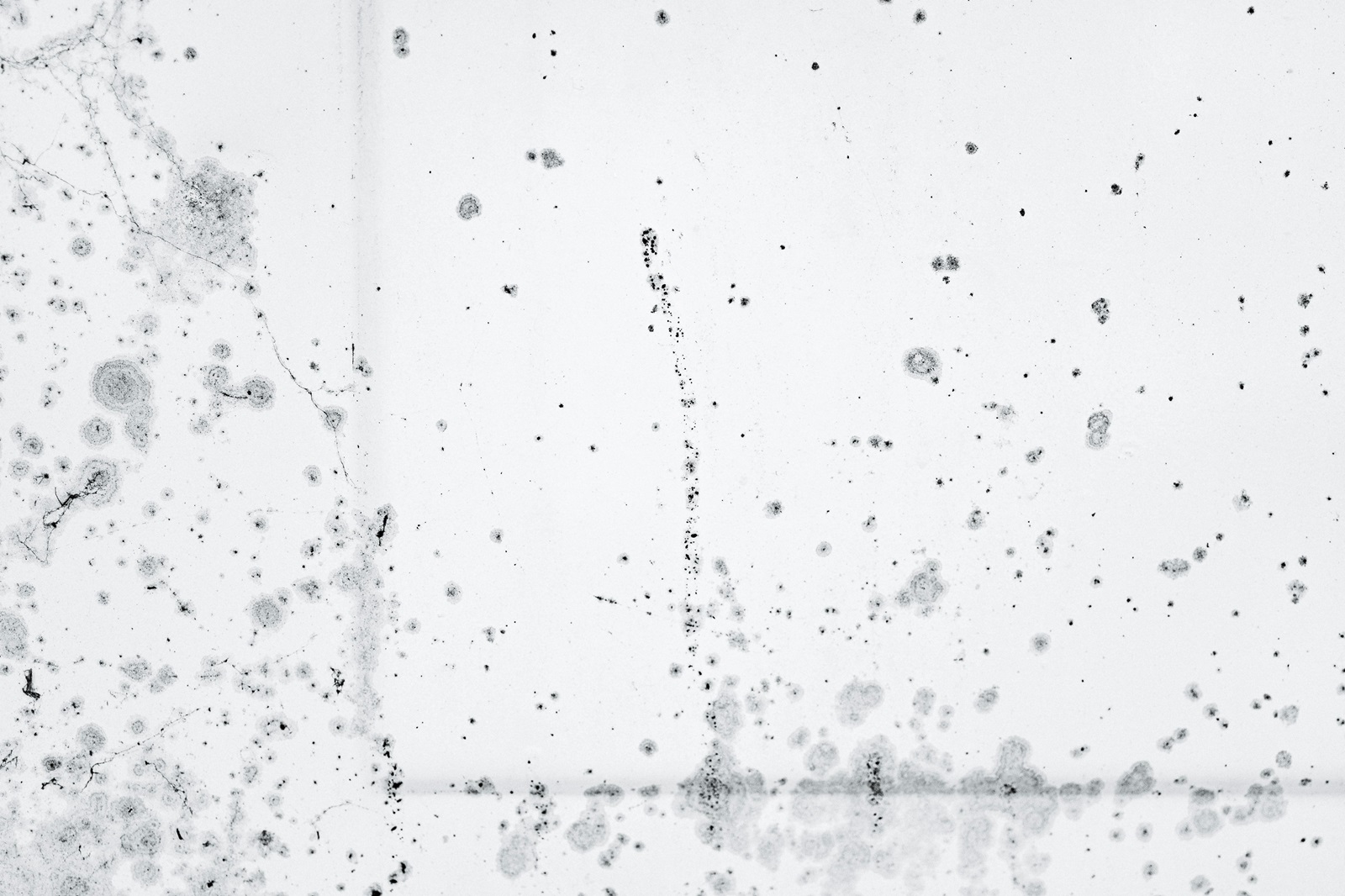
How to Remove Mold From Painted Walls (Safe Cleaning Methods That Protect Surfaces)
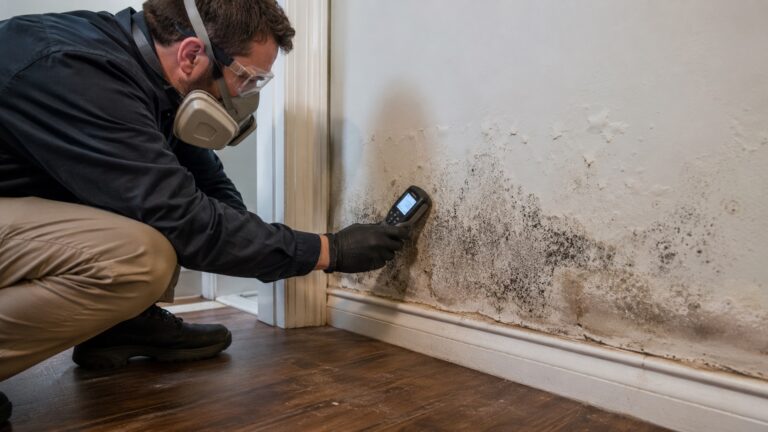
Mold on painted walls is a common problem in bathrooms, bedrooms, basements, and other areas where moisture collects. While it may look alarming, not all mold on painted drywall requires professional removal. In many cases, small surface-level mold patches can be safely cleaned if the wall is still structurally sound and the moisture source is addressed.
However, cleaning mold incorrectly — or ignoring the cause — often leads to recurring growth and worsening damage. Understanding whether the mold is only on the surface or deeper inside the wall is critical before attempting cleanup.
This guide explains how to safely remove mold from painted walls, when surface cleaning is appropriate, which cleaning methods protect painted finishes, and when deeper moisture problems require additional action. For a broader cleanup framework, see how to remove mold permanently.
Can You Remove Mold From Painted Walls Yourself?
In many situations, mold on painted walls can be cleaned safely without removing the drywall. Painted surfaces create a protective barrier that sometimes limits how deeply mold can penetrate — especially when the wall has remained mostly dry and the mold is limited to small surface spots.
However, not every mold situation is safe for DIY cleaning. Before starting, it’s important to determine whether the mold is truly surface-level or a sign of deeper moisture damage behind the wall.
Situations Where DIY Mold Removal Is Usually Safe
You can typically clean mold from painted walls yourself when the mold growth is small, shallow, and caused by surface humidity rather than structural water damage.
- Mold covers a small area (generally less than about 10 square feet)
- The painted surface is still intact and firmly attached
- The drywall underneath feels solid and dry
- No peeling, bubbling, or soft spots are present
- The mold appeared after humidity or condensation — not flooding or leaks
These conditions usually indicate that the mold is feeding on surface dust and moisture rather than growing deep inside the drywall. Common examples include mold spots appearing in bathroom corners after long showers or forming behind furniture placed tightly against exterior walls.
Many of these problems start with humidity and airflow issues rather than structural leaks. If you’re unsure why mold developed in the first place, reviewing the most common causes of mold in walls can help identify the underlying source.
Situations Where DIY Cleaning Is NOT Recommended
Some mold problems extend beyond the painted surface and require more than simple cleaning. Attempting to wipe away mold in these cases may temporarily improve appearance but will not stop the underlying growth.
Cleaning should be avoided or handled cautiously if you notice:
- Mold covering large sections of wall surface
- Paint bubbling, cracking, or peeling
- Soft or spongy drywall beneath the paint
- Strong musty odors that persist after cleaning
- Mold that returns within days after wiping
- Water stains, discoloration, or past leak damage
These warning signs suggest that moisture may be trapped behind the paint or inside the drywall itself. When that happens, cleaning the surface alone will not solve the problem. In these cases, the removal process described in how to remove mold from drywall may become necessary.
Why Mold Grows on Painted Walls
Mold on painted walls usually starts when moisture stays on the finished surface long enough for spores to grow on dust, soap residue, skin cells, cooking oils, or other organic particles. The most common causes are bathroom humidity, condensation on cold exterior walls, furniture blocking airflow, and small leaks that keep one area damp.
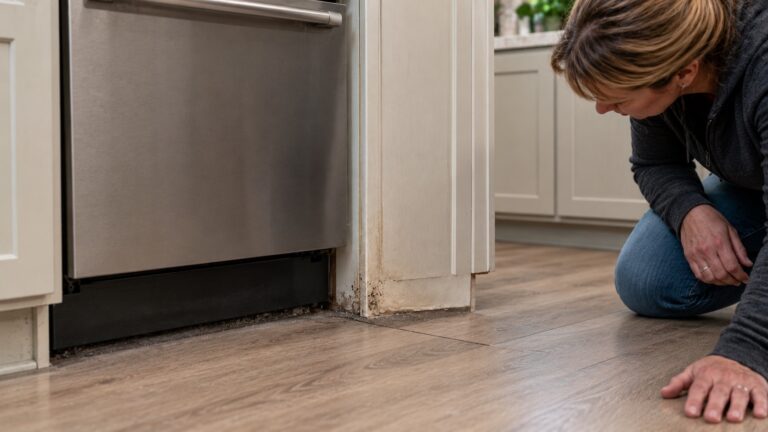
Surface mold is more likely when black or gray spots appear in bathroom corners, behind furniture, near ceiling lines, along baseboards, or on exterior-facing walls. Leak-related mold is more concerning because it often appears with staining, bubbling paint, discoloration, soft drywall, or recurring growth in the same location.
If you suspect hidden moisture rather than surface humidity, reviewing common signs of hidden moisture in walls can help confirm whether deeper inspection may be necessary.
What You Need Before Cleaning Mold From Painted Walls
Preparing properly before cleaning mold improves safety and increases the likelihood of successful removal. Many homeowners rush into cleaning without using the right materials, which can spread spores or damage painted surfaces.
Using appropriate tools also prevents oversaturating the wall — a common mistake that can make the problem worse.
Basic Safety Equipment
Even small mold patches release spores into the air during cleaning. Protective gear reduces exposure and prevents mold from spreading to other areas of the home.
- Disposable gloves to protect skin
- N95 mask or respirator to reduce inhalation of spores
- Safety glasses to protect eyes
- Old clothing or disposable coveralls
These items are especially important when cleaning mold in enclosed areas such as bathrooms or closets.
Cleaning Supplies Safe for Painted Walls
The cleaning solution used must remove mold without damaging paint or forcing moisture deeper into the drywall.
Common paint-safe cleaning options include:
Important: never mix cleaning products, especially bleach with ammonia, vinegar, hydrogen peroxide, or other household cleaners. Mixing chemicals can create dangerous fumes and should be avoided during any mold cleanup.
- White vinegar solution
- Hydrogen peroxide (3%)
- Mild detergent mixed with water
- Commercial mold cleaners designed for painted surfaces
Bleach should be used cautiously on painted walls. It may lighten or discolor paint, can irritate eyes and lungs, and should never be mixed with other cleaners. For small surface patches, mild detergent, vinegar, hydrogen peroxide, or a paint-safe mold cleaner is usually a better first choice.
If selecting a commercial cleaner, ensure it is labeled for painted surfaces to avoid unintended paint damage.
Tools That Prevent Surface Damage
Using the right tools helps remove mold without scratching or damaging the painted surface.
- Soft cloths or microfiber towels
- Non-abrasive sponges
- Spray bottle for controlled application
- Small bucket for cleaning solution
Avoid stiff brushes or abrasive scrub pads. These can damage paint and create tiny grooves where moisture collects more easily in the future.
Drying Equipment After Cleaning
Drying the wall properly after cleaning is one of the most important steps in preventing mold from returning. Many homeowners underestimate how long moisture remains trapped in painted surfaces.
Recommended drying tools include:
- Portable fans to increase airflow
- Dehumidifiers to lower humidity levels
- Open windows where safe and practical
- HEPA air purifiers to capture airborne spores
Air purifiers can also help during indoor mold cleanup by reducing airborne particles released while wiping or scrubbing. If you want long-term air support in mold-prone rooms, compare HEPA air purifiers for mold control before choosing a unit.
Step-by-Step: How to Remove Mold From Painted Walls Safely
Removing mold from painted walls requires more than simply wiping the surface. The goal is to eliminate visible growth without forcing moisture deeper into the drywall or damaging the paint layer. Following a controlled, step-by-step process reduces the chance of spreading spores or causing long-term damage.
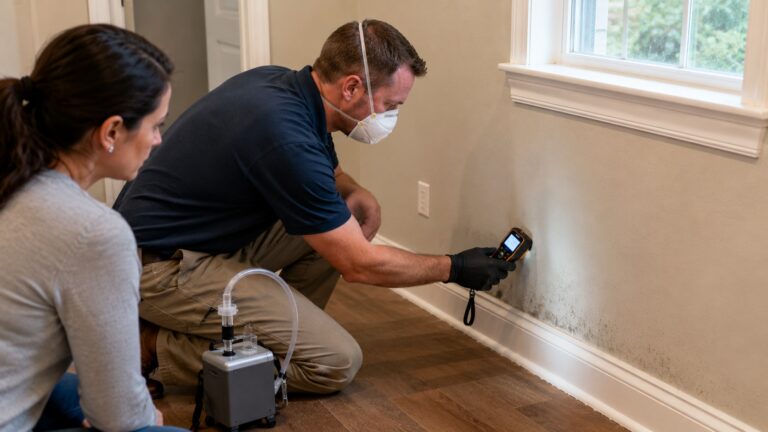
Before beginning, make sure the area is safe to clean. If mold covers a large section of wall or appears to be coming from behind the paint, surface cleaning alone will not solve the problem. In those cases, deeper inspection methods such as those described in how to recognize hidden mold behind walls may be necessary before cleaning begins.
Step 1 — Protect the Surrounding Area
Cleaning mold releases spores into the air. Without preparation, those spores can spread to nearby surfaces and create new growth areas.
Start by preparing the workspace:
- Move furniture away from the affected wall
- Cover nearby surfaces with plastic or old sheets
- Close doors to isolate the area when possible
- Open windows to improve ventilation if outdoor conditions allow
If the mold is located behind furniture, leave several inches of space between the wall and furniture after cleaning to allow airflow and reduce future condensation risk.
Step 2 — Apply the Cleaning Solution Lightly
Oversaturating painted drywall is one of the most common mistakes homeowners make. Excess moisture can soak through seams or small imperfections in the paint, worsening the problem.
Instead of soaking the wall, lightly mist the moldy area using a spray bottle. Apply just enough solution to dampen the surface.
Allow the cleaning solution to sit for several minutes. This dwell time helps loosen mold growth and allows the cleaner to break down spores more effectively.
- Do not flood the wall with liquid
- Avoid repeated spraying in the same location
- Use controlled, even coverage
Most light surface mold responds well to careful application combined with gentle wiping.
Step 3 — Wipe the Surface Gently
After the cleaning solution has had time to work, use a soft cloth or sponge to remove the mold. Always wipe gently to avoid damaging the painted surface.
Work from the outer edges of the mold toward the center. This reduces the chance of spreading spores to clean areas.
- Use steady, light pressure
- Replace cloths when they become heavily soiled
- Avoid aggressive scrubbing
If the mold does not remove easily, do not increase pressure excessively. Reapply a small amount of solution and allow additional dwell time before wiping again.
Step 4 — Rinse the Surface Lightly
After removing visible mold, wipe the area again using a clean cloth lightly dampened with water. This removes remaining cleaning residue that could affect paint appearance.
As with earlier steps, avoid oversaturating the wall. Excess water increases drying time and raises the risk of moisture entering the drywall.
Step 5 — Dry the Wall Thoroughly
Drying is one of the most important steps in the entire process. Mold often returns not because cleaning failed, but because moisture remained behind.
Use airflow to speed drying:
- Position fans to move air across the cleaned surface
- Run a dehumidifier to reduce indoor humidity
- Keep airflow moving for several hours after cleaning
Drying times vary depending on humidity levels, airflow, and wall conditions. Light moisture may dry within hours, while more humid environments may require longer drying periods.
Controlling humidity during drying is essential. The recommended humidity settings explained in ideal humidity levels for preventing mold growth can help ensure the environment remains unfavorable for mold return.
How to Confirm the Painted Wall Is Dry
Paint slows evaporation, so a wall can feel dry on the surface while moisture remains near seams, corners, or damaged paint. After cleaning, keep air moving across the wall and use a dehumidifier if the room feels humid or enclosed.
Before repainting or placing furniture back tightly against the wall, check for lingering dampness, cool spots, musty odor, bubbling paint, or mold returning within a few days. If those signs appear, the issue is probably unresolved moisture rather than failed cleaning.
When repeated moisture problems occur, reviewing signs of hidden moisture inside walls can help identify whether deeper structural moisture may be involved.
When to Repaint After Mold Removal
Repainting is sometimes necessary after mold removal, but it should never be done until the wall is fully dry and the moisture source has been corrected.
Painting too soon traps moisture beneath the surface, allowing mold to return behind the paint layer.
Situations Where Repainting May Be Needed
Not all mold cleanup requires repainting. However, repainting may improve both appearance and long-term protection when:
- Stains remain visible after cleaning
- Paint color becomes uneven or faded
- Previous paint coatings were damaged
- Mold affected a noticeable portion of the wall
Before repainting, confirm that the wall remains structurally sound and free from moisture. If paint damage is extensive or drywall shows soft areas, deeper repair may be required rather than simple repainting.
Using Mold-Resistant Paint
Mold-resistant paint products provide additional protection by reducing moisture retention and slowing surface mold growth. These coatings are especially helpful in moisture-prone areas such as bathrooms, laundry rooms, and basements.
However, mold-resistant paint should never be used as a substitute for proper mold removal. Painting over existing mold traps spores beneath the surface and leads to worsening damage over time.
Long-term prevention requires moisture control strategies such as those outlined in effective methods for preventing mold behind walls.
How to Stop Mold From Coming Back on Painted Walls
Removing visible mold is only part of the solution. To keep mold from returning on painted walls, control humidity, improve airflow, and fix any recurring moisture source before repainting or covering the area.
Control Indoor Humidity Levels
High indoor humidity is one of the most common reasons mold returns after cleaning. Painted walls collect condensation when humidity levels remain elevated, especially during showers, cooking, or seasonal weather changes.
Maintain humidity levels between 30% and 50% whenever possible. This range limits condensation and reduces the moisture available for mold growth.
- Run exhaust fans during and after showers
- Use dehumidifiers in humid areas
- Keep bathroom doors open after bathing
- Avoid drying clothes indoors without ventilation
Use a hygrometer in rooms where mold has returned before, especially bathrooms, basements, closets, and bedrooms with exterior walls.
Improve Airflow Around Walls
Poor airflow allows moisture to remain trapped near wall surfaces. Even small airflow restrictions can create pockets of humidity where mold develops repeatedly.
Improving airflow is especially important along exterior walls and in enclosed spaces.
- Leave a few inches between furniture and walls
- Avoid tightly packing closets
- Use fans to circulate air in stagnant areas
- Open interior doors to increase air movement
These adjustments help prevent condensation from settling into small areas where mold can grow unnoticed.
Address Recurring Moisture Sources
If mold keeps returning to the same location, a moisture source is likely still present. This may involve condensation, hidden leaks, or insulation problems that allow repeated moisture buildup.
Common warning signs of unresolved moisture include:
- Mold returning within days after cleaning
- Persistent musty odor
- Staining that continues spreading
- Paint deterioration over time
When mold repeatedly returns, identifying the moisture source becomes essential. Understanding why mold keeps coming back after cleaning can help determine whether additional investigation is needed.
When to Call a Professional for Mold Removal
Some mold problems exceed what can be handled safely with household cleaning methods. Attempting to remove advanced mold without proper equipment may worsen contamination or expose occupants to airborne spores.
Professional help becomes necessary when the problem extends beyond small surface patches.
Large Mold Areas
When mold spreads across large sections of wall, professional remediation is usually required. Large growth areas release more spores and often indicate deeper moisture problems.
Professional intervention is recommended when:
- Mold covers more than approximately 10 square feet
- Multiple wall sections show contamination
- Mold spreads across different rooms
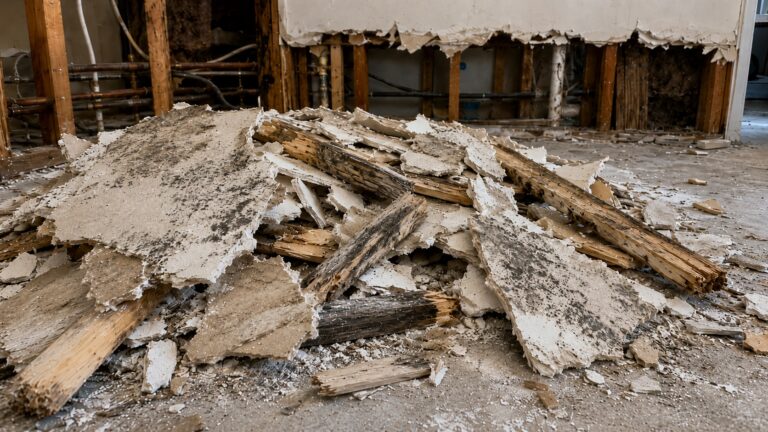
Large infestations often require containment, specialized cleaning equipment, and sometimes drywall removal.
Persistent Mold After Repeated Cleaning
If mold returns quickly after multiple cleaning attempts, the moisture source has likely not been resolved. This situation often indicates hidden moisture inside the wall structure.
Common scenarios include:
- Leaks inside wall cavities
- Condensation caused by insulation problems
- Moisture trapped behind damaged paint
In these cases, surface cleaning becomes ineffective because the underlying conditions remain unchanged.
Signs of Structural Damage
Structural damage increases risk and often requires removal rather than cleaning.
Call a professional if you notice:
- Soft or crumbling drywall
- Bubbling or peeling paint
- Deep staining spreading across the wall
- Water damage from flooding or leaks
These symptoms suggest that mold may have penetrated beyond the paint surface into the drywall core.
If mold is suspected deeper within the structure, evaluating signs of mold behind walls can help determine whether removal rather than cleaning is required.
Key Takeaways
- Small surface mold on painted walls can often be cleaned safely.
- Oversaturating walls during cleaning increases the risk of deeper damage.
- Drying thoroughly after cleaning is critical to preventing recurrence.
- Mold that returns quickly usually indicates unresolved moisture.
- Large mold areas or structural damage require professional evaluation.
- Long-term mold control depends on managing humidity and airflow.
Frequently Asked Questions
Can mold be wiped off painted walls?
Yes, small amounts of surface mold can usually be wiped off painted walls if the drywall beneath is still solid and dry. Use gentle cleaning methods and avoid oversaturating the wall. If mold returns quickly, deeper moisture problems may be present.
Will vinegar damage painted walls?
White vinegar is generally safe for most painted surfaces when used in moderate amounts. However, always test a small hidden area first to confirm that the paint does not discolor or fade.
Should you paint over mold on walls?
No. Painting over mold traps moisture and spores beneath the surface. This usually leads to continued growth behind the paint and more severe damage over time. Mold must be cleaned completely before repainting.
Is mold on painted walls dangerous?
Small amounts of mold are usually manageable when cleaned quickly, but larger infestations or prolonged exposure can affect indoor air quality. Individuals with allergies, asthma, or respiratory sensitivity may experience symptoms sooner.
Why does mold keep coming back after cleaning?
Mold returns when moisture conditions remain unchanged. Cleaning removes visible growth but does not stop humidity, condensation, or hidden leaks that allow mold to regrow.
Can mold grow behind painted walls?
Yes. Moisture trapped behind paint or inside drywall can allow mold to grow beneath the surface. Signs such as bubbling paint or persistent odor often indicate deeper contamination.
Final Advice on Removing Mold From Painted Walls
Removing mold from painted walls is usually possible when the growth is small, the paint is intact, and the drywall underneath is solid and dry. The key is to clean gently, avoid oversaturating the wall, dry the area fully, and fix the moisture condition that allowed mold to grow.
Do not paint over mold, scrub damaged paint aggressively, or keep cleaning the same spot if mold returns quickly. Recurring mold, bubbling paint, soft drywall, stains, or persistent odor usually means the problem extends beyond the painted surface.
For larger or recurring mold problems, use how to remove mold permanently as the broader cleanup and remediation guide.