
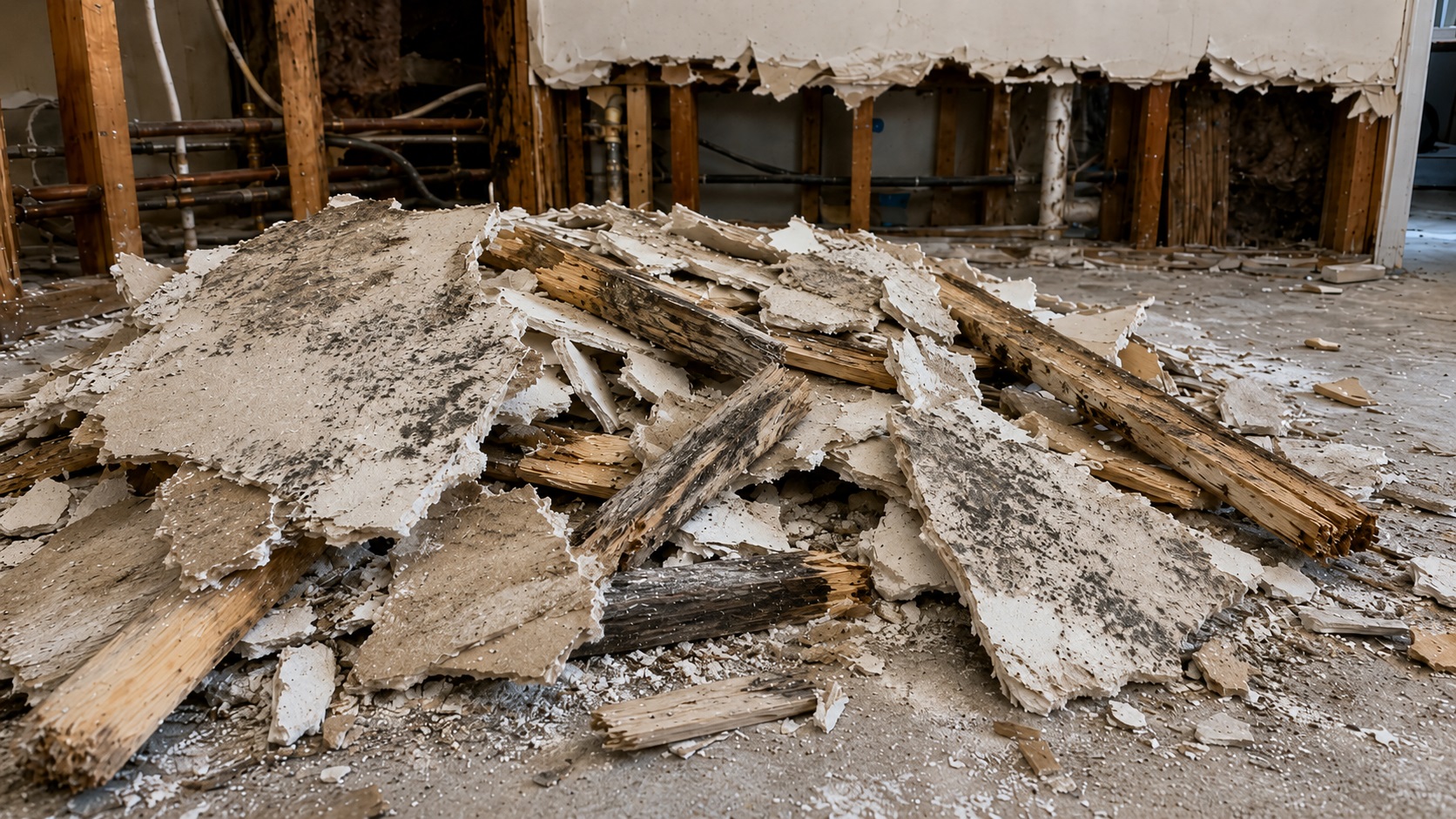
Mold on Drywall vs Wood: Key Differences Homeowners Should Know
Mold can grow on many materials inside a home, but drywall and wood behave very differently when moisture is involved. If you’ve discovered mold after a leak, flood, or humidity problem, one of the most important questions to answer is whether the material underneath is drywall or wood. That difference often determines whether cleaning is possible or replacement is safer.
Both materials support mold growth because they contain organic components or surfaces mold can attach to. However, drywall tends to trap moisture internally, while wood may sometimes allow better drying if the conditions are corrected early. Understanding these differences helps homeowners make smarter decisions about cleanup, safety, and when professional help may be necessary.
For broader cleanup and prevention context, see How to Remove Mold Permanently, the main DryHomeGuide mold removal hub. This article stays focused on how mold behaves differently on drywall and wood.
Quick Answer: Is Mold Worse on Drywall or Wood?
In many cases, mold on drywall is more likely to require removal, while mold on wood may sometimes be cleaned if the damage is limited and the wood remains structurally sound. However, neither material should be ignored once mold appears.
The real difference comes down to how each material reacts to moisture:
- Drywall absorbs water quickly and holds moisture inside its gypsum core, making deep contamination more likely.
- Wood absorbs moisture more slowly, which sometimes allows drying and cleaning if addressed early.
- Drywall often needs replacement once mold penetrates beyond the surface.
- Wood may be salvageable if mold is shallow and the material has not weakened.
That said, wood can become more dangerous than drywall if mold affects structural framing, joists, or load-bearing components. Damage to structural wood can create safety risks that go far beyond cosmetic concerns.
| Comparison Point | Mold on Drywall | Mold on Wood |
|---|---|---|
| Moisture behavior | Absorbs quickly through paper facing and gypsum core | Absorbs more slowly through fibers, depending on finish and exposure time |
| Typical risk | Hidden contamination inside the panel | Surface growth at first, with deeper risk if moisture persists |
| Cleaning potential | Limited once mold penetrates beyond the surface | Sometimes possible if wood is firm, dry, and not structurally weakened |
| Replacement risk | Higher after prolonged wetting or softening | Higher when rot, swelling, delamination, or structural weakening appears |
When homeowners notice mold growth, the first step is understanding where moisture is coming from. Hidden moisture problems behind walls are common, especially when mold spreads without obvious leaks. If you’re unsure whether hidden damage exists, review the warning indicators described in these signs of mold behind walls.
Why Mold Behaves Differently on Drywall and Wood
Mold growth depends heavily on the material underneath it. The physical structure of drywall and wood determines how moisture spreads, how quickly mold grows, and how difficult cleanup becomes.
Porosity and Surface Coating Differences
Porosity refers to how easily a material absorbs moisture. Drywall is highly porous, especially when damp, because its paper facing allows moisture to spread quickly across the surface and into deeper layers.
Wood surfaces behave differently depending on whether they are sealed or unfinished. Finished wood may initially resist moisture, while unfinished wood absorbs moisture more rapidly through exposed fibers.
Surface coatings influence how mold develops because they affect how quickly moisture enters the material and whether water becomes trapped beneath the surface. Even painted drywall or sealed wood can support mold growth if moisture remains present long enough.
Drywall: A Highly Porous Material
Drywall is made from a gypsum core sandwiched between layers of paper. That paper surface contains cellulose — an organic material that mold uses as food. This combination makes drywall especially vulnerable once moisture enters.
When drywall becomes wet:
- Water spreads quickly across the paper surface.
- Moisture wicks horizontally through the material.
- The gypsum core absorbs water internally.
- Drying becomes slow and uneven.
This internal moisture retention allows mold to grow beneath the visible surface. Even if the outer layer looks clean, contamination may still exist inside the material. This is one reason drywall frequently requires removal after significant mold exposure.
If drywall remains wet long enough, it can soften and lose strength. When this happens, replacement becomes the safest option rather than cleaning alone. Guidance on evaluating this condition is covered in this explanation of whether wet drywall can be saved.
Wood: A Semi-Porous Structural Material
Wood behaves differently because of its fibrous structure. While wood still absorbs moisture, it does so more gradually than drywall paper. This slower absorption sometimes allows moisture to evaporate if the leak or humidity source is corrected early.
When wood becomes wet:
- Moisture enters the fibers rather than spreading rapidly across the surface.
- Drying can occur if airflow improves.
- Mold often begins at the surface before moving deeper.
- Structural strength usually remains intact during early exposure.
However, wood can still suffer serious damage if moisture persists. Over time, mold may penetrate deeper into the fibers. In long-term wet conditions, decay fungi can develop, leading to rot and weakening.
This risk increases where moisture remains hidden, such as wall cavities, basements, or crawl spaces. If moisture sources are not corrected, both drywall and wood can develop repeated mold growth. For drying details after a wall leak, see how to dry walls after water damage.
Mold on Drywall vs Wood: How Growth Patterns Differ
One of the biggest differences between drywall and wood is how mold spreads once moisture is present. Understanding these growth patterns helps homeowners recognize when a small surface problem may actually be a deeper material issue.
How Mold Spreads on Drywall
Drywall allows mold to spread quickly because of its paper surface and porous gypsum core. Even a small moisture event — such as condensation, a slow leak, or humidity buildup — can create conditions where mold begins developing within 24 to 48 hours.
Typical drywall mold progression looks like this:
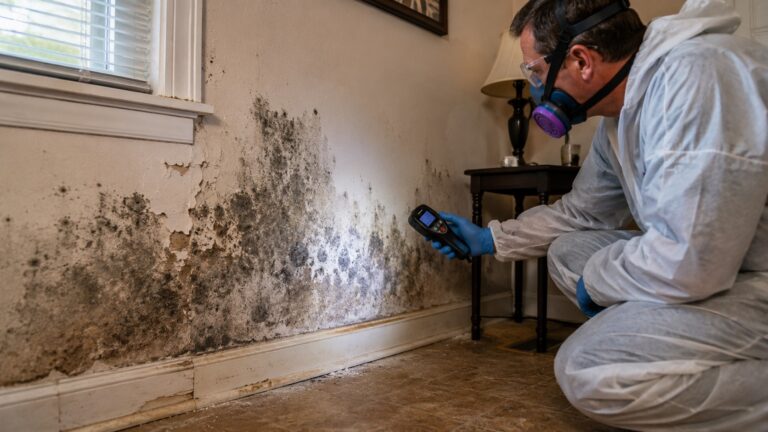
- Early stage: Small dark spots appear on the painted surface or paper facing.
- Mid stage: Staining spreads outward as moisture continues moving through the material.
- Advanced stage: Mold grows beneath the visible surface, often inside the gypsum core.
- Failure stage: Drywall softens, crumbles, or shows bubbling paint and swelling.
The danger with drywall is that what you see on the surface often represents only part of the problem. Mold can grow inside the material where it cannot be fully cleaned. In many cases, drywall that appears lightly affected may actually contain deeper contamination.
Moisture readings play an important role in identifying how far damage has progressed. Understanding acceptable moisture ranges can help determine whether materials are still safe. Review moisture levels that indicate water damage in drywall and wood to better evaluate risk.
How Mold Spreads on Wood
Mold growth on wood typically begins at the surface, especially where moisture collects repeatedly. Unlike drywall, wood does not contain paper layers that allow rapid horizontal spread. Instead, mold usually develops in visible patches before penetrating deeper into the fibers.
Typical wood mold progression includes:
- Early stage: Surface discoloration appears, often as dark spotting.
- Mid stage: Mold spreads across exposed surfaces such as framing or trim.
- Advanced stage: Mold begins penetrating deeper into wood fibers.
- Failure stage: Rot or structural weakening develops after long-term moisture exposure.
Wood contamination becomes especially serious when moisture remains for weeks or months. In those conditions, decay fungi may develop, breaking down the wood’s internal structure and reducing strength.
This is why mold on structural wood — such as floor joists, studs, or roof framing — must be taken seriously, even if the visible growth looks small.
Solid Wood vs Engineered Wood Behavior
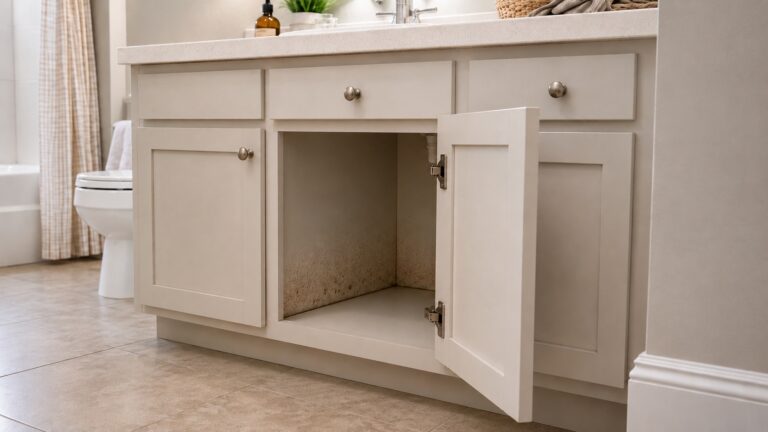
Not all wood materials respond the same way to moisture. Solid wood typically tolerates limited moisture exposure better than engineered wood products such as particleboard, fiberboard, or laminated materials.
Engineered wood products often contain adhesives and compressed fibers that weaken quickly when exposed to moisture. Once these materials absorb water, swelling, warping, or structural breakdown may occur faster than with solid wood.
This distinction is especially important when mold appears on cabinets, shelving, subfloors, or furniture, where engineered wood materials are commonly used.
Drywall vs Wood: Removal Difficulty Comparison
Removal difficulty varies widely depending on how deeply mold has penetrated into each material. While both drywall and wood can sometimes be cleaned, drywall typically presents more challenges once contamination spreads beyond the surface.
Why Moisture Content Matters More Than Appearance
Visible mold does not always reflect the true severity of moisture damage. Materials that appear dry on the surface may still hold moisture internally, creating conditions where mold continues growing beneath the visible layer.
Moisture content often matters more than appearance alone. A surface that looks clean but remains damp is more likely to support recurring mold growth than a surface that has fully dried.
Moisture meters and drying verification methods help determine whether materials are safe to clean or more likely to require removal.
Why Drywall Is Often Harder to Clean
Drywall is considered a highly porous material. Once moisture enters, it spreads internally and creates hidden mold growth that surface cleaning cannot remove completely.
Drywall becomes difficult to salvage when:
- Mold has penetrated beyond the paper surface.
- The gypsum core has absorbed moisture.
- Softening or crumbling is visible.
- Staining continues to reappear after cleaning attempts.
In these situations, replacement is often safer than cleaning because damaged drywall can hide contamination inside the panel. For the separate cleanup process, see removing mold from drywall safely.
Why Wood May Sometimes Be Easier to Clean
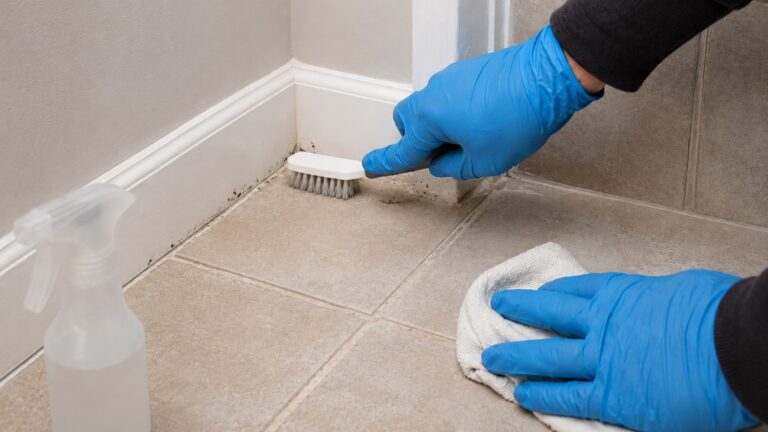
Wood surfaces can sometimes be cleaned when mold remains shallow and the wood remains structurally sound. This is especially true for exposed wood surfaces where moisture exposure was brief.
Wood is more likely to be salvageable when:
- Mold remains on the surface.
- The wood feels firm and dry after moisture correction.
- No signs of rot or structural weakening exist.
- Moisture sources have been fully corrected.
However, once mold penetrates deeply into wood fibers or rot begins, replacement may be required. This becomes more critical when wood supports weight or structural loads.
Which Material Is More Likely to Need Replacement?
Drywall is generally more likely to require replacement than wood after mold exposure. This is not because wood is immune to mold, but because drywall loses strength more quickly and cannot be reliably cleaned once deeply contaminated.
Drywall replacement is commonly required when:
- Moisture exposure lasted more than 48 hours.
- Large areas of mold are visible.
- Drywall feels soft or spongy.
- Paint bubbles or surface swelling appears.
- Hidden moisture remains behind the wall.
Wood replacement becomes necessary when:
- Structural strength is compromised.
- Rot is present.
- Cracking or crumbling occurs.
- Moisture damage persists over long periods.
The key decision is whether the material is still dry, firm, and structurally sound after the moisture source has been corrected.
Moisture Retention and Hidden Damage Risks
One of the biggest dangers with mold on drywall or wood is not what you see on the surface — it’s what remains hidden behind walls, under flooring, or inside structural cavities. Moisture retention plays a major role in determining how serious mold contamination becomes and whether materials can be saved.
Hidden Leak Pattern Warning Signs
Mold growth often reflects hidden moisture problems rather than surface exposure alone. When mold appears repeatedly in the same location, the underlying cause may be a concealed leak or ongoing moisture intrusion.
Common signs of hidden leaks include repeated mold growth in one area, staining that keeps spreading, bubbling paint, damp baseboards, musty odors near the same wall, or moisture affecting drywall and nearby wood at the same time. These patterns often indicate moisture traveling behind surfaces rather than staying on the exterior.
Identifying and correcting hidden leaks is critical for preventing mold from returning after cleaning or material replacement.
Why Drywall Traps Moisture Internally
Drywall is highly vulnerable to hidden moisture because of how its materials interact with water. Once moisture enters, it spreads quickly across the paper surface and into the gypsum core, creating internal damp areas that may not dry evenly.
This internal moisture retention creates several risks:
- Mold growth continues beneath the surface even after visible cleaning.
- Painted drywall may appear dry while still holding moisture internally.
- Hidden mold colonies can expand inside the wall cavity.
- Repeated mold growth becomes more likely if drywall remains damp.
Drywall often hides damage behind the surface finish. In many homes, mold becomes visible only after paint begins to bubble, discolor, or peel. By the time these symptoms appear, internal contamination may already be widespread.
If you suspect moisture inside walls, it helps to understand how mold behaves in concealed areas. Review common signs of mold behind walls to identify early warning indicators.
How Wood Holds and Releases Moisture
Wood absorbs moisture into its fibers rather than trapping it in layers like drywall. In early stages, this can make wood easier to dry if airflow improves and the moisture source is corrected quickly.
However, wood remains vulnerable to long-term moisture exposure. When dampness persists, mold spreads deeper into the fibers and may eventually lead to rot.
Wood-related moisture risks include:
- Hidden moisture inside framing cavities.
- Mold spreading along wood grain.
- Long-term weakening due to decay fungi.
- Structural instability if rot develops.
Moisture inside wood can be especially dangerous when it affects load-bearing components. Structural elements such as joists and beams must remain strong to support the home safely.
Effective drying plays a major role in preventing long-term damage, especially when wood framing or drywall cavities were exposed to a leak.
Structural Risk Differences Between Drywall and Wood
Another important distinction between drywall and wood involves structural risk. While drywall damage can be frustrating and costly, damage to structural wood components can create serious safety hazards.
Drywall Damage Is Usually Cosmetic — But Still Important
Drywall does not support the structural weight of a home. Its primary function is to create finished interior wall and ceiling surfaces. Because of this, mold damage to drywall rarely causes structural collapse.
However, drywall mold still presents significant risks:
- Indoor air quality contamination.
- Spread of mold spores to other surfaces.
- Damage to finishes and insulation.
- Hidden moisture spreading inside walls.
Protecting your lungs during mold cleanup is essential. If you’re cleaning smaller affected areas yourself, review recommended respirators for mold cleanup to reduce exposure to airborne spores.
Ignoring drywall mold can allow moisture problems to worsen, eventually affecting nearby wood framing or insulation.
Wood Damage Can Affect Structural Safety
Wood components often play a structural role inside the home. When mold affects these materials over long periods, it may lead to rot, which weakens the wood fibers.
Structural wood components include:
- Wall studs
- Floor joists
- Roof rafters
- Subfloor panels
- Load-bearing beams
Damage to these components can create safety risks, especially if moisture exposure continues unnoticed.
Homeowners should monitor wood areas closely after any leak or water intrusion. Early intervention often prevents expensive structural repairs later.
If wood framing, joists, or beams show moisture-related weakening, compare the symptoms with signs of structural moisture problems before assuming the issue is only surface mold.
Common Misconceptions About Mold on Drywall and Wood
Misunderstandings about mold behavior often lead homeowners to make risky decisions. Clarifying these misconceptions helps prevent unsafe cleanup attempts and recurring mold problems.
Misconception: Mold on Wood Is Always Worse
This belief is only partially true. Mold on structural wood can be dangerous, but mold on non-structural wood — such as trim — may sometimes be cleaned if moisture is corrected early.
In many cases, mold on drywall is more difficult to eliminate completely because contamination spreads internally. Surface cleaning alone rarely addresses deep drywall contamination.
Misconception: Small Mold Spots Are Harmless
Visible mold often represents only part of the problem. Small surface spots may indicate deeper moisture issues inside walls or structural cavities.
This is especially common when mold appears repeatedly in the same area. Persistent mold growth usually signals an unresolved moisture source.
Misconception: Cleaning Alone Solves the Problem
Cleaning mold without correcting the moisture source almost always leads to recurrence. Mold returns when moisture remains available, regardless of how thoroughly surfaces are cleaned.
Understanding moisture sources is critical for long-term prevention. Many mold problems originate from hidden leaks, condensation, or humidity buildup rather than visible water damage.
When to Call a Professional
While small mold areas may sometimes be handled safely by homeowners, certain conditions require professional evaluation. Ignoring serious mold conditions can lead to health risks and structural damage.
Professional help is recommended when:
- Mold covers a large area or keeps spreading after the moisture source should have been corrected.
- Structural wood components are affected.
- Wood feels soft, cracked, spongy, or shows signs of rot.
- Mold continues to return after cleaning.
- The moisture source cannot be identified.
- Hidden mold is suspected inside walls.
If you’re handling smaller mold cleanup tasks yourself, using proper protective gear is critical. Review this guide to mold safety equipment for homeowners to understand what protection is recommended before beginning cleanup.
If mold growth becomes widespread or difficult to control, a professional assessment helps determine whether materials should be cleaned or replaced.
For broader mold cleanup guidance, review How to Remove Mold Permanently instead of relying on surface cleaning alone.
FAQ: Mold on Drywall vs Wood
Is mold on drywall worse than mold on wood?
Mold on drywall is often harder to eliminate because drywall absorbs moisture internally and supports hidden mold growth. Even small visible spots may indicate deeper contamination inside the gypsum core. Mold on wood can sometimes be cleaned if it remains on the surface and the wood stays structurally sound. However, mold on structural wood may become more dangerous than drywall if long-term moisture leads to rot.
Can moldy drywall ever be cleaned instead of replaced?
Drywall may sometimes be cleaned if mold remains on the surface and moisture exposure was brief. However, if drywall feels soft, crumbles, shows swelling, or remains damp internally, replacement is usually safer. Once mold penetrates into the gypsum core, complete cleaning becomes difficult or unreliable.
If you’re evaluating drywall condition after moisture exposure, review how to determine whether wet drywall can be saved to better understand safe decision thresholds.
Can moldy wood framing be saved?
Wood framing can sometimes be salvaged when mold remains on the surface and the wood remains strong and dry. Structural wood should always be inspected carefully after moisture exposure. If rot, cracking, or weakening occurs, replacement may be necessary to maintain safety.
Wood that supports weight requires special attention. Even small mold areas on structural components should be evaluated carefully, especially if moisture lasted for several days or longer.
Does bleach work the same on drywall and wood?
Bleach does not work equally well on porous materials like drywall or wood. It may clean surface stains temporarily but does not penetrate deeply into materials. As a result, mold may return if internal contamination remains. Cleaning products alone cannot fix moisture problems or remove deeply embedded mold growth.
Which material grows mold faster — drywall or wood?
Drywall usually supports faster mold growth because of its paper surface and moisture-wicking properties. Wood typically absorbs moisture more slowly, but long-term exposure can still lead to deep mold penetration and rot.
What Mold on Drywall vs Wood Means for Cleanup Decisions
Mold on drywall and mold on wood may look similar at first, but the risks and outcomes often differ significantly. Drywall tends to absorb moisture quickly and hide mold inside the material, making replacement more common once contamination spreads. Wood may sometimes be cleaned if the damage is shallow, but structural wood requires careful monitoring because long-term moisture can lead to weakening and rot.
In both cases, the deciding factor is whether the moisture source has been corrected. If leaks, humidity, or condensation continue, mold can return on either material.
Safe cleanup and long-term prevention both depend on the same principle: remove the mold safely, correct the moisture source, and verify that affected materials are dry before assuming the problem is solved.
Key Takeaways
- Drywall absorbs moisture quickly and often requires replacement once mold penetrates deeply.
- Wood may sometimes be cleaned if mold remains shallow and structural strength is intact.
- Structural wood mold poses greater long-term safety risks than drywall damage.
- Repeated mold in the same spot usually means the moisture source has not been corrected.
- Correcting the moisture source is the most important step in preventing mold recurrence.
- Professional evaluation is recommended when mold affects structural components or spreads widely.
One Comment
Comments are closed.