
Why Water Heaters Develop Hidden Leaks
Hidden water heater leaks usually do not start as dramatic failures. They often begin as small drips, minor seepage, intermittent discharge, damp fittings, or moisture that collects in a pan before spreading across the floor. By the time a homeowner notices water near the heater, the cause may have been developing for weeks, months, or even longer.
A hidden leak can come from the tank itself, but it can also come from pipe connections, valves, fittings, a drain valve, a relief valve discharge pipe, an expansion tank connection, or nearby plumbing. That is why water near the base of the heater does not automatically mean the tank has failed. Water often travels before it becomes visible.
Below are the main reasons water heaters develop hidden leaks, why those leaks can stay unnoticed, and which causes deserve faster attention. If you are still trying to recognize the visible warning signs, start with signs of water leaks around water heaters. If you already see recurring moisture and need to narrow down the source, use how to detect slow water heater leaks.
Why Hidden Water Heater Leaks Usually Develop Slowly
Most hidden water heater leaks develop gradually because the parts around a water heater are exposed to heat, pressure, minerals, vibration, and repeated expansion and contraction. Over time, small weaknesses can form at fittings, valves, seals, threaded connections, or the tank itself.
The leak may stay hidden because it is small at first. A single drip can evaporate from warm concrete. Water may collect inside the heater pan instead of spreading outward. Moisture may run down the back side of the tank where it is hard to see. In a closet, garage, basement, or mechanical room, the first signs may be blocked by stored items or hidden in poor lighting.
Hidden leaks are also confusing because they may not happen constantly. A water heater may leak only when the tank reheats, when hot water demand is high, when pressure changes, or when a valve discharges briefly. That intermittent pattern makes the leak seem random, even though the same cause may be repeating under certain conditions.
Common reasons hidden leaks stay unnoticed include:
- The leak starts as an occasional drip instead of steady flow
- Water evaporates before forming a visible puddle
- The drain pan catches water before it reaches the floor
- Water runs down the back side of the heater
- Stored items hide the floor or tank base
- Concrete darkens slightly but does not show obvious standing water
- Finished flooring hides moisture below the surface
- The leak appears only during heating cycles or pressure changes
This is why hidden water heater leaks should be treated as moisture problems, not just plumbing annoyances. A slow leak can keep flooring, drywall, baseboards, wood trim, or stored materials damp long enough to create secondary damage. For a broader look at how appliance and plumbing leaks affect building materials, see how plumbing leaks cause structural damage.
Tank Corrosion and Aging
Tank corrosion is one of the most important reasons water heaters develop hidden leaks. A standard tank-style water heater stores heated water inside a metal tank. Because metal and water are constantly interacting, the tank is designed with protective systems that help slow corrosion. Over time, those protections can weaken.
One important protective component is the sacrificial anode rod. Its job is to corrode before the steel tank does, helping protect the tank interior. If the water heater has never been serviced, an old or depleted anode rod is one reason corrosion may be more advanced than the exterior appearance suggests. When the anode rod becomes depleted, internal tank corrosion can accelerate. A homeowner may not see this process from the outside until the tank begins showing rust, seepage, or moisture near the lower area.
Corrosion-related leaks often become visible near the bottom of the heater because sediment and moisture conditions inside the tank tend to be harshest there. If the inner tank weakens enough, water may begin escaping through small openings. At first, this may appear as a damp ring, water in the pan, or recurring moisture near the base rather than a large leak.
Age matters because older water heaters have had more time for corrosion, sediment buildup, valve wear, and connection fatigue to develop. An older unit is not automatically leaking, but age increases the importance of taking rust, moisture, and recurring pan water seriously.
Possible corrosion-related clues include:
- Rust-colored staining near the bottom of the heater
- Moisture that appears from beneath the tank
- Water in the pan without an obvious wet fitting above
- Rust trails running down the tank jacket
- Corrosion around lower metal parts
- Recurring dampness that gets worse over time
Corrosion should not be diagnosed from one sign alone. Water from a fitting or valve can run down and make the bottom of the heater look suspicious. But when rust, age, and recurring moisture appear together, the cause deserves prompt attention. A suspected tank leak is different from a simple connection drip and usually requires professional evaluation.
Water heater leaks also fit into whole-home moisture control because the heater is often located near flooring, framing, drywall, or storage areas. For a broader prevention framework, see how to find, fix, and prevent moisture problems in homes.
Sediment Buildup Inside the Tank
Sediment buildup is another reason water heaters become more vulnerable to hidden leaks over time. Minerals and small particles can settle at the bottom of a tank-style water heater, especially in homes with hard water. This sediment layer does not automatically mean the heater is leaking, but it can increase stress inside the tank.
When sediment collects at the bottom, it can interfere with normal heat transfer. The heater may have to work harder to heat the water, and localized hot spots can develop near the bottom of the tank. Over time, that added stress can contribute to noise, wear, reduced efficiency, and deterioration in the lower tank area.
Sediment can also make other leak causes harder to notice. For example, mineral deposits may form around valves, drain fittings, and connection points where small amounts of water have dried repeatedly. A homeowner may see crusty buildup and assume it is only a cosmetic issue, when it may actually show that moisture has been present more than once.
Sediment-related concerns may include:
- Mineral buildup around fittings or valves
- Crusty residue near the drain valve
- Rumbling or popping sounds from the tank
- Reduced hot water performance
- Rust or staining near lower tank areas
- Recurring moisture around older components
The important point is not that sediment always causes a leak by itself. It is that sediment can contribute to long-term wear and make an already aging water heater more vulnerable. If the heater is older, noisy, rusty, and showing moisture near the base, sediment may be part of the broader deterioration pattern.
Hard Water and Mineral Deposits
Hard water can contribute to hidden water heater leaks because it leaves mineral deposits behind as water heats, evaporates, or seeps through small openings. These deposits can build up inside the tank, around valves, along fittings, and near connection points.
On the outside of the heater, mineral deposits often appear as white, gray, greenish, or crusty buildup. Around copper or brass fittings, corrosion and mineral residue may appear together. Around a drain valve, dried mineral residue may show that small amounts of water have been escaping and evaporating over time.
Hard water does not instantly make a water heater leak. It is a long-term stress factor that can contribute to sediment, valve wear, fitting problems, and repeated small seepage that goes unnoticed.
Hard-water-related leak clues may include:
- White or chalky buildup around fittings
- Crust near the drain valve outlet
- Mineral trails below a connection
- Stiff or aging valves
- Repeated residue in the drain pan
- Scale-like deposits where water has dried
Mineral residue should be interpreted carefully. It may show an old leak that has stopped, an occasional seep, or an active slow leak. The key question is whether new moisture returns after the area is cleaned and dried. If it does, the cause is still active.
Pressure and Thermal Expansion
Water heaters operate under pressure, and the pressure inside the system can change as water heats. When water is heated, it expands. In some plumbing systems, especially closed systems with check valves or pressure-control devices, that expansion can increase pressure unless it is properly managed.
Pressure-related issues can create hidden leak behavior because they may happen only at certain times. A fitting may seep during pressure changes. A relief valve may discharge intermittently. A weak connection may stay dry most of the day and then release water after the heater has been working.
Thermal expansion and pressure problems may show up as:
- Water dripping from the temperature and pressure relief valve discharge pipe
- Water appearing after the tank reheats
- Intermittent moisture that does not appear all day
- Connection leaks that worsen during hot water use
- Recurring pan water without an obvious steady drip
- Expansion tank connection moisture
The temperature and pressure relief valve is especially important because it is a safety component. Water coming from the relief valve discharge pipe does not always mean the tank itself is leaking, but it does mean the system is releasing water for a reason. Repeated discharge can point to pressure, temperature, thermal expansion, or valve problems.
Do not plug, cap, or block the relief valve discharge pipe. If it drips repeatedly or flows steadily, the cause should be evaluated by a qualified plumber. Pressure-related leaks are not just nuisance moisture; they can indicate that the system is not controlling expansion or pressure correctly.
In some homes, an expansion tank helps manage thermal expansion in the plumbing system. If pressure problems are recurring, the expansion tank and related components may need evaluation. If pressure control is part of the repair discussion, see water heater expansion tanks and pressure control.
Loose or Worn Pipe Connections
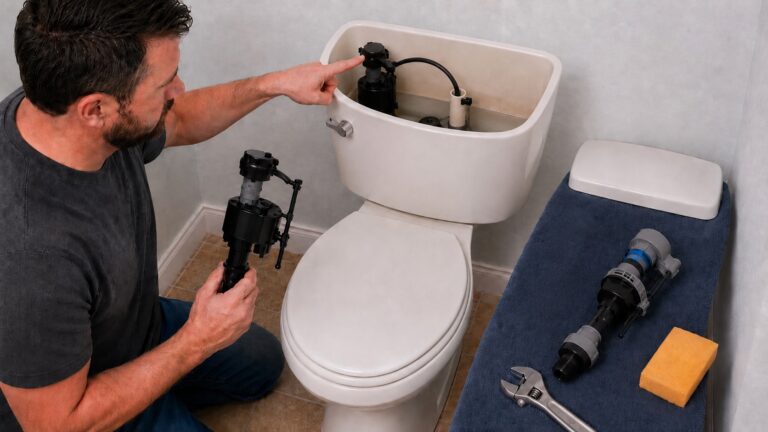
Many hidden water heater leaks start at pipe connections instead of the tank. The hot-water outlet, cold-water inlet, shutoff valve, flexible connectors, threaded fittings, unions, and expansion tank connection can all develop small leaks over time. Because these points often sit above the tank, water can travel downward and make the base look like the source.
Connections around a water heater are exposed to temperature changes, water pressure, vibration, and normal aging. Even a very small opening at a fitting can release enough water to create rust, mineral deposits, staining, or recurring pan moisture.
Connection-related leak causes include:
- Thermal movement from repeated heating and cooling
- Aging washers, seals, or valve packing
- Corrosion around threaded fittings
- Flexible connectors that have deteriorated
- Stressed piping that pulls on the connection
- Improperly supported pipes
- Expansion tank connections that loosen or corrode
A connection leak can stay hidden because it may only form a small bead of water. That bead can run down the pipe, follow the tank jacket, or drip into the pan. By the time water reaches the floor, the source may be several inches above the puddle.
This is why source tracing matters. If you see moisture near the water heater but are not sure where it starts, use how to detect slow water heater leaks to separate tank leaks from fitting, valve, and pipe leaks.
Drain Valve Wear
The drain valve sits near the lower part of the water heater, so leaks from this valve can easily be mistaken for tank-bottom leaks. A worn drain valve may seep slowly, drip only occasionally, or leave mineral buildup around the outlet. Because it is close to the floor, even a small leak can create water in the pan or dampness around the base.
Drain valve problems may develop from age, sediment, mineral buildup, or wear around the valve components. If the valve has been used for flushing or draining, residue or deterioration may keep it from sealing cleanly. In older heaters, the valve may also become brittle or corroded.
Drain valve causes may show up as:
- Water dripping from the valve outlet
- Moisture around the valve cap or hose-thread area
- Mineral crust around the drain valve
- Rust staining below the valve
- Water collecting in the pan near the lower tank
- Dampness that appears at the bottom but starts at the valve
A drain valve leak may be less serious than a corroded tank leak, but it still should not be ignored. A small lower-valve drip can keep the area damp, stain concrete, damage nearby flooring, or hide a larger issue if the homeowner assumes all bottom-area moisture is harmless.
Relief Valve and Discharge Pipe Causes
The temperature and pressure relief valve is designed to protect the water heater when temperature or pressure conditions become unsafe. If water is coming from the relief valve discharge pipe, the cause may involve excess pressure, thermal expansion, high temperature, valve wear, or another system issue.
This type of moisture can be confusing because it may look like a leak from the heater, but it may actually be controlled discharge from a safety device. That does not mean it should be ignored. Repeated discharge means the system is releasing water for a reason.
Relief valve discharge may be related to:
- Thermal expansion in a closed plumbing system
- Water pressure that is too high
- A failing or weakened relief valve
- Temperature control problems
- Expansion tank failure or absence where one is needed
- Debris or mineral buildup affecting valve operation
Do not plug, cap, reduce, or block the discharge pipe. If water drips from it repeatedly or flows steadily, a qualified plumber should evaluate the cause because the discharge pipe is part of the relief valve’s safety path.
Relief valve discharge is a good example of why hidden water heater leaks should not be judged only by the puddle location. Water may appear in the pan or near the base, but the actual cause may be pressure-related rather than a hole in the tank.
Environmental Stress Around the Heater
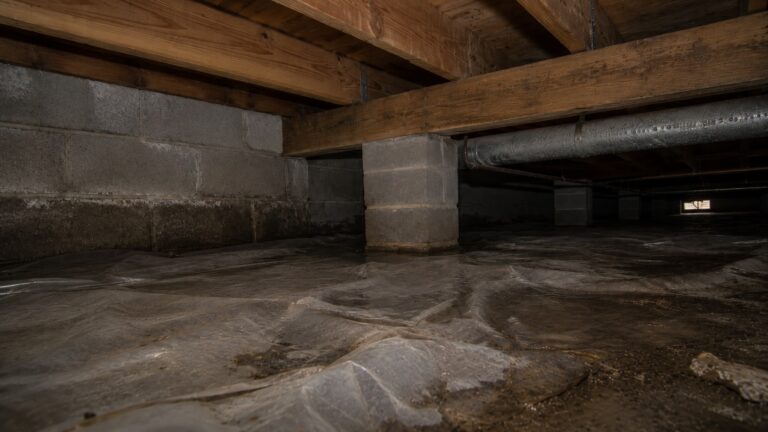
The area around the water heater can make hidden leaks more likely or harder to catch. Water heaters often sit in basements, garages, laundry rooms, mechanical closets, and utility areas where moisture, dust, storage, poor airflow, and temperature swings are common.
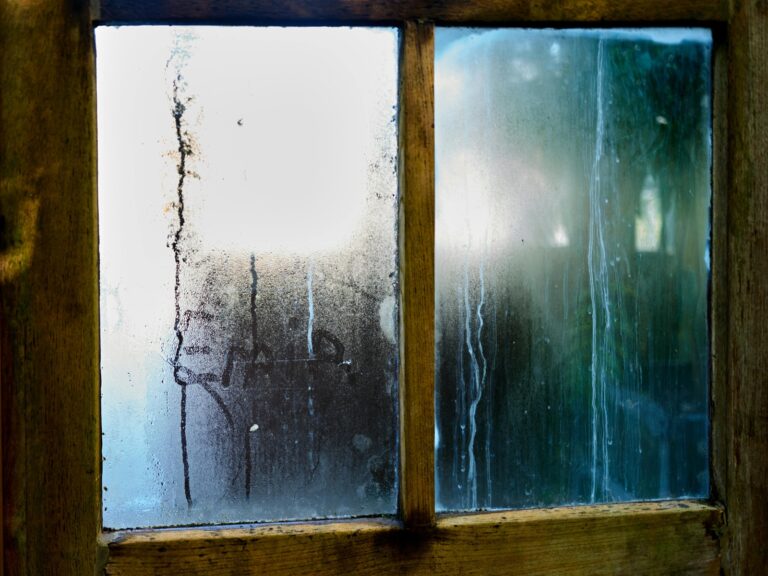
A damp environment does not necessarily cause the tank to leak by itself, but it can worsen corrosion, hide small moisture signs, and make it harder to tell where water is coming from. Concrete floors may darken without forming obvious puddles. Stored boxes may absorb water before the homeowner sees it. Tight closet spaces may hide the back side of the tank and pan.
Environmental factors that can contribute to hidden leak problems include:
- High humidity in basements or utility rooms
- Temperature swings in garages
- Poor airflow around the heater
- Stored cardboard, fabric, or wood near the tank
- Cleaning chemicals or corrosive materials stored too close to the heater
- Nearby floor drains, HVAC condensate lines, or washer hoses
- Finished flooring that hides water movement
- Limited visibility behind or beside the heater
Environmental stress also increases the chance that a small leak will become a broader moisture problem. If the heater is surrounded by absorbent materials, the first visible sign may be a musty smell, damp boxes, or swollen baseboards instead of an obvious drip.
After the cause is identified, prevention matters. Safer storage, clearer access, leak monitoring, and better moisture awareness can reduce the chance that a small leak becomes widespread damage. For that next step, see how to prevent water heater leak damage.
Installation and Drainage Problems
Some hidden water heater leaks become worse because the surrounding setup does not control or reveal moisture well. A water heater may have a pan that does not drain properly, a discharge pipe that is hard to see, stressed plumbing connections, or a tight installation space that makes inspection difficult.
A drain pan is helpful only when it is properly sized, visible, and able to direct water safely. If the pan is cracked, rusted, blocked, poorly drained, or hidden behind stored items, it may hold water long enough for the leak source to be missed. In some cases, the pan catches the first signs of a leak before water later overflows or reaches nearby flooring.
Installation and drainage issues that can hide leak causes include:
- A pan drain line that is blocked or poorly routed
- A pan that is too shallow, damaged, or difficult to inspect
- Discharge piping that empties where the homeowner rarely looks
- Stressed water lines pulling against fittings
- Poor access behind the heater
- A heater installed close to drywall, trim, or finished flooring
- Limited lighting in a closet, garage corner, or utility room
These problems do not always create the leak by themselves. Instead, they allow a small leak to stay hidden longer or make the source harder to identify. A drip that would be obvious in an open utility room may go unnoticed in a cramped closet until water reaches baseboards or flooring.
Why Some Leaks Stay Hidden Until Damage Appears
Hidden water heater leaks often stay hidden because the first moisture does not spread in an obvious way. Water may collect under the tank, inside the pan, behind the heater, under flooring edges, or inside stored materials. By the time the leak becomes visible, the surrounding area may already show damage.
Finished flooring is especially vulnerable because water can move under the surface. Vinyl plank, laminate, engineered wood, carpet, and sheet flooring can hide moisture at seams and edges. A homeowner may see only a small wet spot near the heater while water is already moving under the floor finish.
Leaks may also stay hidden because the heater area is not inspected often. If the heater is in a basement corner, garage, mechanical closet, or laundry area, the early signs may not be part of a normal cleaning routine.
Hidden leaks may first become obvious through:
- Water in the drain pan
- Dark stains on concrete
- Rust-colored floor marks
- Swollen flooring near the heater
- Soft spots in finished flooring
- Damp baseboards or drywall
- Musty odor in the utility area
- Stored boxes or items that feel damp
If a hidden leak has already reached the floor, the cause and the moisture damage should be treated as separate issues. Fixing the cause stops new water from entering the area, but it does not automatically dry flooring, trim, drywall, or subfloor materials that have absorbed moisture. For the recovery stage, see how to dry floors after water heater leaks.
When the Cause Points to Professional Evaluation
Some water heater leak causes are minor compared with others, but several should be evaluated by a professional. A loose fitting, worn drain valve, or minor connection leak may be repairable, but suspected tank corrosion, repeated relief valve discharge, pressure problems, gas-related concerns, or active spreading water should not be ignored.
Professional evaluation is especially important when the cause may involve safety components, pressure control, tank deterioration, electrical risk, or gas equipment. The goal is not only to stop the visible water, but to understand why the leak developed and whether the same condition will keep returning. If water is near electrical controls, wiring, outlets, or a gas-fired heater, avoid handling the unit until the area has been made safe.
Call a qualified plumber if you notice:
- Water appearing from beneath the tank
- Severe rust or corrosion near the lower tank
- Repeated discharge from the temperature and pressure relief valve pipe
- Pressure-related leaks that return after repairs
- Water near electrical components or controls
- Any gas odor near a gas water heater, especially if the odor is new or persistent
- Leaks that keep returning after minor repairs
- Moisture spreading into finished flooring, drywall, or baseboards
If the leak has returned after a previous repair, the issue may be more than one worn part. The system may have pressure problems, poor installation conditions, aging connections, corrosion, or recurring environmental moisture. For that next layer of troubleshooting, see why water heater leaks keep returning.
FAQ: Why Water Heaters Develop Hidden Leaks
Why do water heaters leak from the bottom?
Bottom-area leaks may come from internal tank corrosion, the drain valve, water running down from a fitting above, or moisture collecting in the pan near the base. Water at the bottom does not always prove the tank has failed, but water that appears from beneath the tank is a serious warning sign.
Can water pressure cause a water heater to leak?
Yes. Excess pressure or thermal expansion can cause intermittent moisture, fitting stress, or discharge from the temperature and pressure relief valve. If pressure-related leaking keeps happening, the system should be evaluated rather than treated as a normal drip.
Can hard water cause hidden water heater leaks?
Hard water can contribute to sediment, scale, mineral deposits, valve wear, and long-term stress. It does not instantly cause a leak, but it can make an aging water heater more vulnerable to hidden moisture problems over time.
Why does my water heater leak only sometimes?
Intermittent leaks often happen during heating cycles, after heavy hot water use, during pressure changes, or when a valve discharges briefly. A leak that appears only sometimes can still be active if the same moisture pattern keeps returning.
Does relief valve discharge mean the tank has failed?
Not always. Relief valve discharge may be caused by pressure, thermal expansion, temperature issues, or valve problems. It does not automatically mean the tank has failed, but it should not be ignored because the relief valve is a safety component.
Can a loose fitting make it look like the tank is leaking?
Yes. Water from a loose or worn fitting can run down the side of the heater and collect near the base. That can make it look like the tank is leaking from the bottom even when the source is higher up.
Why do older water heaters leak more often?
Older water heaters have had more time for corrosion, sediment buildup, valve wear, connection fatigue, and mineral deposits to develop. Age alone does not prove a leak, but age makes recurring moisture, rust, and pan water more concerning.
If moisture keeps returning around the water heater, do not rely on the puddle location alone. Trace the source, check whether the leak is tied to pressure or corrosion, and treat any absorbed floor or wall moisture as a separate drying problem.
Key Takeaways
- Hidden water heater leaks usually develop gradually, not all at once.
- Tank corrosion is one of the most serious causes, especially in older units.
- Sediment and hard water can contribute to long-term wear and hidden moisture problems.
- Pressure and thermal expansion can cause intermittent leaks or relief valve discharge.
- Loose fittings, worn valves, and aging connectors can leak without the tank failing.
- Damp basements, garages, closets, and storage areas can hide early leak signs.
- A drain pan may catch water, but it does not fix or identify the cause.
- Recurring leaks, severe corrosion, tank-base water, and relief valve discharge should be professionally evaluated.

One Comment
Comments are closed.