Signs Moisture Is Entering Around Exhaust Vents
Moisture around exhaust vents can come from rain entering around the exterior wall cap, humid exhaust air condensing near the opening, restricted airflow, or a loose duct connection leaking moisture into the wall.
Common signs moisture is entering around exhaust vents include staining below the vent hood, damp siding, cracked sealant, rust marks, lint buildup, greasy residue, loose wall caps, stuck louvers, bubbling interior paint, musty odor near the vent route, or dampness that appears during dryer, bathroom fan, or kitchen exhaust operation.
Timing helps separate the likely causes. Moisture after rain often points to exterior water entry, while moisture during dryer, bathroom fan, or kitchen exhaust use often points to humid exhaust, condensation, poor airflow, or a duct connection problem.
Exhaust vents belong to the larger group of exterior wall penetrations because they pass through the wall assembly. The parent guide on How Water Enters Homes Through Structural Gaps explains how small openings in exterior walls can become moisture paths when water is not controlled correctly.
Why Exhaust Vent Moisture Is Easy to Misread
Exhaust vent moisture is easy to misread because the same opening handles both weather exposure and indoor air movement. The exterior hood may be exposed to rain while the duct behind it carries warm, humid air from a dryer, bathroom, kitchen, or mechanical space.
At the same time, a vent that still appears to work can still have a moisture problem. A dryer may run while airflow is restricted. A bathroom fan may make noise while humid air leaks near the wall cap. A kitchen exhaust vent may move air while residue and condensation collect around the exterior opening.
Evaluate the pattern: when the moisture appears, where it shows up, what type of vent is involved, and whether it returns after the area dries. For the deeper cause explanation, see how exterior vent openings cause moisture.
Exterior Signs Around Exhaust Vents
The outside of the vent often shows the first clues. Check the vent hood, wall cap, louvers, damper, flange, mounting block, siding, trim, stucco, brick, and nearby paint for signs that moisture is collecting or moving.
Staining Below the Vent Hood
Dark streaks below an exhaust vent can mean water, residue, lint, or condensation is repeatedly running down the wall. The stain may be black, gray, brown, rusty, greasy, or dirty depending on the vent type and wall material.
The stain type matters. Dryer vent staining may include lint marks, kitchen exhaust staining may look greasy or sticky, metal vent covers may leave rust marks, and bathroom exhaust moisture may darken siding or trim below the hood.
The concern increases when the stain starts at the edge of the vent hood or flange and returns after cleaning, rain, or vent use. A one-time surface mark is less concerning than a pattern that keeps coming back.
Damp Siding or Trim Around the Vent
Siding and trim around an exhaust vent should not stay damp long after nearby wall areas have dried. If the area around the vent remains darker, softer, swollen, or wet-looking, moisture may be collecting around the wall cap or behind the mounting detail.
Wood trim may swell or peel. Vinyl siding may show darkened seams near the vent. Fiber cement or painted siding may show damp edges. Stucco or masonry may develop darker patches around the opening.
This can happen after wind-driven rain or when warm exhaust air condenses near a cold exterior wall surface, so the timing matters.
Cracked Sealant Around the Vent Flange
Cracked or missing sealant around the vent flange is a warning sign because it can let water behind the vent cover. The gap may appear at the top, side, or bottom of the wall cap. Sometimes the sealant looks present but has pulled away from one edge.
Failed sealant does not always mean water has entered the wall, but it means the vent opening has lost part of its protection. If the area is also stained, damp, loose, or musty indoors, the sealant gap becomes more important. The broader guide on how improper sealing causes exterior leaks explains why surface gaps can become water-entry paths.
Rust Marks, Lint, or Greasy Residue
The type of staining around an exhaust vent can reveal what kind of moisture pattern is developing. Rust marks may mean a metal vent cover or fastener is staying wet. Lint around a dryer vent may mean airflow is restricted or moist dryer air is not clearing the vent cleanly. Greasy residue around a kitchen exhaust vent may show that warm cooking exhaust is collecting near the exterior wall cap.
These marks do not automatically mean the wall cavity is wet, but they show that the exhaust opening is not staying clean and dry. If residue appears with damp siding, failed sealant, musty odor, or interior staining, the vent area should be checked more closely.
Loose, Tilted, or Damaged Wall Caps
An exhaust vent wall cap should sit securely against the exterior wall. If it is loose, tilted, cracked, dented, or separated from the siding, water can get behind it. A damaged wall cap may also allow humid exhaust to escape in the wrong direction or let wind-driven rain enter the opening.
Look for gaps around the edges, missing fasteners, cracked plastic, bent metal, or a cover that moves when lightly touched. Pay special attention to the top edge of the wall cap because water can enter behind the flange and travel downward even when the lower edge looks sealed. Do not force it or remove it during a basic check. The goal is to notice whether the vent cover appears secure and properly seated.
Stuck Louvers or Dampers
Many exhaust vents have louvers or a damper flap that should open when air is moving and close when the system is off. If these parts are stuck open, rain, cold air, pests, or outdoor humidity may enter. If they are stuck closed, exhaust air may back up and condense inside the duct or near the wall cap.
A stuck damper can make moisture symptoms inconsistent. The vent may look normal during dry weather, then show dampness after storms or during dryer or fan operation. If the louvers do not move freely during safe observation, the vent may need cleaning, repair, or replacement by the right professional.
Interior Signs Near the Exhaust Vent Route
Exterior staining is useful, but interior symptoms are more concerning because they suggest moisture may be reaching hidden materials. Check the wall, ceiling, cabinet, laundry area, bathroom, kitchen, basement, crawl space, attic edge, or utility space near the vent path if it is accessible.
Bubbling Paint or Damp Drywall
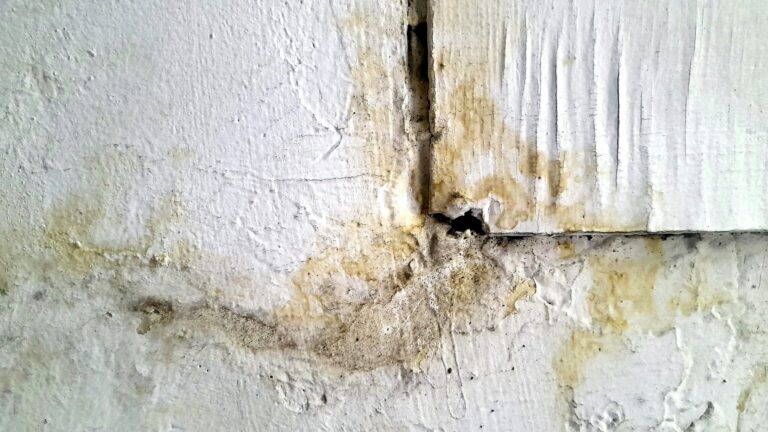
Bubbling paint, soft drywall, peeling finish, or a faint yellow-brown stain near an exhaust vent route may indicate moisture behind the surface. The stain may not line up perfectly with the exterior vent because water can travel along the duct, framing, insulation, or wall cavity before becoming visible.
This is more concerning when the symptom returns after the wall dries. A stain that reappears after rain, dryer use, bathroom fan use, or kitchen exhaust use points toward an active moisture pattern rather than a one-time event.
Musty Odor After Fan or Dryer Use
A musty smell near a laundry room, bathroom, kitchen, utility area, or exterior wall after the vent operates can indicate that moisture is collecting where it should not. Odor may come from damp lint, wet insulation, humid wall cavities, or materials that have stayed damp repeatedly.
Odor alone does not prove hidden wall damage, but it becomes more meaningful when it appears near the vent route and increases after use. A vent can still move some air while leaking humid air into the wrong area.
Condensation Near the Vent Opening
Condensation near an exhaust vent may appear as beads of moisture, damp patches, or a wet-looking surface near the wall cap or interior vent route. Brief surface condensation can happen in certain temperature and humidity conditions, but recurring condensation deserves attention.
Condensation is more concerning when it leaves stains, softens trim, causes paint damage, or appears every time the system runs. Repeated condensation means moisture is collecting faster than the area can dry.
Wet Insulation or Sheathing Behind the Vent
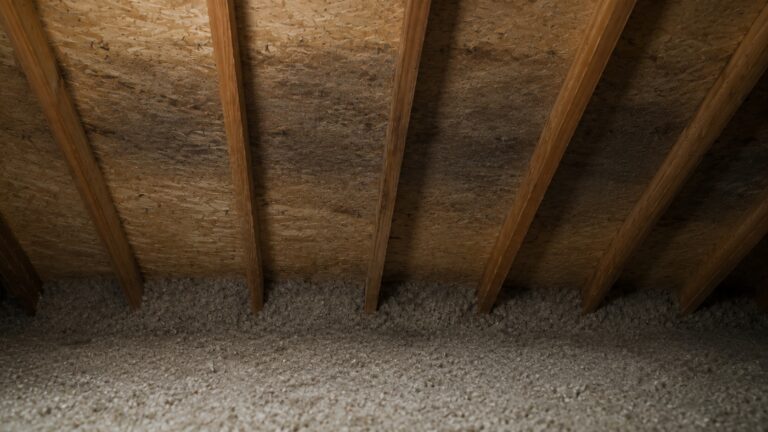
In some unfinished areas, you may be able to see the backside of the vent route. Wet insulation, darkened sheathing, stained framing, rusted fasteners, or water trails near the vent opening suggest that moisture is reaching hidden materials.
Once insulation or sheathing is wet, surface cleaning is not enough. The source must be corrected so the area can dry and stay dry. If you are comparing this with other wall-opening problems, see signs water is entering through wall penetrations.
Swollen Trim or Soft Materials Near the Vent
Swollen trim, soft wallboard, warped cabinet material, or deteriorated wood near an exhaust vent path can point to repeated moisture exposure. This may happen near laundry rooms, bathrooms, kitchens, or exterior walls where the vent duct passes through finished materials.
Soft materials usually mean the problem has moved beyond a temporary surface mark. If trim, drywall, sheathing, or framing has softened, the vent area should be inspected before the damage spreads.
Timing Clues That Point to Exhaust Vent Moisture
Timing is one of the best ways to understand exhaust vent moisture. The same damp spot can mean different things depending on whether it appears after rain, during dryer operation, during bathroom fan use, during cooking, or after repeated humid weather.
Moisture After Rain
If moisture appears after rain, especially wind-driven rain, the problem may be exterior water entry around the vent hood, flange, wall cap, or surrounding sealant. Rain can enter through gaps, cracked covers, stuck-open dampers, damaged louvers, or wall details that no longer shed water.
Rain-related vent moisture often appears as damp siding, staining below the vent, wet trim, or interior dampness after storms. It may not happen during light rain if the wall is sheltered, but it may appear when rain hits the vent side of the house directly.
Moisture During Dryer Operation
If moisture appears when the dryer runs, the issue may involve restricted airflow, lint buildup, a stuck flap, condensation, or a duct connection problem near the wall cap. Clothes taking longer to dry, lint collecting outside, or a musty laundry smell can support this pattern.
This does not mean every dryer vent stain is severe. But moisture that appears during dryer operation should not be treated as a rain leak only. The vent system itself may be contributing.
Moisture During Bathroom Fan Use
If moisture appears when the bathroom exhaust fan runs, the issue may involve humid shower air, condensation near the exterior wall, a loose duct connection, poor duct slope, or a vent termination that is not letting air leave cleanly. The bathroom may still feel humid even though the fan is making noise.
This pattern is especially important when musty odor appears near the bathroom wall, ceiling, cabinet, or exterior wall after showers. A fan that operates poorly can move some air while still allowing moisture to collect along the vent route.
Moisture During Kitchen Exhaust Use
Kitchen exhaust can carry warm air, cooking moisture, grease, and odors. If moisture or residue appears around the kitchen exhaust vent after cooking, the vent may be collecting condensation or residue near the exterior wall cap.
Greasy staining below the exterior vent, damp siding near the kitchen wall, or odor near cabinets and exterior walls can suggest that the exhaust path is not staying dry. Cold weather can make this more noticeable because warm kitchen exhaust meets cooler wall or vent surfaces.
Recurring Moisture After the Area Dries
Recurring moisture is more important than a single brief damp spot. If the area dries and then becomes damp again after the next storm, dryer cycle, shower, or cooking session, the vent opening or vent route may still be allowing moisture to collect.
Repeated dampness should be treated as an unresolved moisture pathway. Repainting, cleaning, or caulking over the surface may hide the symptom temporarily without correcting the source.
Dryer Vent Moisture Warning Signs
Dryer vents deserve special attention because they move warm, moist air and can collect lint. The most useful warning signs are visible moisture, damp lint, poor flap movement, long drying times, and musty odor near the laundry area.
Lint Buildup Around the Exterior Vent
Lint around the exterior dryer vent can mean airflow is not moving cleanly through the vent. Some lint is common over time, but heavy buildup, damp lint, or lint stuck around the flap can restrict air movement and keep moisture near the wall cap.
Damp lint is especially important because it can hold moisture against the vent opening. If the lint is paired with damp siding, musty odor, long dryer cycles, or a flap that does not open fully, the vent may need professional cleaning or repair.
For dryer vents, heavy lint buildup should be treated as both a moisture and fire-safety warning. Restricted dryer airflow can create moisture problems and may also increase fire risk.
Clothes Take Longer to Dry
Longer drying times can be a sign that airflow is restricted. When dryer exhaust cannot move out efficiently, moisture remains in the system longer. That can increase condensation and dampness near the vent route.
Long drying times are not only an efficiency issue. They can also be a clue that warm, moist air is not leaving the home as intended.
The Exterior Flap Does Not Open Properly
The dryer vent flap should open when the dryer runs and close when it stops. If the flap barely opens, sticks, or stays closed, moist air may back up inside the duct. If it stays open, rain, cold air, pests, and outdoor humidity may enter.
Either pattern can contribute to moisture. A stuck-closed flap traps exhaust. A stuck-open flap exposes the vent to weather.
Musty Smell Near the Laundry Area
A musty smell near the dryer, laundry wall, or exterior vent route may indicate damp lint, condensation, or moisture collecting near the duct. If the odor becomes stronger during or after dryer use, the vent should be checked.
Musty odor is more concerning when paired with damp walls, stained trim, or lint buildup outside. That combination suggests the issue may involve both airflow and moisture.
Bathroom Exhaust Vent Moisture Warning Signs
Bathroom exhaust vents are designed to move humid shower air outdoors. When moisture symptoms appear near the vent route, the fan or duct may not be removing humidity cleanly.
The Bathroom Still Feels Damp After the Fan Runs
If the bathroom remains humid long after the fan runs, the exhaust system may not be moving enough air or may not be venting moisture properly. This can happen when the fan is undersized, blocked, poorly ducted, or leaking near the wall termination.
A damp-feeling bathroom does not prove the exterior vent is leaking, but it is an important clue when paired with stains, odor, or condensation near the vent route.
Musty Odor Near the Fan Route
A musty smell near the ceiling, wall, cabinet, or exterior wall connected to a bathroom exhaust fan can suggest that moisture is collecting inside the duct path or near the termination. Odor may be most noticeable after showers or during humid weather.
If the odor returns after cleaning and the bathroom stays damp, the issue may be ventilation-related rather than only surface mildew.
Condensation Near the Bathroom Vent Termination
Condensation near the exterior bathroom vent termination can appear as damp siding, water beads, stains, or darkened areas around the vent hood. This may happen when warm shower air meets cold exterior surfaces or when airflow slows near the termination.
Occasional condensation may be temporary, but repeated condensation that stains or softens materials should be investigated.
Kitchen Exhaust Vent Moisture Warning Signs
Kitchen exhaust vents can show different moisture signs because they may carry heat, steam, grease, and cooking residue. The symptoms often look less like clean water and more like dark, sticky, or greasy staining around the vent area.
Greasy Staining Below the Exterior Vent
Greasy streaks or sticky discoloration below a kitchen exhaust vent can indicate that cooking residue and moisture are collecting at the wall cap. The residue can hold dirt and moisture, making the exterior surface look darker over time.
This is most concerning when the staining is paired with damp siding, loose vent parts, cracked sealant, or odor near the wall.
Odor or Residue Near Cabinets or Exterior Walls
If cooking odors or greasy residue appear near cabinets, wall cavities, or the exterior wall path, the exhaust may not be leaving cleanly. The issue may involve a poor duct connection, restricted airflow, or condensation near the termination.
Residue around a kitchen exhaust vent is not always a hidden moisture problem, but it can show where warm, moist exhaust is collecting repeatedly.
Moisture Is Worse During Cold Weather
Kitchen exhaust moisture can become more noticeable during cold weather because warm indoor air cools quickly near exterior wall surfaces. If condensation appears around the kitchen exhaust vent during colder months, temperature difference may be part of the problem.
Cold-weather condensation becomes more concerning when it causes stains, odor, soft materials, or recurring dampness near the vent route.
When Exhaust Vent Moisture Becomes Serious
Vent moisture becomes more serious when it repeats, spreads, appears indoors, or affects materials that should stay dry.
Interior Staining or Bubbling Paint Appears
Interior staining near the exhaust vent route suggests moisture may be moving beyond the exterior surface. Bubbling paint, soft drywall, or recurring stains should not be treated as cosmetic until the vent and wall detail are checked.
Wet Insulation or Hidden Materials Are Suspected
If insulation, sheathing, framing, or the backside of drywall may be wet, the issue has moved beyond surface condensation. Hidden materials can stay damp and may need professional evaluation before repainting or closing the area back up.
Musty Odor Keeps Returning
A musty odor that keeps returning near a dryer, bathroom, kitchen, or exterior wall may indicate ongoing moisture. If the odor gets worse during vent operation or after storms, the timing should be documented.
The Vent Area Gets Wet Repeatedly
Repeated wetting is the strongest warning sign. A vent area that becomes damp after every storm, every dryer cycle, or every shower is showing an unresolved pattern. The source should be corrected before the surrounding materials deteriorate.
What Homeowners Should Check Safely
You can check for exhaust vent moisture without taking apart the duct, opening walls, or disconnecting powered equipment. The goal is to identify visible warning signs, compare timing, and decide whether the issue needs professional inspection.
- Look for staining below the exhaust vent hood or wall cap.
- Check whether the siding, trim, stucco, brick, or mounting block around the vent stays damp.
- Look for cracked, missing, or pulled-away sealant around the vent flange, especially along the top and side edges.
- Check whether the vent hood is loose, tilted, cracked, dented, or separated from the wall.
- Look for lint buildup around dryer vents.
- Look for greasy residue around kitchen exhaust vents.
- Check whether louvers or damper flaps appear stuck, missing, or blocked.
- Write down whether moisture appears after rain, during dryer use, after showers, during cooking, or after cold weather changes.
- Check the interior wall, ceiling, cabinet, laundry area, bathroom, kitchen, basement, crawl space, or utility area near the vent route.
- Look for damp drywall, bubbling paint, swollen trim, musty odor, or wet insulation if the area is accessible.
Do not block an exhaust vent to stop moisture. Dryer vents, bathroom fans, kitchen exhaust vents, and other exhaust systems need to move air out of the home. Blocking the vent can trap humid air and make moisture problems worse.
For dryer vents, do not ignore restricted airflow, heavy lint buildup, or a flap that does not open during operation. Those signs can indicate a moisture problem and may also create a fire-safety concern.
Also avoid disconnecting ducts, removing powered equipment, opening walls, or sealing over an active moisture problem without identifying the source. If you need to compare the exhaust vent with other exterior openings, use a broader guide like how to inspect exterior penetrations for moisture.
Who to Call for Exhaust Vent Moisture Problems
Professional help may be needed when the moisture involves restricted airflow, ducting, exterior wall damage, electrical components, hidden materials, or recurring dampness after the area dries. The right professional depends on the type of exhaust vent and the signs you are seeing.
Call a Dryer Vent Technician
Call a dryer vent technician if the moisture is near a dryer vent, the exterior flap does not open correctly, lint is collecting outside, clothes take longer to dry, or the laundry area smells damp or musty. Dryer vents carry warm, moist air, so airflow problems can create moisture as well as lint buildup.
Call an HVAC or Exhaust Fan Professional
Call an HVAC or exhaust fan professional if the moisture is linked to a bathroom fan, kitchen exhaust vent, utility exhaust, or mechanical ventilation system. The issue may involve weak airflow, poor duct routing, condensation, a loose duct connection, or a vent termination that is not working correctly.
Call a Siding or Exterior Repair Contractor
Call a siding or exterior repair contractor if the vent hood is surrounded by damaged siding, rotted trim, cracked stucco, loose mounting blocks, failed flashing, or deteriorated exterior sealant. The exhaust system may need repair, but the wall detail around the vent may also need to be corrected.
Call an Electrician When Powered Equipment Is Involved
Call an electrician if the moisture involves powered fan equipment, wiring, exterior electrical components, or anything that may be unsafe to inspect. Water near electrical equipment should not be treated as a simple caulking issue.
Call a Moisture or Mold Professional
Call a moisture inspector, restoration professional, or mold professional if there is musty odor, wet insulation, damp drywall, mold-like staining, or recurring hidden moisture near the exhaust vent route. Once hidden materials are damp, the source should be corrected before repainting, cleaning, or closing the area.
FAQ About Moisture Around Exhaust Vents
How do I know if an exhaust vent is leaking?
An exhaust vent may be leaking or collecting moisture if you see staining below the vent hood, damp siding, cracked sealant, a loose wall cap, stuck louvers, bubbling paint indoors, musty odor near the vent route, or moisture that appears after rain or during vent operation.
Can moisture enter around a dryer vent?
Yes. Moisture can enter around a dryer vent if the exterior wall cap is loose, sealant has failed, the flap sticks, rain gets behind the vent cover, or moist dryer air leaks near the wall termination. Lint buildup and restricted airflow can also make moisture problems worse.
Why is my wall damp near a bathroom exhaust vent?
A wall near a bathroom exhaust vent may become damp if humid shower air condenses near the duct or exterior termination, if the duct connection is loose, if the fan is not moving enough air, or if rain is entering around the exterior wall cap.
Is condensation around an exhaust vent normal?
Brief surface condensation can happen in some conditions, especially when warm humid air meets a cold vent surface. It becomes a concern when condensation repeats, leaves stains, softens materials, causes odor, bubbles paint, or appears inside the wall.
Can a loose vent hood cause wall moisture?
Yes. A loose vent hood can let rainwater get behind the wall cap or allow exhaust air to escape where it should not. If the vent hood moves, tilts, separates from the wall, or has gaps around the flange, the surrounding wall may become vulnerable to moisture.
Can I just caulk around an exhaust vent?
Caulk may help if the only issue is a small exterior gap around a stable vent hood. It is not enough if the damper is stuck, airflow is restricted, the duct is disconnected, the wall cap is damaged, or hidden materials are already damp.
Who should inspect moisture around an exhaust vent?
The right professional depends on the vent type. A dryer vent technician may inspect dryer vent moisture. An HVAC or exhaust fan professional may inspect bathroom, kitchen, or mechanical exhaust vents. A siding contractor may inspect exterior wall damage. A moisture inspector, restoration professional, or mold professional may be needed if hidden materials are wet or musty.
Quick Signs to Remember
- Exhaust vent moisture can come from rain entry, humid exhaust air, condensation, restricted airflow, failed sealant, or duct connection problems.
- Exterior warning signs include staining below the vent, damp siding, cracked sealant, rust, lint buildup, greasy residue, loose wall caps, and stuck dampers.
- Interior warning signs include bubbling paint, damp drywall, musty odor, condensation, wet insulation, swollen trim, and recurring dampness near the vent route.
- Timing helps identify the likely source: rain-related moisture, dryer-related moisture, bathroom fan moisture, and kitchen exhaust moisture point to different causes.
- Do not block an exhaust vent to stop moisture because that can trap humid air and make the problem worse.
- Caulk may help some surface gaps, but it will not fix blocked airflow, damaged ducts, stuck dampers, or hidden wall moisture.
- Recurring moisture around an exhaust vent should be inspected before surrounding materials deteriorate.
What to Do Next if the Vent Area Keeps Getting Damp
If moisture keeps returning around an exhaust vent, compare the vent type, the location of the dampness, and the timing of the symptom. Moisture after storms points toward exterior water entry, while moisture during dryer, bathroom fan, or kitchen exhaust use points toward airflow, ducting, condensation, or exhaust-related problems.
If the vent area gets wet repeatedly, smells musty, stains interior finishes, or affects siding, trim, insulation, or drywall, treat it as more than a cosmetic issue. Identify whether the problem is rain entry, exhaust moisture, airflow restriction, or hidden wall dampness before sealing, repainting, or cleaning the surface.